
 91 -11 - 2336 3390
  director@caritasindia.org
 A Sister Returns: Priya’s Journey Home to Healing

When Priya (Name Changed) first arrived at Rehoboth Public Charitable Trust in 2019, her world had shrunk to shouts, filled with delusions, and neglect of basic care, hallmarks of schizophrenia that upended her life after marriage and separation. Like many women facing mental illness in India, she faced isolation from family and society. Now, on October 27, 2025, this 40-year-old crossed the threshold of her brother’s modest home in Tiruvannamalai, eyes brimming with tears, arms open for a hug six years overdue. Her path home was forged by Caritas India’s Mansi program, a lifeline that turned recovery into true belonging.
Priya grew up in a below-poverty-line family in Chennai, raised alongside two younger brothers by her plumber-electrician father after her mother’s passing. She completed 12th standard but could not pursue higher education due to financial constraints, later marrying only to face separation amid emerging mental health challenges. Her symptoms of shouting, occasional violence, neglect of personal care, and wandering have disrupted daily life and relationships, prompting her caring brother in Vellore to admit her to Rehoboth Public Charitable Trust in 2019.
At Rehoboth, care began simply: psychiatric medications to ease agitation, paired with daily routines like farming, laundry, and kitchen tasks. Staff listened patiently as Priya voiced years of pain and abandonment, building trust one conversation at a time. Within months, her outbursts faded; she shifted from injections to tablets, regained personal hygiene, and handled daily living independently. Symptoms dwindled to minimal levels, marking a quiet breakthrough as proof that compassionate, consistent support can restore calm where chaos once ruled. Priya began to smile again, ready for life beyond walls.
Caritas India’s Mansi program transformed this progress into reintegration. Field visits on August 20 and September 25, 2025, assessed her brother’s home in Vellore, local resources in Sandhavaasal Panchayat, and family readiness. Multiple Counseling sessions for Priya and her brother have helped ease the reintegration process. Panchayat leaders mediated community ties, while Sandhavaasal Police provided verification and safety clearance. Orientation equipped Priya with practical tools; consent forms, medical summaries, and follow-up plans ensured ethical handover. On that sunny October day, amid prayers and shared meals, Priya stepped home, not as a patient but family.
Today, Priya and her family navigate the quiet hardships of reunion, the long emotional gap from years apart lingers in hesitant conversations and shared silences, yet they work through it daily with small steps. Weekly Mansi follow-up calls guide them, ensuring medication and steady support amid the slow rebuilding of trust. The years of distance will take time to fill, but this patient journey holds real hope where reintegration blooms gradually, rooted in shared resilience.
As Mansi’s first success, three more women from Andhra Pradesh and one from Chennai are now in the process of reintegration. Priya’s story spotlights a model for single women battling schizophrenia. It confronts stigma head-on, showing NGOs like Caritas India and Rehoboth can blend treatment, family counseling, community partnerships, and monitoring to reclaim lives. In a nation where mental illness often means lifelong exile, Priya proves recovery leads to embrace, urging more such programs to light the way home.
Upcoming News
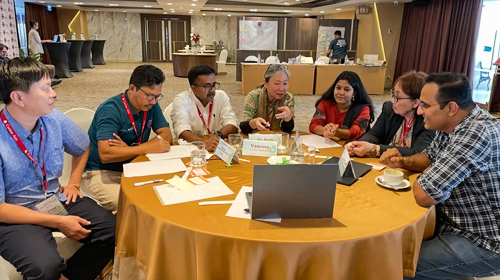
Caritas India Showcases Grassroots Resilience and Women in Leadership at Bangkok Humanitarian Forum
Caritas India placed grassroots climate adaptation and women’s leadership at the centre of regional disaster...
LEARN MORE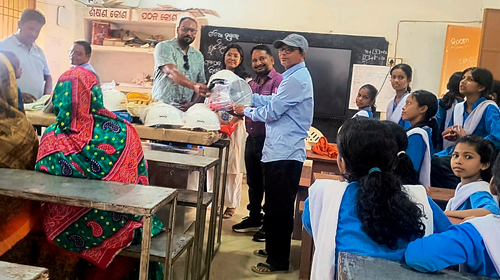
Odisha Schools Armed for Disasters as Caritas India Equips Coastal Classrooms
Caritas India has handed over specialized Comprehensive School Safety Kits to four vulnerable educational institutions...
LEARN MORE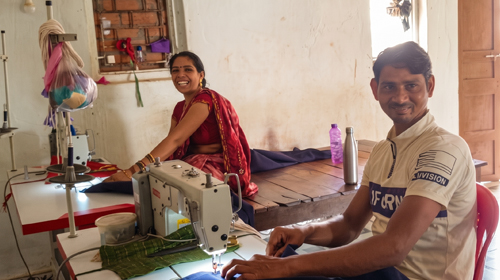
How Family Livelihood Built a Khushaal Bachpan in Bastipara
In Bastipara, a small hamlet of Kevradih village under Sirri Panchayat, Chhattisgarh most families depend...
LEARN MORE 91 -11 - 23362735
  director@caritasindia.org


