
 91 -11 - 2336 3390
  director@caritasindia.org
 SAFBIN IV Review signals a stronger, smarter future for smallholder resilience

Fresh vegetables from nutrition gardens greeted participants as they entered the Manav Vikas Seva Sangh (MVSS) centre in Sagar. The display did more than beautify the room. It proved the point of the gathering. SAFBIN IV is shifting farming from vulnerability to resilience, from subsistence to stability. During the two day review and planning meeting on 10 and 11 December 2025, partners stepped back to examine what worked, what must accelerate, and what will define the program’s next leap toward a climate secure future.
The discussion opened with clarity and purpose. Field teams had pushed hard over the past four months, and their results spoke boldly. Rabi planning moved with speed. On farm research trials matured. Integrated farming systems expanded. Women farmers formed stronger learning groups. Every update painted the same picture. Farmers are adopting low cost, climate resilient practices that protect harvests, nutrition, and income in uncertain seasons.
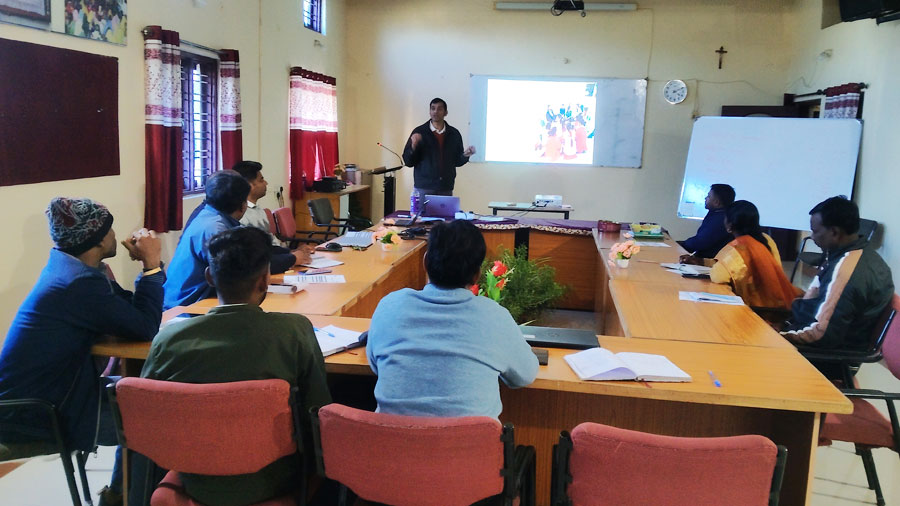
The presence of senior leadership from Caritas India, MVSS, Madhya Pradesh Social Service Society (MPSSS), and Caritas Austria sharpened the dialogue. Each intervention pressed one idea. The next phase must deepen resilience, not just maintain activities. Dr Mukund Deshmukh and Dr Saju MK laid out the 2026 results framework with direct expectations. Stronger farmer field schools. Clearer outcome tracking. Sharper focus on climate action. More space for innovation through rigorous On-Farm Adaptive Research (OFAR) trials. The program is entering a point where evidence will shape scale and long-term community ownership.
A moment that captured the spirit of the meeting came from a stark comparison. A mixed cropping farmer earned Rs 9905 per acre. A mono cropped control plot earned only Rs 3676. The gap was not theoretical. It was lived reality. Diversification delivers economic security and ecological balance. This insight carried weight through every conversation on sustainability.
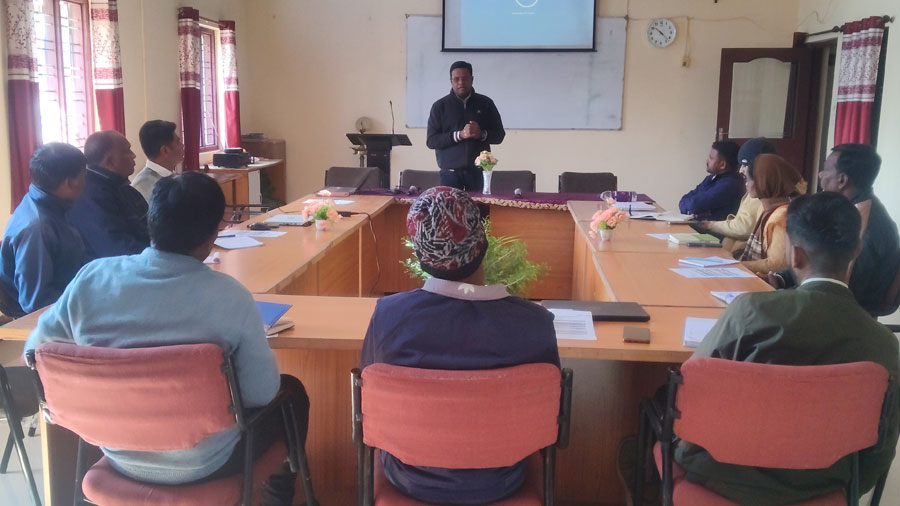
Partners MVSS and MPSSS brought data, field insight, and honest reflections. Their presentations captured monsoon and winter trials, nutrition gardens in homes and anganwadis, integrated models combining livestock, vegetables, and grains, and low cost technologies tested by farmers themselves. The message was firm. Farmers are innovating. The program must now strengthen systems that keep these innovations alive long after project closure.
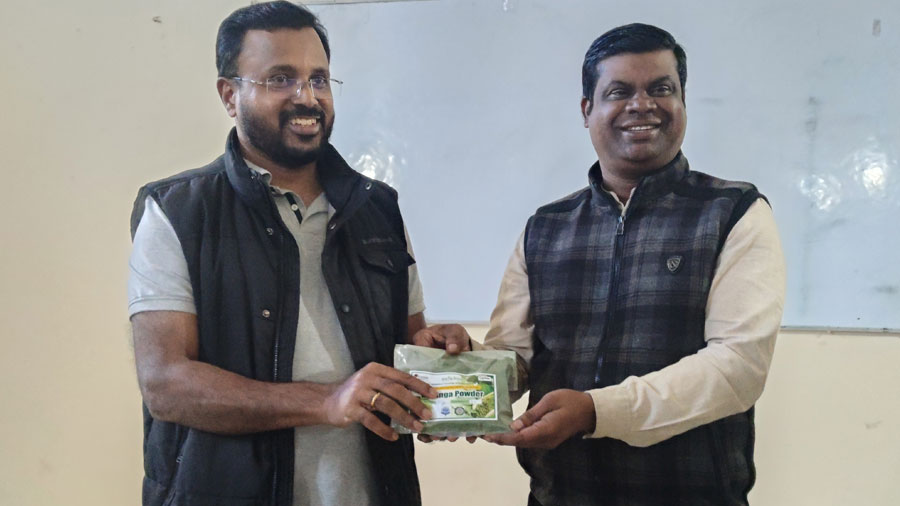
Fr. Benny Edayath pushed the room to think beyond one year. He demanded a view of farmers five years from now. What structures keep their progress intact. What markets reward their effort. What institutions anchor their learning. His call for farmer led marketing, value addition, cooperatives, producer companies, and community knowledge centres set a bold direction. Sustainability cannot be a slogan. It must be engineered with precision.
The small exhibition by MVSS and MPSSS showed seeds, products, and innovations developed in villages. Every table hinted at untapped potential. Better branding, grading, processing, packaging, and local to digital market connections can turn these products into stable income streams. Partners left with a clearer understanding that sustainability depends as much on markets as on production.
Financial transparency found its space through a session on budgeting and SAPI software led by Soju Mathew. Clear financial systems form the backbone of trust and accountability in community programs.
The second day moved with energy. OFAR reviews sharpened trial quality. Task management sessions pressed teams to raise execution standards. Action plans for the extension year became more focused, measurable, and owned by field partners.
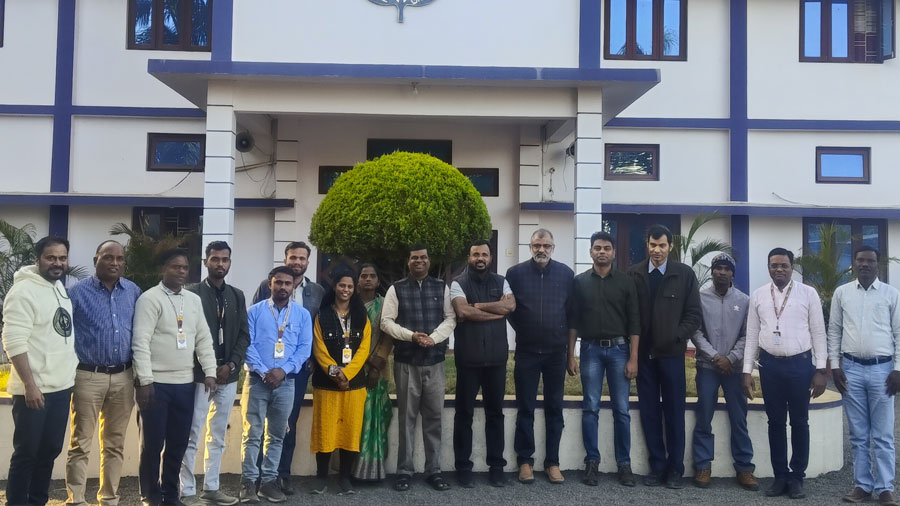
The two-day meet closed with a deeper understanding of what resilience demands. Innovation that starts on the farm. Systems that protect it. Markets that reward it. And communities that lead it. SAFBIN IV now moves into its next chapter with stronger alignment, clearer ambition, and a shared commitment to shaping sustainable futures for smallholder farmers living on the frontlines of climate uncertainty.
Upcoming News
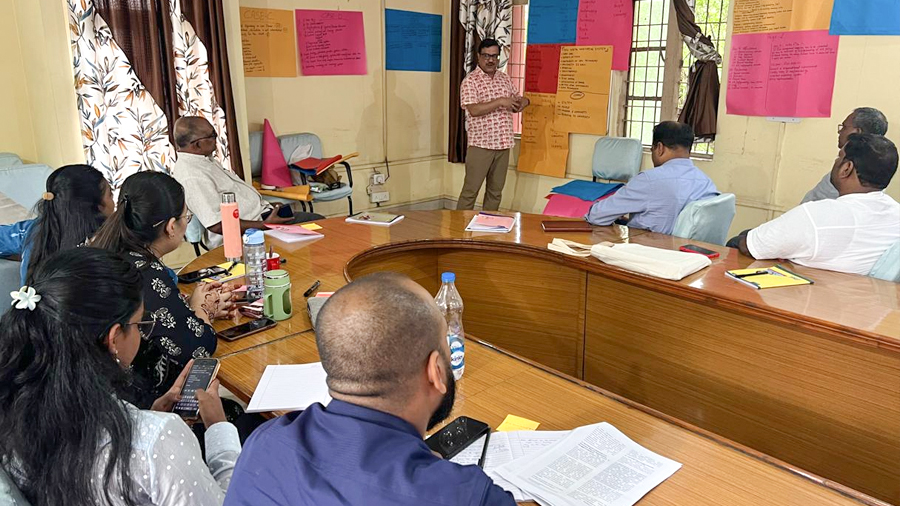
When NGOs Grow, What Breaks First? Caritas India Tackles the Answer in Raipur
Three-day workshop arms executive leaders with governance tools, a 20-policy framework and practical fixes for...
LEARN MORE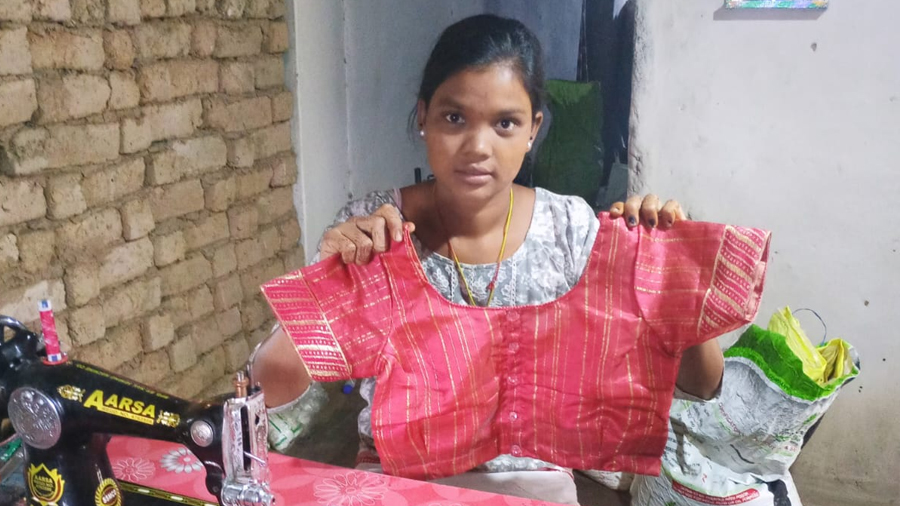
Nine Kilometres Through the Jungle: How Poornima Stitched Her Own Future
For 19 year old Poornima Rawat of Rajamma village in Lailunga block of Chhattisgarh's Raigarh...
LEARN MORE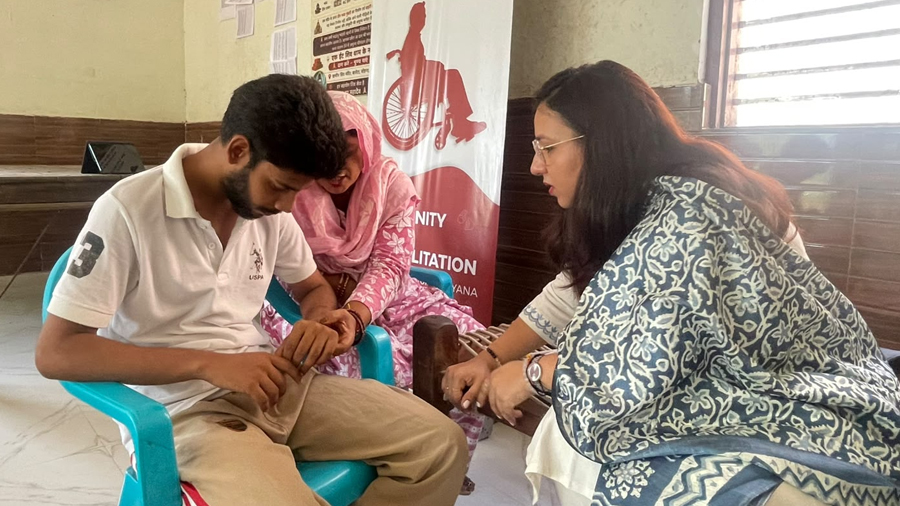
In a Nuh Village, People Living With Mental Illness Finally Got to Speak, and Be Heard
Nine people sat in that room in Barota village, Nuh district, Haryana, each carrying a...
LEARN MORE 91 -11 - 23362735
  director@caritasindia.org


