
 91 -11 - 2336 3390
  director@caritasindia.org
 When a Village Stopped Waiting to Be Saved and Started Saving Itself
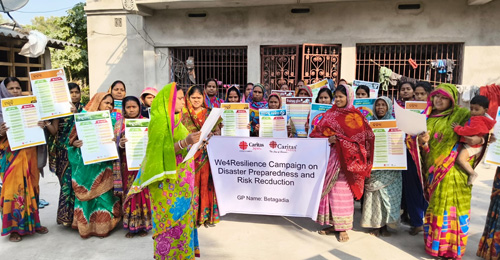
In Balasore, Odisha, disasters are not distant threats. They arrive every season. In 2023, lightning alone killed more than 100 people in the district. Across India, disaster fatalities have risen by nearly 269% over the past 25 years, and 85% of the country’s land area is exposed to at least one natural hazard. Coastal communities like those in Balasore bear a disproportionate share of that burden.
For years, Narayanpur village responded to disasters the way most villages did: by waiting. Waiting for warnings from outside. Waiting for relief to arrive. Waiting for the storm to pass.
That has changed.
Under the project Empowering Communities for Resilience Building in Odisha, implemented by Caritas India with support from Caritas Japan, Narayanpur has become something rare, a community that prepares before the crisis, not after it.
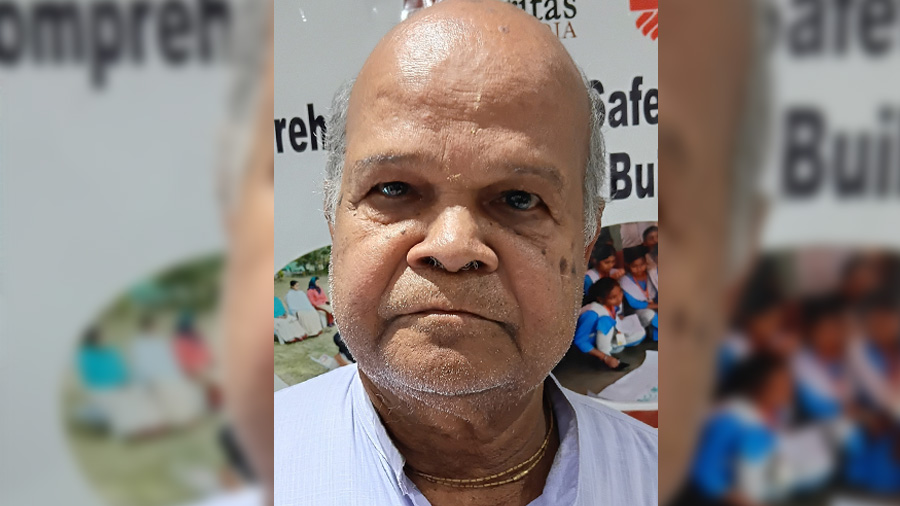
The person most responsible for that shift is Mr. Dhirendranath, a retired schoolteacher and member of the Village Disaster Management Committee. He did not arrive with resources or authority. He arrived with time, patience, and a willingness to go door to door.
After receiving structured training on hazard identification, early warning systems, and emergency response, he helped lead a full revision of the village’s Disaster Management Plan, built through community participation rather than handed down from above. He then took the work further, leading the We4Resilience campaign across five villages, reaching over 1,800 households and approximately 7,400 people, including 180 school children. Sessions were conducted in the local language. The focus was practical: early warning signals, evacuation routes, what to keep ready and why.
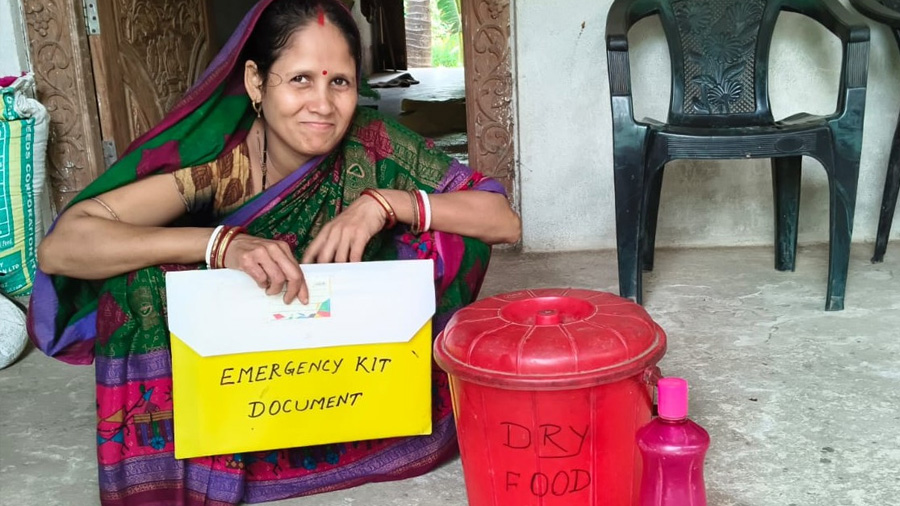
Today, nearly every household in Narayanpur has an emergency kit prepared at home. That is not a small thing. It represents a shift in how people think about risk and their own role in managing it.
“There was a time when every storm brought fear to our doors,” Mr. Dhirendranath says. “Today, we face it with confidence and preparedness. The disasters have not changed, but we have. Now we stand together, ready to protect each other like a family.”
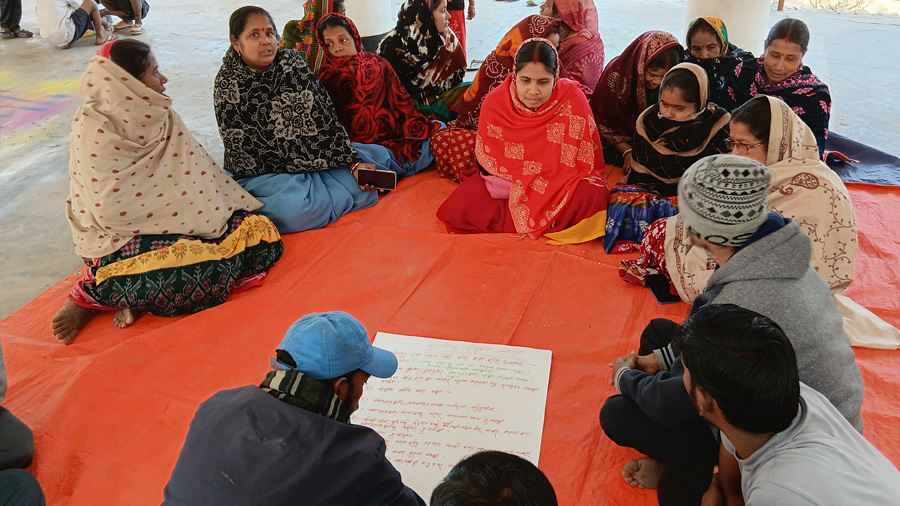
The change is visible in concrete ways. The Village Disaster Management Committee now works directly with the Gram Panchayat, the local health centre, the Agricultural Technology Management Agency, and Block Administration. Through sustained engagement by the committee, the Gram Panchayat set up a public drinking water unit at the village marketplace, which the community now manages itself. Ten vulnerable households received poultry support from ATMA to strengthen their livelihoods. Twenty households have started nutrition gardens with Caritas India’s support, improving food security at the household level.
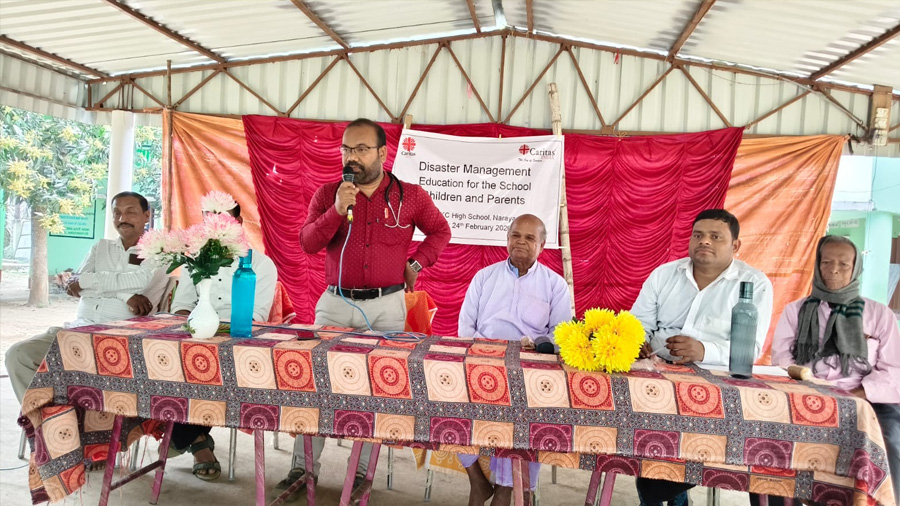
What Narayanpur demonstrates is not complicated, but it is significant. Communities do not need to be rescued if they are prepared. They need investment in local knowledge, local leadership, and the kind of sustained support that builds confidence over time.
When we talk about climate resilience, this is what returns on that investment look like: not dependency, but a village that knows what to do when the next storm comes.
Upcoming News
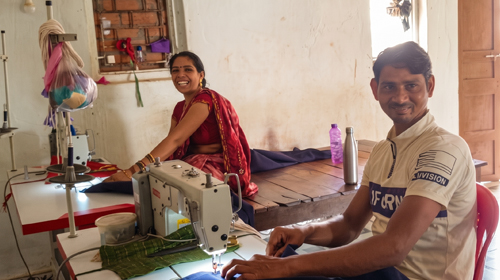
How Family Livelihood Built a Khushaal Bachpan in Bastipara
In Bastipara, a small hamlet of Kevradih village under Sirri Panchayat, Chhattisgarh most families depend...
LEARN MORE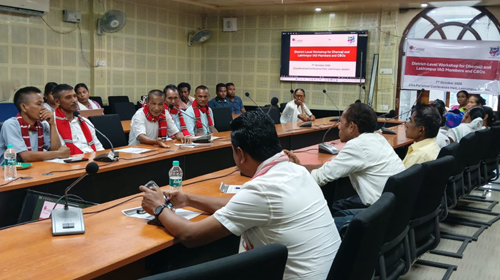
Caritas India Brings IAGs and Community Organizations Together in Assam
As climate change reshapes weather patterns and intensifies disaster risks across Assam, strengthening community preparedness,...
LEARN MORE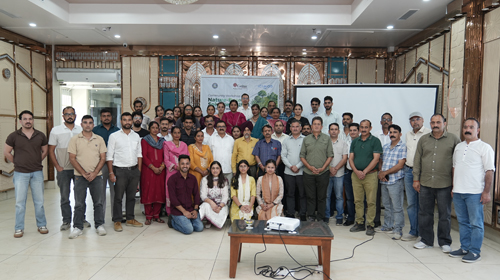
Dharampur Workshop Hands Flood Protection Works to the Community
Sixty three people gathered in Jahu with one question to settle. Who will look after...
LEARN MORE 91 -11 - 23362735
  director@caritasindia.org


