
 91 -11 - 2336 3390
  director@caritasindia.org
 How Collective Action Transforms Tribal Irrigation in Chhattisgarh
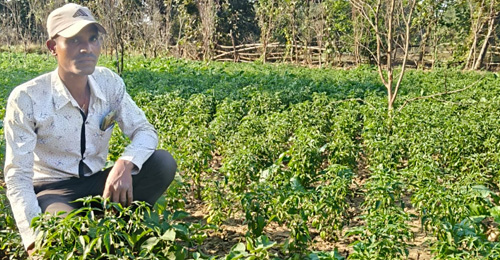
Collective action, local leadership, and smart use of existing assets have turned a once seasonal drain into a year-round lifeline for tribal farmers in Kusumkasa and Salhekusumkasa in Rajnandgaon district, Chhattisgarh. Supported by Caritas Australia and implemented through Caritas India’s Gram Nirman project, the initiative shows how an Asset-Based Community Development (ABCD) approach can unlock sustainable irrigation, reduce costs, and strengthen farmer institutions in rainfed areas.
For generations, agriculture here depended on a narrow drain that carried water only during the monsoon. Farmers could manage a single Kharif paddy crop and then watch their fields lie idle once the rains stopped. Diesel pumps were an expensive stopgap, and rising fuel prices quickly ate into already slim margins. “The water came only with the rains. After that, our fields stayed empty. We had land, but no way to use it,” recalls Baldev Komre from Salhekusumkasa.
When the Gram Nirman project began working with these villages, the team did not start with external inputs but with what people already had: land, a seasonal water channel, traditional institutions, and an active Gram Sabha. Through asset mapping exercises and village meetings, farmers collectively identified the drain and surrounding commons as shared strengths that could be enhanced rather than bypassed. This shift from needs to strengths became the foundation of an ABCD process.
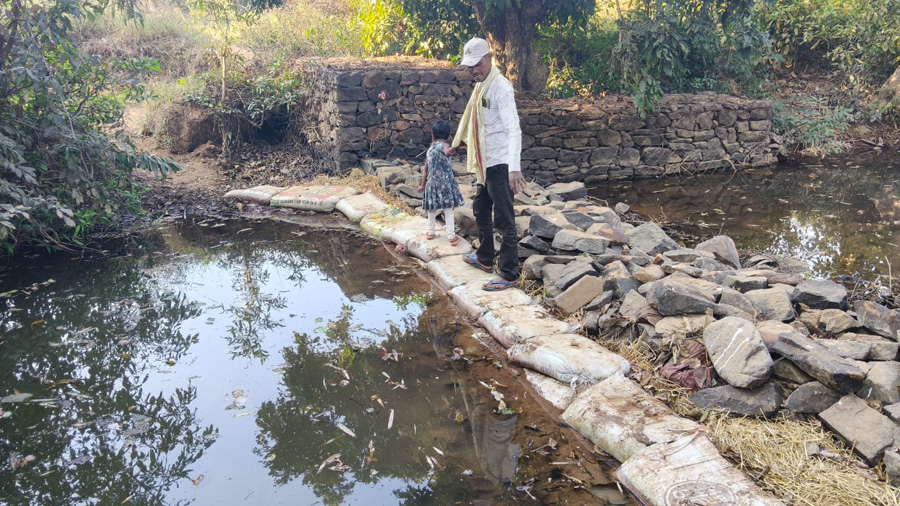
The first breakthrough came when the Gram Sabha prioritised a boulder check dam on the drain under MGNREGA, extending water retention well beyond the monsoon months. Once water began to stay longer, farmers turned to the next barrier: electricity. Earlier, individuals had approached departments alone for irrigation connections, often returning disappointed. This time, ten households from Salhekusumkasa and eleven from Kusumkasa went together through the Gram Sabha, submitting joint applications for agricultural electricity and agreeing to contribute labour and local materials where needed.
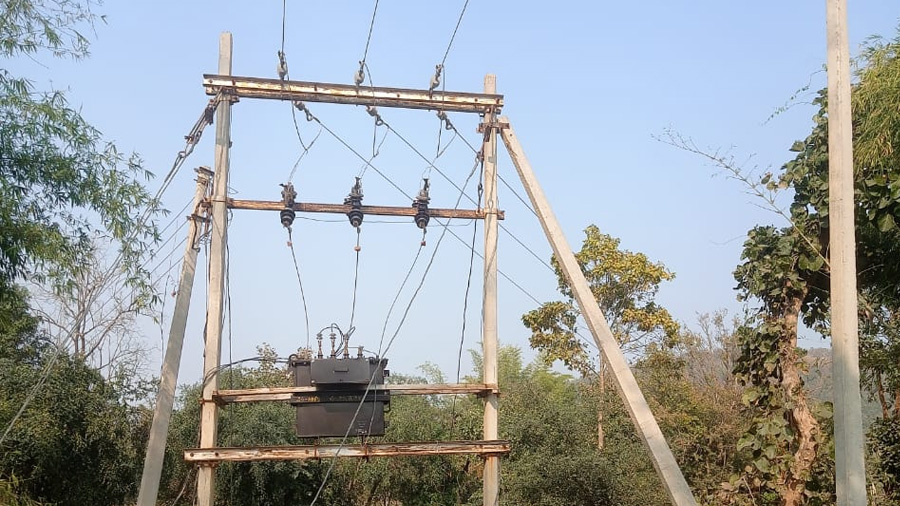
Their collective effort paid off. In 2024, seven transformers were installed, and electricity poles were extended along the drain side fields, providing power for pump sets across both villages. Twenty-one tribal farmers received meters and pump connections and, as eligible agricultural consumers, accessed free power for irrigation. “Earlier, we went alone, and nothing happened. This time we went together, and the department listened,” shares farmer leader Brijlal Komre from Kusumkasa. Reliable electricity turned the seasonal drain into a practical, affordable source of water.
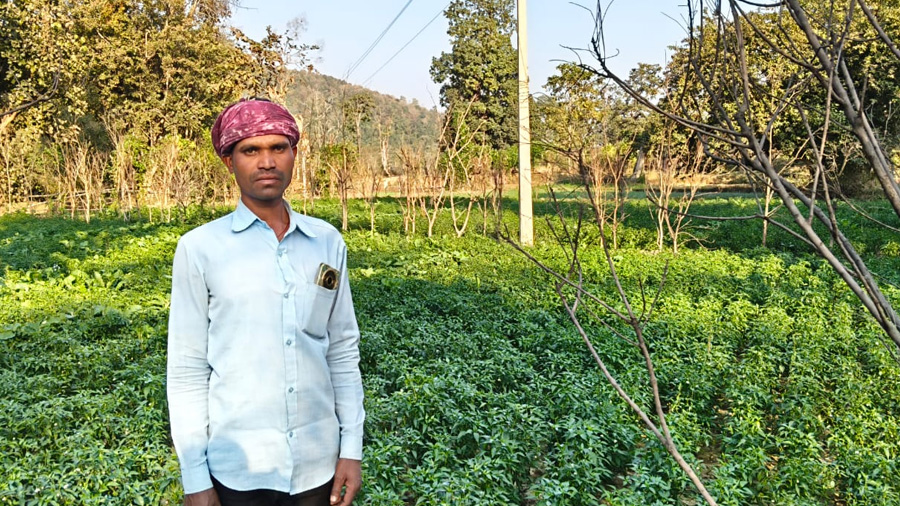
Alongside the infrastructure, farmers themselves took responsibility for managing the new asset. They strengthened field embankments, created sack bunds to hold water, and agreed on crop plans so that irrigation could be shared fairly across the command area. Inspired by similar collective irrigation efforts documented in other parts of India, they set basic rules for pump use, maintenance, and contributions for repairs. Women and youth participated actively, ensuring decisions reflected the needs of smaller and more vulnerable households.
The impact is visible in the fields. Where only one paddy crop grew earlier, farmers now cultivate vegetables and mixed crops well into March, diversifying both diets and incomes. Nutritional security has improved as families consume more fresh produce and reduce their dependence on purchased vegetables. Stable irrigation has also reduced distress migration, as households see viable prospects in their own villages.
The Kusumkasa and Salhekusumkasa experience stands as a clear example of ABCD in practice. Instead of waiting for a project to deliver ready-made solutions, farmers organised around their own strengths, leveraged government schemes, and took ownership of infrastructure and governance. With support from Caritas Australia, Gram Nirman has shown how convergence, collective action, and community leadership can turn a fragile, rain-dependent landscape into a more resilient and sustainable farming system for tribal families in Rajnandgaon.
Upcoming News
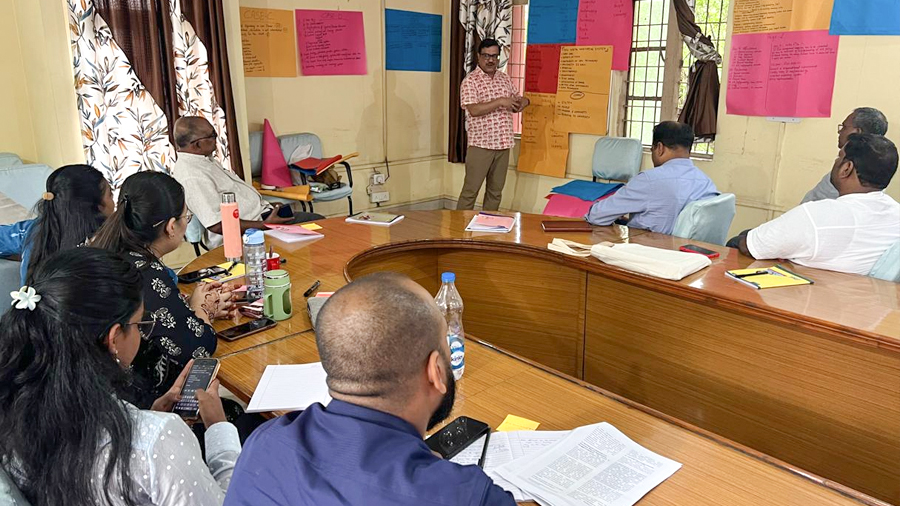
When NGOs Grow, What Breaks First? Caritas India Tackles the Answer in Raipur
Three-day workshop arms executive leaders with governance tools, a 20-policy framework and practical fixes for...
LEARN MORE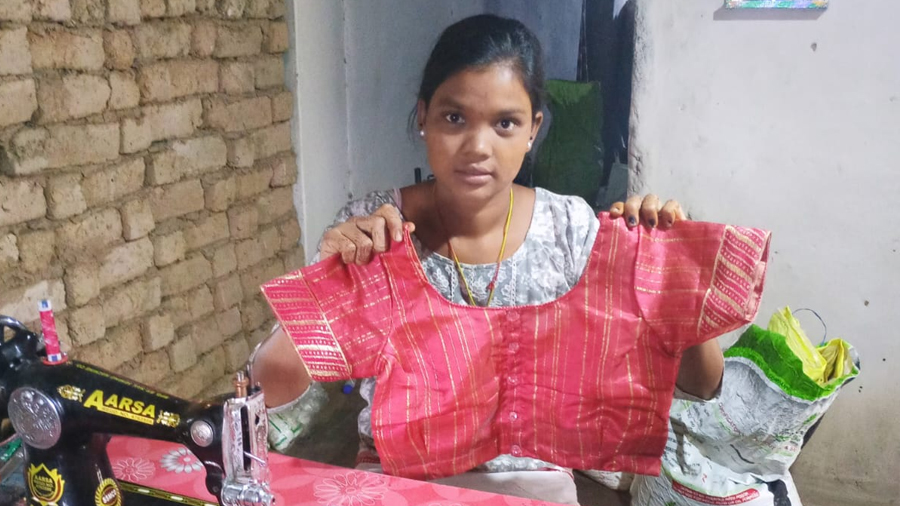
Nine Kilometres Through the Jungle: How Poornima Stitched Her Own Future
For 19 year old Poornima Rawat of Rajamma village in Lailunga block of Chhattisgarh's Raigarh...
LEARN MORE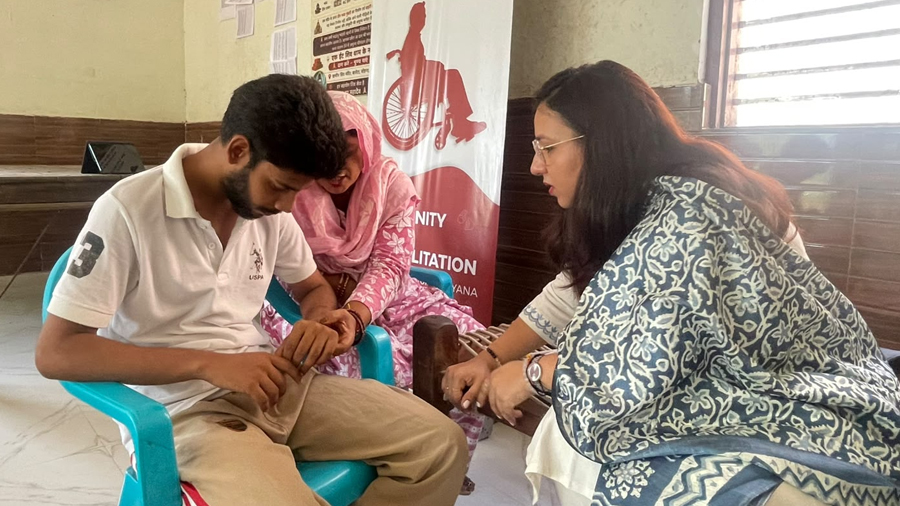
In a Nuh Village, People Living With Mental Illness Finally Got to Speak, and Be Heard
Nine people sat in that room in Barota village, Nuh district, Haryana, each carrying a...
LEARN MORE 91 -11 - 23362735
  director@caritasindia.org


