
 91 -11 - 2336 3390
  director@caritasindia.org
 Sangam women producers group turns local trade into economic resilience
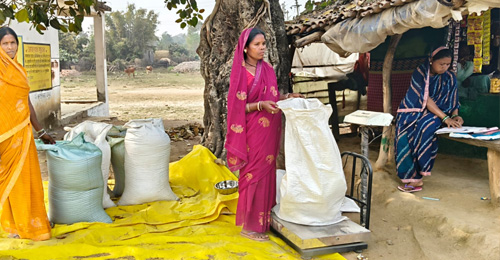
Kusumkasa village in Rajnandgaon district is quietly reshaping how rural women earn, trade, and lead. The Sangam Women Producers Group, supported by Caritas India’s gram nirman programme, has moved beyond savings activities to build a women-led community enterprise rooted in local produce, forest resources, and collective decision-making.
The journey began in 2021 when the gram nirman programme was introduced in Kusumkasa. An asset-based community development exercise helped villagers map local strengths and identify women as central social and economic assets. This marked a clear shift. Women were no longer seen as recipients of support. They became drivers of change. Structured capacity building followed, covering savings and financial discipline, record keeping and bookkeeping, diversified farming, livestock rearing, non timber forest produce, alternative livelihoods, and access to government schemes, with a strong focus on women and youth leadership.
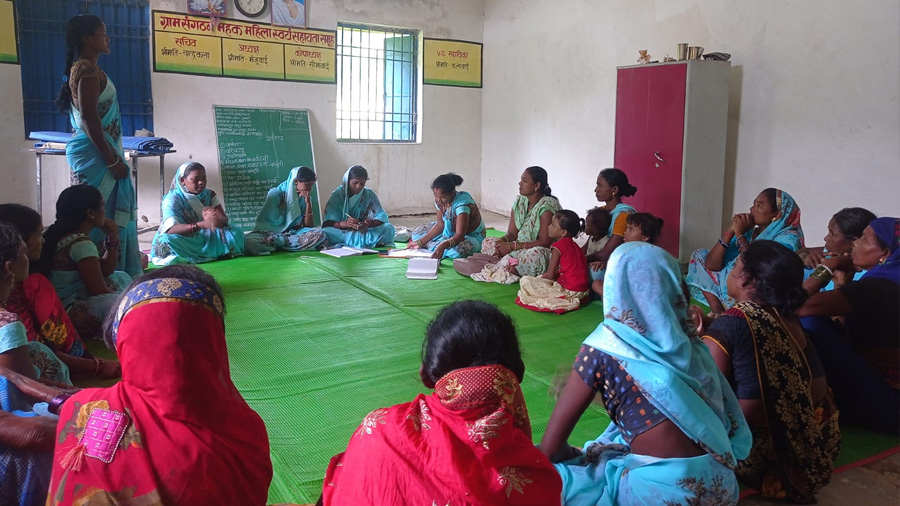
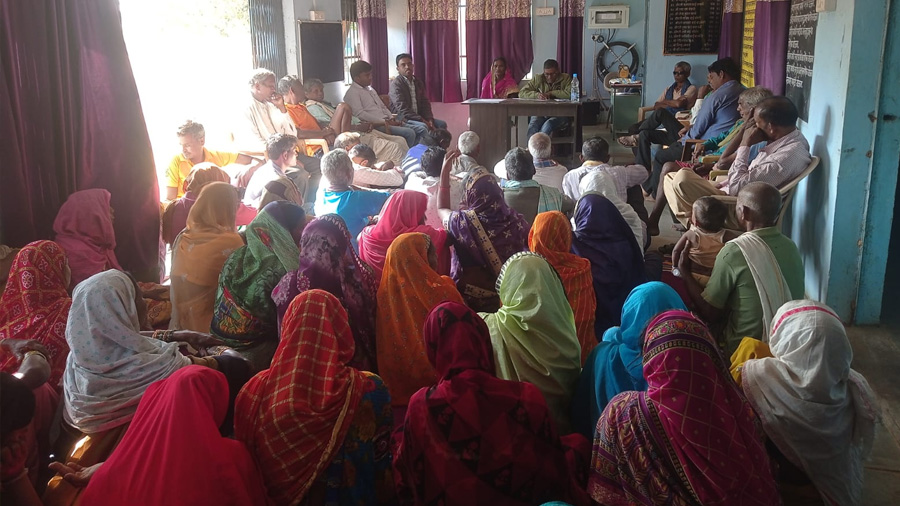
Momentum built in December 2023 during a gram nirman meeting focused on women’s empowerment and livelihood improvement. The discussion made one thing clear. Individual efforts were not enough. Collective models were needed to unlock real income potential from existing village resources. Three women stepped forward and formed the Sangam Women Producers Group to collectively purchase and sell local produce. The group registered under the bihan programme of the Chhattisgarh state rural livelihoods mission and opened a bank account, formalising its operations. In March 2024, a gram sabha meeting with the forest department formally endorsed women’s participation in forest produce management and local trade, clearing the path for business activity.
Until then, the group’s work had largely centred on mutual lending, useful but limited in scale. The shift came in April 2025 with the launch of a weekly market outlet in the village square. Trading berries, tamarind, and mahua in the initial phase, the group generated a turnover of ₹61,600. To strengthen operations, the gram nirman programme provided weighing machines, scales, and baskets in July 2025. Confidence grew. By December 2025, the group expanded into rotational paddy procurement and sales, achieving a business volume of ₹10.12 lakh through the trade of 44 quintals of paddy.
Income from these activities now supports agricultural inputs, children’s education, healthcare, and household needs. Just as important is what has changed beneath the numbers. For tribal and rural women in Kusumkasa, the group has reduced the hidden cost of time. Women who once spent long hours in unpaid farm work, forest collection, and domestic labour now earn locally. Seasonal migration for low paid work is no longer the default option.
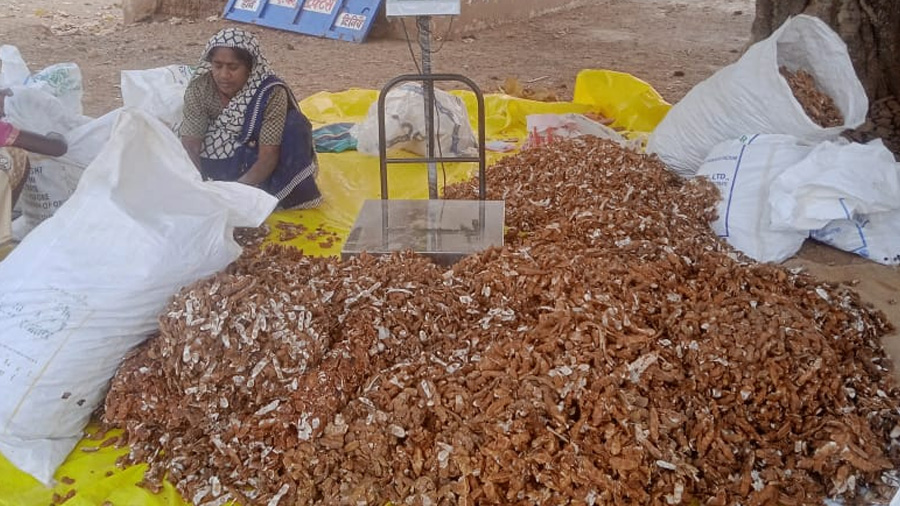
Collective trade has allowed women to convert skills, labour, and ecological knowledge into higher value economic activity while remaining rooted in their community. Women’s earnings have shown a strong multiplier effect, improving nutrition, health, education, and agricultural investment at the household level.
From a development perspective, the model addresses structural barriers common in rural economies. Collective procurement reduces dependence on middlemen. Local trade keeps value within the village. Registration and banking improve institutional inclusion. Risk is shared in a context vulnerable to climate and market shocks. Productivity rises. Resilience deepens.
The gram nirman programme is implemented by Caritas India in partnership with Caritas Australia, blending grassroots presence with technical and programmatic support. The progress of the Sangam Women Producers Group shows how this collaboration translates principles into action.
Encouraged by their success, the women of Kusumkasa plan to expand operations and register the group as a community-owned institution. The goal is clear. Keep trade local. Keep women at the centre. Build resilience that lasts.
Upcoming News
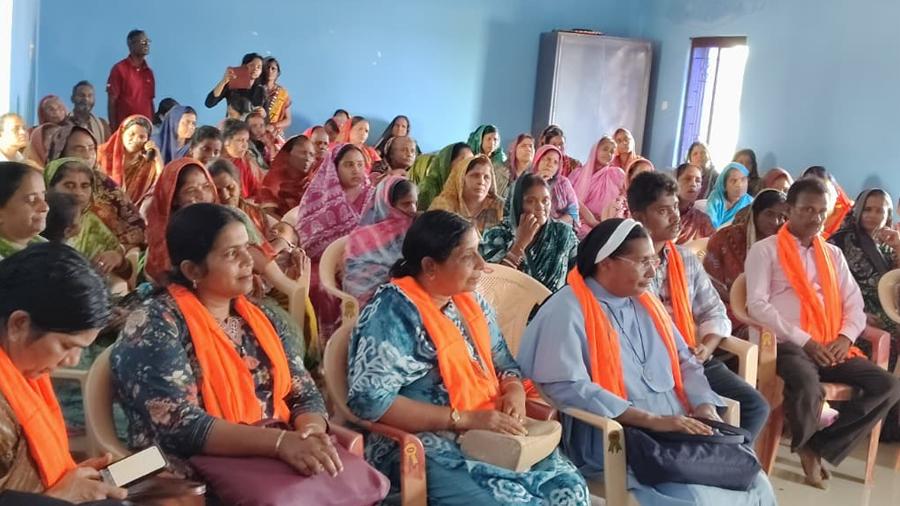
Kerala and Odisha Practitioners Come Together for Workshop on Humanitarian Aid and Disaster Risk Reduction
Disaster risk reduction practitioners from Kerala's Safe Within, Reconnect Wayanad and Vilangad Project travelled to...
LEARN MORE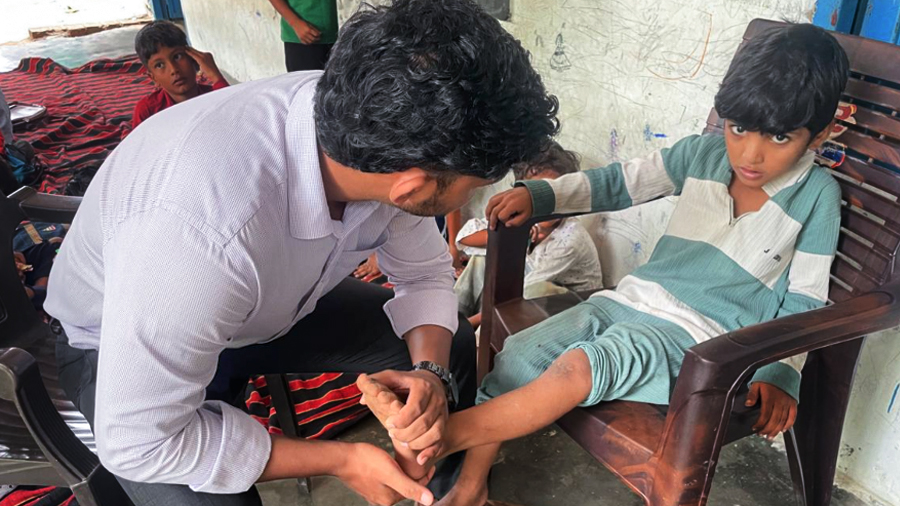
How Faiz Learned to Walk Again with Physiotherapy and Orthotic Support
There is a particular kind of heartbreak in watching your child want to play and...
LEARN MORE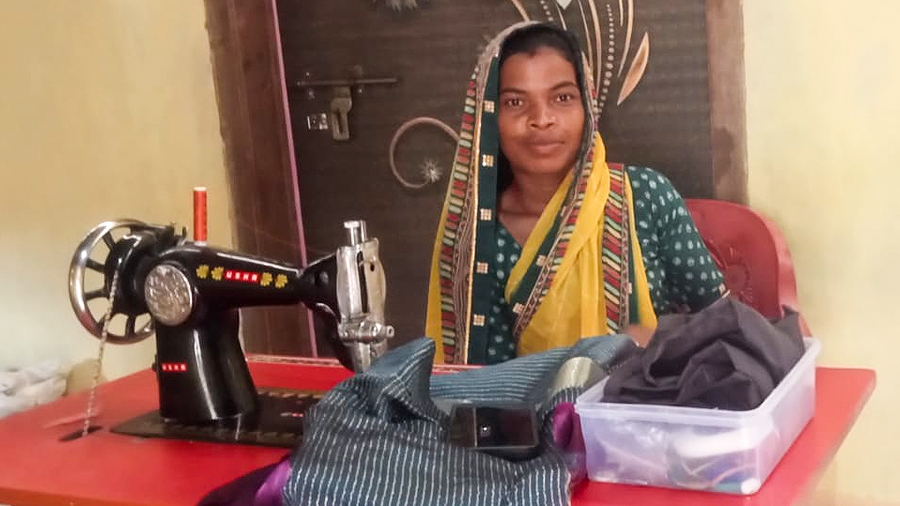
Every Stitch Keeps a Dream Alive
On the day Shiropati paid her children’s school fees from the money she earned through...
LEARN MORE 91 -11 - 2336 3390
  director@caritasindia.org


