
 91 -11 - 2336 3390
  director@caritasindia.org
 How Musangu’s Barren Slopes Became a Living Harvest
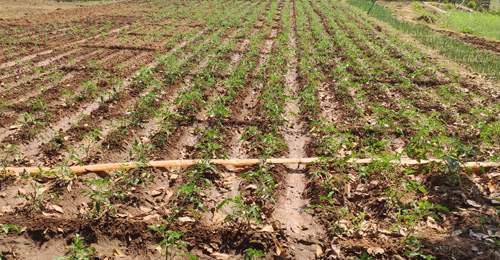
The dense forests of Ranchi’s Angara Block once cast long, somber shadows over the 382 acres of Musangu village, where for generations, the earth felt more like a foe than a friend. In this undulating corner of Jharkhand, nearly 82 acres of land lay trapped under a suffocating chokehold of wild bushes and invasive weeds, brown, brittle, and seemingly “dead.”
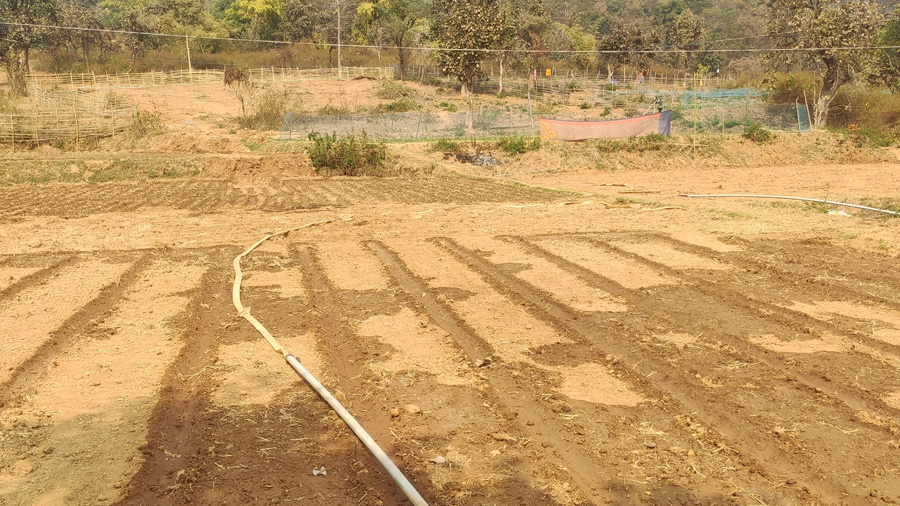
For the 201 tribal households who call Musangu home, this fractured landscape was a constant reminder of their fragility. Agriculture here was a gamble against erratic rains, and with over 80% of the land prone to drought and only 32% having access to irrigation, the harvest was often one of seasonal hunger. This harsh reality forced many to abandon their ancestral soil, migrating to distant cities in a desperate search for survival wages.
The situation in Musangu mirrored a broader agricultural struggle across Jharkhand, where smallholder farmers grapple with fragmented plots of just 4 to 5 acres, acidic soil, and a lack of modern mechanization or institutional credit. Without cold storage or fair market access, the weight of climate variability and traditional gender imbalances in resource management made productivity feel like an impossible dream. However, the narrative began to shift fundamentally in 2021 with the introduction of the Gram Nirman intervention. Supported by the dedicated partnership of Caritas Australia, the community was introduced to the Asset-Based Community-Driven Development (ABCD) approach. This was not a lecture on what the villagers lacked; it was a mirror held up to what they already possessed.
The ABCD exercise acted as a catalyst for a profound psychological reclamation. Through intense participatory dialogue and field-level analysis, the community stopped viewing the 16 acres of thorny brushland as a wasteland and started seeing it as a dormant asset. This “inside-out” philosophy empowered 35 pioneering farmers to unite, utilizing their collective labor as their primary capital. Armed with little more than hand tools and shared vision, they cleared the invasive vegetation that had choked the earth for decades. This act of community cooperation successfully brought those 16 acres back into the plow, expanding the village’s total cultivable footprint from 300 to 316 acres.
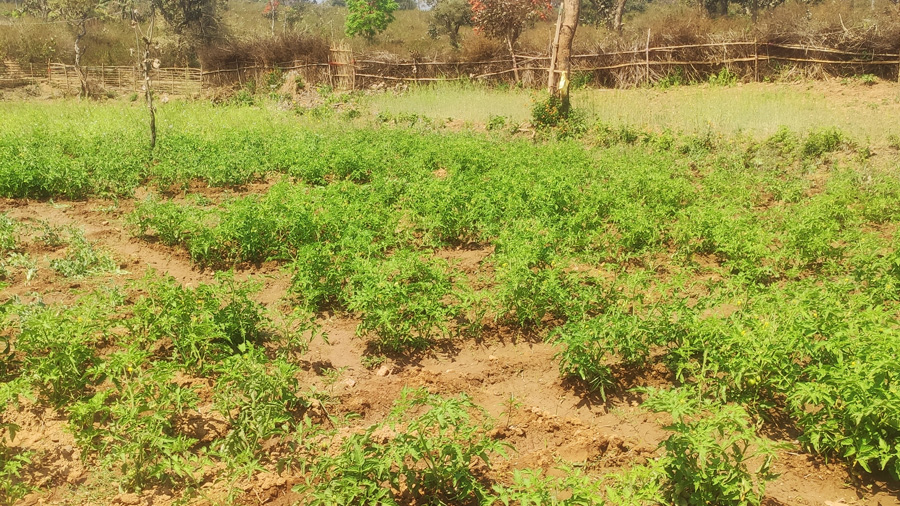
The transformation soon blossomed into a vibrant display of land-use diversification. Ten farmers looked to the formerly “unsuitable” uplands and established thriving mango orchards across 10 acres, creating long-term climate resilience and a legacy for the next generation. Simultaneously, 20 farmers recognized the surging market demand for traditional commodities and planted lac host trees on three acres, tapping into a high-value industry native to the region. The newly cleared lowlands became a palette of colors as five farmers began cultivating a “food basket” of high-value cash crops, including tomatoes, chillies, brinjals, okra, and green peas.
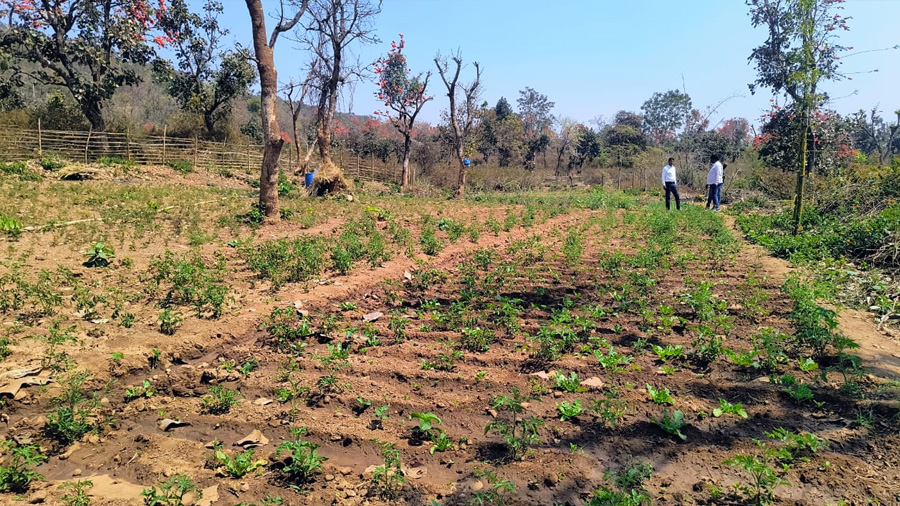
Five years into this journey, the impact is visible in the very health and stability of Musangu’s families. The intervention has fundamentally improved household food security; where families once relied on precarious seasonal staples, they now enjoy a diverse and nutritious diet grown in their own fields, drastically reducing their dependency on expensive markets. This shift has trickled down into the local economy, where the sale of surplus fruits and vegetables has generated a steady stream of cash income. Consequently, household savings have surged, effectively severing the community’s reliance on predatory private moneylenders and fostering a newfound financial stability.
Beyond the economic metrics, the intervention has strengthened the invisible threads of community confidence and collective action. The seasonal exodus that once drained the village of its youth has slowed significantly, as families now find dignity and a sustainable livelihood at home. By converting barren land into productive assets through the power of the ABCD approach, Musangu has evolved from a site of seasonal distress into a flourishing model of self-reliance. This success story now stands as a blueprint for the drought-prone regions of Jharkhand, proving that when local knowledge is met with technical guidance and community spirit, even the most forgotten earth can be made to bloom.
Upcoming News
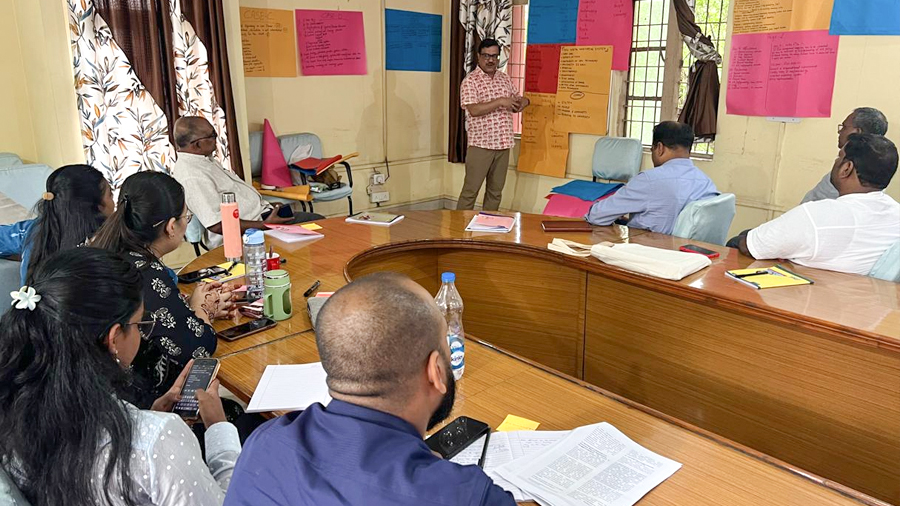
When NGOs Grow, What Breaks First? Caritas India Tackles the Answer in Raipur
Three-day workshop arms executive leaders with governance tools, a 20-policy framework and practical fixes for...
LEARN MORE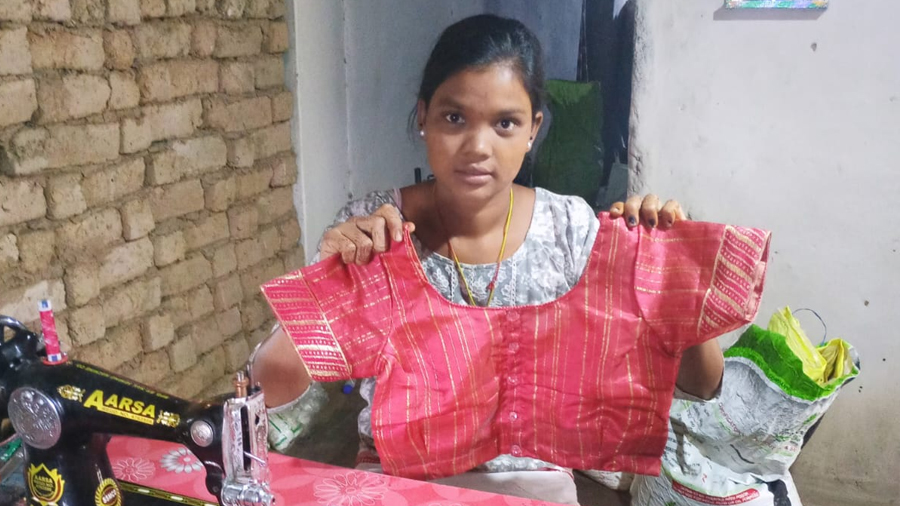
Nine Kilometres Through the Jungle: How Poornima Stitched Her Own Future
For 19 year old Poornima Rawat of Rajamma village in Lailunga block of Chhattisgarh's Raigarh...
LEARN MORE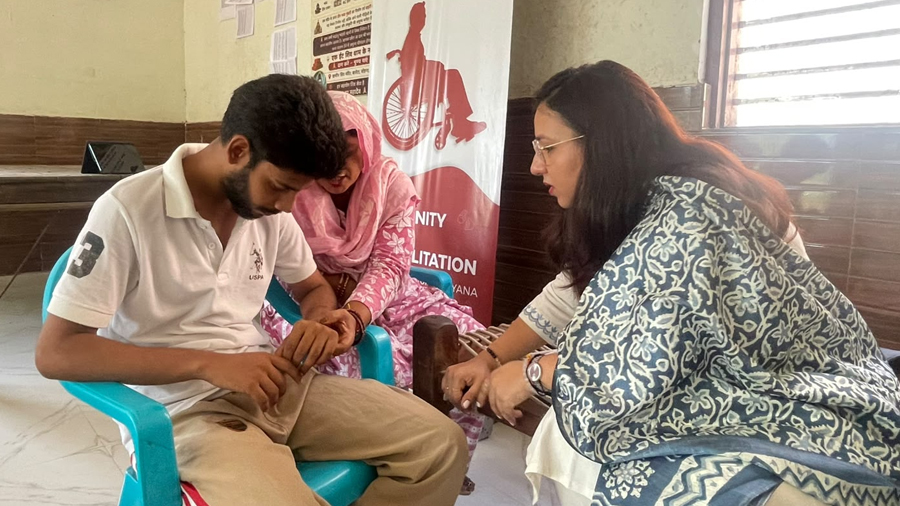
In a Nuh Village, People Living With Mental Illness Finally Got to Speak, and Be Heard
Nine people sat in that room in Barota village, Nuh district, Haryana, each carrying a...
LEARN MORE 91 -11 - 23362735
  director@caritasindia.org


