
 91 -11 - 2336 3390
  director@caritasindia.org
 Caritas India Marks World Thalassemia Day with Grassroots Awareness Drive
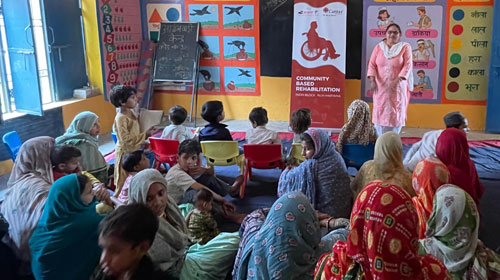
Every year, approximately 10,000 to 15,000 children in India are born with thalassemia major — a serious, lifelong blood disorder that demands relentless medical care and places enormous emotional and financial strain on families. Yet, for many communities, particularly in rural and semi-urban India, the disease remains deeply misunderstood, and the silence around it can cost lives.
On World Thalassemia Day 2025, observed under the global theme “Together for Thalassaemia: Uniting Communities, Prioritising Patients,” Caritas India joined hands with healthcare professionals and community workers to bring this critical conversation directly to the people who need it most.
At the Community Health Centre (CHC) in Rozka Meo on May 8, 2026, a dedicated awareness session was organized, drawing together a diverse group committed to change. Dr. Rajesh, CHO/Physician at the centre, led the session alongside two ANMs and two ASHA workers — the backbone of India’s grassroots health ecosystem. Thirty community members participated, many of them parents, young couples, and local influencers whose choices today will shape the health of the next generation.
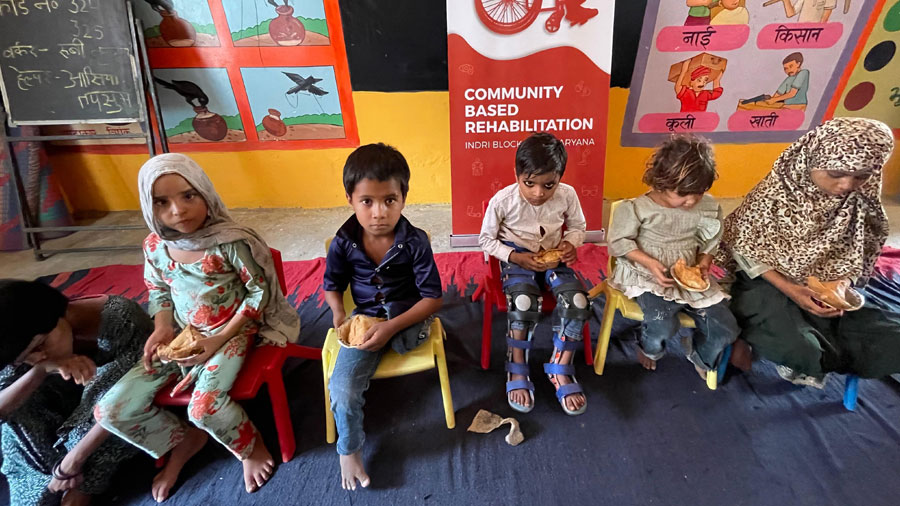
The session addressed what remains one of India’s most pressing public health challenges. With an estimated 1,00,000 to 1,50,000 patients currently living with thalassemia major and nearly 3–4% of the Indian population carrying the thalassemia gene, the need for informed communities has never been greater.
The program focused on four pillars of thalassemia prevention and care:
- Early Screening: Participants were encouraged to undergo simple blood tests that can detect carrier status — a low-cost, accessible step that can prevent the transmission of the disorder to children.
- Premarital and Antenatal Screening: Community members were sensitized to the critical importance of screening before marriage and during pregnancy. When both parents carry the thalassemia gene, there is a one-in-four chance that their child will inherit thalassemia major — a risk that timely genetic counselling can help families understand and navigate.
- Access to Government Health Services: The health team highlighted existing government schemes and public health infrastructure available to families, ensuring that prevention and treatment are not seen as burdens borne alone.
- Community Responsibility: Perhaps most powerfully, the session reframed thalassemia not as a private family struggle, but as a shared community concern — one where collective awareness, compassion, and action can reduce stigma and support affected individuals.
Behind every statistic is a family. Children with thalassemia major require regular blood transfusions, often every two to three weeks, for the rest of their lives. Iron chelation therapy, specialist care, and hospitalizations place heavy demands on caregivers. Early diagnosis and prevention are not just medical imperatives, they are acts of human solidarity.
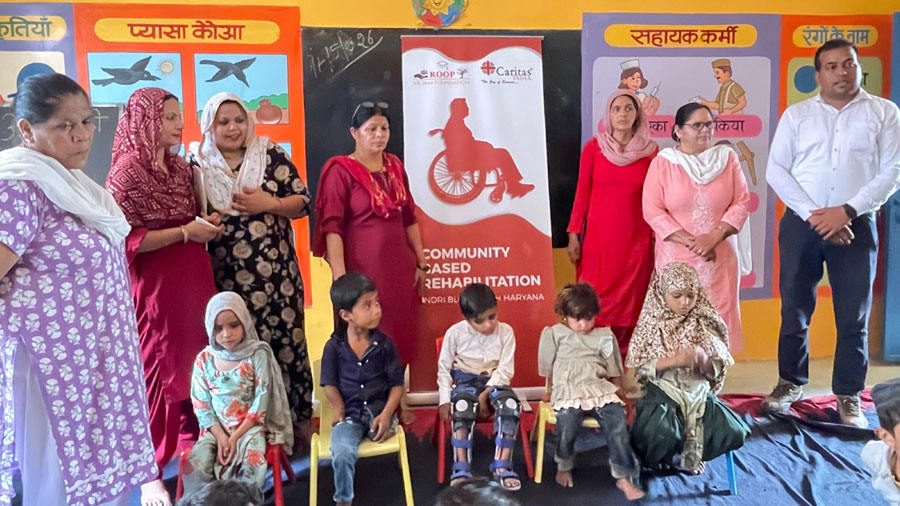
The Rozka Meo session is a reminder that community-level engagement remains one of the most powerful tools in this fight. ASHA workers and ANMs, trusted messengers within their communities, are uniquely positioned to normalize screening conversations in homes and neighbourhoods where formal health literacy may be limited.
This awareness programme was made possible through the generous support of Highway Roop Precision Technologies Ltd, whose commitment to community health reinforces the vital role that corporate responsibility plays in strengthening India’s public health fabric. Partnerships between civil society, healthcare systems, and the private sector are essential to scaling awareness and ensuring no community is left behind.
Thalassemia is preventable. With the right knowledge, timely screening, and compassionate community support, the cycle of transmission can be broken. Caritas India urges NGOs, government bodies, CSR partners, and civil society organisations to amplify awareness, invest in community health education, and champion equitable access to screening and treatment across India.
Upcoming News
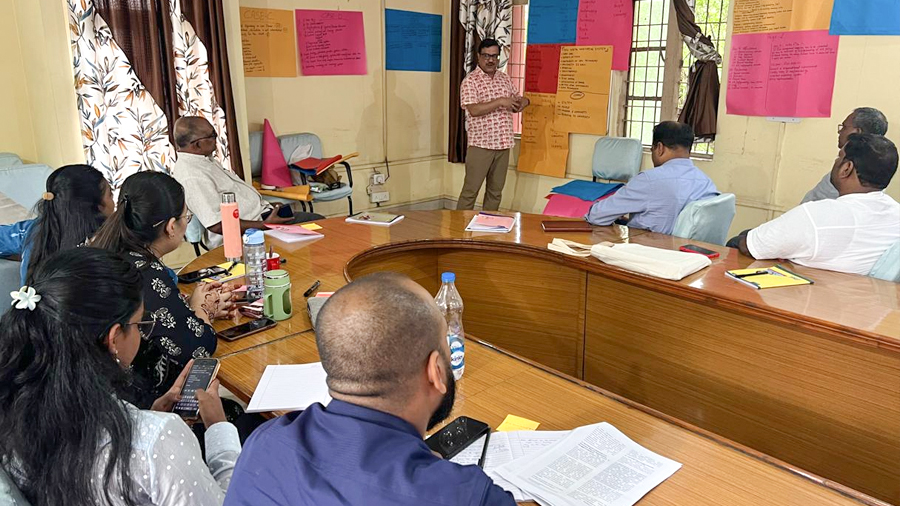
When NGOs Grow, What Breaks First? Caritas India Tackles the Answer in Raipur
Three-day workshop arms executive leaders with governance tools, a 20-policy framework and practical fixes for...
LEARN MORE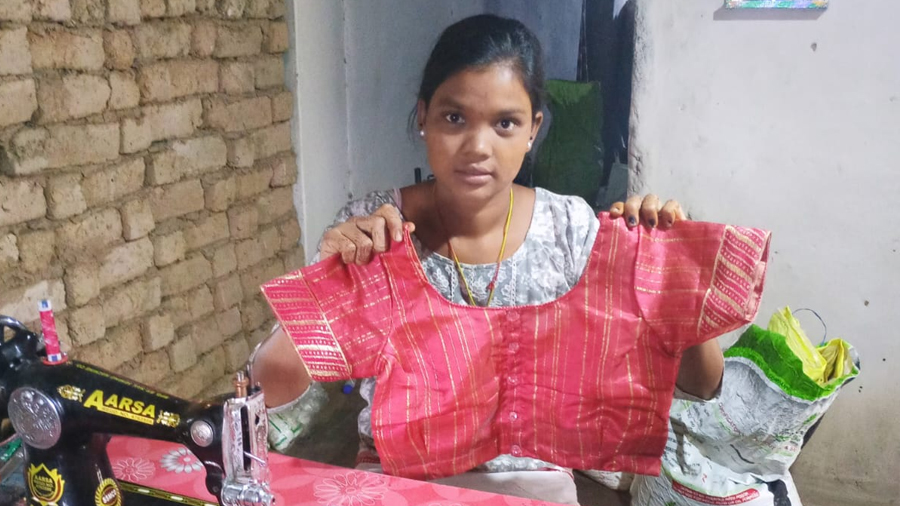
Nine Kilometres Through the Jungle: How Poornima Stitched Her Own Future
For 19 year old Poornima Rawat of Rajamma village in Lailunga block of Chhattisgarh's Raigarh...
LEARN MORE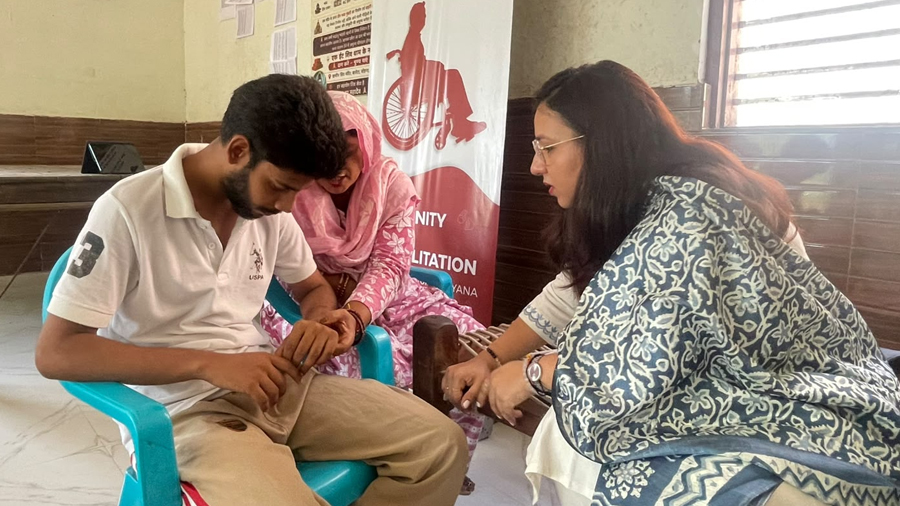
In a Nuh Village, People Living With Mental Illness Finally Got to Speak, and Be Heard
Nine people sat in that room in Barota village, Nuh district, Haryana, each carrying a...
LEARN MORE 91 -11 - 23362735
  director@caritasindia.org


