
 91 -11 - 2336 3390
  director@caritasindia.org
 Caritas India Is Building an Army of Safeguarding Champions. Gorakhpur Is Where It Started
There is a question that organizations working with vulnerable communities rarely ask out loud: who protects the people doing the protecting?
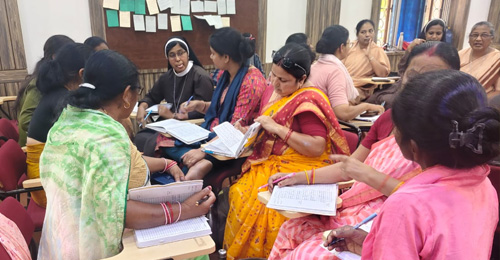
It is not a comfortable question. But it is the right one. And in Gorakhpur, over two days at the end of April, more than a dozen frontline workers from Caritas India and its partner organizations sat down to find an answer together.
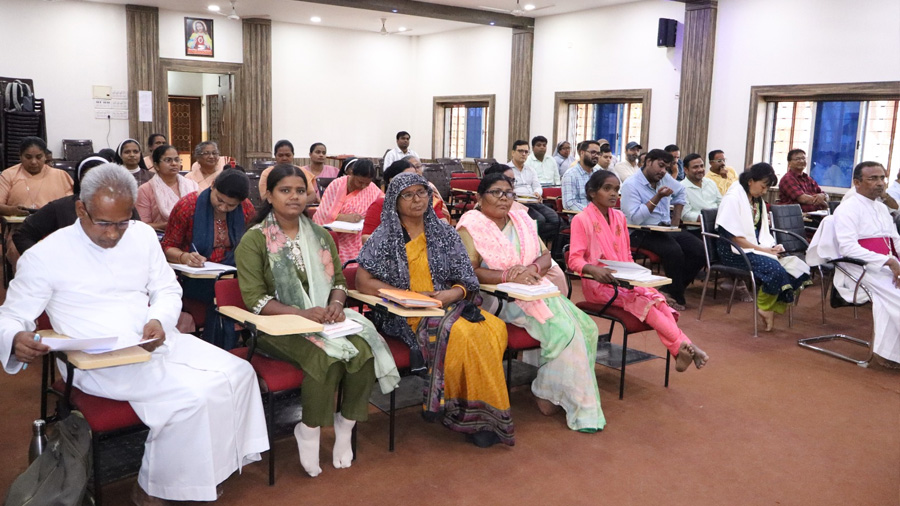
From 30th April to 2nd May 2026, Caritas India, in collaboration with the UKSVK Forum and Purvanchal Gramin Seva Samiti (PGSSS), organized a two-day Safeguarding Module 1 training in Gorakhpur. The participants were staff and affiliated members working directly with children and vulnerable communities across Uttar Pradesh. The goal was not to circulate a policy document or run through a compliance checklist. It was to build a room full of people who genuinely understand what safeguarding means, why it matters, and what they are personally responsible for.
Rev. Bishop Mathew Nellikunnel CST set the tone in his keynote address. “Safeguarding is not limited to women or children,” he said. “It is meant for everyone.” He reminded participants that safety is both a right and a responsibility, and that the real purpose of the training was to develop people who could carry this knowledge back to their teams and communities as trainers themselves.
That framing mattered. This was not a lecture. It was a handoff.
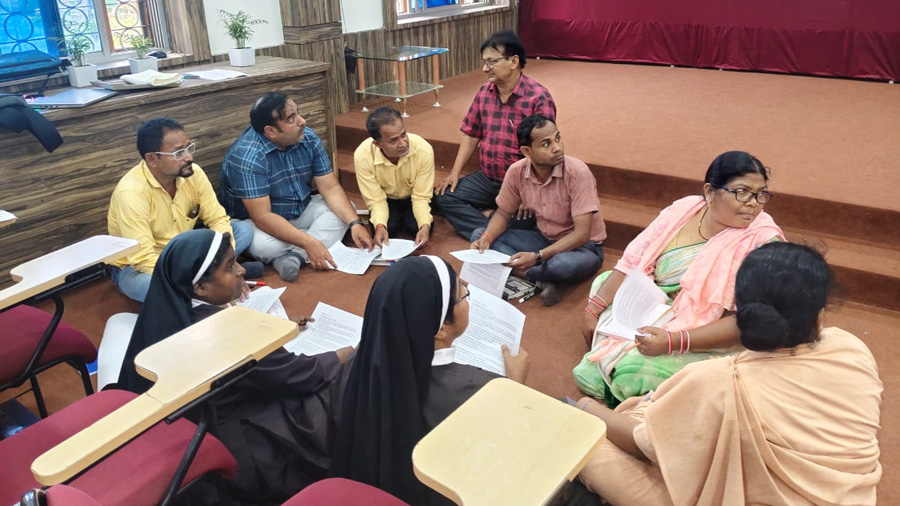
The sessions that followed were deliberately practical, led by Trainers of Trainers from the UP region who had already completed the first and second levels of safeguarding training. Sr. Usha Samual from the SRA Congregation in Varanasi guided participants through the cultural undercurrents that often make safeguarding complicated: the myths that go unchallenged, the silence that gets normalized, the everyday behaviors that communities accept without question. One participant reflected afterward that the session on culture had been an eye-opener, realizing that something as routine as scolding a child in front of others can quietly erode their sense of dignity and safety.
Sr. Viday Londhe from the UKSVK Forum broke down safeguarding terminology and the practical role of a Code of Conduct in shaping staff behavior day to day. Sr. Mahima Antony from the SRA Congregation walked the group through how to identify signs of physical, emotional, and sexual abuse, and explained what a functioning safeguarding ecosystem actually looks like when policies are put into practice.
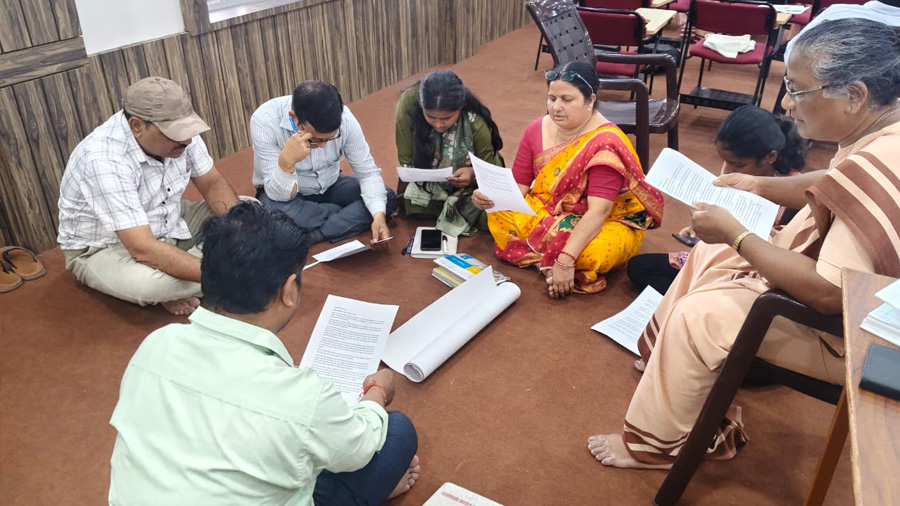
The training did not stop at organizational policy. Fr. Pious Menezes, Director of Bareilly DSSS, connected safeguarding principles directly to Indian civil law, including the POCSO Act, the JJ Act, the POSH Act, Child Marriage Act, Labour Laws, and the Right to Education Act. Participants were oriented on mandatory reporting procedures, support structures available through juvenile units at police stations, and the POCSO e-Bal Nidan platform. The legal grounding gave participants a clearer sense of what accountability looks like beyond their organization’s internal framework.
One moment from the training captured something important about how assumptions can quietly undermine a safe workplace. A participant shared that they had always considered cameras in the office a violation of privacy. The training reframed that entirely: when used appropriately, such measures can protect staff, including against false or malicious complaints. It was a small shift in perspective, but the kind that changes how people think about institutional responsibility.
Mr. Ashish Kumar from Lucknow DSSS introduced vulnerability assessment and its parameters through a case study that participants said closely reflected situations from their own experience. Fr. Shaji Francis, Director of PGSSS Gorakhpur, closed the training with a reflection that stayed with the room: compassion without accountability is not enough. Good intentions must be backed by informed, principled action.
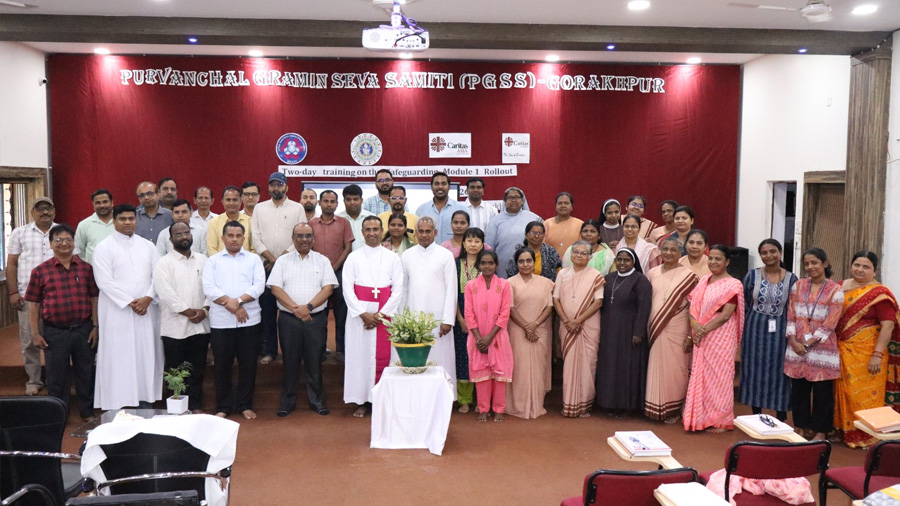
The training concluded with participants developing a clear action plan. Commitments were made around implementing safeguarding policies, strengthening reporting mechanisms, promoting behavior change, and building an institutional culture where staff, children, and communities feel genuinely safe to speak up.
For the organizations present, the work does not end with a two-day training. It begins there. Safeguarding is not a module to be completed. It is a commitment that has to be renewed every day, in every interaction, at every level of an organization.
Gorakhpur was a start. The question now is what each participant does with what they learned when they walk back into their communities.
Upcoming News
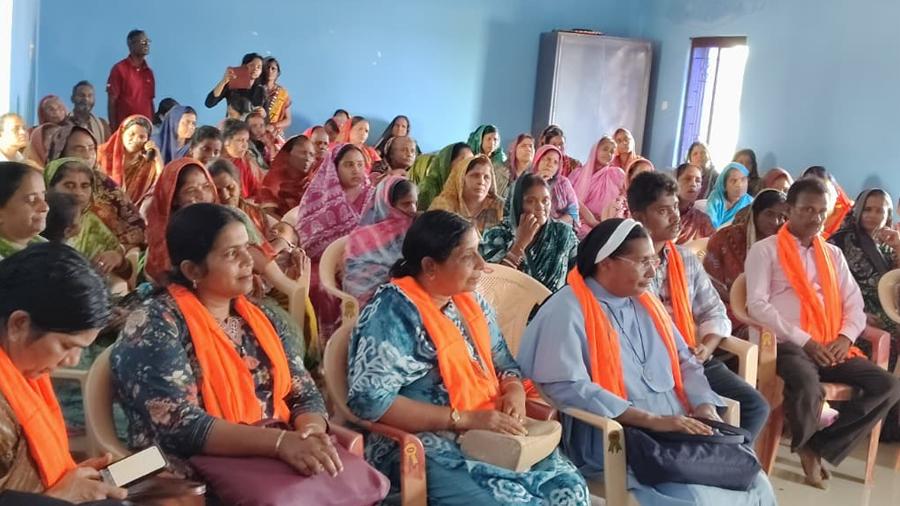
Kerala and Odisha Practitioners Come Together for Workshop on Humanitarian Aid and Disaster Risk Reduction
Disaster risk reduction practitioners from Kerala's Safe Within, Reconnect Wayanad and Vilangad Project travelled to...
LEARN MORE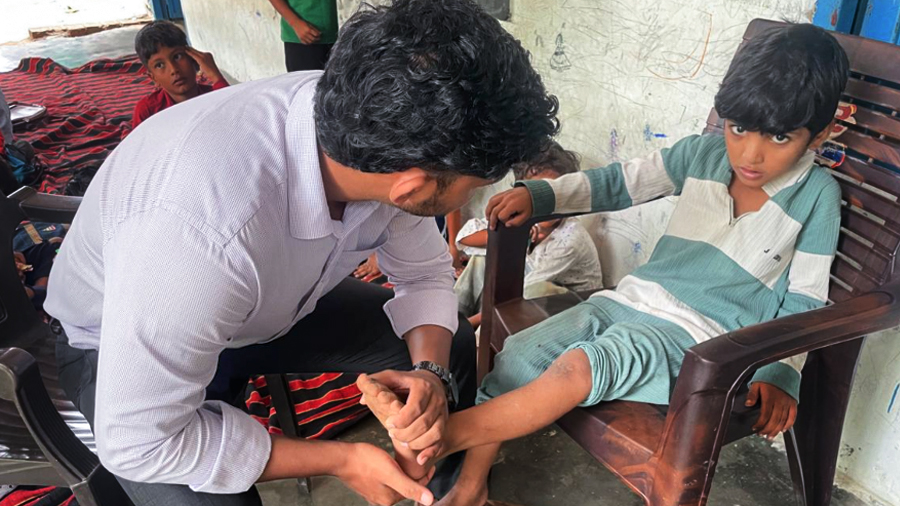
How Faiz Learned to Walk Again with Physiotherapy and Orthotic Support
There is a particular kind of heartbreak in watching your child want to play and...
LEARN MORE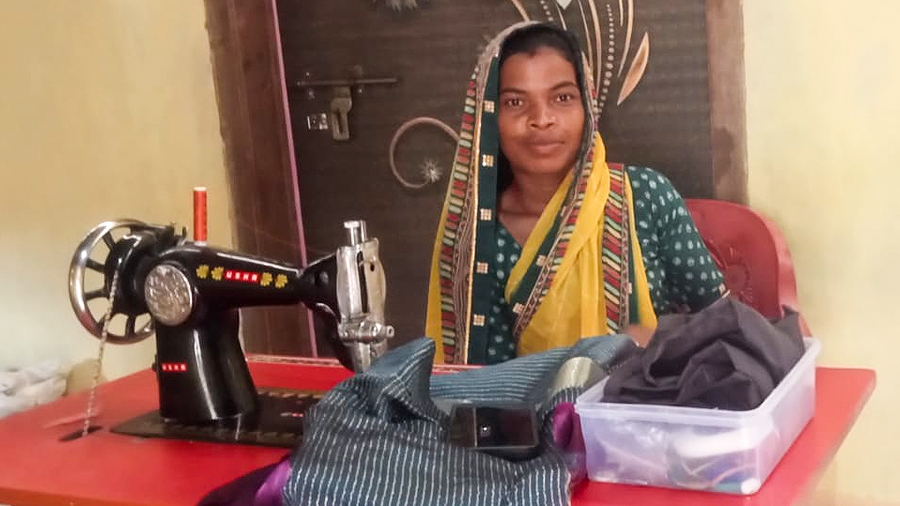
Every Stitch Keeps a Dream Alive
On the day Shiropati paid her children’s school fees from the money she earned through...
LEARN MORE 91 -11 - 2336 3390
  director@caritasindia.org


