
 91 -11 - 2336 3390
  director@caritasindia.org
 Building Bridges for Climate-Resilient Agriculture at SAFBIN Stakeholder Consultation
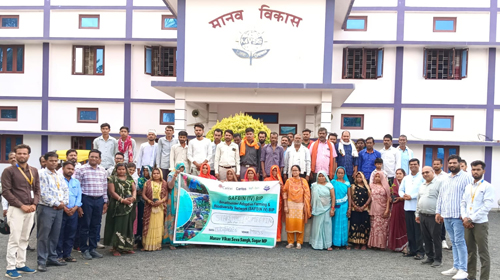
Climate change is already changing the way farmers in Sagar grow their food. Rainfall is harder to predict. Pests arrive at unfamiliar times. Old farming methods don’t always work the way they used to. To respond to these changes, farmers need more than good intentions — they need practical, tested solutions, developed together with the people who understand both the science and the soil.
That is why the Smallholder Adaptive Farming and Biodiversity Network (SAFBIN) project brought together sixty people at Manav Vikas Seva Sangh (MVSS) Sagar for a stakeholder consultation. The goal was simple, to review and finalize farming trials planned for the coming Kharif season, before they begin.
The trials were not designed in an office. They grew out of conversations already held in ten villages, where farmers identified the climate risks affecting their land and helped choose the crops and methods worth testing. This consultation was the next step — bringing those ideas to scientists and government officials for feedback, before the season starts.
The meeting brought together a wide mix of people including scientists from the Krishi Vigyan Kendra in Sagar, officials from the Agriculture Technology Management Agency, members of Self-Help Federations, nursery growers, lead farmers, and SAFBIN project staff.
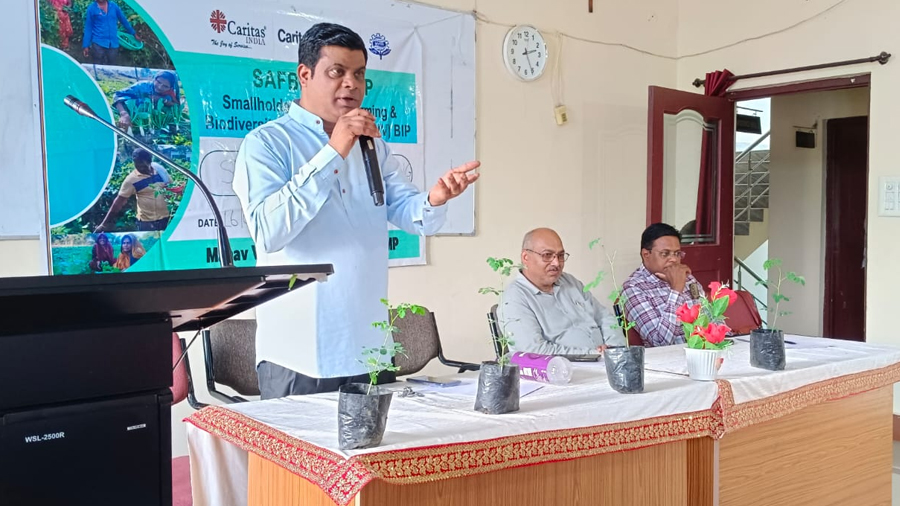
Fr. Thomas Philip, Director of MVSS, opened the meeting with a simple but important message that climate change is no longer a distant threat for smallholder farmers, it is already here. He spoke about the need to reduce dependence on chemical inputs and build farming systems that protect the soil for the long term.
Mr. Anand Kumar Kori from the SAFBIN project shared what had been learned from the previous season’s trials, then presented the proposed plans for the coming season. These plans were built with farmers from the start, and this meeting gave everyone a chance to strengthen them further.
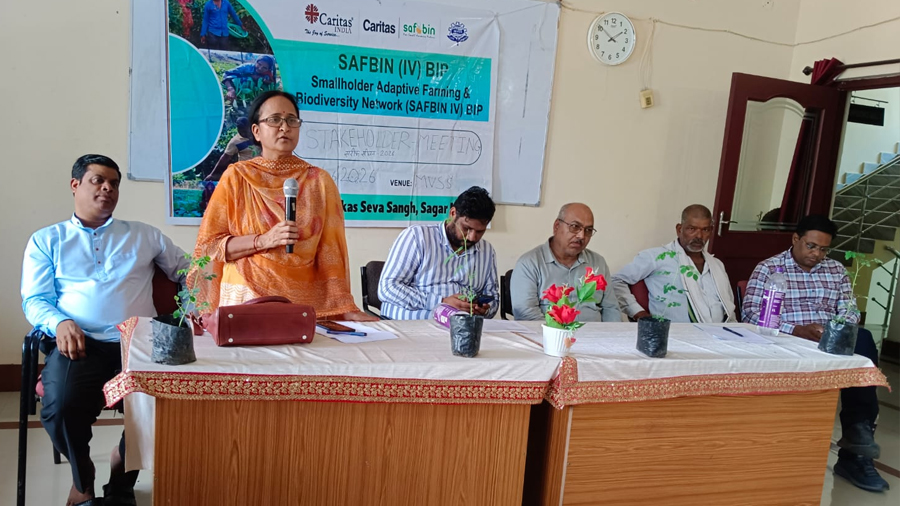
Scientists offered their expertise to improve the trials. Dr. Ashish Tripathi of KVK Sagar spoke about the value of farmer-led research, encouraging the team to document and validate the knowledge farmers already carry. Dr. Mamta Singh, also from KVK Sagar, spoke about practical methods like intercropping, crop diversification, and natural pest management. These simple choices can make a real difference to a farmer’s harvest.
Government representatives focused on access. Mr. M.K. Prajapati from ATMA encouraged farmers to register early for government schemes, so they don’t miss out on support meant for them. He also spoke about natural farming as a way to reduce costs using resources farmers already have.
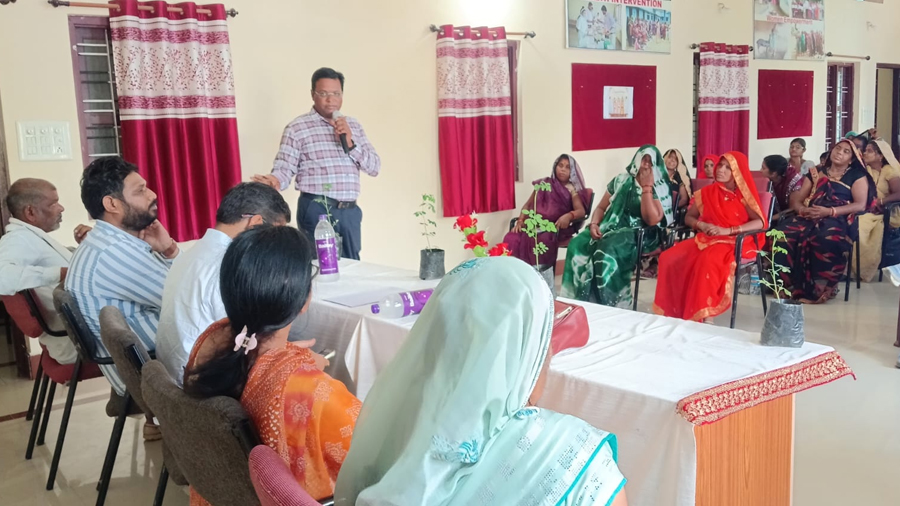
Dr. Mukund Deshmukh from Caritas India spoke about why this approach matters. On-farm research works best, he explained, when it brings together what farmers already know with what science can offer — not one replacing the other, but both working side by side. He shared the results from the previous season and outlined the plans for the season ahead, welcoming the feedback being shared in the room.
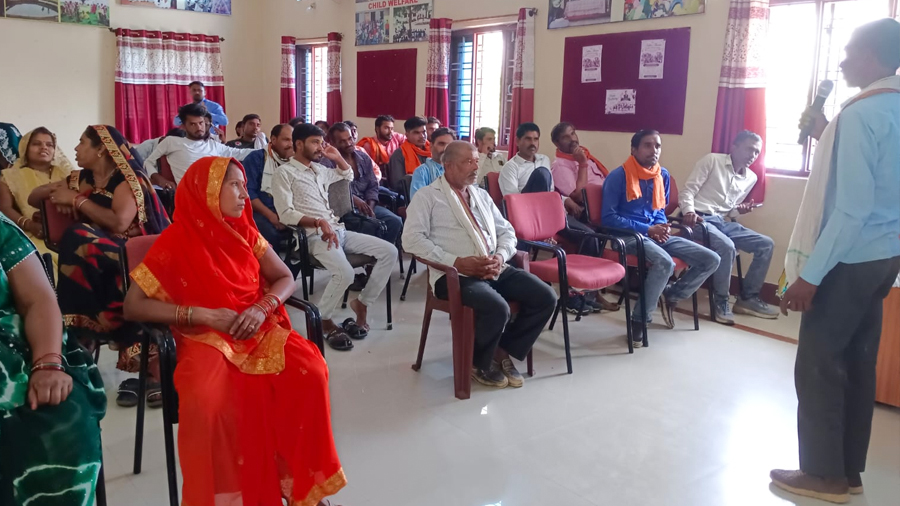
Farmers had plenty to say too. They spoke about the pests and diseases affecting their crops, and the ongoing struggle to get a fair price once the harvest is ready. Many spoke positively about the Farmer Knowledge and Resource Centres, which have made it easier to access good seeds, organic inputs, and guidance close to home. The conversation also turned to markets — how to connect farmers more directly with buyers, so a good harvest leads to a fair income.
By the end of the day, the trial plans for the coming season had been reviewed and agreed upon, with input from scientists, government officials, and farmers alike. More than a finalized plan, the meeting reflected something simple but important i.e., when farmers, scientists, and government work together from the start, the solutions that follow are stronger, and farming communities are better prepared for what the changing climate brings.
Upcoming News
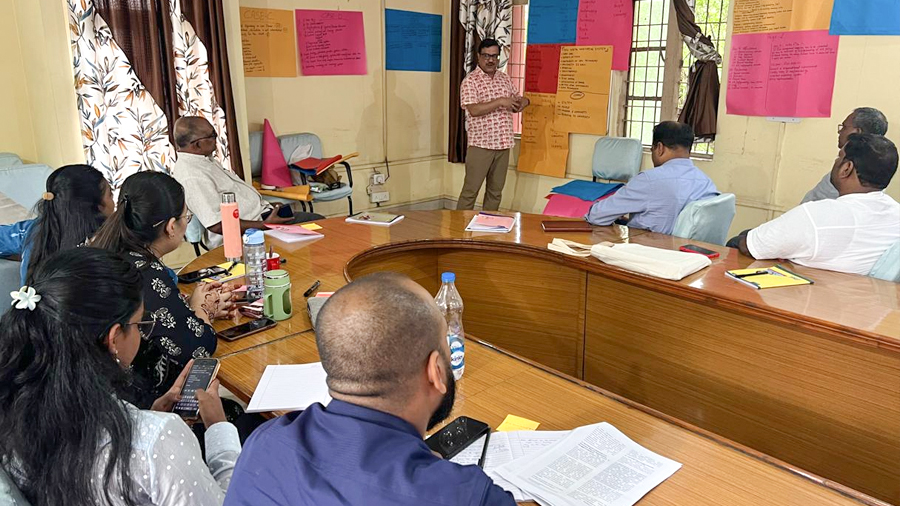
When NGOs Grow, What Breaks First? Caritas India Tackles the Answer in Raipur
Three-day workshop arms executive leaders with governance tools, a 20-policy framework and practical fixes for...
LEARN MORE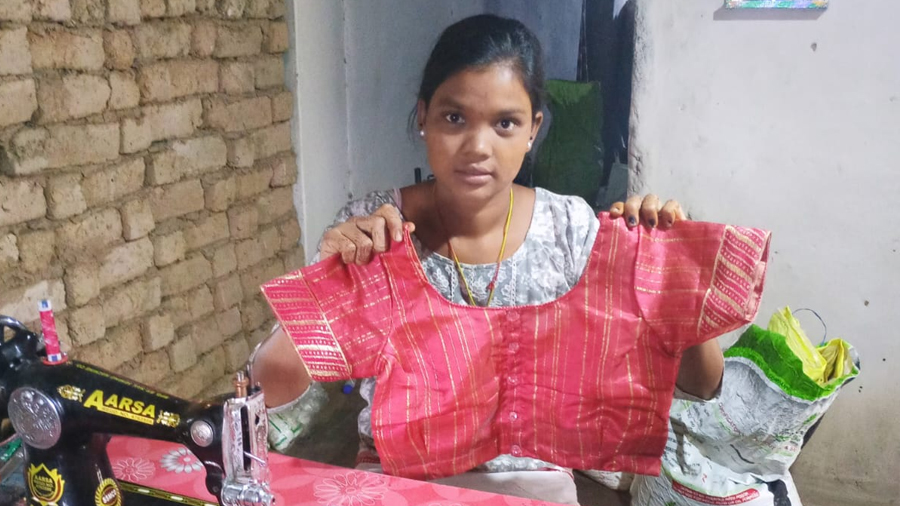
Nine Kilometres Through the Jungle: How Poornima Stitched Her Own Future
For 19 year old Poornima Rawat of Rajamma village in Lailunga block of Chhattisgarh's Raigarh...
LEARN MORE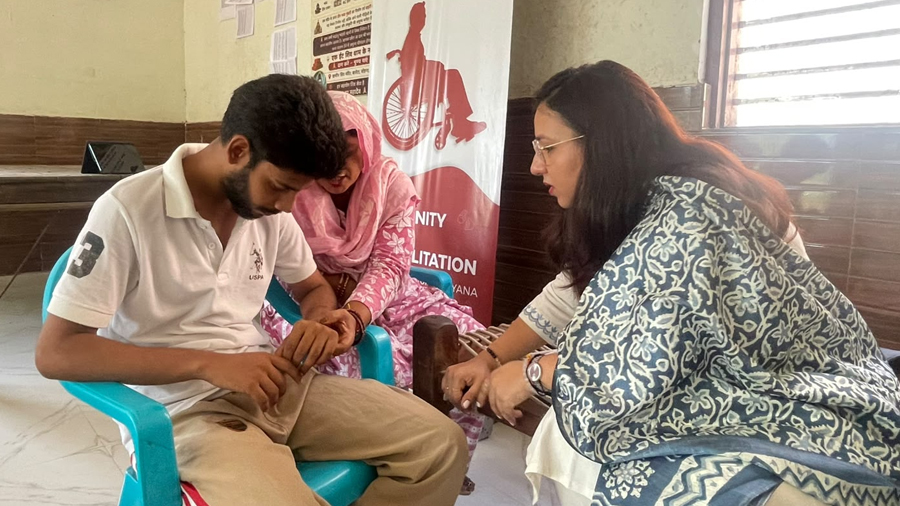
In a Nuh Village, People Living With Mental Illness Finally Got to Speak, and Be Heard
Nine people sat in that room in Barota village, Nuh district, Haryana, each carrying a...
LEARN MORE 91 -11 - 23362735
  director@caritasindia.org


