
 91 -11 - 2336 3390
  director@caritasindia.org
 Caritas India Links HIV/AIDS Recovery to Economic Security
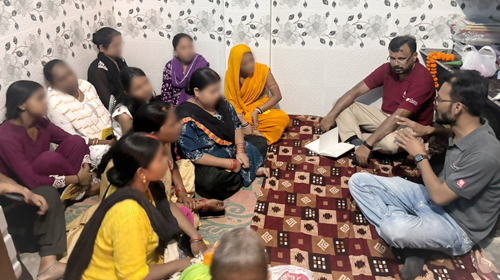
Fr. Benny Edayath, Assistant Executive Director of Caritas India, completed a field visit to Gram Nirman’s Delhi Urban programme on 18 June 2026, reviewing HIV/AIDS and Community-Based Rehabilitation (CBR) services across 18 urban slum clusters in East Delhi. The visit found the programme succeeding in building trust and treatment access among hard-to-reach populations but identified unstable livelihoods as the most pressing barrier to long-term recovery for the communities it serves.
The programme reaches people living with HIV, migrant workers, vulnerable adults, and high-risk groups including members of the LGBT community, men who have sex with men, people who inject drugs, and commercial sex workers — populations that frequently fall outside the reach of mainstream health and social services in urban India.
During the visit, Fr. Benny held direct conversations with community members and beneficiaries to assess the programme’s impact and gather first-hand input on priorities going forward.
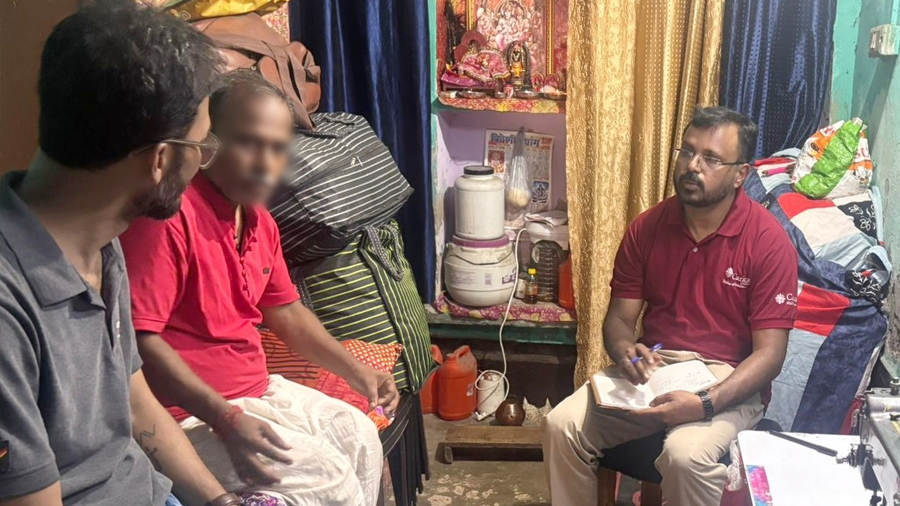
Economic hardship emerged as the central concern raised across these conversations. Beneficiaries reported unstable incomes and limited access to livelihood options or financial support, a problem particularly acute among people living with HIV/AIDS, migrants, and high-risk groups. Unstable income was cited as a direct obstacle to maintaining treatment regimens and overall well-being. Community members called for expanded livelihood opportunities, vocational training, and stronger linkages to social protection schemes.
On the health side, the visit found the HIV/AIDS component continuing to reach populations that mainstream services often miss, with community-level awareness work helping reduce stigma and build the trust needed to bring people into treatment and support networks.
The CBR initiative was identified as a promising model for the same reason: by building support around local, community-based structures and treating beneficiaries as active participants rather than passive recipients, the approach has improved access to healthcare, social protection, and rehabilitation services while reinforcing dignity and inclusion.
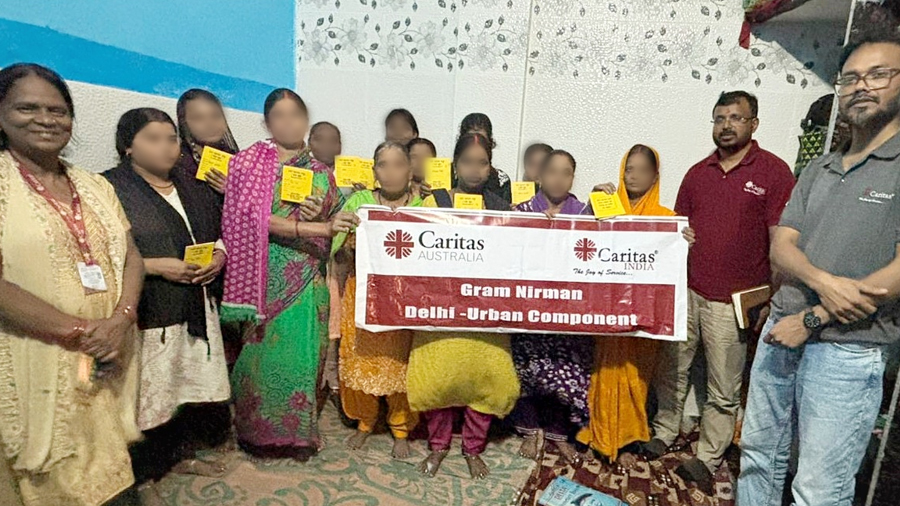
In Tahirpur, one stop on the visit, Fr. Benny met members of the Maya Self-Help Group, fifteen women from the local slum community who have built a system of collective savings and inter-lending under the Gram Nirman initiative. The group’s community educator noted that the model has given members real financial cooperation and mutual support, but cautioned that without continued institutional backing, such groups risk losing momentum over time. Migrant populations and vulnerable adults described similar fragility in their access to consistent support, citing the rapid movement of urban life and thin social safety nets.
Caritas India said the visit’s findings point to the need for integrating health interventions more closely with livelihood and economic support, arguing that addressing the economic conditions underlying poor health outcomes is essential for the long-term success of HIV/AIDS programming.
Gram Nirman’s Delhi Urban programme is implemented by Caritas India across the 18 East Delhi slum clusters, combining HIV/AIDS health intervention with Community-Based Rehabilitation to support people living with HIV, migrants, vulnerable adults, and high-risk groups through community-led approaches to health, livelihoods, and social protection.
Upcoming News
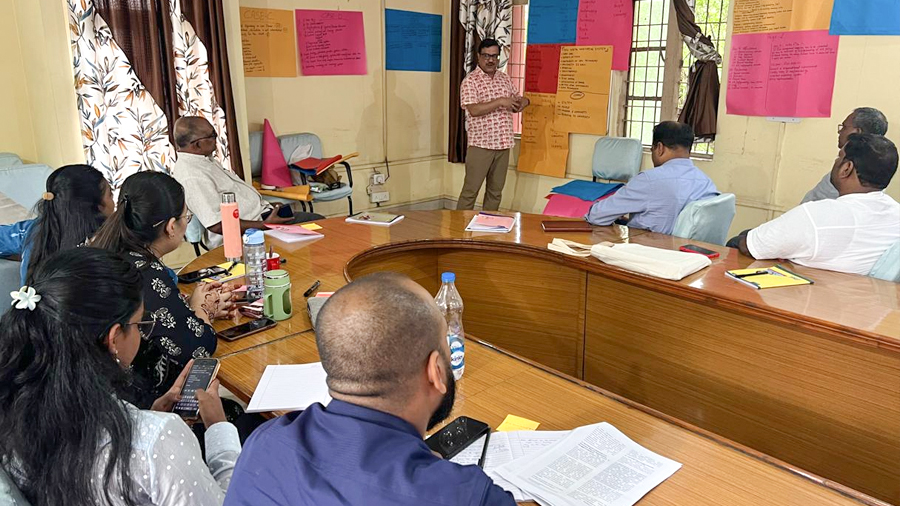
When NGOs Grow, What Breaks First? Caritas India Tackles the Answer in Raipur
Three-day workshop arms executive leaders with governance tools, a 20-policy framework and practical fixes for...
LEARN MORE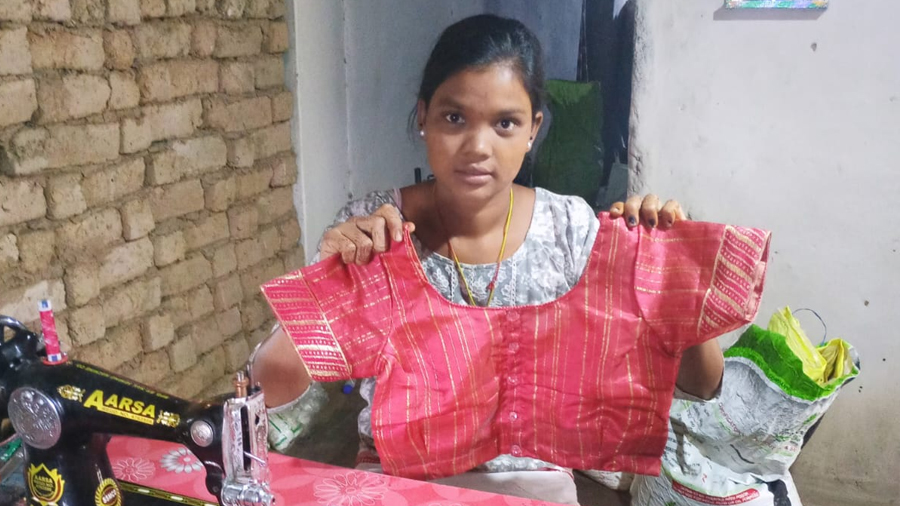
Nine Kilometres Through the Jungle: How Poornima Stitched Her Own Future
For 19 year old Poornima Rawat of Rajamma village in Lailunga block of Chhattisgarh's Raigarh...
LEARN MORE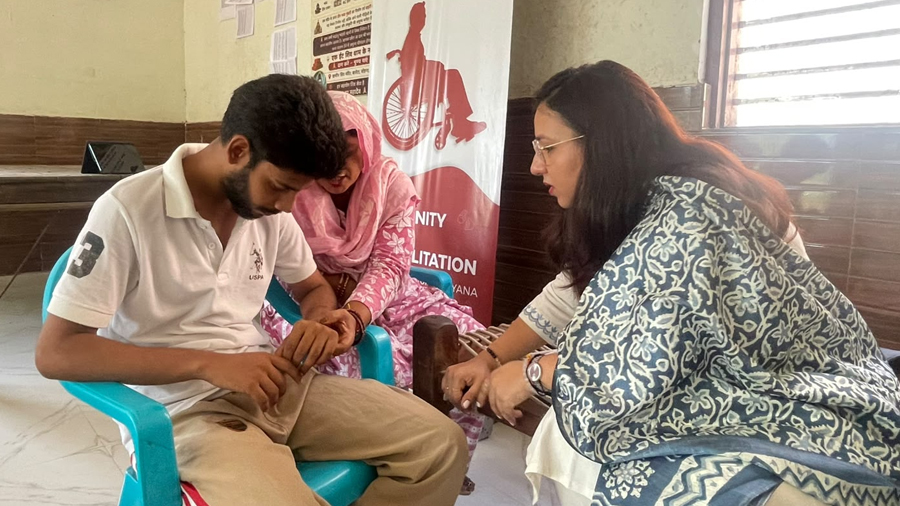
In a Nuh Village, People Living With Mental Illness Finally Got to Speak, and Be Heard
Nine people sat in that room in Barota village, Nuh district, Haryana, each carrying a...
LEARN MORE 91 -11 - 23362735
  director@caritasindia.org


