
 91 -11 - 2336 3390
  director@caritasindia.org
 Persons with Disabilities SHG rewriting the narrative of their future
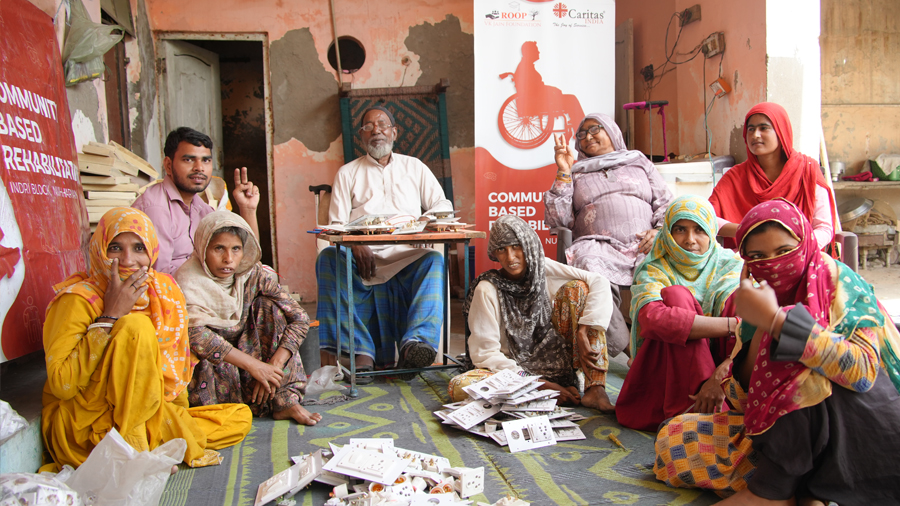
In the Rozka Meo village of Nuh, Haryana, disability has long been treated as a private misfortune. Something to be managed quietly within the four walls of a home, rather than a condition that communities and institutions have a responsibility to address. Persons with disabilities (PwDs) here have often been seen through a lens of dependency, as recipients of charity, not as contributors to their households or their economy.
Caritas India, with the support of its CSR partner Highway roop precision technologies ltd, set out to change that narrative. Rather than treating disability inclusion as a welfare add-on, the project team built an approach rooted in economic empowerment, helping persons with disabilities and their families access the same institutional pathways to livelihood that any others can claim. It is a small but powerful shift from charity to empowerment. The story of the Sohail Self-Help Group (SHG) in Hensara village captures this shift.
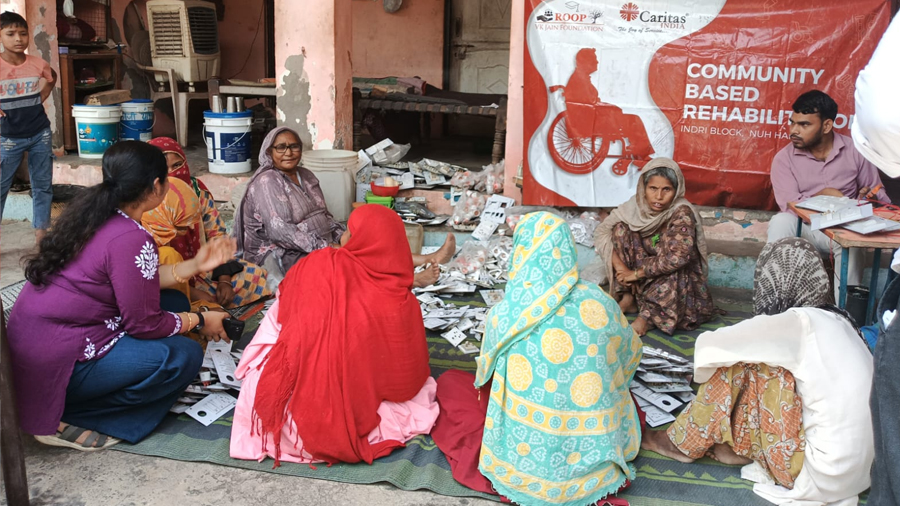
On 13 June 2025, the Caritas India project team facilitated the formation of the Sohail SHG, a group of eight from Hensara who chose to come together, pool their savings, and build a shared financial future. What makes this group distinctive is who its members are and who they represent. Among the eight, several are persons with disabilities themselves, and one member represents a family living with intellectual disability. The group includes men and women managing osteoarthritis, hearing impairment, and locomotor disability conditions that, in the old narrative, would have kept them at the margins of any economic activity.
Caritas India’s approach didn’t treat these conditions as barriers to be worked around quietly. It treated them as reasons to be more deliberate, ensuring meetings were accessible, communication was inclusive, across intersectionality, regardless of physical or sensory limitation.
Soon after formation, the team ran orientation sessions demystifying core SHG concepts like what a self-help group is, how financial management works, why regular savings matter, and how collective decision-making strengthens a group’s resilience. This wasn’t a one-time workshop, Caritas India facilitated regular monthly meetings, using each session to deepen the group’s capacity on record-keeping, inter-loaning practices, and the discipline of collective savings.
The team guided the Sohail SHG through opening a bank account, a foundational step that many PwD-inclusive households in Nuh had never completed on their own, often due to lack of documentation support, mobility challenges, or simply not knowing where to begin. From there, Caritas India supported the group through the formal process of linking with the National Rural Livelihood Mission (NRLM), a flagship government programme for rural livelihood promotion.
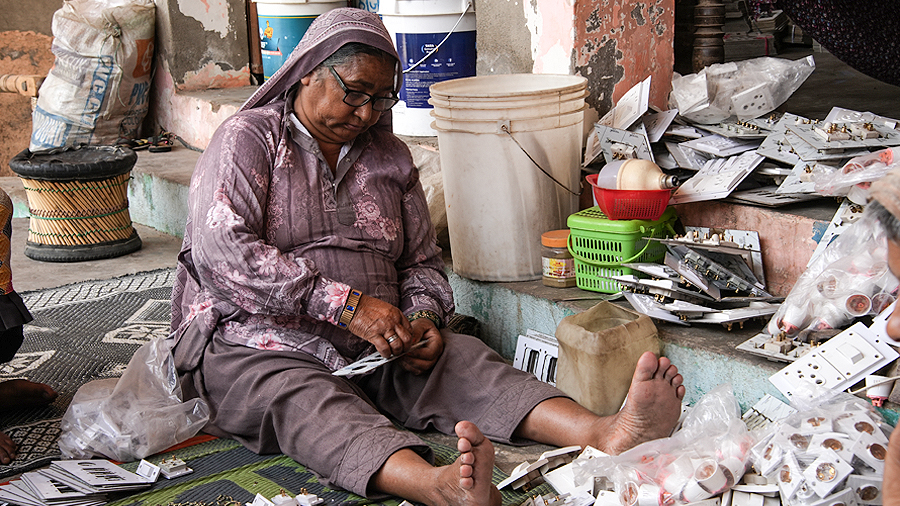
After completing the required formalities, the Sohail SHG received a Revolving Fund of ₹30,000 through NRLM. With this fund and the confidence built over months of mentoring, one SHG member began plug board assembling work from home. Caritas India’s team supported her with technical guidance on the assembly process, helping her turn a small idea into a functioning home enterprise.
The impact went beyond her individual income. For a household managing disability-related demands and caregiving responsibilities, a home-based enterprise offered something rare. The earnings began contributing to the family’s financial needs, and just as importantly, the visible progress became a signal to the rest of the group. The work has expanded and now the group is supplying to the bigger vendor who has a wider reach to the major retailers in Nuh.
Other members, watching one of their own succeed, have started expressing interest in similar livelihood activities. This was a sign of empowerment which started multiplying rather than contained to a single success story.
The Sohail SHG is a small group in one village, but it represents something greater. Through the efforts of Caritas India and Highway roop precision technologies ltd, a model has emerged where disability inclusion is not a separate track but woven into the same institutional pathways that link SHGs, bank accounts, NRLM linkages, revolving funds to drive rural livelihood.
Upcoming News
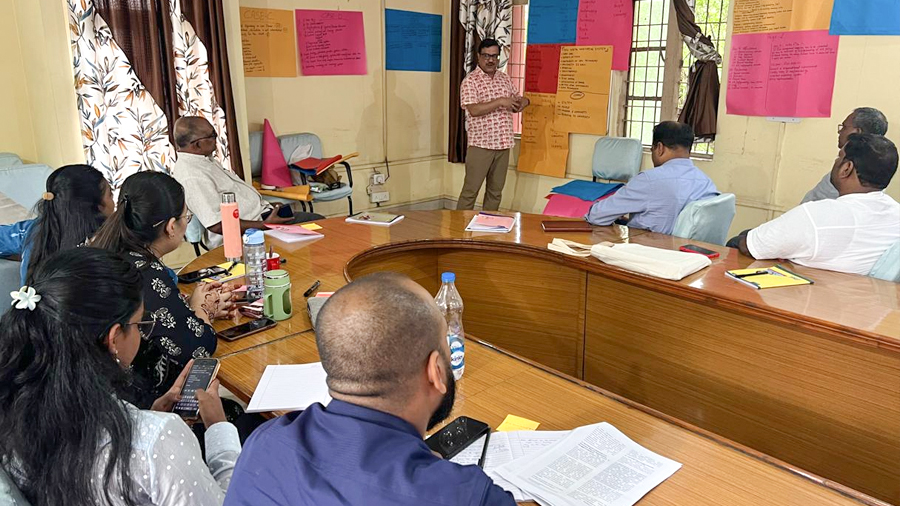
When NGOs Grow, What Breaks First? Caritas India Tackles the Answer in Raipur
Three-day workshop arms executive leaders with governance tools, a 20-policy framework and practical fixes for...
LEARN MORE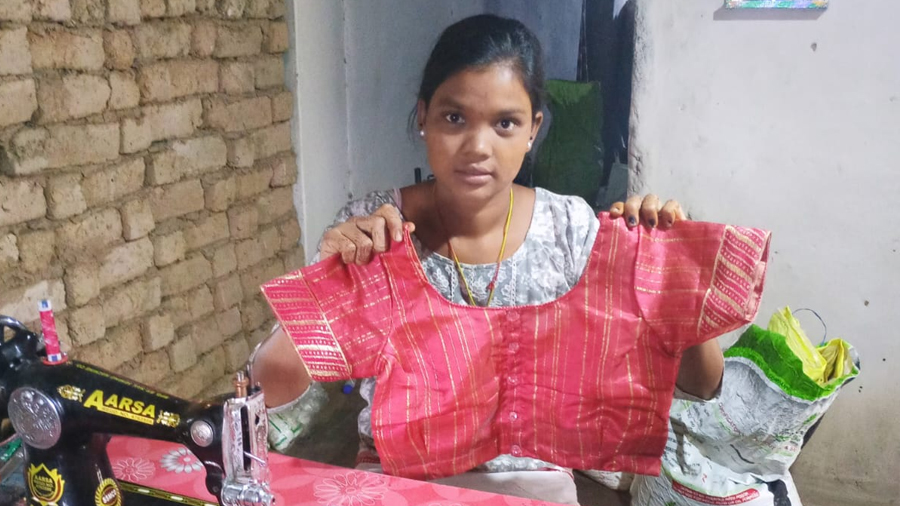
Nine Kilometres Through the Jungle: How Poornima Stitched Her Own Future
For 19 year old Poornima Rawat of Rajamma village in Lailunga block of Chhattisgarh's Raigarh...
LEARN MORE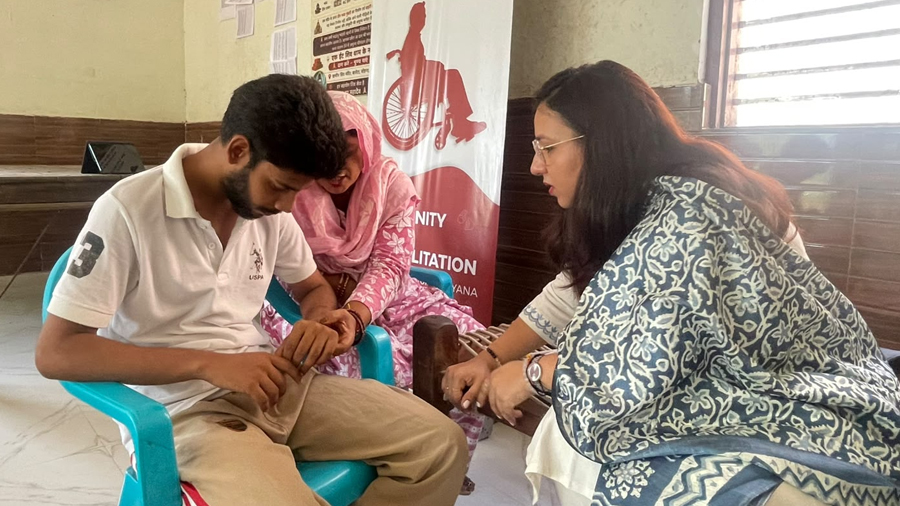
In a Nuh Village, People Living With Mental Illness Finally Got to Speak, and Be Heard
Nine people sat in that room in Barota village, Nuh district, Haryana, each carrying a...
LEARN MORE 91 -11 - 23362735
  director@caritasindia.org


