
 91 -11 - 2336 3390
  director@caritasindia.org
 Caritas India Joins Global Push for Climate Justice as Displacement Crisis Deepens
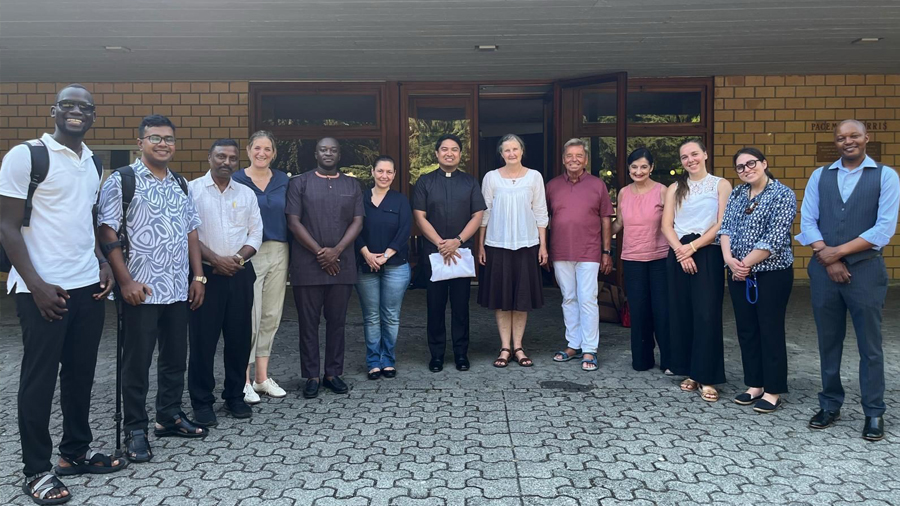
As over 45 million people were internally displaced by weather disasters in 2024 alone, Caritas India joins global Catholic leaders in Geneva to demand justice, dignity, and durable solutions for climate migrants across Asia.
Climate change has a human face, and increasingly, it is a face on the move. From flood-ravaged river basins in Bangladesh to drought-hit farmlands across South Asia, climate-induced displacement is emerging as one of the defining humanitarian crises of our time.
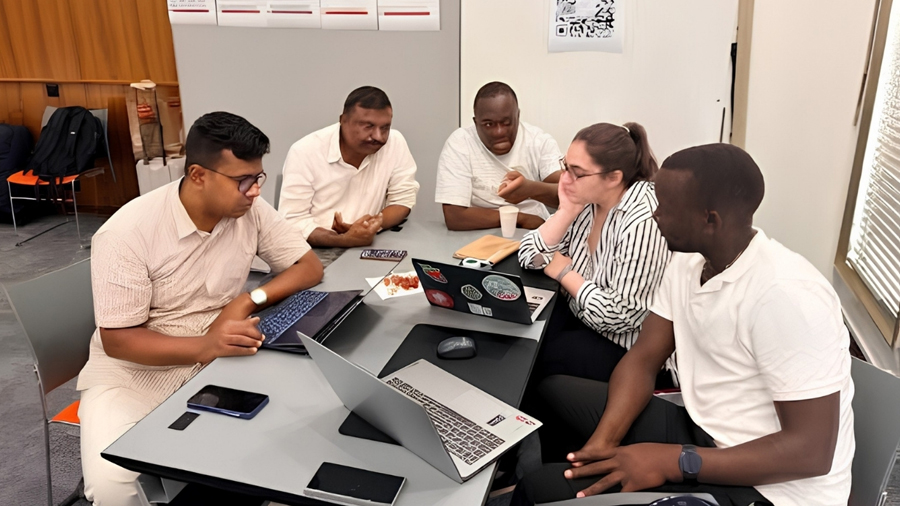
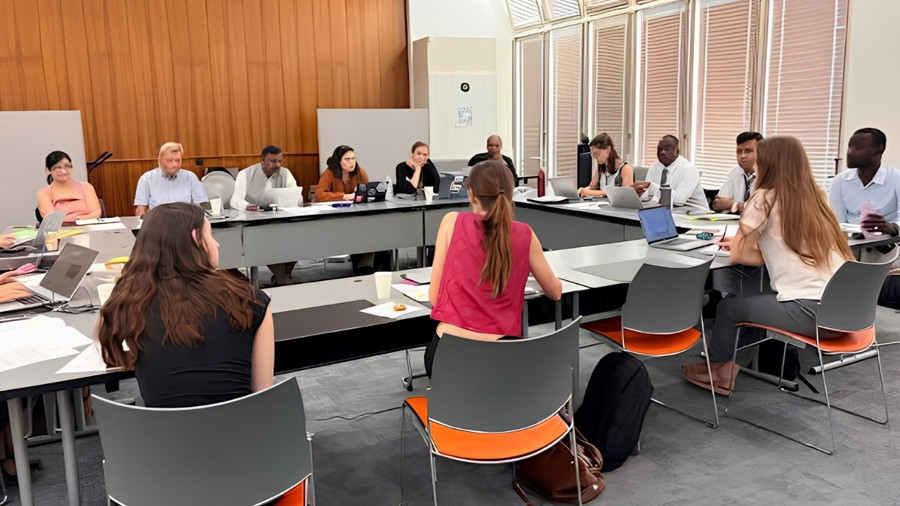
Representing Caritas India and Caritas Asia, Dr. Haridas V. R., National Programme Coordinator and Lead of the Climate Justice Desk, joined the Ad hoc Task Team on Human Displacement due to Climate Change, convened by Caritas Internationalis at its Geneva headquarters from June 22–25, 2026. The four-day consultation brought together delegates from Caritas member organizations, regional offices, and partner agencies worldwide to chart a coordinated global strategy on climate mobility.
The numbers are staggering. In 2024, weather-related events triggered more than 45 million cases of internal displacement, over double the number caused by conflict, and nearly twice the past decade’s average. Experts warn this is a vast undercount, since it excludes slow-onset crises like sea-level rise and repeated crop failures. A striking finding shared at the meeting revealed that climate harm shaped the decision to migrate for 65% of asylum seekers at the US-Mexico border, while 88% endured extreme weather during their journey.
Asia, home to over half the world’s population, sits at the epicentre of this crisis. Floods, cyclones, droughts, and rising seas are pushing smallholder farmers, fisherfolk, indigenous communities, women, and children into cycles of displacement often multiple times a year eroding livelihoods, dignity, and social cohesion. Alarmingly, most of this displacement is internal, invisible, and chronically underfunded.
While policymakers debate frameworks, Caritas India has already been building resilience where it matters most: in vulnerable communities. The organization’s innovative Disaster Clinic model — highlighted during the Geneva deliberations as a replicable best practice which equips villages with participatory risk assessments, contingency planning, trained first-responder task forces, and school-level disaster preparedness programs.
Caritas India’s broader climate-resilience strategy spans early warning systems, psychosocial support through trained “befrienders,” climate-resilient and salt-tolerant agriculture, livelihood diversification, transitional shelter support, and an accompaniment-based approach that treats displaced families not as passive victims but as rights-holders and agents of change.
The Geneva sessions, featuring experts from IOM, the Norwegian Refugee Council, and the Coalition on Dignified Climate Relocation, emphasized integrating displacement into National Adaptation Plans (NAPs) and Disaster Risk Reduction frameworks, advancing rights-based planned relocation, and mobilizing climate justice financing that reaches affected communities directly.
Participants also joined a side event marking World Refugee Day at the 62nd session of the UN Human Rights Council, organized with JRS, ICMC, and the Forum of Catholic-Inspired NGOs, amplifying the voices of climate-displaced communities 75 years after the 1951 Refugee Convention.
As the world grapples with climate migration, environmental justice, and humanitarian displacement, Caritas India’s message from Geneva is clear: communities forced from their homes by a changing climate are not statistics — they are people deserving of safety, dignity, and a future they help shape themselves.
Upcoming News
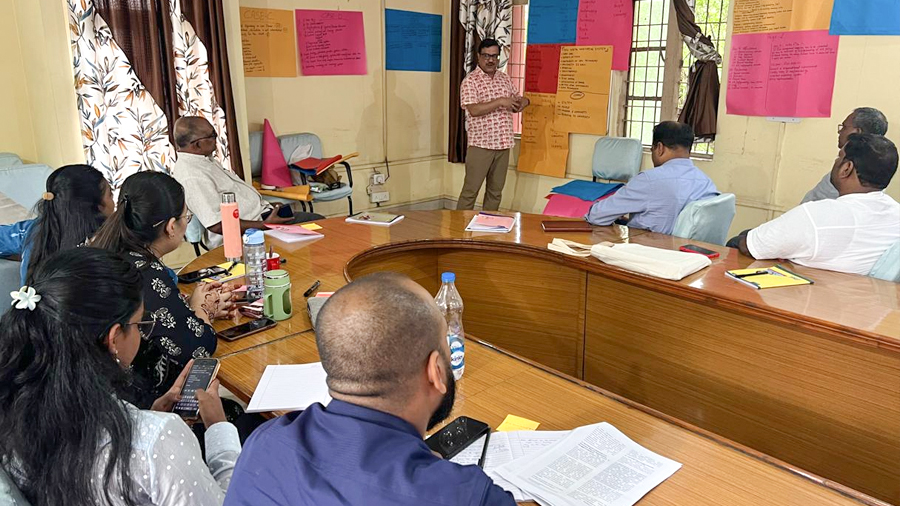
When NGOs Grow, What Breaks First? Caritas India Tackles the Answer in Raipur
Three-day workshop arms executive leaders with governance tools, a 20-policy framework and practical fixes for...
LEARN MORE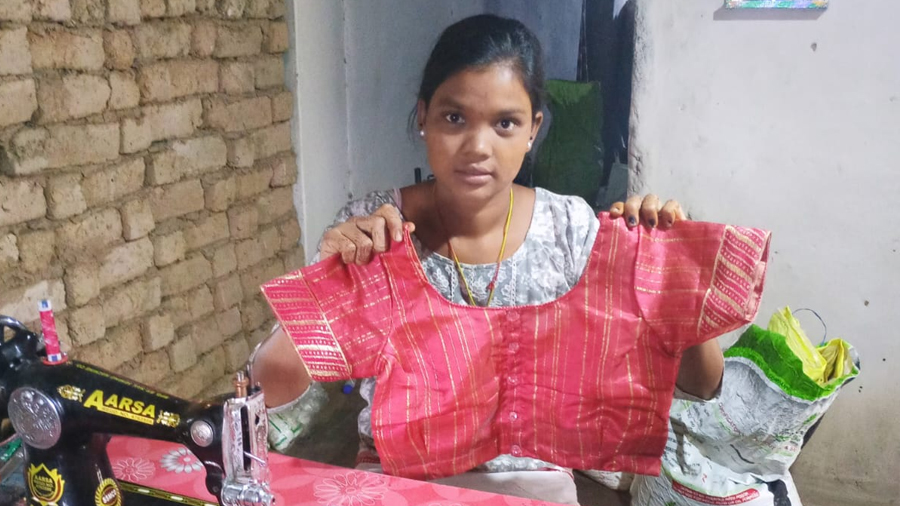
Nine Kilometres Through the Jungle: How Poornima Stitched Her Own Future
For 19 year old Poornima Rawat of Rajamma village in Lailunga block of Chhattisgarh's Raigarh...
LEARN MORE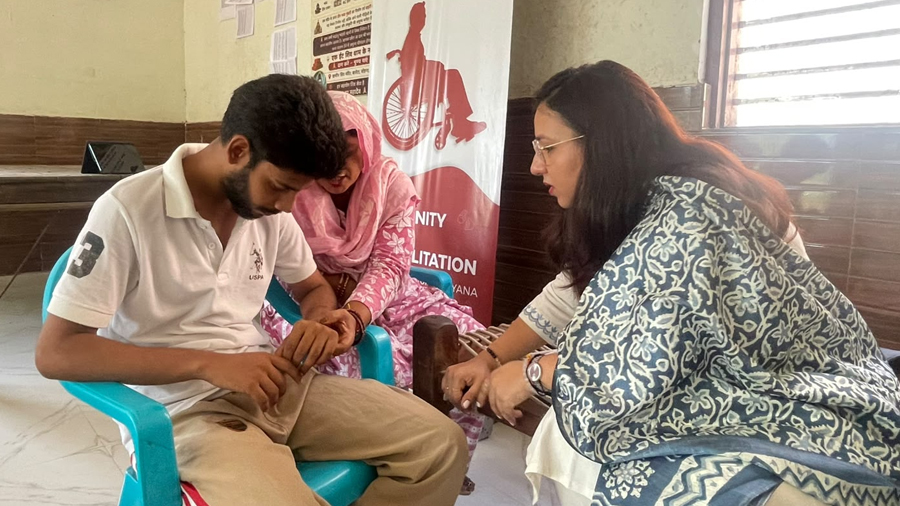
In a Nuh Village, People Living With Mental Illness Finally Got to Speak, and Be Heard
Nine people sat in that room in Barota village, Nuh district, Haryana, each carrying a...
LEARN MORE 91 -11 - 23362735
  director@caritasindia.org


