
 91 -11 - 2336 3390
  director@caritasindia.org
 Caritas India reviews progress, charts second-year roadmap for Wayanad landslide recovery project
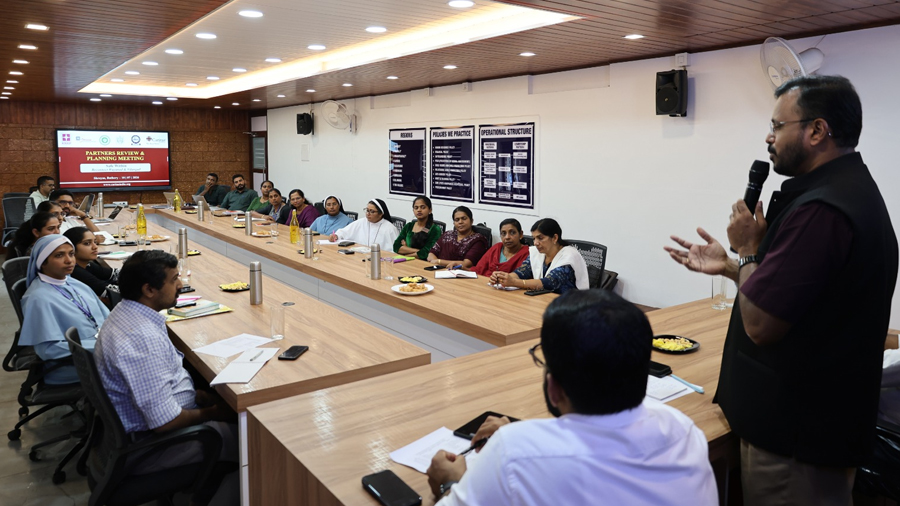
Assistant Executive Director Fr. Benny Edayath has called on partner organisations to root all planning in the lived realities of disaster-affected communities, stressing that development interventions must build long-term resilience rather than follow routine activity calendars.
Fr. Benny was addressing partner organisations at a review and planning meeting organised by Caritas India under the “Safe Within: Reconnect Wayanad & Vilangad” project, held at Shreyas, Bathery, from July 6 to 10, 2026. The five-day engagement brought together the four Diocesan Social Service Society (DSSS) partner organisations, KSSF, and the Caritas India Kerala team as the project neared the end of its first year of implementation.
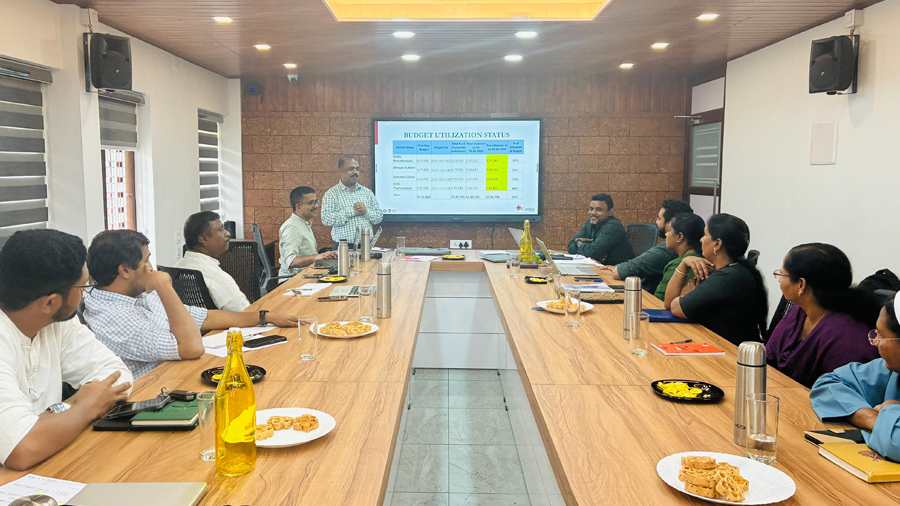
The process began with internal finance reviews and audits conducted across all four DSSS partners from July 6 to 8. Carried out by the Caritas India team, the exercise examined financial documentation, procurement practices, staff advances, payment procedures and internal controls, and was framed as a supportive accompaniment measure rather than a compliance check. Officials said the review helped partner organisations recognise existing strengths, flag gaps, and adopt stronger financial management practices in line with organisational and donor requirements, reinforcing transparency and governance systems critical to programme delivery.
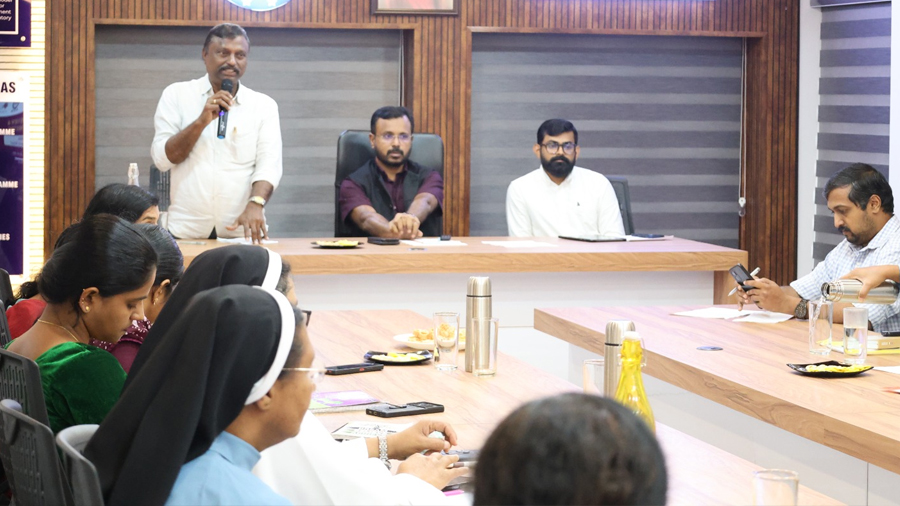
This was followed by a one-day planning workshop on July 9, where project coordinators worked through field experiences and emerging community needs to design the project’s second-year strategy. Dr. V. R. Haridas, National Programme Coordinator and Project Lead, who facilitated the technical planning session, urged teams to adopt an evidence-based, results-oriented approach. Four strategic focus areas were identified for the coming year: formation of Disaster Response Task Forces and community engagement; strengthening of Disaster Clinics and Community Resource Centres; School Disaster Risk Reduction and its sustainability; and networking and convergence with government departments and other stakeholders. Each DSSS partner led thematic discussions on one focus area, producing implementation strategies, timelines and sustainability measures that were later presented for collective feedback.
The engagement concluded with the Safe Within Project Review Meeting on July 10, which assessed overall implementation progress and identified priorities for the remaining project period. In his introductory remarks, Dr. Haridas commended the growth shown by partner organisations over the past year, noting increased confidence among project teams, stronger inter-partner coordination, and greater innovation in community-based interventions. He specially acknowledged the coordinated response of partners during the Kalladi Tunnel landslide incident, where teams supported rescue efforts, data collection and reporting.
Fr. David, in his special address, traced the project’s origin to the devastating Wayanad and Vilangad landslides, noting it has since grown into a broader community resilience initiative addressing psychosocial wellbeing and local preparedness alongside changing community needs.
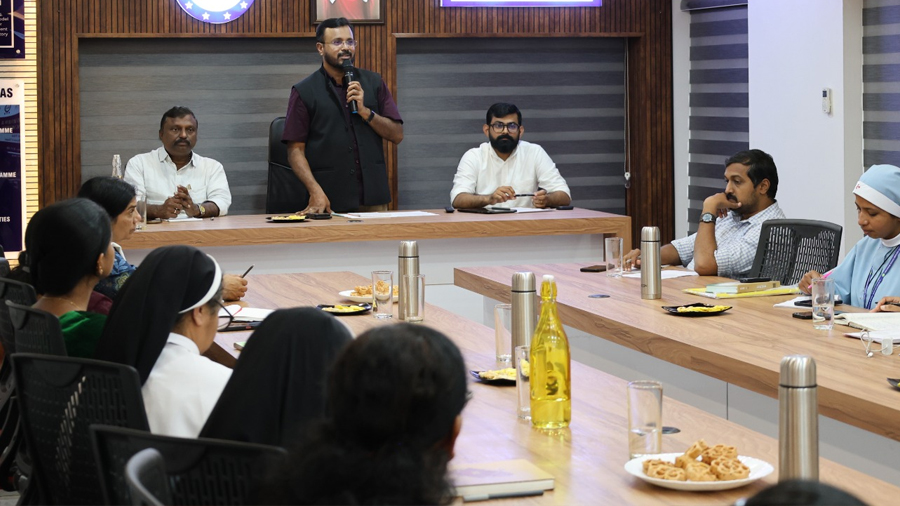
In his keynote address, Fr. Benny described Safe Within as more than a project, calling it a platform for building sustainable community systems. He said mechanisms such as Community Resource Centres, Disaster Clinics, Disaster Response Task Forces, School DRR programmes and local networks should function as lasting institutional structures even after the project concludes, urging partners to prioritise system building and community ownership.
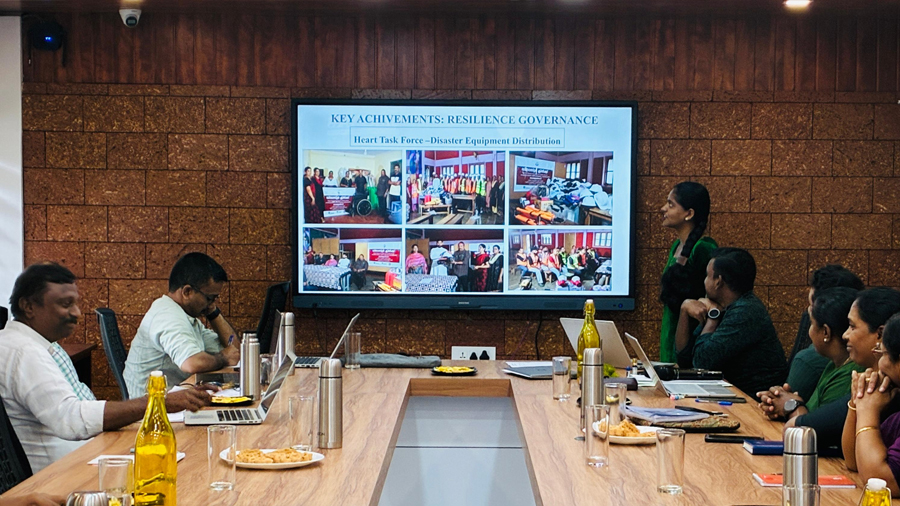
Partners presented progress under the project’s core components like Resilience Governance, Psycho-social Resilience, Livelihood Resilience, and Networking & Convergence showcasing several community-driven innovations that Caritas India has been piloting on the ground over the past year. Chief among these is the HEART Task Force (Humanitarian Emergency Aid and Response Team) model, under which local volunteers from panchayats such as Meppadi, Vythiri and Pozhuthana have been trained in rescue techniques and Basic Life Support, with the effort framed as being about psychological recovery as much as physical rescue, building a visible, trained network of community leaders to counter deep-seated disaster trauma. A related Befriending Volunteers initiative, developed in partnership with NIMHANS, has moved beyond physical reconstruction to prioritise mental health and psychosocial support, training community members to identify emotional distress and provide psychosocial first aid to landslide survivors.
Partners also highlighted continued accompaniment visits reinforcing grassroots implementation and engagement with Task Force volunteers alongside panchayat representatives on emergency preparedness and community mobilisation, alongside the Unarvu and Grama Yatra initiatives and tribal psychosocial support work. Participants called for common visibility measures for task force members and regular capacity-building programmes.
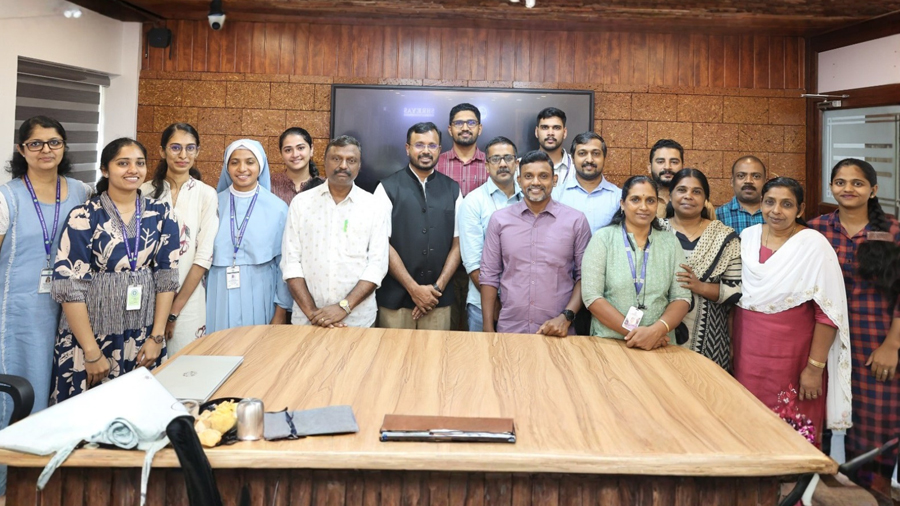
The meeting finalised a roadmap for coming months, including strengthening Disaster Clinics and Resource Centres, expanding School DRR work, conducting Disaster Response Team training, completing endline documentation of the psychosocial resilience component, revising IEC materials, organising an exposure visit, and deepening convergence with government departments and civil society.
Upcoming News
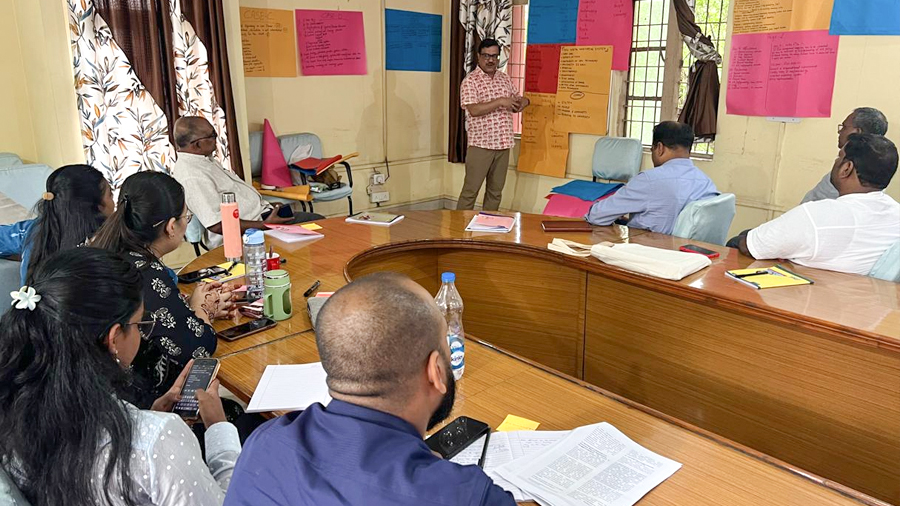
When NGOs Grow, What Breaks First? Caritas India Tackles the Answer in Raipur
Three-day workshop arms executive leaders with governance tools, a 20-policy framework and practical fixes for...
LEARN MORE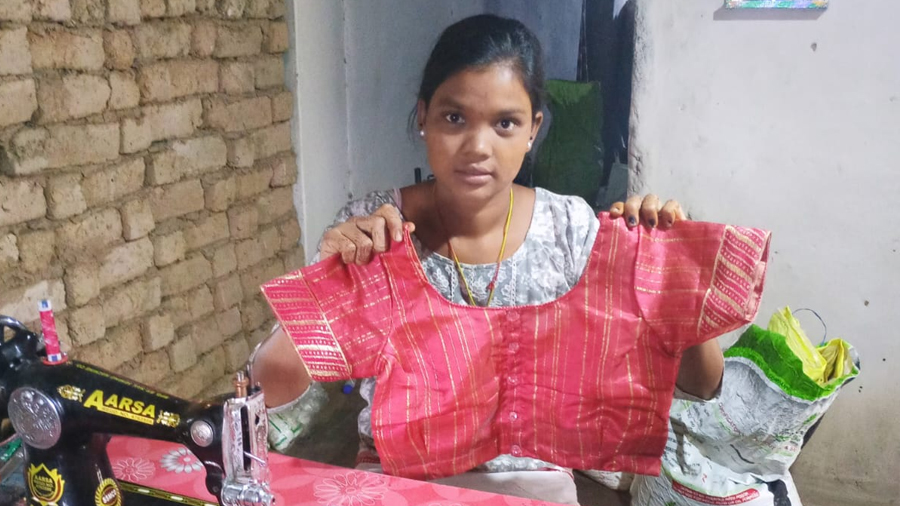
Nine Kilometres Through the Jungle: How Poornima Stitched Her Own Future
For 19 year old Poornima Rawat of Rajamma village in Lailunga block of Chhattisgarh's Raigarh...
LEARN MORE
In a Nuh Village, People Living With Mental Illness Finally Got to Speak, and Be Heard
Nine people sat in that room in Barota village, Nuh district, Haryana, each carrying a...
LEARN MORE 91 -11 - 23362735
  director@caritasindia.org


