
 91 -11 - 2336 3390
  director@caritasindia.org
 Sanjivani has transformed women into confident community leaders
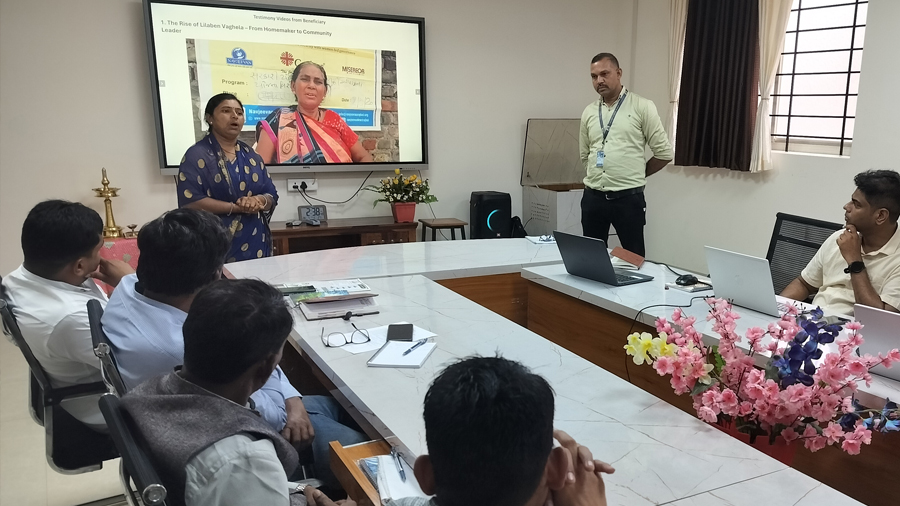
Asserting that the Sanjivani Programme has emerged as “an inspiring model of community-led transformation,” Fr. Jesudass R., Executive Director, Caritas India, has called on partner organisations to build on the programme’s achievements by strengthening community ownership and ensuring that women-led initiatives continue to create lasting impact beyond the project period.
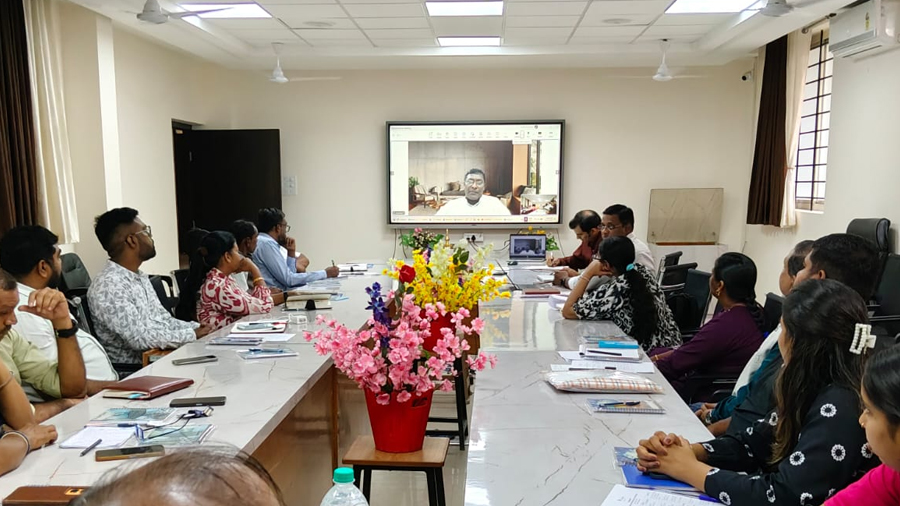
Delivering the keynote address at the two-day Final Review and Strategic Planning Meeting of the Sanjivani II Programme, held at Janvikas Society here, Fr. Jesudass said the programme’s outcomes across Gujarat and Madhya Pradesh stood as a valuable learning experience for future development initiatives.
“Women’s active participation in grassroots governance and community decision-making is fundamental to achieving inclusive development and lasting social transformation. Caritas India remains committed to empowering women as confident leaders and effective decision-makers within their communities,” Fr. Jesudass said, commending the commitment of partner organisations, Community-Based Organisations, women’s collectives and grassroots workers in implementing the programme despite various challenges.
Fr. Jesudass encouraged partners to consolidate the programme’s gains by nurturing local leadership and deepening community ownership, so that the achievements of women-led institutions would endure beyond the programme’s closure.
Programme achievements
The programme was implemented across 75 villages and 10 peri-urban locations in Gujarat and Madhya Pradesh, has made significant gains in nurturing women leaders, creating inclusive spaces for participation, and strengthening community institutions.
Women’s initiatives under the programme linked 14,377 households with government welfare and development schemes, with 4,557 applications and memoranda submitted to Gram Sabhas, Panchayats and government departments to access entitlements. Women’s collective advocacy also resulted in 71 Special Gram Sabhas and Ward Sabhas being convened specifically to address women’s priorities, transforming these platforms into more inclusive and responsive forums for participatory decision-making.
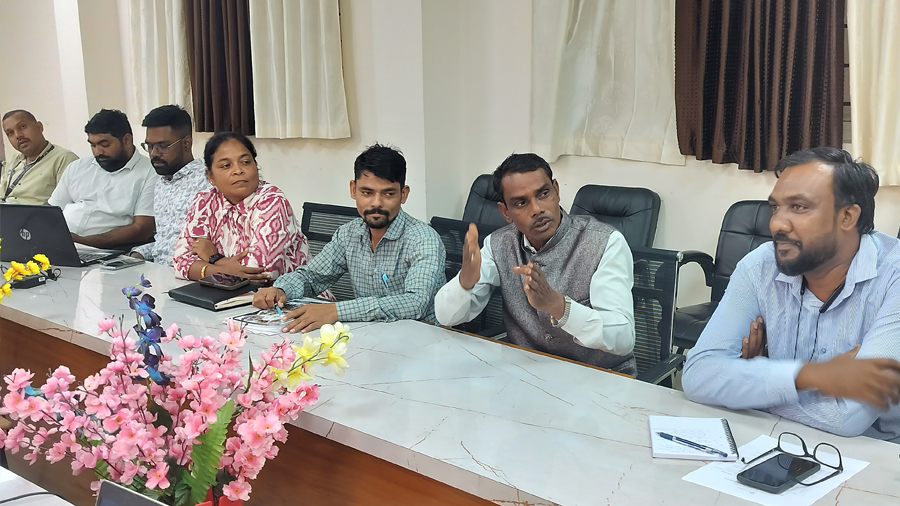
The programme facilitated the preparation of 86 community micro plans and 7,019 eligibility documents for needy families and linked 10,556 families with government health and insurance schemes, strengthening social security and reducing household vulnerabilities across the programme area.
On livelihoods, women’s collectives raised 426 community issues, established 226 alternative livelihood initiatives, and developed 2,448 nutrition gardens, contributing to improved household incomes, food security and nutrition. More than 500 women-led livelihood units were set up under the programme, enabling many women to start income-generating enterprises of their own.
Among the examples of sustainable leadership to emerge from the programme is Mrs. Hinaben, former Sanjivani Programme Lead at Khedut Vikas Mandal, who was elected to the Panchayat and continues to mentor emerging women leaders. Another milestone was the establishment of a Farmer Producer Company involving 1,200 farming families, which has secured government licences for seeds, fertilizers and pesticides along with a grant of Rs. 11.29 lakh — an institution expected to carry the programme’s vision forward well beyond its completion.
Children’s Parliaments were also established and strengthened under the programme to nurture democratic values, leadership and civic responsibility among children, fostering a culture of participatory governance for future generations.
Presenting preliminary findings from the external evaluation of the programme on the second day of the meeting, Ms. Ajeya Deep of Datamation Consultancy Services said field visits had pointed to strong community ownership and encouraging prospects for the sustainability of the programme’s outcomes. Partners subsequently validated the findings in an interactive discussion and identified key lessons for future programming.
Dr. Saju M.K., Zonal Programme Lead, who facilitated a session on Strategic Learning Consolidation and Participatory Analysis of Outcomes, said participants had collectively assessed the extent to which the programme had achieved its intended outcomes and arrived at strategic recommendations for sustaining the gains going forward.
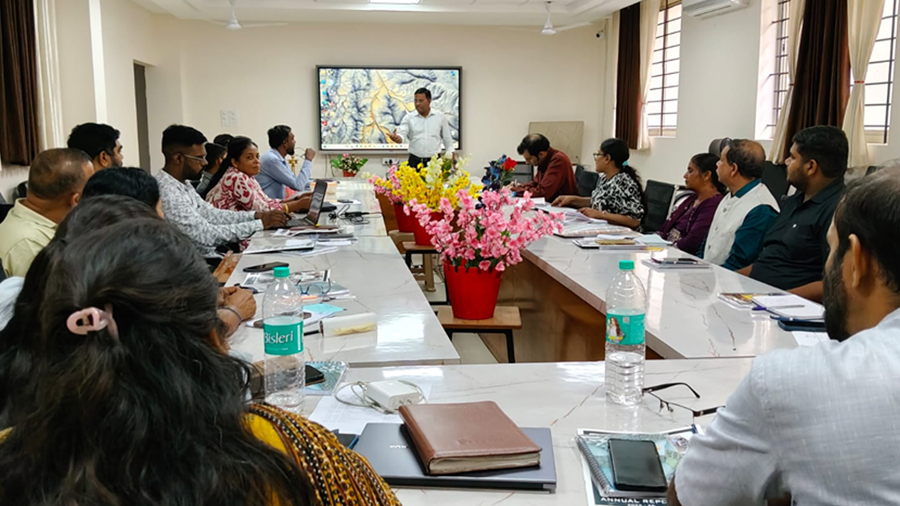
Dr. Mukund Deshmukh, Assistant Programme Lead, said the programme had achieved remarkable outcomes despite limited geographical coverage and modest financial and human resources, enabling women to participate confidently in local governance, claim their rights and entitlements, and build sustainable livelihood opportunities.
Partners at the meeting drew up strategic action plans to strengthen women’s leadership, prepare the next generation of community leaders — particularly adolescent girls — and promote women-led entrepreneurship through enhanced financial literacy, improved access to credit, and market linkages.
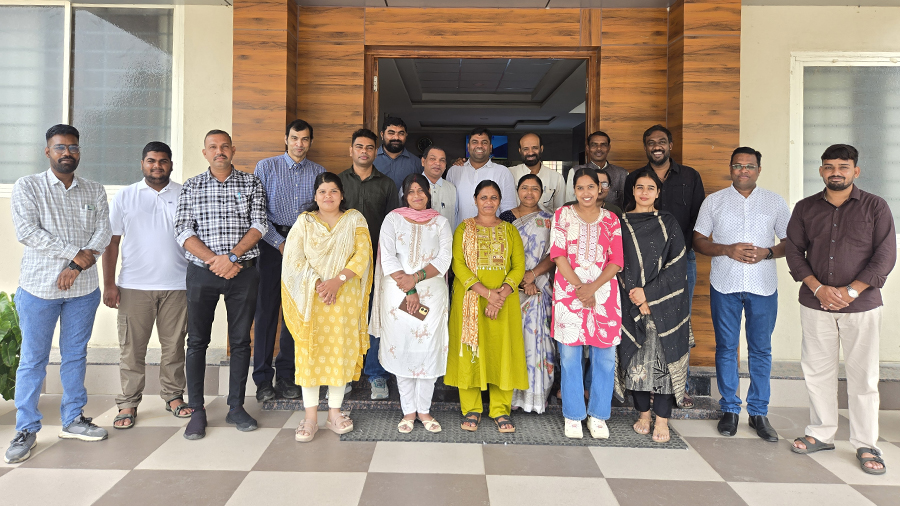
The meeting was attended by Fr. Rakesh, Executive Director, KVM, Vadodara; Fr. Aneesh, Executive Director, Navjeevan Trust, Rajkot; and Fr. Shinoj, Executive Director, Janvikas Society, Indore, along with programme outreach workers, finance associates and community facilitators from partner organisations.
Speaking at the meeting, Fr. Rakesh said the establishment of the Farmer Producer Company with 1,200 farming families was among the programme’s most significant achievements. “Through Sanjivani, women gained the confidence to raise their voices, claim their rights, and become community leaders,” he said, thanking Misereor and Caritas India for their continued support in making the programme possible.
Upcoming News
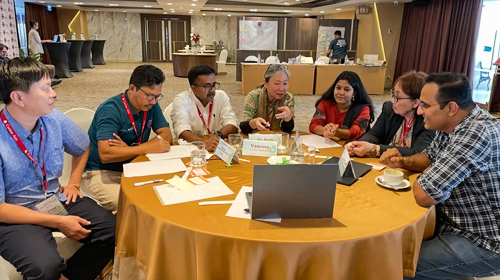
Caritas India Showcases Grassroots Resilience and Women in Leadership at Bangkok Humanitarian Forum
Caritas India placed grassroots climate adaptation and women’s leadership at the centre of regional disaster...
LEARN MORE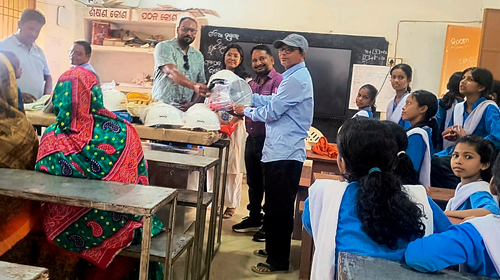
Odisha Schools Armed for Disasters as Caritas India Equips Coastal Classrooms
Caritas India has handed over specialized Comprehensive School Safety Kits to four vulnerable educational institutions...
LEARN MORE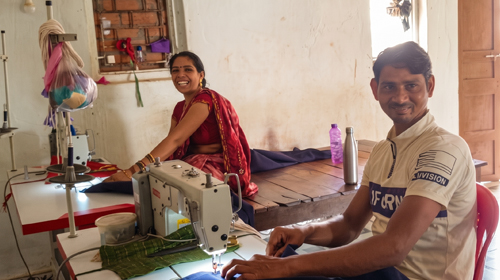
How Family Livelihood Built a Khushaal Bachpan in Bastipara
In Bastipara, a small hamlet of Kevradih village under Sirri Panchayat, Chhattisgarh most families depend...
LEARN MORE 91 -11 - 23362735
  director@caritasindia.org


