
 91 -11 - 2336 3390
  director@caritasindia.org
 Safeguarding is moving from paperwork to people: An experience of a certified trainer
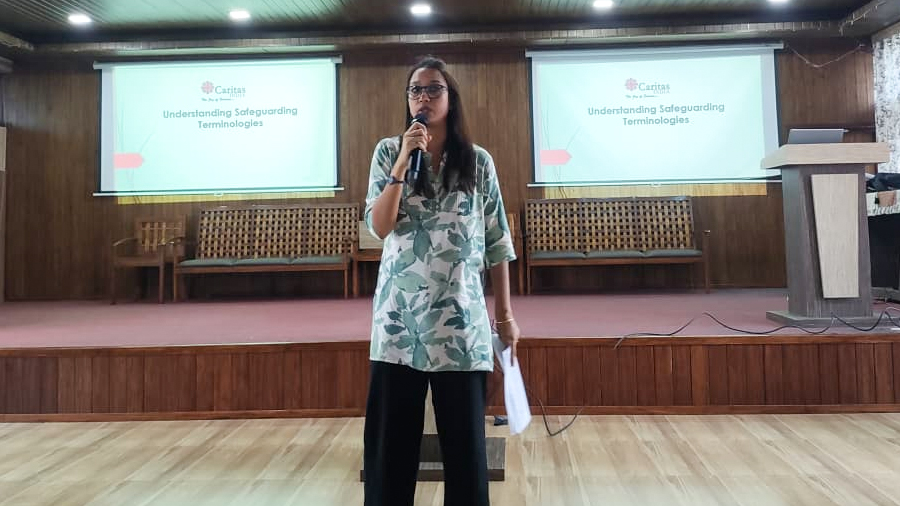
A safeguarding trainer certified through Caritas India’s Training of Trainers (ToT) programme speaks about taking child and adult protection into the parish and what it takes to change a diocese’s mindset.
Caritas India has in recent years pushed safeguarding to the centre of its programme work, running a modular Training of Trainers (ToT) that equips diocesan and institutional staff to carry the message forward in their own communities. One such trainer, Ms. Chaya Kalita, from FAsCE India org, MSFS congregation based in the Guwahati Province, has since trained roughly 30 people, including teachers, youth leaders, volunteers, student interns and community workers, in parish and classroom settings.
Before the training, safeguarding meant “child protection” to most people, including you. What changed?
That was exactly my starting point: abuse prevention, child safety in schools and institutions. The training broadened that considerably. Safeguarding, I learned, is about protecting all vulnerable people, including children, youth, women, the elderly and persons with disabilities, and building that safety into every programme, not just child facing ones. The turning point was a session on safeguarding terminologies, where case studies showed how harm can occur even with good intentions if boundaries aren’t clear. From then on, safeguarding stopped feeling like a rulebook and started feeling like a shared responsibility.
Walk us through an actual training session you conducted.
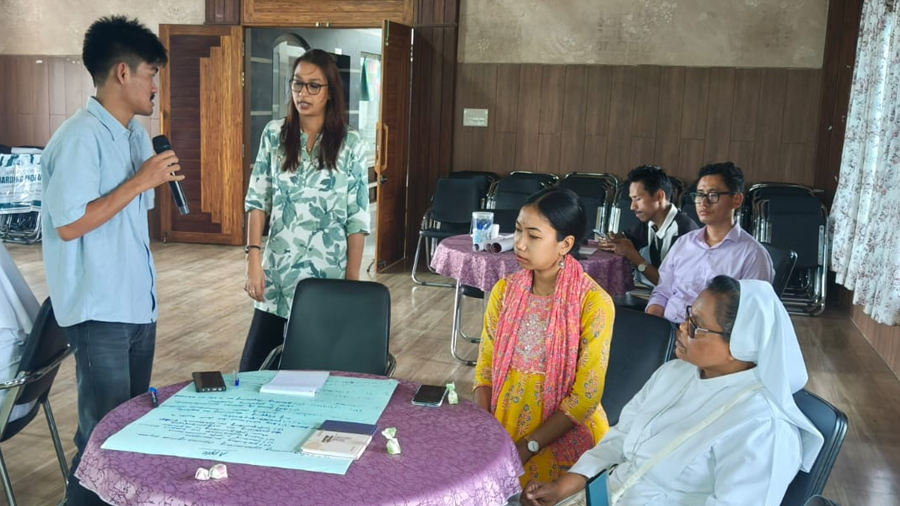
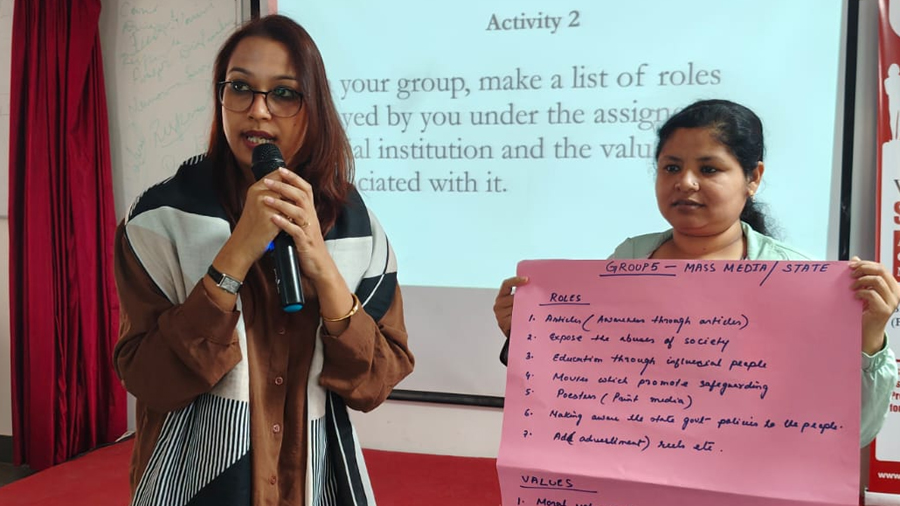
It was mostly teachers, with a few youth leaders, volunteers, student interns and community workers. We used parish and classroom examples and ran group discussions, which landed well because the teachers could map it directly onto their own work. The risk mapping exercise, done for classrooms and parish programmes, was the most engaging part of the day. What surprised me was how many teachers said they had noticed troubling situations before but hadn’t known how to respond or whom to report to. By the end, the room agreed safeguarding was part of a teacher’s job, and we appointed focal persons for follow up.
Have you helped build reporting structures on the ground, and which of the training’s tools have you actually used?
Yes. We formed an Internal Complaints Committee with both male and female members, including one external member, and ran an orientation on how to report a concern confidentially and without fear. In the field, I’ve used risk assessment checklists at parish events and summer camps, stakeholder mapping to work out who needed to be involved, and the case management and referral pathway from the training to respond to and document a concern raised by a youth group.
What resistance did you run into, and how does that play out differently in a rural or tribal setting?
Some staff initially read safeguarding as an implicit accusation: “we don’t trust each other.” A few clergy worried it would breed fear. We reframed it as care rather than suspicion, and the resistance eased once people saw the tools were practical. In rural and tribal settings specifically, close community ties can make people reluctant to report, for fear of stigma or “bringing shame to the community.” Language, local custom and limited resources all come into play, so we lean on local stories, simple language, and trusted community leaders to make the ideas land.
How do you handle a disclosure from a child or a vulnerable adult after a session?
We follow a four step process: listen without judgment, never promise secrecy, reassure the person, and report immediately to the designated safeguarding person or the ICC. Every concern is documented factually and followed up through the proper channel, with the person’s safety and dignity kept central throughout.
Is there one story, anonymised, where safeguarding awareness made a tangible difference?
At a children’s summer camp, a teacher noticed a child sitting apart from the group, visibly uncomfortable during activities. Because of the training, she recognised it as a possible sign of distress, spoke to the child privately and gently, and reported it to the camp’s safeguarding focal person. The process kicked in: parents were informed, supervision was adjusted using the two adult rule, and the child was supported back into the group. It was a small observation, but knowing how to act on it made the difference.
Has your institution’s culture actually changed, or is safeguarding still a compliance box to tick?
It’s shifting. It used to be treated as something donors required on paper. Now it comes up in parish planning meetings and is being built into staff induction. There’s still ground to cover, but the mindset is moving from paperwork to people.
What support do you still need from Caritas India, and what would you tell a colleague about to start their own ToT journey?
We could use refresher ToTs and training material in local languages, sample policies and reporting formats we can adapt for parish use, and mentoring or peer learning spaces for trainers across provinces. As for advice, go in with an open mind. Safeguarding will challenge some of your assumptions, but it also hands you tools that genuinely help people. Start small in your own institution: the change begins the moment you take ownership of it.
Upcoming News
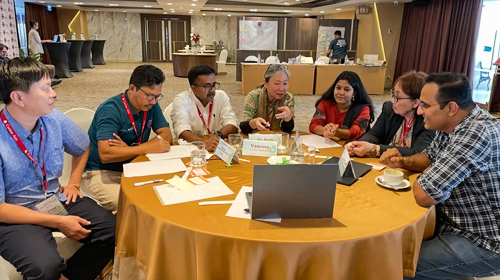
Caritas India Showcases Grassroots Resilience and Women in Leadership at Bangkok Humanitarian Forum
Caritas India placed grassroots climate adaptation and women’s leadership at the centre of regional disaster...
LEARN MORE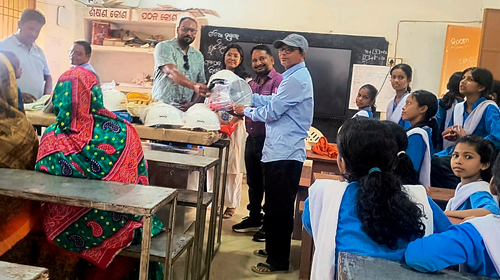
Odisha Schools Armed for Disasters as Caritas India Equips Coastal Classrooms
Caritas India has handed over specialized Comprehensive School Safety Kits to four vulnerable educational institutions...
LEARN MORE
How Family Livelihood Built a Khushaal Bachpan in Bastipara
In Bastipara, a small hamlet of Kevradih village under Sirri Panchayat, Chhattisgarh most families depend...
LEARN MORE 91 -11 - 23362735
  director@caritasindia.org


