
 91 -11 - 2336 3390
  director@caritasindia.org
 How important is core humanitarian standards in humanitarian work?
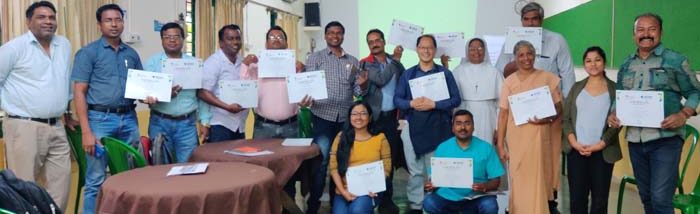
The past decade has witnessed increasing number of humanitarian crises all over the world, with India having a fair share of quite a number of such natural disasters and regional instabilities. The higher instances of such events have resulted in increased deployment of actors from the NGOs and other Civil Society Organizations in some of the most difficult and challenging environments. However the question arises as to how far the agencies and organizations have succeeded in meeting the adequate needs of the affected community or maintain timeliness of their response; besides there are also questions pertaining to the humanitarian actors’ adherence to a greater accountability towards the affected masses and the various stakeholders involved in the due process. The primary question is whether an NGO should be held accountable for its humanitarian work or who should it be accountable to? There have also been an increased dilemma associated with an agencies’ approach towards the core humanitarian principles of humanity, impartiality, neutrality and independence.
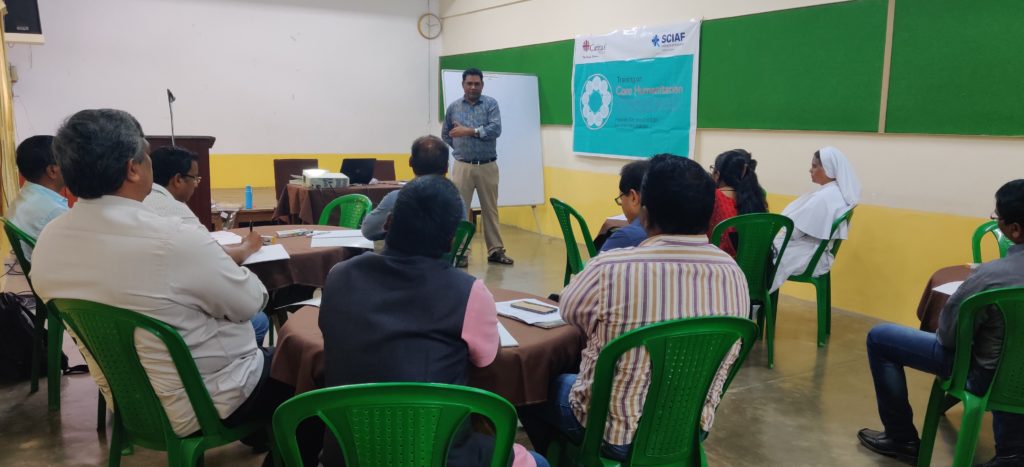
In an attempt to address the underlying notions associated with quality and accountability in humanitarian response, Caritas India organized a two days training of its partners on the Core Humanitarian Response (CHS)in Kolkata. On 20th and 21st February, team from the DRR desk facilitated sessions to exchange knowledge and ideas on the CHS and brainstormed on possible ways they could intervene in upholding the commitments to the affected population aswell as to the donors, government and other stakeholders. In the course of the two days session, the team explored:
- What is CHS, what are the nine commitments, how are the humanitarian principles related.
- How do the nine commitment contribute to the delivery of quality humanitarian response.
- How the NGOs can act as advocates on the importance of quality, accountability and good people management in humanitarian action.
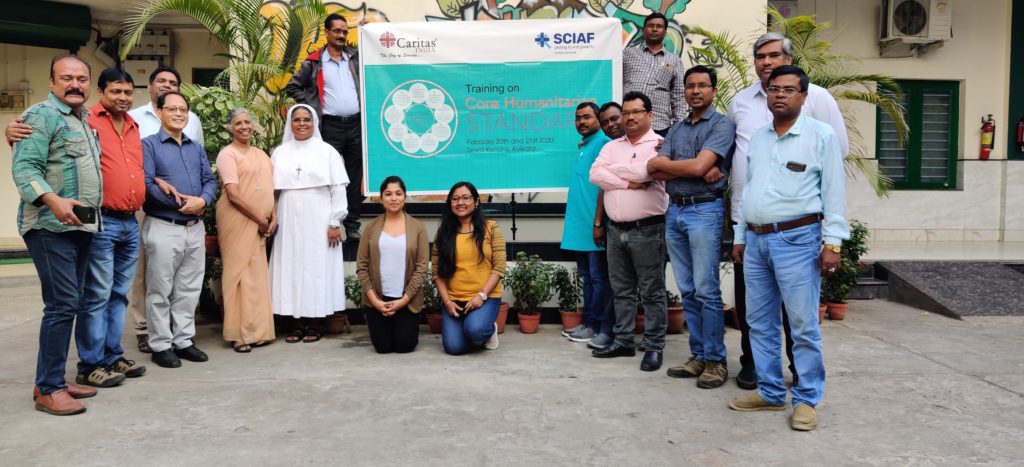
Directors and representatives from 13 partner NGOs/Diocesan Social Service Societies from North, East and North East zones participated in the program.
The two days event was based on group learning sessions, enabling participants to share their experience and insights with one another and citing such examples in the application of CHS.
The CHS was launched in 2014 and is a voluntary standard containing 9 commitments, which act as key reference point for humanitarian actors to support quality and accountability in all programmes.
Upcoming News
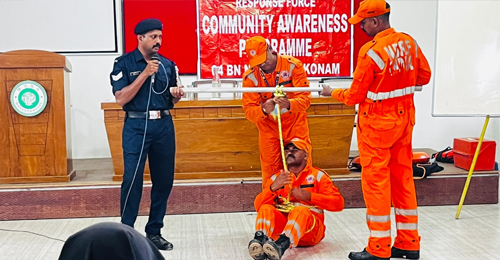
Ropes and Sacks Become Lifesaving Tools as NDRF Trains Wayanad’s First Responders
Long before an ambulance can reach a flooded village or a landslide hit hillside, it...
LEARN MORE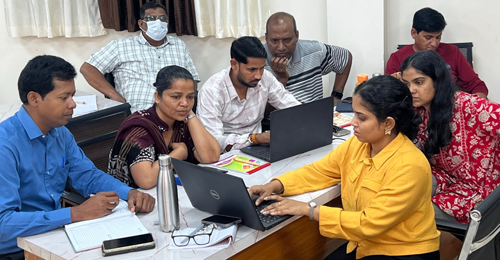
Caritas India Trains Partner Organisations in Evidence Based Project Proposal Writing
Some of the strongest community projects never get built, not for lack of need or...
LEARN MORE
A Grocery Shop, a Mother’s Resolve, and Three Daughters Who Stayed in School
Three young girls in this remote village are attending school regularly today because their mother...
LEARN MORE 91 -11 - 23362735
  director@caritasindia.org


