
 91 -11 - 2336 3390
  director@caritasindia.org
 Building climate resilient agriculture practices for flood affected communities
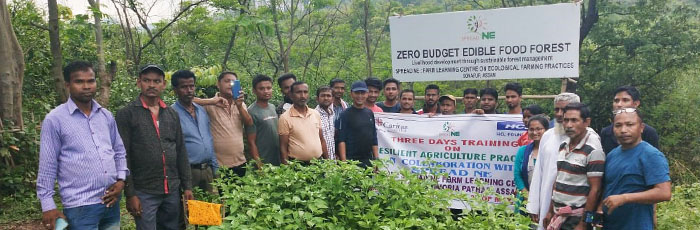
Very less progress is done to address the situation of agriculture communities in the flood-affected areas. Their situation is more vulnerable to climate change. If farmers are not assisted to meet these changes, agriculture yields, and sustainability of the people will be impacted. Therefore, we need to adapt to climate resilient strategies and practices.
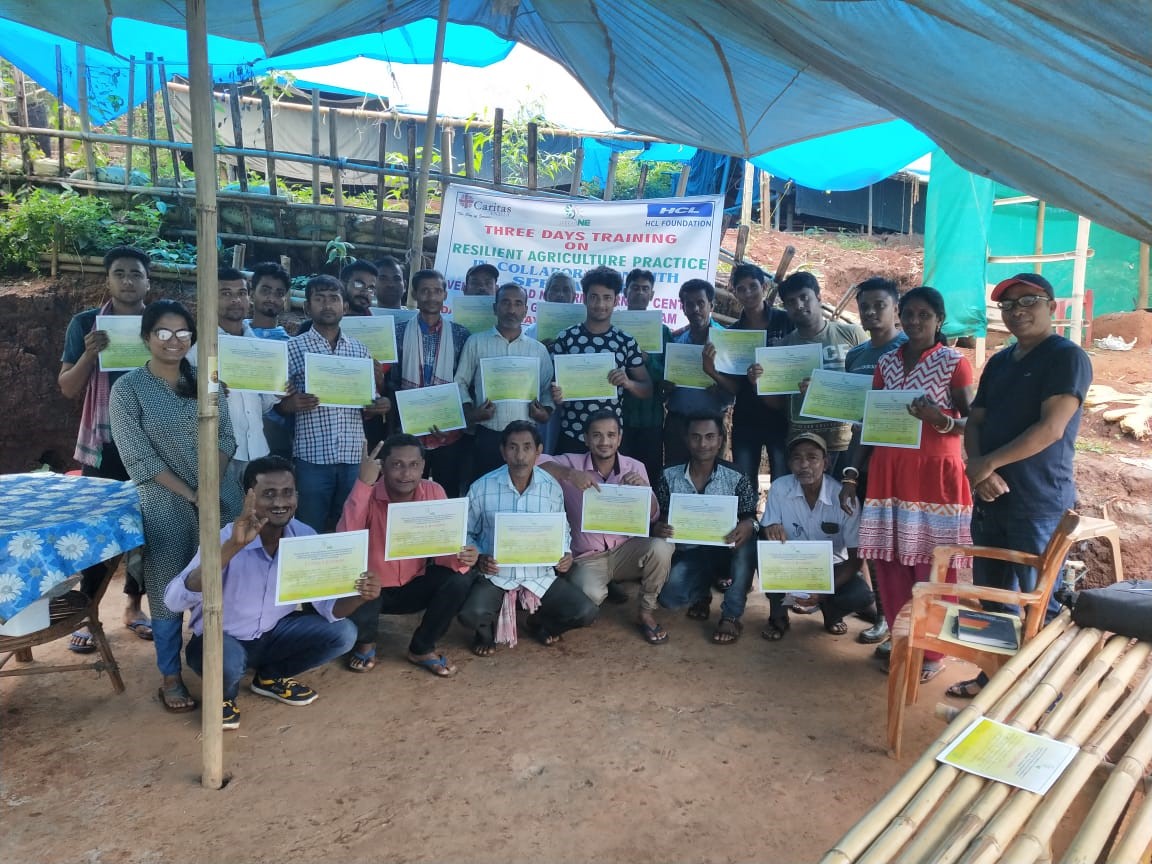
Caritas India under the HCL flood recovery phase of Building Resilient Communities’ program has organised a three days training programme on Resilient Agriculture Practices from 1st to 3rd May 2019 in the beautiful green hilltop view in Sonapur Assam Spread NE- farm learning center on ecological farming practice. The training was provided to 33 farmers from 15 flood affected villages in Karimganj district of Assam. The Farmers interest group (FIG)members of the Flood Affected Area had come to learn the low cost and organic farming practices, livelihood development through sustainable forest development. The programme was held under the HCL supported programme entitled Building resilient communities through recovery support to flood-affected communities in Karimganj district of Assam.
“The farmers must understand the conspiracy under the revolution of new techniques and methods of farming, which is using indigenous seeds of farming using new technology equipment’s of farming as per him God has created the beautiful nature and he has made each land self-equipped to make their own food”, shared Sameer Bordoloi, the resource person of the training. He stressed that we must use the tools and techniques of our own self to be self-sufficient to fill our stomach and others too by using organic and zero cost methods of farming and with that promoting the foods which are traditionally grown in the specific lactation.
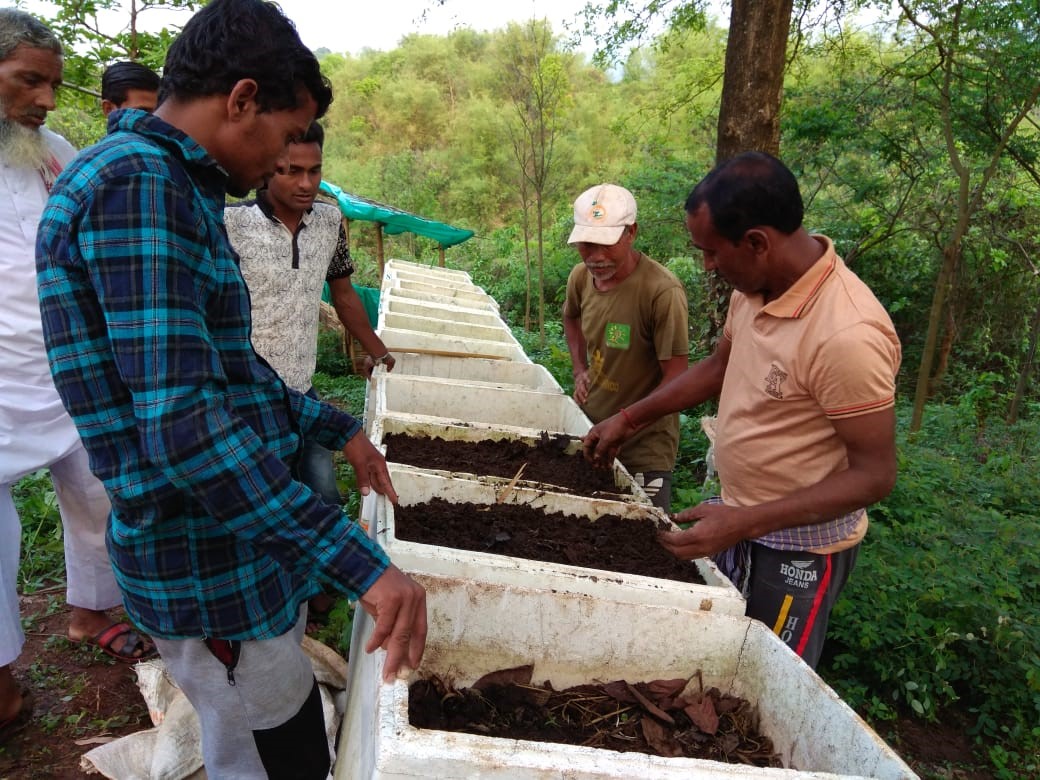
The hands-on training was organized to learn about organic fertilizers like vermicomposting, heap composting and trench composting. The farmers were given an insight into the benefits of using such composts. Farmers were also trained on how to fertilize the land by using the naturally available resources such as cow dung and urine, rice husk, termite hill soil, wood ash, dry and green leaves, bamboo, etc.
Orientation on ‘bamboo biochar’ was given to the farmers. It is prepared by burning bamboo and then stored in a jute bag. This charcoal of bamboo is used as a natural fertilizer to the soil.
Farmers were also given knowledge of indigenous seeds preservation and treatment along with organic manure preparation.
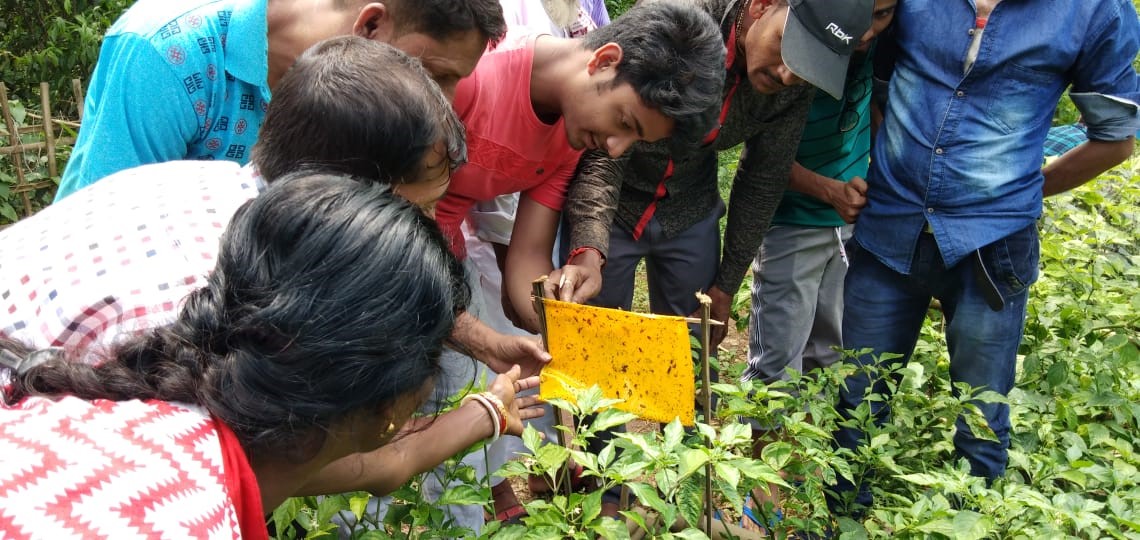
The sessions on bio-intensive raised bed permaculture and planting design were impressive in terms of its approach. Farmers interacted with the resource person with their queries and curiosities. One of the major concerns that the farmers shared was the infestation of their crops by pests other than floods. They sought remedies for control of pest attacks on standing crops. The resource person responded to such issue by giving them possible organic solutions for pest control. He also shared some marketing schemes and encouraged the farmers to market their products to improve their income.
Upcoming News

Ropes and Sacks Become Lifesaving Tools as NDRF Trains Wayanad’s First Responders
Long before an ambulance can reach a flooded village or a landslide hit hillside, it...
LEARN MORE
Caritas India Trains Partner Organisations in Evidence Based Project Proposal Writing
Some of the strongest community projects never get built, not for lack of need or...
LEARN MORE
A Grocery Shop, a Mother’s Resolve, and Three Daughters Who Stayed in School
Three young girls in this remote village are attending school regularly today because their mother...
LEARN MORE 91 -11 - 23362735
  director@caritasindia.org


