
 91 -11 - 2336 3390
 director@caritasindia.org
Sabal Farmer become self-reliant practicing natural farming
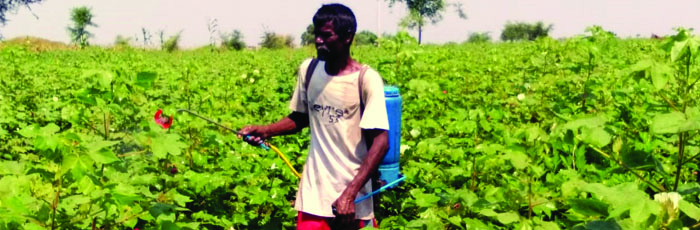
Two years ago, Fattu Bhaiyalal (48) was unaware of the potential of organic farming. The farmer collective member of Sabal program believed the inorganic method as the most viable option for instant yield. His steadfast belief wrecked as he suffered huge loss due to crop failure last year.
With barely 2.5 acres of land and a single bread earner of a family of seven, he ended up in heavy debts; facing the dearth of adequate food availability to sustain his family needs.
Generally, farmers take loans to buy pesticides, fertilisers and even modified seed varieties to increase their production. These inorganic inputs destroy the soil’s productivity by damaging the natural regeneration process and organism helpful for production.
Caritas India Sabal team during the regular meetings conduct training on the preparation of various nutrient and pest management solutions for the collective members. Bhaiyalal started attending the Sabal meetings where he started learning about the benefits of sustainable agricultural practices and how it helps the farmers to become self-reliant and climate resilient.
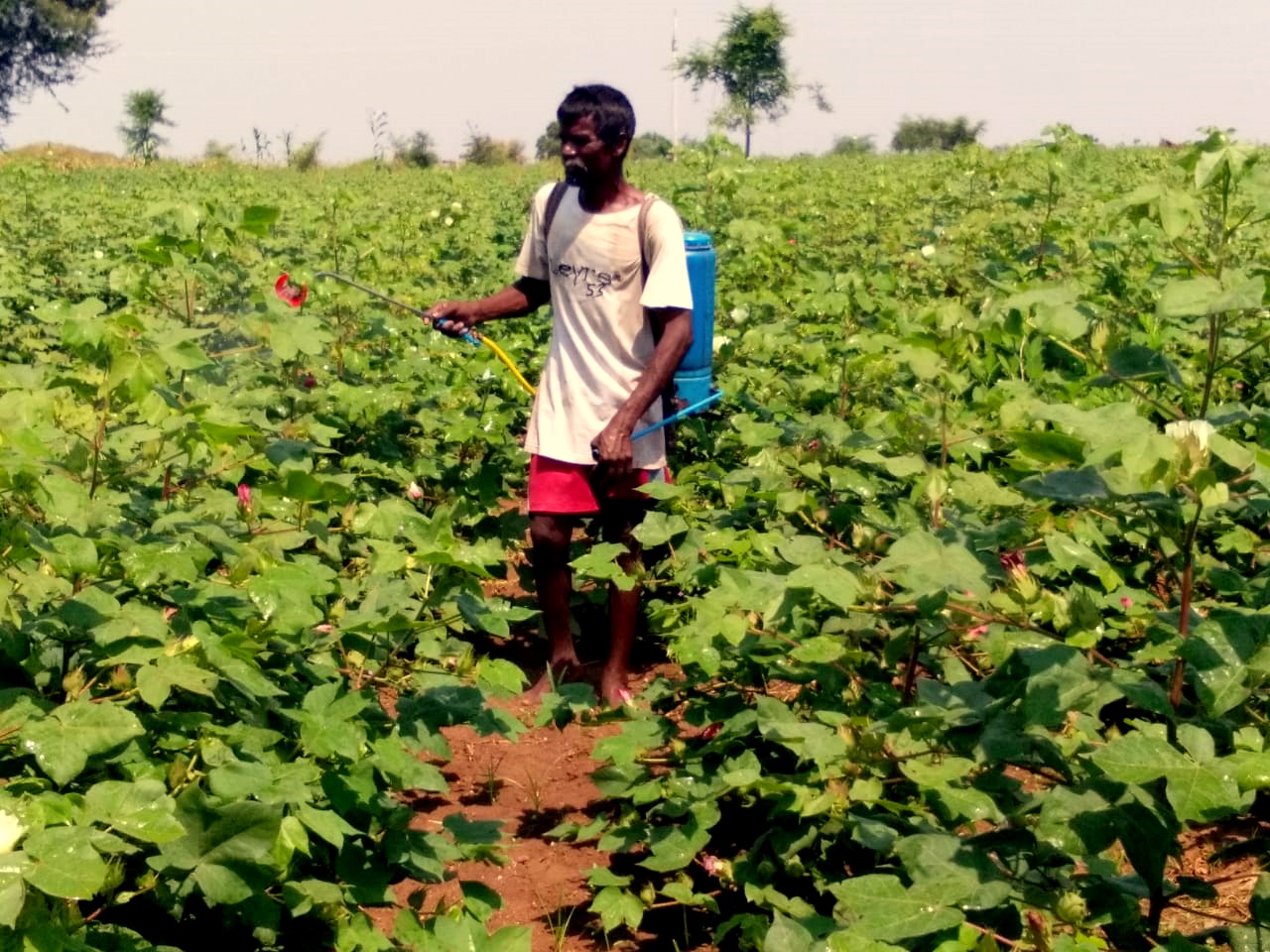
He voluntarily came forward to give his name for developing the trial plot in the field to learn about the benefits of organic solutions. During the Kharif season, Bhaiyalal cultivated pigeon peas and cotton in his field. He requested the Nutrition Health Worker (NHW) to teach him some pest repellent solutions to be broadcast in the field as he is unable to buy the high-priced chemical solutions. Manang Silve (Spandan – NHW) trained him to prepare LAMIT made from garlic, chilli and tobacco leaves and also explained the cost comparison with chemical solution.
Bhaiyalal prepared the LAMIT pest-repellent solution and broadcasted on his field. After couple of use he witnessed the changes in the crop. “Maine sirf 2 baar Lamit ka ghol khet me chidka aur abhi koi kheeda nhi dikh rha” (Only twice I sprayed the LAMIT solution on my field and I don’t find any pest now) – Bhaiyalal said. “Agar pehle hi aisa ghol bhana shuru karta toh mujhe jyada nuksaan nhi jhelna padta” (If I would have started preparing the solutions earlier itself I wouldn’t have had to face so much losses) – he added.
Now Fattu Bhaiyalal is regularly practicing new organic methods and treating his crop in the field. He also committed to purely do organic farming during the Rabi season. Organic farming slashes cultivation and input costs by using cheaper, natural products like manure instead of chemicals and fertilisers.
Upcoming News
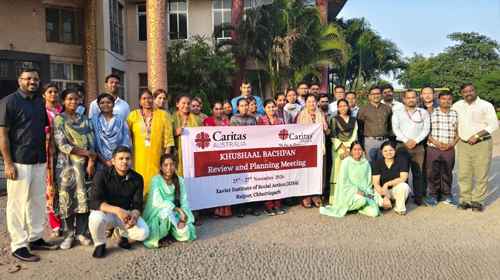
Khushaal Bachpan Sets Sights on Becoming a “Model Programme”
The Khushaal Bachpan (KB) programme will aim to become a model for child-centred development in...
LEARN MORE
Caritas India extends humanitarian assistance to cyclone affected families in Andhra Pradesh
Caritas India, in collaboration with Diocesan Social Services, has initiated humanitarian assistance for cyclone affected...
LEARN MORE
Madhya Pradesh dioceses learn from Kerala’s Biowin model to build farmer-owned agro-enterprises
Social service societies from across Madhya Pradesh were oriented on building sustainable, farmer-centred agro-enterprises at...
LEARN MORE 91 -11 - 23362735
 director@caritasindia.org


