
 91 -11 - 2336 3390
  director@caritasindia.org
 Reviving traditional wisdom to address malnutrition
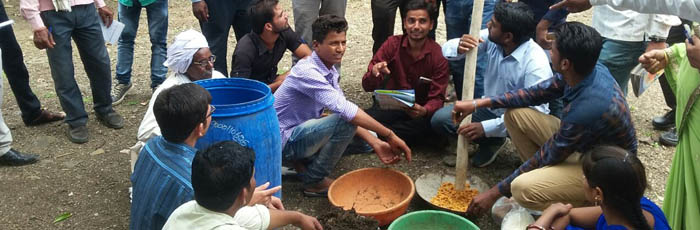
Reviving the traditional practices of agriculture can safeguard human health and reduce rising air and water pollution, high greenhouse gas emissions and address the malnutrition.
The benefits of switching towards organic farming system would be seen in the interest of human and animal health, along with improvement in soil and water quality.
SABAL, an initiative of Caritas India supported by BMZ Germany to ensure food security and enhance nutritional status of the Korku tribe in Madhya Pradesh. Korku have been in reckoning in recent decades for alarming malnutrition and hunger.
Malnutrition among Korku is a complex problem with multiple causative factors and chief among them are sustained livelihood through agriculture. Seasonal migration and crop failure for three years has increased the debt of the families.
The programme aims to address malnutrition by enhancing food security with diversification in food production and intake for 3000 Korku households. Sustainable Agricultural Practices were introduced for better soil and irrigation system for a more sustainable use of natural resources like soil and water.
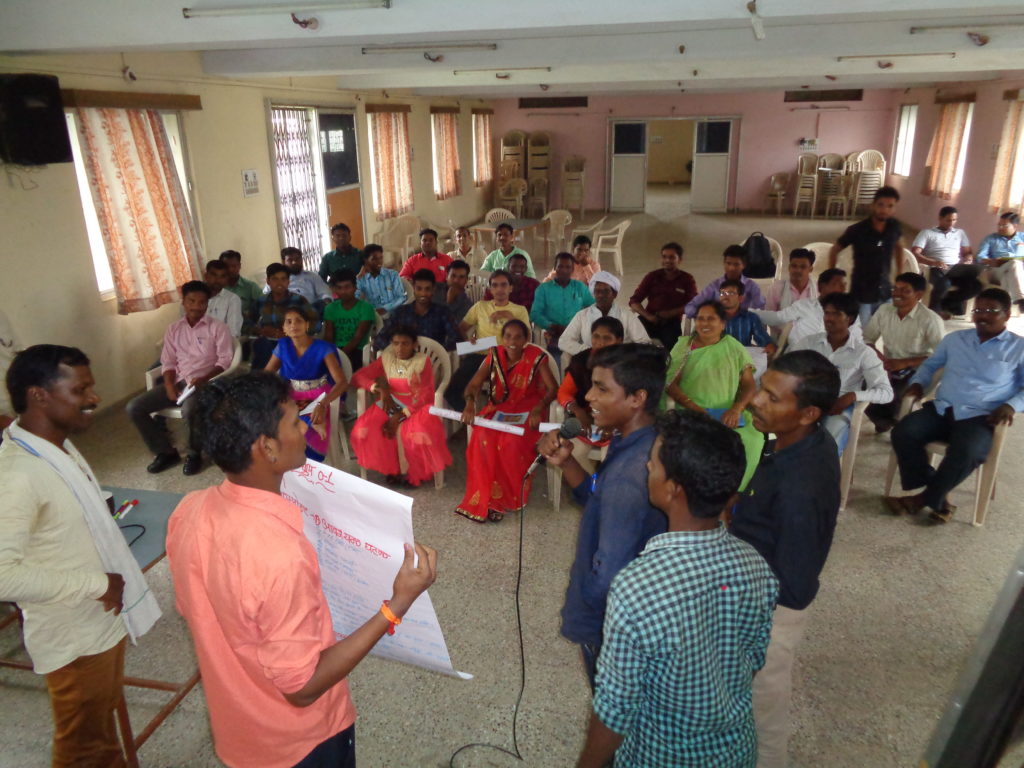
Poshan Mitras and staff of SABAL programme were trained on Sustainable Agriculture Practices by Mr. Mukund Deshmukh, the social development officer of Caritas India CESSS programme. The two days residential training on July 3-4, 2017 at Khandwa helped the participants to understanding the effectiveness of sustainable agricultural practices thereby promoting the best use of available resources (locally) followed by minimizing the use of non-renewable resources. The training had practical sessions to develop and/or enhance the knowledge and competence of the participants which can be used at field level for enhancing the skills of the farmers in the targeted villages.
Mr. Mukund briefly shared the geographical settings of the melghat region relating to the agricultural practices by the Korku farmers and effects of Green revolution on the marginalised or small holder farmers.
Practical session dealt with different INM & IPM techniques through different Organic Manure & Organics repellents were prepared by the participants. Poshan Mitras were confident to practice the Integrated Nutrition Management (INM) & Integrated Pest Management (IPM) techniques at village level so that all the local farmers can be trained and food production, quality of the food & food security can be ensured thereby improving the soil health. Six monthly action plans were developed by the participants to promote sustainable agriculture practices at their level. Program Manager of SABAL, Mr. Robin George appreciated and thanked all for their participation.
Upcoming News
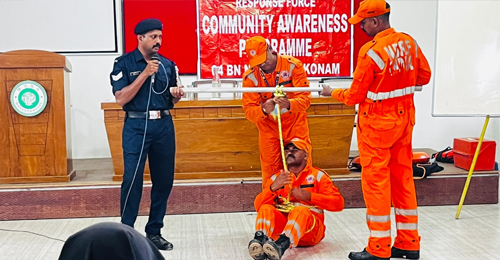
Ropes and Sacks Become Lifesaving Tools as NDRF Trains Wayanad’s First Responders
Long before an ambulance can reach a flooded village or a landslide hit hillside, it...
LEARN MORE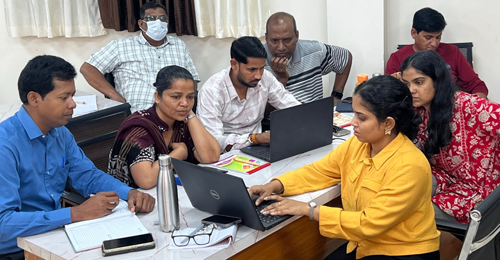
Caritas India Trains Partner Organisations in Evidence Based Project Proposal Writing
Some of the strongest community projects never get built, not for lack of need or...
LEARN MORE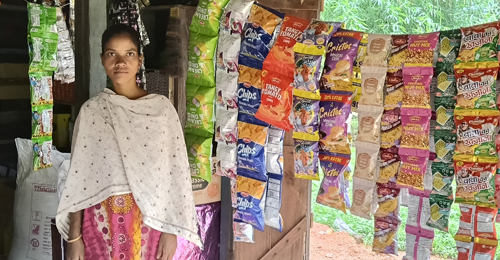
A Grocery Shop, a Mother’s Resolve, and Three Daughters Who Stayed in School
Three young girls in this remote village are attending school regularly today because their mother...
LEARN MORE 91 -11 - 23362735
  director@caritasindia.org


