
 91 -11 - 2336 3390
  director@caritasindia.org
 When Gaurav Sansare, a student from the College of Social Work, Nirmala Niketan, arrived in Dangbira, Jharkhand, he carried with him an academic understanding of development—full of structured models, theories of community engagement, and a belief in planned interventions. As part of his field placement with Caritas India’s Khushaal Bachpan program, Gaurav expected to witness textbook practices in action. What he discovered instead was something far more transformative.
“I expected to witness a direct application of the theories and models studied in social work, particularly regarding community engagement and child protection,” he shared. “But in the field, I saw that it is not so simple. It takes time, and it depends a lot on people’s culture, trust, daily work, and local problems.”
Gaurav’s experience in the villages challenged many of his assumptions. While development theory often outlines linear processes and structured outcomes, he saw how poverty, cultural dynamics, and survival needs could influence even the best-laid plans. One of his most striking observations was seeing children drop out of school—not from a lack of interest in learning, but to collect tendu patta in the forest to support their families.
“This made me realize that development work has to match the real life and needs of the people,” he reflected. “Not just what we learn in theory.”
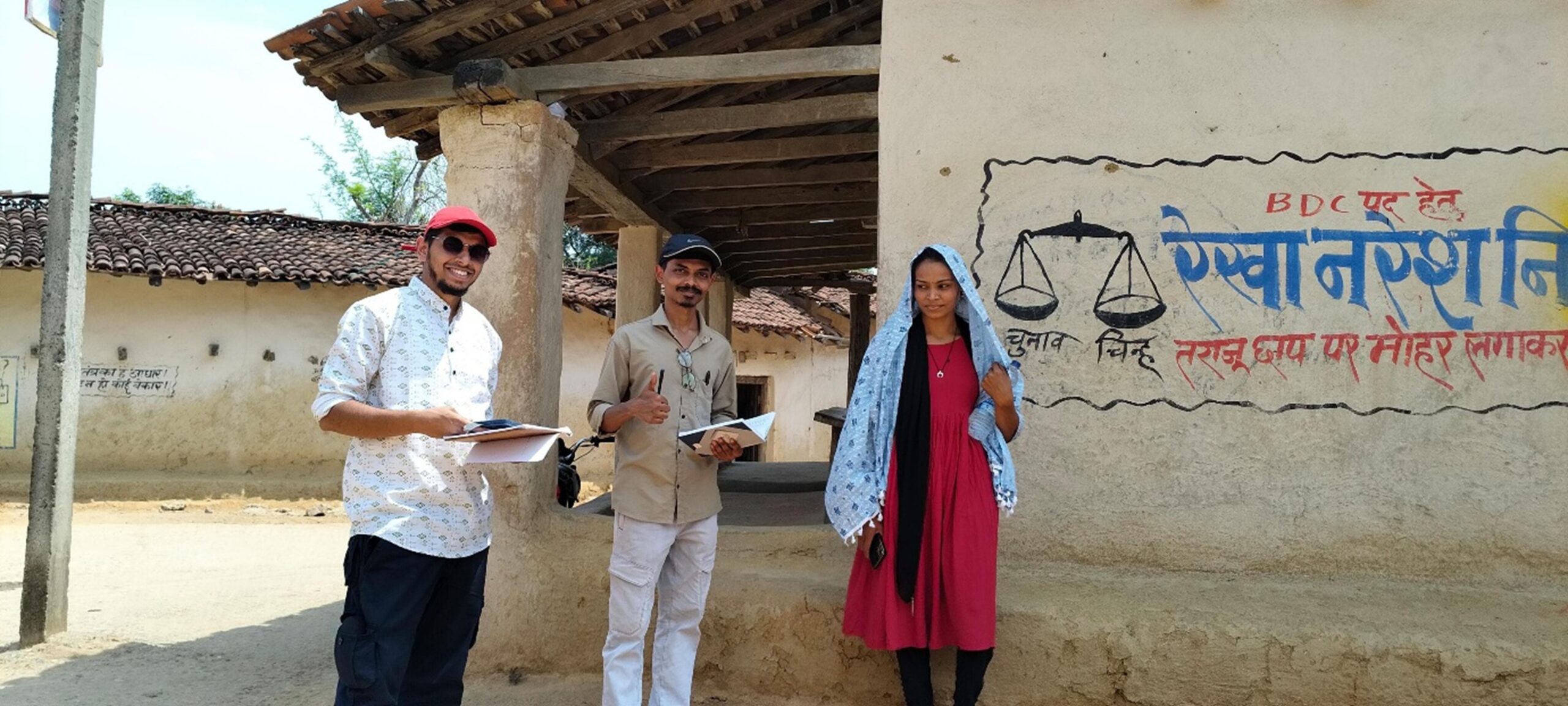
During his internship, Gaurav engaged closely with the Khushaal Bachpan team and community members. He was particularly inspired by the local Caritas staff, many of whom came from the same villages they now serve. Their persistence and deep-rooted connection with the people left a profound impact on him.
“Witnessing the commitment of local Caritas staff who had grown into community leaders changed my view,” Gaurav said. “Despite limited resources, their deep connection and continuous presence were far more impactful than any external intervention.”
Gaurav also observed the tangible impact Khushaal Bachpan was having in the lives of children and families. He noted how awareness around child rights, education, and protection was gradually growing. Girls were participating more confidently in school and in community forums, and children’s councils were becoming more active in some villages. One story that stood out to him was of a young mentor who initially lacked confidence but, with steady encouragement, began leading group sessions and managing documentation. According to Gaurav, “Her transformation showed how consistent support and a nurturing environment can unlock someone’s true potential.”
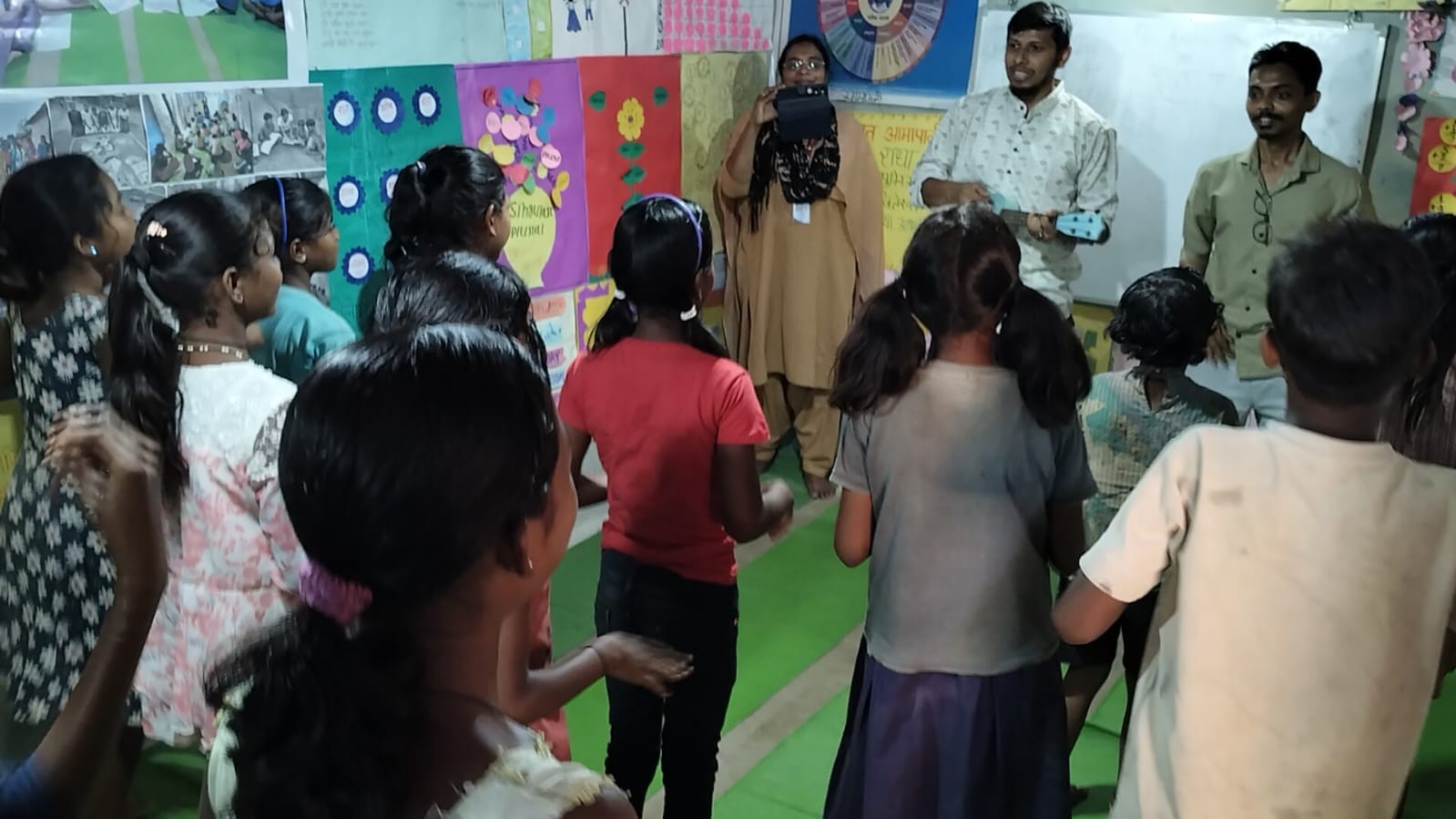
He appreciated how the program paid special attention to children transitioning beyond class 8, a time when many are at risk of dropping out. The provision of boarding facilities and support for open schooling had opened new doors for many students. For those interested in vocational education, Khushaal Bachpan also created avenues for skill development. “All these efforts work together to support children’s education and career growth,” Gaurav emphasized.
But it wasn’t just the professional insights that shaped Gaurav’s journey. His experience also brought moments of emotional vulnerability and learning. He recalled incidents that revealed both the physical and emotional risks of working in remote areas—like the shock of encountering a snake in the kitchen or witnessing a sudden outburst from a local youth. Yet, these moments were balanced by the care shown by the community, especially village elders and leaders, who stood by the interns when they needed support.
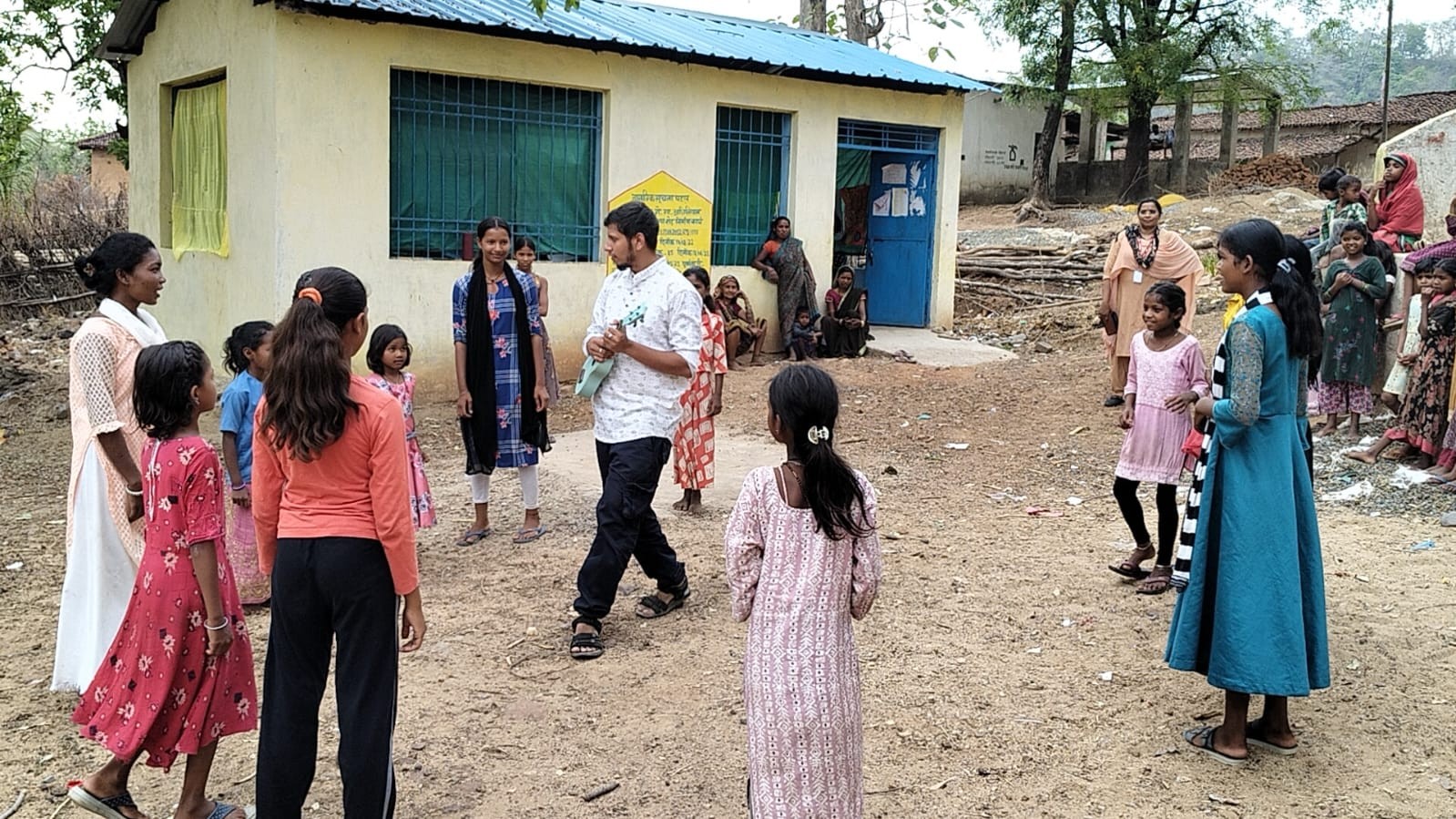
“The people were kind and welcoming, and they treated us like part of their community even though we were outsiders,” he said. “Their warmth and strength, even when facing difficulties, taught me a lot.”
Reflecting on his time in Dangbira, Gaurav believes that empowerment isn’t just about providing resources—it’s about building relationships, earning trust, and walking with communities at their own pace. “The ability to listen deeply and build trust gradually is something I will carry forward,” he said. “Development is not about doing things for people. It’s about doing things with them.”
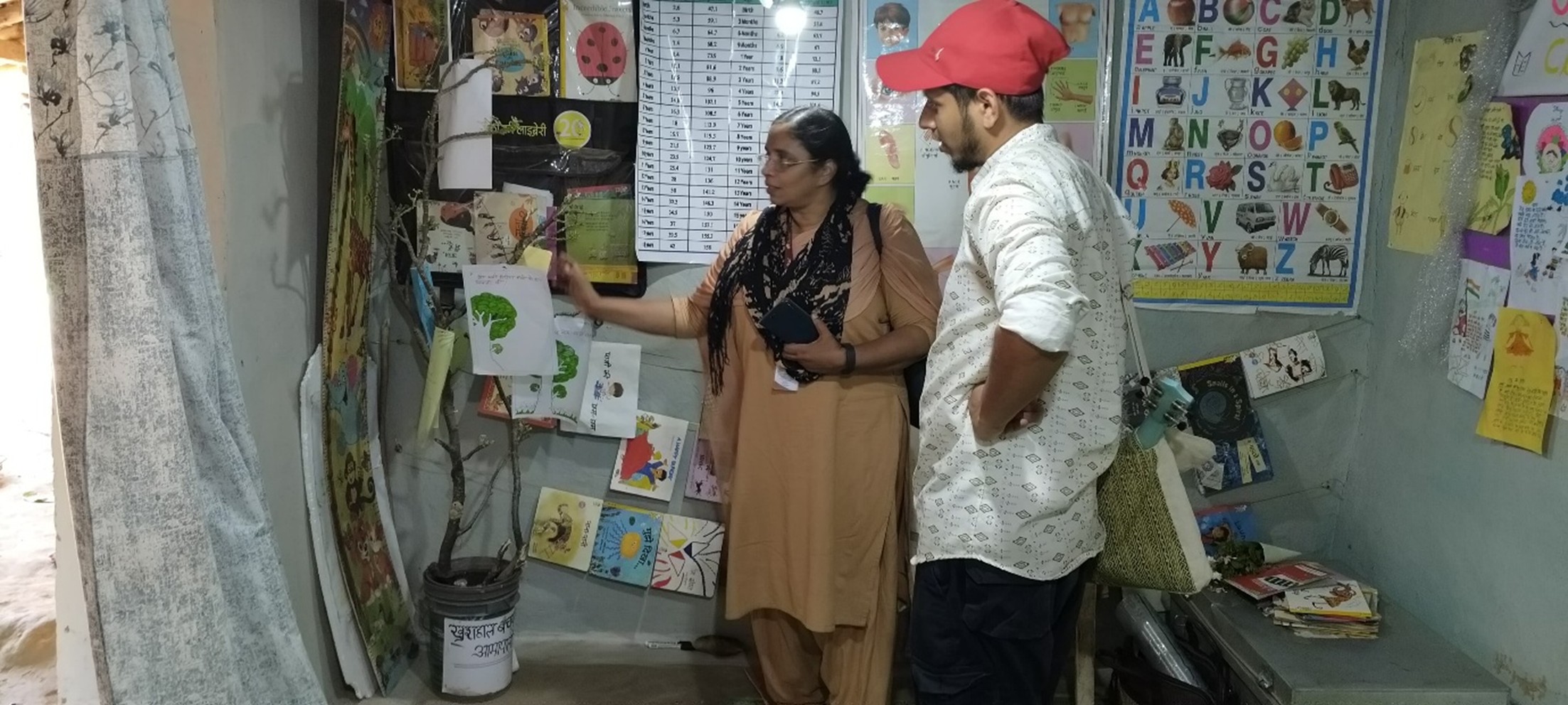
As Caritas India continues to scale and deepen its Khushaal Bachpan interventions across tribal regions, reflections like Gaurav’s offer powerful validation of our people-led approach. His story is not just a student’s field report—it is a testament to the transformative potential of inclusive, grassroots development.
Gaurav encourages other students to volunteer with programs like Khushaal Bachpan, calling it a deeply enriching experience that bridges the gap between theory and lived reality. “It helps students grow personally and professionally by teaching them what it really means to be a social worker,” he concluded.
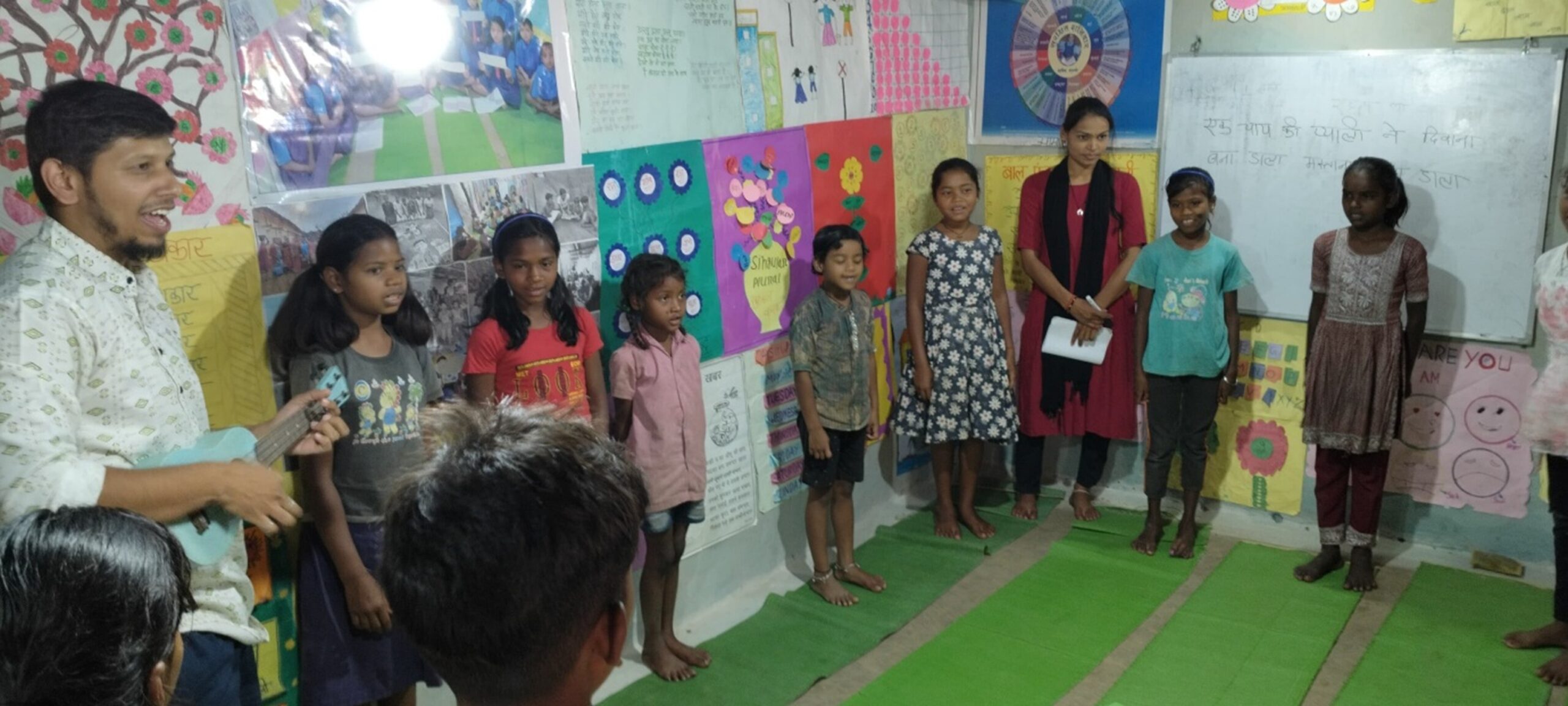
Through stories like Gaurav’s, we are reminded that change begins not just in strategy rooms or policy papers—but in the hearts and hands of those who choose to listen, walk alongside, and believe in the strength of communities.
Manika came to Delhi 15 years ago, having migrated from the village of Tanger Toli Belkuba, Tehsil-Bolba Simdega, Jharkhand. She spent 2.5 years working as a domestic worker at Karol Bagh, Delhi. Following that, she returned to her hometown and worked as a daily wage worker and in agriculture for several years.
While living in village she faced domestic violence by her husband, husband’s sister-in-law, and mother-in-law. Her husband committed suicide by consuming poison in front of her. Her mother-in law thrown her out from the house, “saying that what will you do here if my son is no more now” therefore she decided to come Delhi again to save her life leaving her daughter and son with her brother.
She visited Delhi in November 2023 and stayed at a shelter home close to Bangla Saheb Gurudwara, New Delhi. She told us that she had a terrible experience there because the locals there had treated her horribly. She managed to stay between drug dealers and criminals despite not having enough money to travel to a safer location. There, she had been sexually abused, had severely bitten, and had her ID documents stolen.
Caritas India works to protect the rights of migrants through the Pravasi Bandhu program on migrants’ safety. Seeing several cases, it was found that many migrants who are traveling from villages to big cities like Delhi in search of employment lack a place to stay. As a result, they frequently end up living in unsafe public spaces like roads, railway stations, and unsafe shelter homes, which are particularly dangerous for women. Additionally, migrants are unable to rent a room because they do not have enough money to do so initially; instead, they arrange their own living arrangements once they find employment.
Recognizing this issue, Caritas India established a Short Stay Shelter home specifically for migrants coming from long distance to cities in search of job. Pravasi Bandhu Shelter home provides free food services and health facilities to all the stayed people. Additionally, prioritize offering vocational training to improve their skills and help them land a job as per their skills and capabilities. The Pravasi bandhu Short Stay Shelter homes are in Gandhinagar, Goa, and Delhi.
Manika came to Pravasi Bandhu shelter home to seek safe shelter and medical treatment, she came with Ms. Chinmayee who is one of the beneficiaries of the program, when she came to program Shelter home she seems very afraid due to physical & mental torture that happened with her. Pravasi Bandhu team provided her homely atmosphere with another Jharkhand’s Domestic Workers. Now till the time team talked with her she became normal and able to talk about her past life and what she faced during staying at the previous place.
She came and stayed at Pravasi Bandhu Shelter home. Project team helped her to made ID document such as Adhar Card, Pan Card etc. for placing her in new job as domestic worker. For Migrants like Manika who was going through tough time at here even though she worked for many years here before, then also she faced a terrible experience, Caritas India initiative improving the lives of some of these migrants and giving them newfound hope.
Prakash was desperate when he approached the Simdega Migrant Resource Center (MRC) in Jharkhand for the settlement of his due wage from the contractor. He was working in Goa and was denied the last six months’ wages from the contractor in Goa.
Prakash, along with three others, migrated to Goa to work at ‘Casa Pride, a group housing colony with fixed payments. The initial few months went well with payments coming on time, but the last 6 months’ payments were held back, and only a small amount of Rs. 1000– Rs. 3000 was given for their monthly or weekly ration requirements.
Migrants face vivid vulnerabilities, whether in terms of social security, health benefits, political status, living and working conditions, or exploitation of low wages or no wages. The government has implemented various programs to support the welfare of migrant workers, but they fail to utilize these benefits due to a lack of awareness or documents.
Caritas India realized this challenge and initiated the Pravasi Bandhu program, promoting the well-being of the migrant workers through safe migration and working parallelly at the source and destination points. The program strives to ensure safe living and working conditions for migrants so they can live with dignity. MRC is an initiative that provides social, legal, cultural, emotional, and psychological support to internal migrant workers. Many migrants receive assistance in settling their wages in destination cities like Delhi, Gandhinagar, Goa, and Baddi.
Prakash came to know about the MRC and approached the MRC coordinator at Simdega and shared his ordeal. The center contacted the MRC of Caritas Goa informing them of the unpaid wages case of Prakash Soreng, along with Prawin Lakra, Anil Tete, and Simon Kujur working in the same establishment.
The challenges faced by Prakash and his companions were not limited to financial hardship. Basic necessities like water and electricity became luxuries beyond reach as unpaid bills piled up, making the situation difficult to worsen.
Pravin mentioned that it had been 4 years since last he visited his hometown and he longed to see his aged parents. His unpaid wages kept him from going home. Simon Kujur, another migrant worker, said that he wouldn’t return to Goa to work, as he didn’t expect he would have to face such difficulties. They were frustrated and said that they were willing to accept any little amount they were getting for the work they had done. They expressed their desire to return home as soon as possible.
The Pravasi Bandhu team investigated the case, but it was not without challenges to trace the owner. The contractor denied any claim for the migrants, but undeterred by the hurdles, the MRC team persisted in getting justice for the migrants.
After several discussions and negotiations, the contractor agreed to settle the unpaid wages in part with cash and a bank transfer. The MRC team facilitated the process of bank transfer for Prakash and other colleagues.
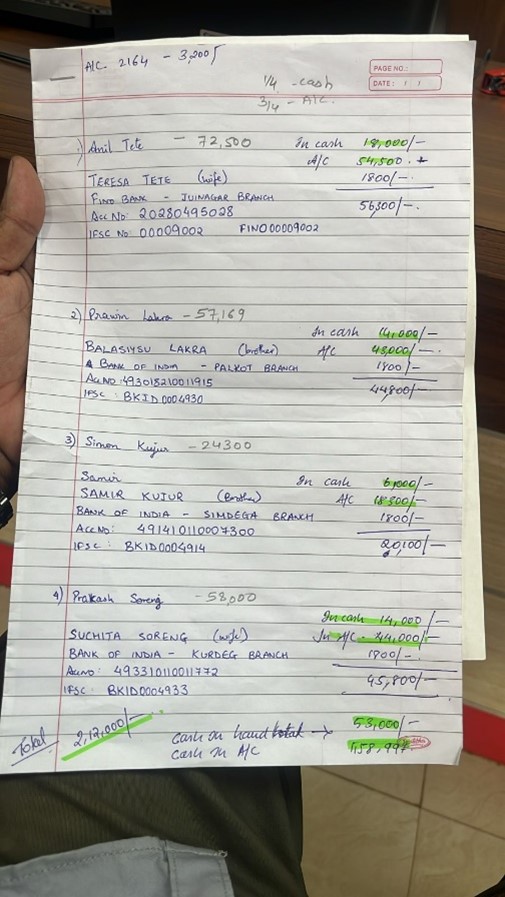
On April 2, the contractor deposited the balance amount in all the bank accounts, amounting to Rs. 2,19,000. Prakash was so delighted that after receiving the due amount, he called the MRC team to thank them for helping settle their pending payment.
Prakash’s story isn’t unique. Many migrant workers face similar struggles. But what makes it different is the role Caritas India’s MRCs played in upholding the hope of these migrants to get justice and their due entitlements. These centers provide a lifeline for those in need, ensuring every migrant worker can live and work with dignity.
Internal migration forms the backbone of India’s workforce, driving the growth of urban centers and powering industries from construction to textiles. Yet, these migrants often remain invisible. As rural distress, economic disparities, and climate change accelerate this mass movement, the need to address the systemic challenges faced by internal migrants has never been more urgent.
In a significant move to support India’s migrant workforce, Caritas India’s Pravasi Bandhu program is making waves across seven states, touching the lives of over 50,000 migrants. This innovative initiative, supported by Misereor, is addressing critical challenges faced by one of the country’s most vulnerable populations.
The Pravasi Bandhu program, rooted in the principles of Prevention, Protection, and Promotion (3Ps), is working tirelessly to ensure safe migration, protect workers’ dignity, and promote their overall well-being. Operating through a network of nine partners, the program focuses on raising awareness, developing skills, assisting with employment, securing identity cards, and facilitating registration.
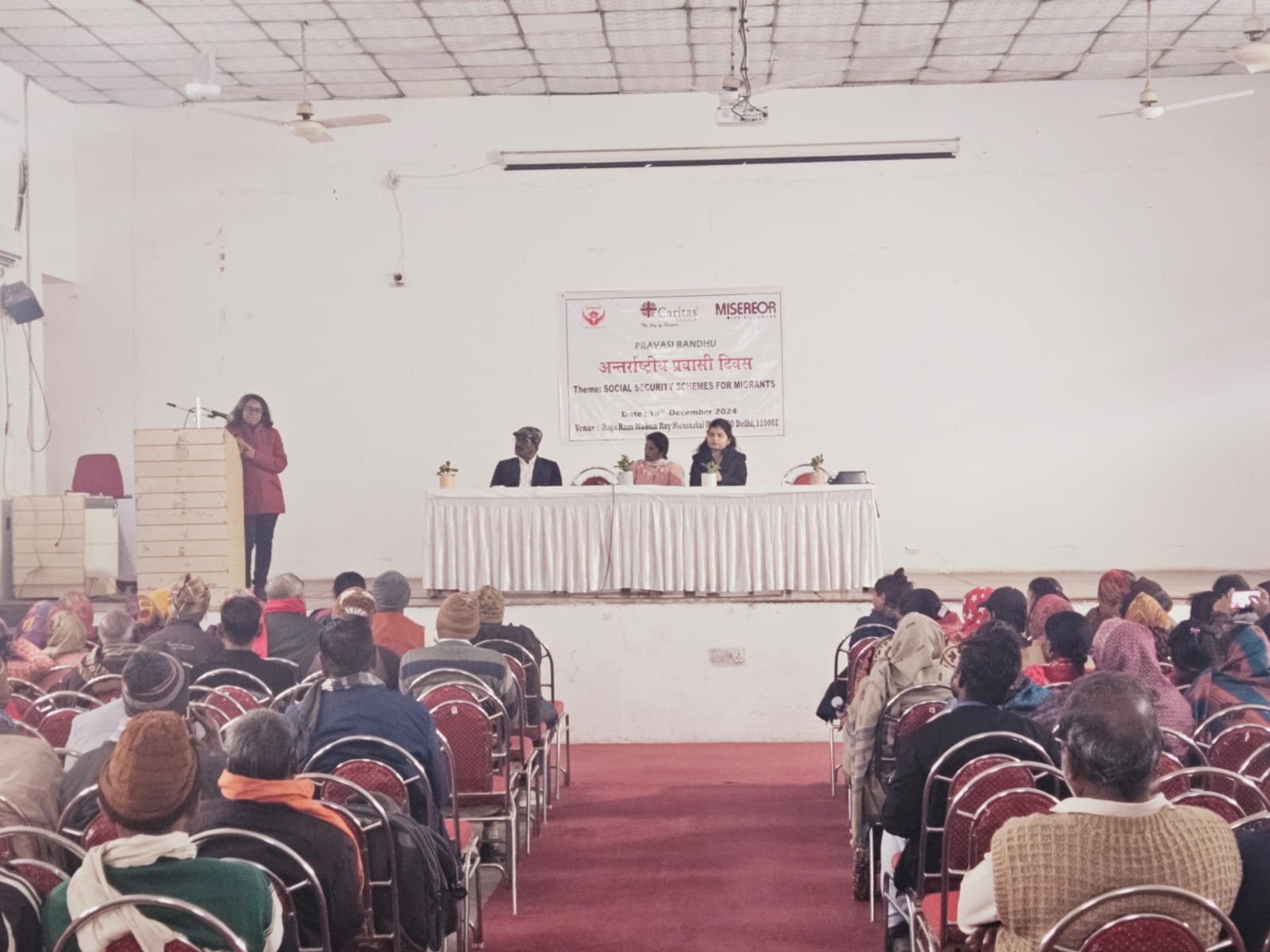
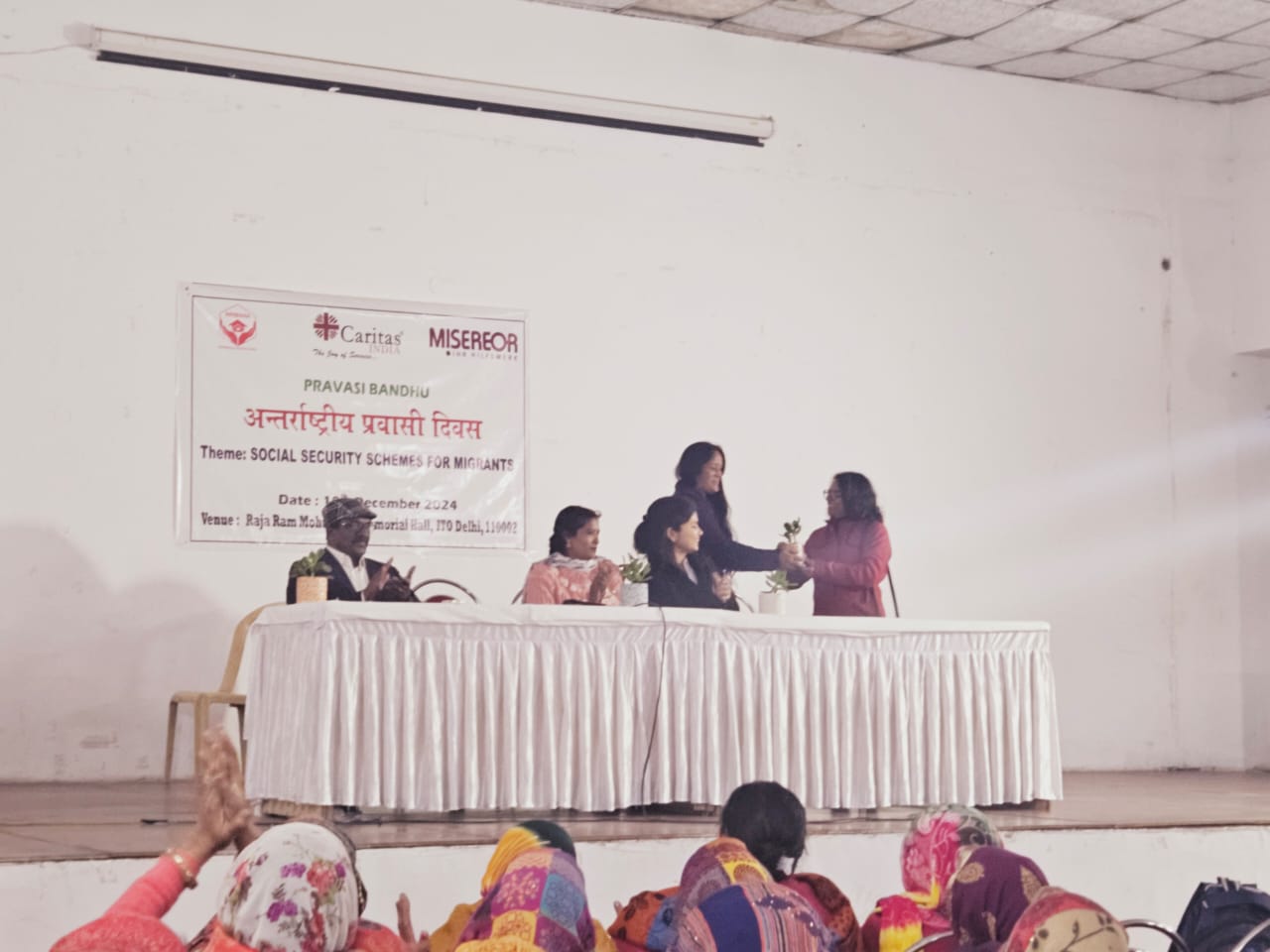
On December 18, International Migrants Rights Day, Caritas India demonstrated its commitment to this cause by collaborating with Nirmana, an organization dedicated to unorganized sector workers. Together, they organized a training program on Social Security Schemes, attended by approximately 170 migrants from various parts of Delhi.
The event featured key speakers who shed light on crucial aspects of migrant welfare. Dr. Sophy K.J, Associate Professor of Law at National Law University Delhi, briefed attendees on existing social security schemes and the new Social Security Code. Ms. Babita, Coordinator of Migration Assistance and Information Network (MAIN), shared her experiences in providing support to migrants, including assistance with wage issues and repatriation of deceased migrants’ bodies.
Mr. Benny from Christian Workers Movement highlighted opportunities for migrants’ children to acquire skills through vocational training programs. The event also provided a platform for migrants to voice their challenges, which were addressed by Advocate Khushbu Rafiq.
The Pravasi Bandhu program’s impact extends beyond awareness creation. It has achieved significant success in promoting decent living and working conditions, raising awareness about welfare scheme entitlements, and organizing health awareness through medical camps. The program also emphasizes networking at both state and national levels, creating a robust support system for migrants.
Caritas India’s efforts are closely aligned with government initiatives, complementing the work of state agencies in supporting migrants. A key focus of the program is enrolling migrants into the government’s e-Shram portal, which serves as a one-stop solution integrating various social security and welfare schemes.
By addressing challenges such as limited access to social security, the digital divide, and economic vulnerability, Caritas India is playing a crucial role in enhancing the general living and working conditions of migrant workers. The Pravasi Bandhu program stands as a testament to Caritas India’s commitment to promoting safe migration and ensuring that migrants can live and work with dignity.
As India continues to develop, initiatives like Pravasi Bandhu are essential in ensuring that no one is left behind. Through its comprehensive approach and wide-reaching network, Caritas India is not just supporting migrants – it’s helping to build a more inclusive and equitable society for all.
In a small village exhibition, student carefully adjusts their homemade water purifier, explaining to visitors how it can provide clean drinking water for his community. A few steps away, another group of children showcase their working model of a volcanic eruption, their eyes gleaming with excitement. These are not just school projects—they are the seeds of innovation taking root in some of the most underserved corners of India.
On National Science Day, celebrated on February 28, 2025, Caritas India’s Khushaal Bachpan program transformed traditional learning into a hands-on experience across 65 villages in Chhattisgarh. More than 800 children from rural communities, often deprived of experiential learning opportunities, built and exhibited science models—from rockets and water cycles to climate change simulators and solar systems. These were not just exercises in creativity; they were practical solutions inspired by real-world problems, demonstrating the power of STEAM (Science, Technology, Engineering, Arts, and Mathematics) education in shaping young minds.
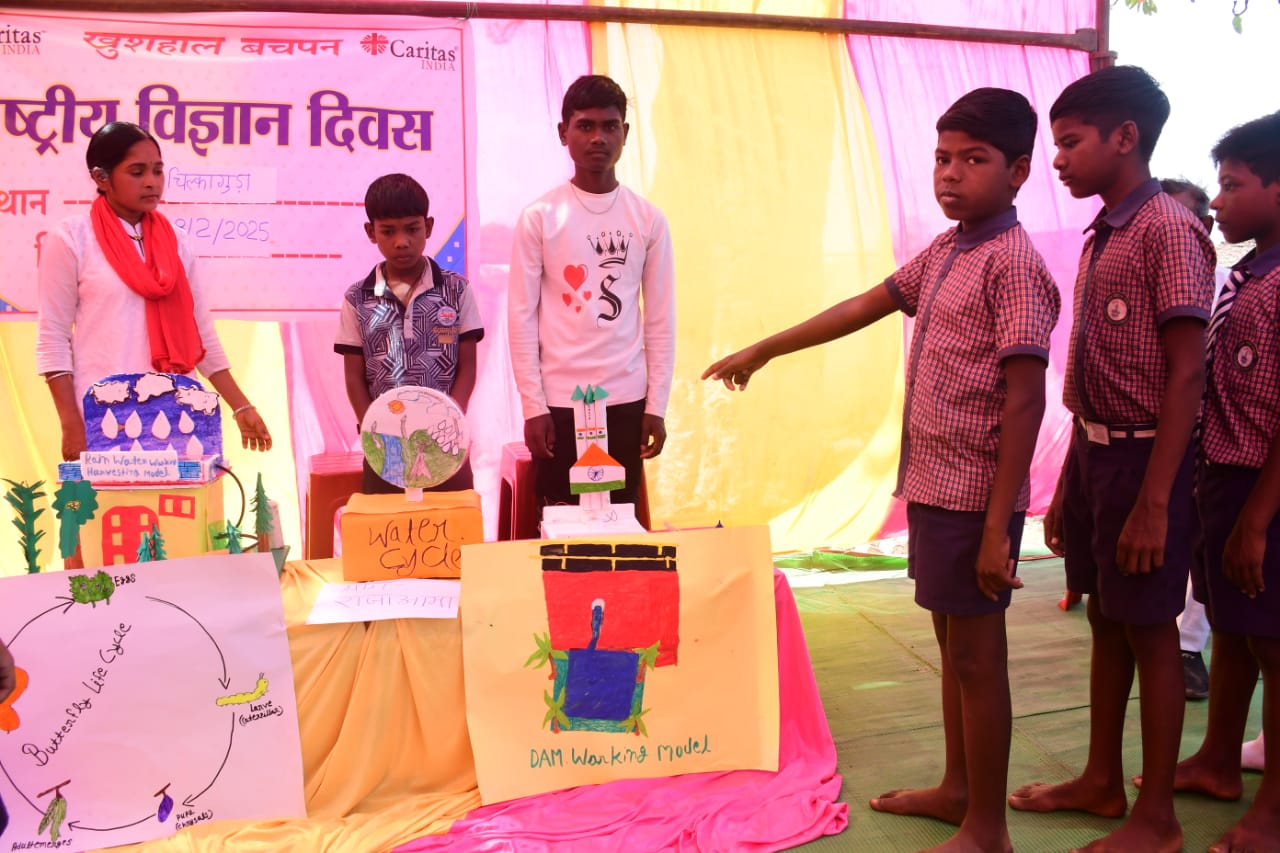
In many rural areas, education is often limited to memorization, with little scope for exploration or application. The academic centers established under the Khushaal Bachpan program have been working to change this, ensuring that children receive quality education beyond textbooks. Run by dedicated academic mentors, these centers serve as learning hubs where children engage in interactive activities, cultural events, storytelling, and sports, fostering both academic and personal growth.
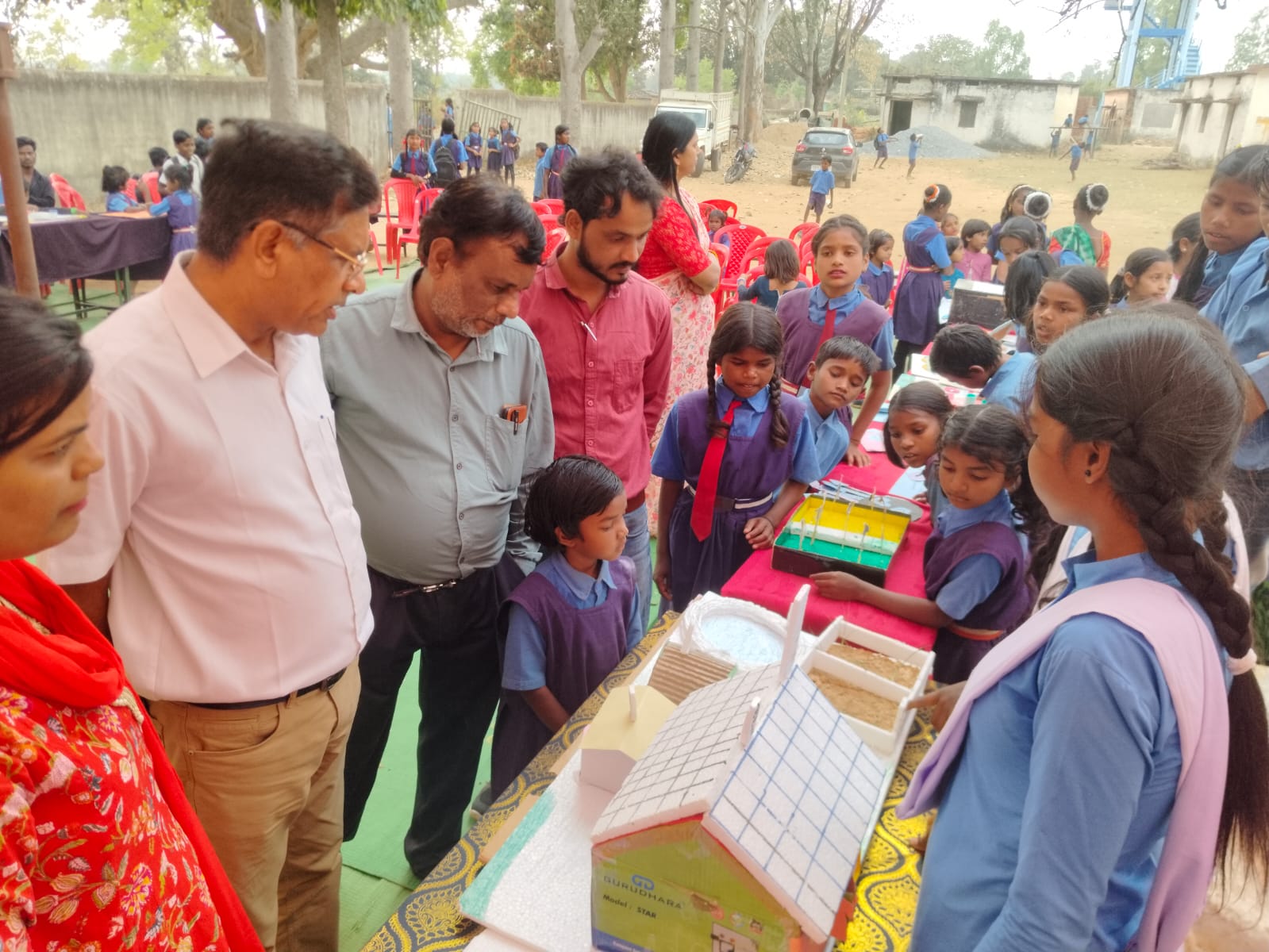
For the past two years, the National Science Day celebration has been a key initiative within the program, designed to complement the National Education Policy (NEP) 2020, which emphasizes experiential learning, interdisciplinary education, and strengthening STEM education in India. By organizing science exhibitions, quizzes, and interactive sessions, Caritas India is not only enhancing learning outcomes but also instilling confidence, curiosity, and problem-solving skills in young learners.

The success of this initiative lies in collaboration. Planning sessions were conducted with teachers and school management to design an engaging event plan and determine the science models to be developed. Children formed small groups, working together to brainstorm, create, and refine their models under the guidance of teachers.
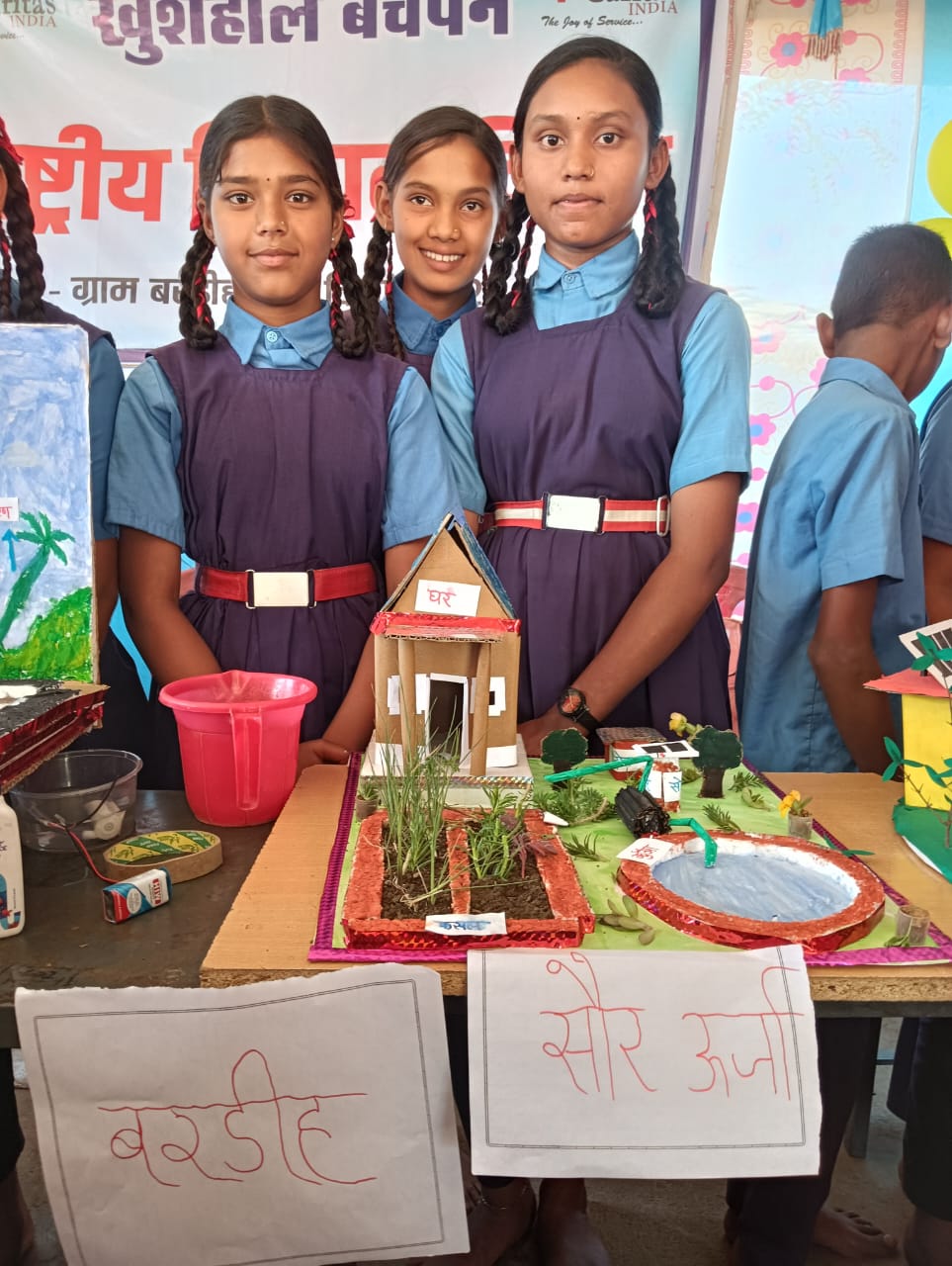
The event was more than a school activity—it became a community celebration. Parents, local leaders, and stakeholders such as PRI members, BDOs, and CDOs attended, witnessing first-hand the impact of interactive STEM learning. The presence of community members reinforced the message that education is a shared responsibility and that children’s ideas deserve recognition and encouragement.
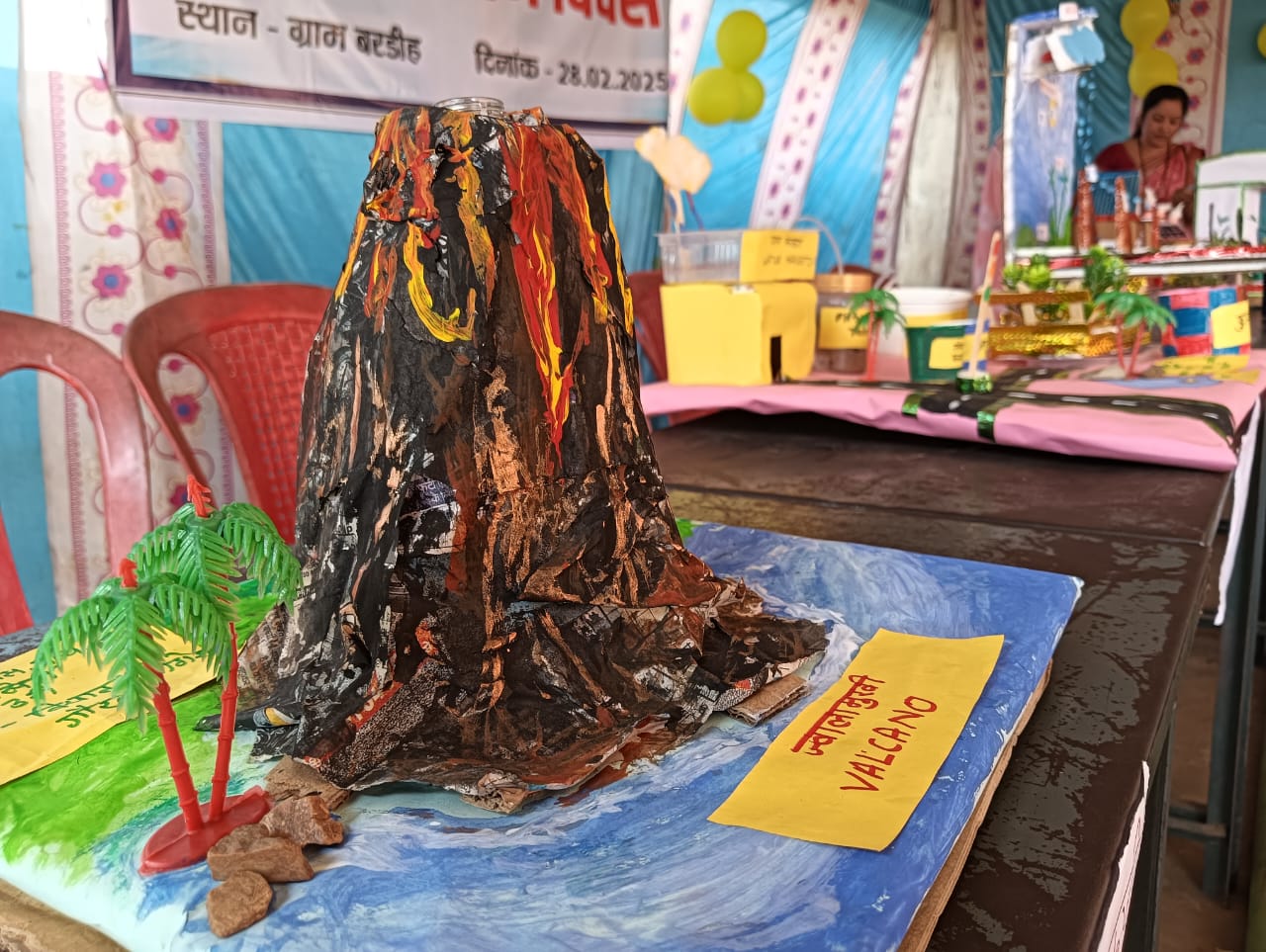
As the event concluded, Principals and teachers reflected on how such initiatives can reshape rural education. A science quiz was also organized for students from grades 6 to 8, where participants displayed an impressive grasp of scientific concepts.
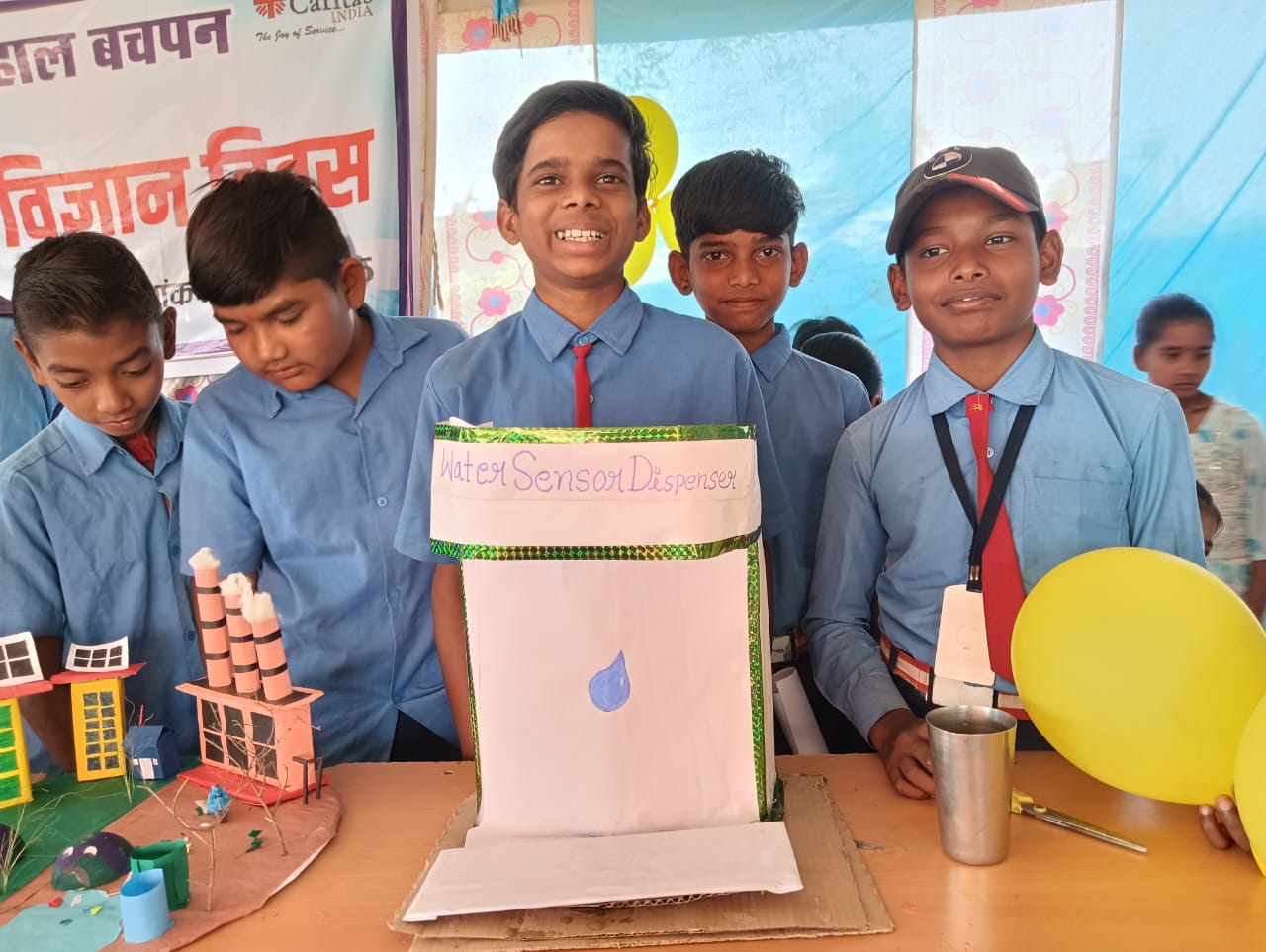
This initiative has not only made learning exciting but has also sparked a long-term interest in science among students. Children who once hesitated to speak are now confidently explaining their projects to a crowd. This is the power of hands-on education.
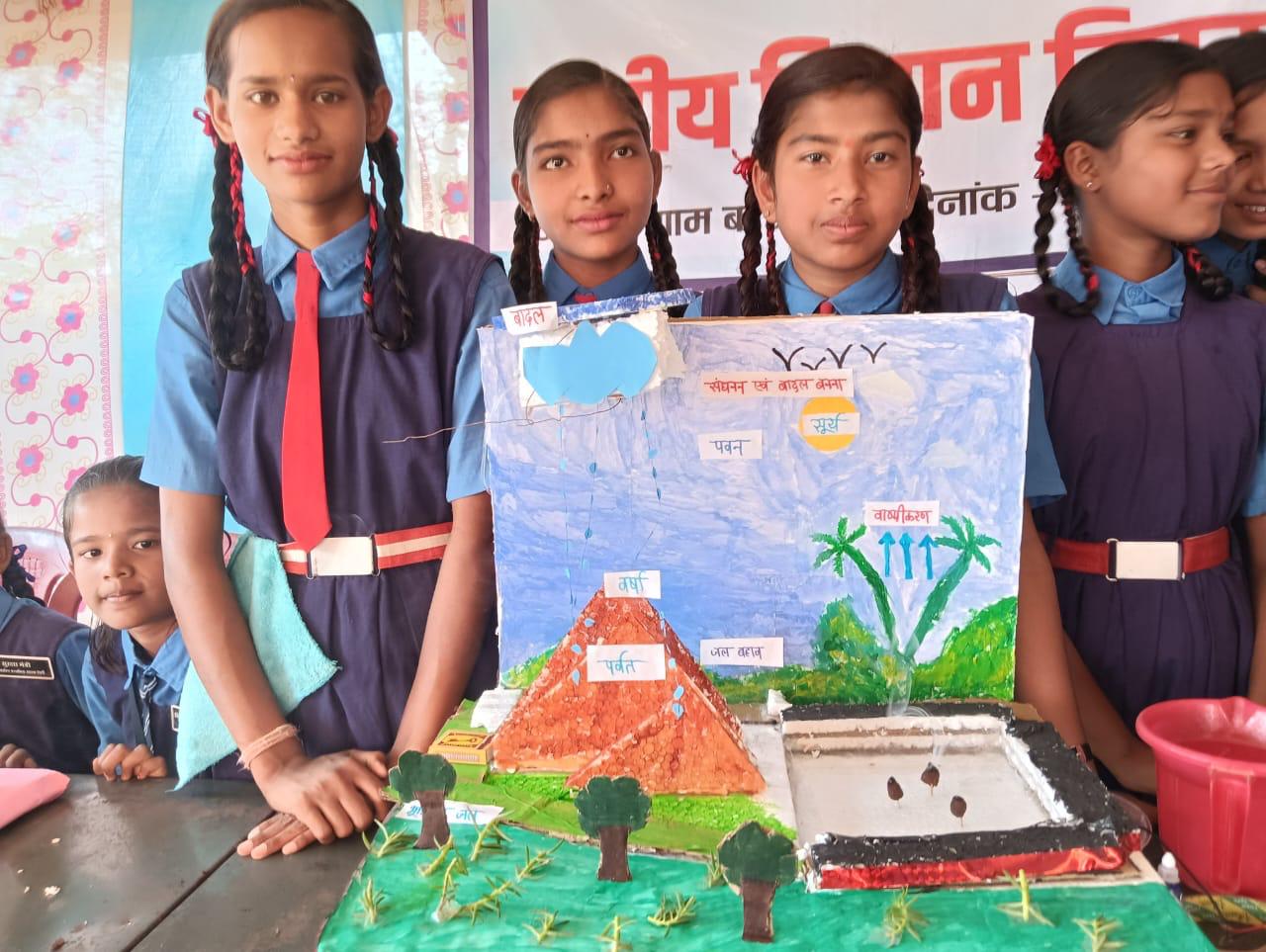
While this initiative has redefined learning in 65 villages, the potential to replicate and expand it is immense. Expansion of this model could support thousands of children across rural India to gain access to quality STEM education—empowering them to innovate, solve real-world challenges, and build a future rooted in knowledge and creativity.
Until he was 10, Dipesh Verma had never heard the sound of birds, the ring of a school bell, or his mother’s voice calling him home.
Living in the remote village of Alesur in Raipur, Chhattisgarh, Dipesh’s world was a quiet one, marked by a hearing impairment that had gone undiagnosed and untreated since birth. Deaf in his left ear and with minimal hearing in the right, Dipesh had developed limited speech and spoke only to those closest to him. Strangers made him anxious. Classrooms felt isolating. His silence was not a choice, it was a consequence of exclusion.
At home, life wasn’t easy either. His father, Janak Verma, lives with a permanent physical disability after a leg surgery, taking up irregular labor work to support the family. His mother, Meena Verma, works as a daily wage laborer in the local vegetable market. Despite their hardships, they raised their three sons with love and grit.
Dipesh’s elder brother dropped out of school, despite repeated efforts by the Khushaal Bachpan team to encourage re-enrollment, he chose not to return. His younger brother, however, is in seventh grade, excels academically, and often takes on the role of Dipesh’s tutor and mentor. Dipesh, enrolled in third grade at the local government school, struggled silentlyleft behind in a classroom not equipped to accommodate his needs.
In 2023, a transformative opportunity reached Alesur. Khushaal Bachpan, implemented by Caritas India, is an integrated program dedicated to ensuring a Safe, Happy, and Dignified Childhood by strengthening families and building a nurturing ecosystem around children. The program revolves around children as the central stakeholders, fostering deep engagement with parents, communities, and essential service sectors like education and health. Its mission is clear: create an environment where every child enjoys easy access to their rights and can thrive, especially the most vulnerable.
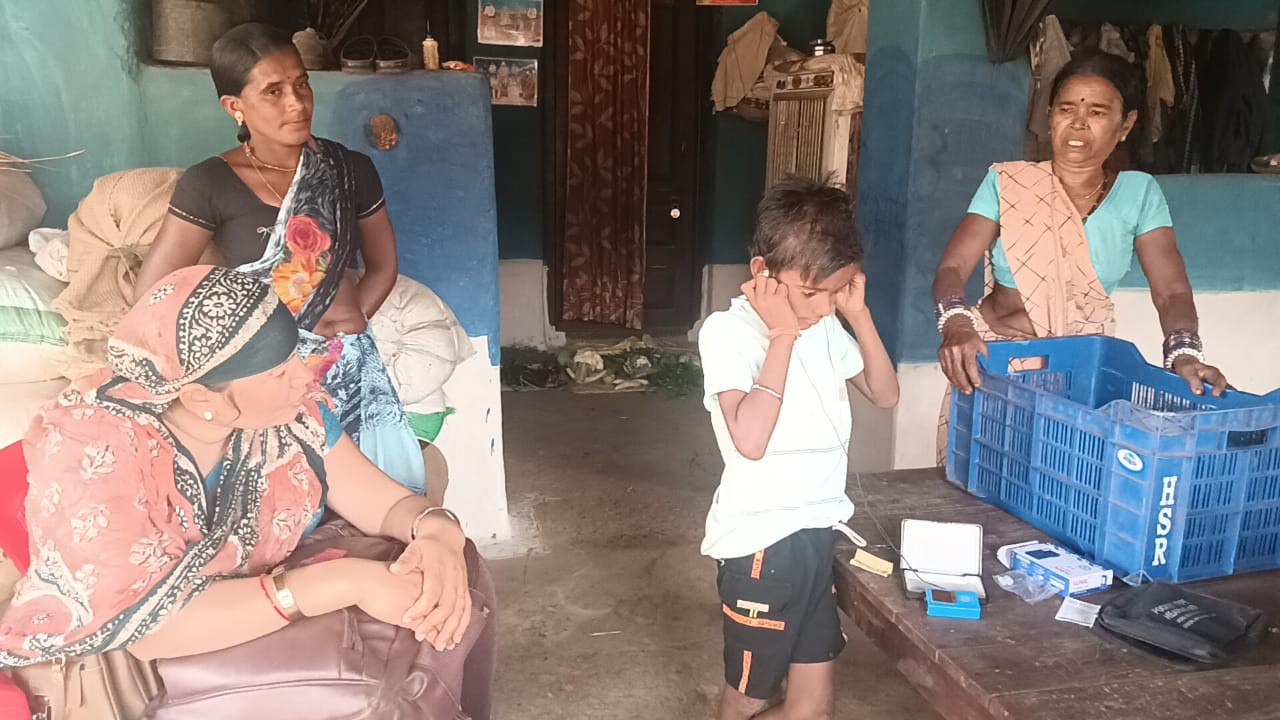
As part of its “ABCD Roll Out” activity in the village, Khushaal Bachpan organized a community event where Dipesh’s mother and grandmother participated. That day, Dipesh was identified as a child needing urgent support. The team began consistent engagement with his family, providing academic guidance, emotional support, and most importantly, medical referrals.
Dipesh was taken to the District Hospital, where he was seen by an ENT specialist. Shortly after, on January 20, 2025, a camp for children with disabilities was held under the Samagra Shiksha Abhiyan by the Vikaskhand Shiksha Adhikari at Government Primary School, Sasaholi, Tilda, Raipur. There, Dipesh’s journey took a remarkable turn.
On January 23, 2025, Dipesh was fitted with his very first hearing aid.
The moment was nothing short of magical. For the first time in his life, Dipesh could hear the world around him. His parents were trained on how to use and maintain the device. Dipesh’s eyes lit up when he confirmed, ‘yes’, he could hear.
Since then, a wave of transformation has followed. Dipesh is more responsive in school, actively listens to his teachers, and participates in learning with growing confidence. His younger brother continues to guide him with pride, and his home, once filled with unspoken words, is now alive with conversations and laughter.
Dipesh’s story is not just about a hearing device, it is about the power of inclusive action. It’s about what happens when we recognize that every child matters and deserves the tools to thrive. Through Caritas India’s Khushaal Bachpan program, inclusion became more than a concept, it became a reality.
Because when we ensure that every child is seen, heard, and valued, we’re not just restoring hope, we’re building a just and compassionate society.
Internal migration forms the backbone of India’s workforce, driving the growth of urban centers and powering industries from construction to textiles. Yet, these migrants often remain invisible. As rural distress, economic disparities, and climate change accelerate this mass movement, the need to address the systemic challenges faced by internal migrants has never been more urgent.
In a significant move to support India’s migrant workforce, Caritas India’s Pravasi Bandhu program is making waves across seven states, touching the lives of over 50,000 migrants. This innovative initiative, supported by Misereor, is addressing critical challenges faced by one of the country’s most vulnerable populations.
The Pravasi Bandhu program, rooted in the principles of Prevention, Protection, and Promotion (3Ps), is working tirelessly to ensure safe migration, protect workers’ dignity, and promote their overall well-being. Operating through a network of nine partners, the program focuses on raising awareness, developing skills, assisting with employment, securing identity cards, and facilitating registration.
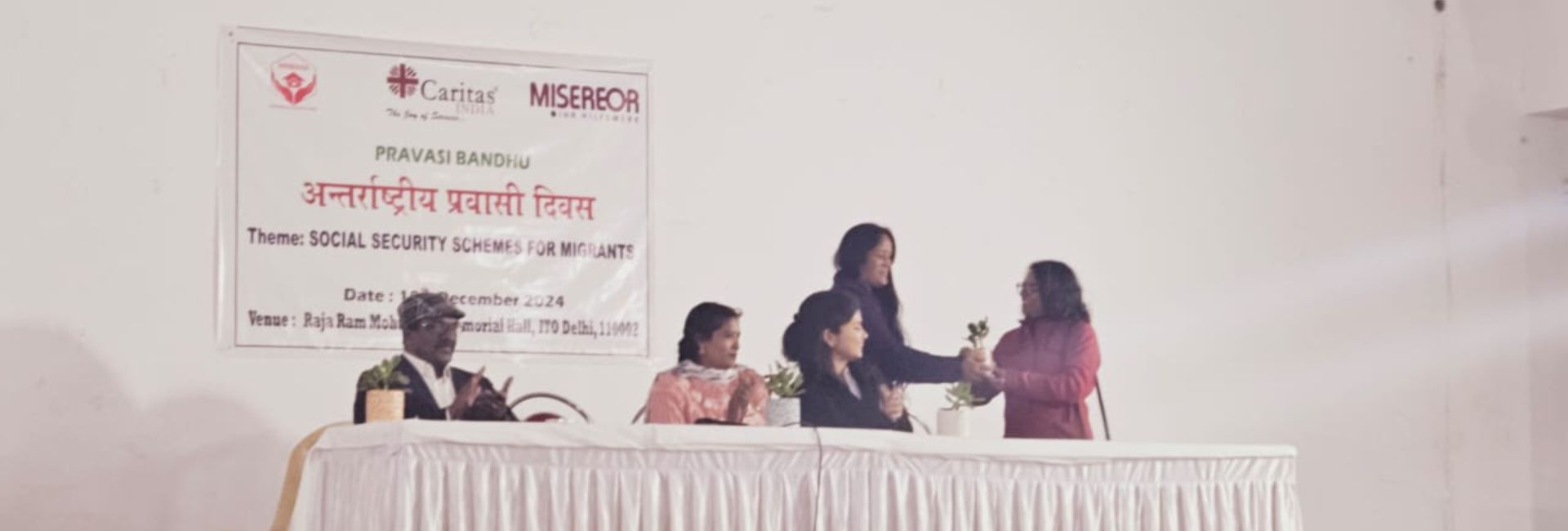
On December 18, International Migrants Rights Day, Caritas India demonstrated its commitment to this cause by collaborating with Nirmana, an organization dedicated to unorganized sector workers. Together, they organized a training program on Social Security Schemes, attended by approximately 170 migrants from various parts of Delhi.
The event featured key speakers who shed light on crucial aspects of migrant welfare. Dr. Sophy K.J, Associate Professor of Law at National Law University Delhi, briefed attendees on existing social security schemes and the new Social Security Code. Ms. Babita, Coordinator of Migration Assistance and Information Network (MAIN), shared her experiences in providing support to migrants, including assistance with wage issues and repatriation of deceased migrants’ bodies.
Mr. Benny from Christian Workers Movement highlighted opportunities for migrants’ children to acquire skills through vocational training programs. The event also provided a platform for migrants to voice their challenges, which were addressed by Advocate Khushbu Rafiq.
The Pravasi Bandhu program’s impact extends beyond awareness creation. It has achieved significant success in promoting decent living and working conditions, raising awareness about welfare scheme entitlements, and organizing health awareness through medical camps. The program also emphasizes networking at both state and national levels, creating a robust support system for migrants.
Caritas India’s efforts are closely aligned with government initiatives, complementing the work of state agencies in supporting migrants. A key focus of the program is enrolling migrants into the government’s e-Shram portal, which serves as a one-stop solution integrating various social security and welfare schemes.
By addressing challenges such as limited access to social security, the digital divide, and economic vulnerability, Caritas India is playing a crucial role in enhancing the general living and working conditions of migrant workers. The Pravasi Bandhu program stands as a testament to Caritas India’s commitment to promoting safe migration and ensuring that migrants can live and work with dignity.
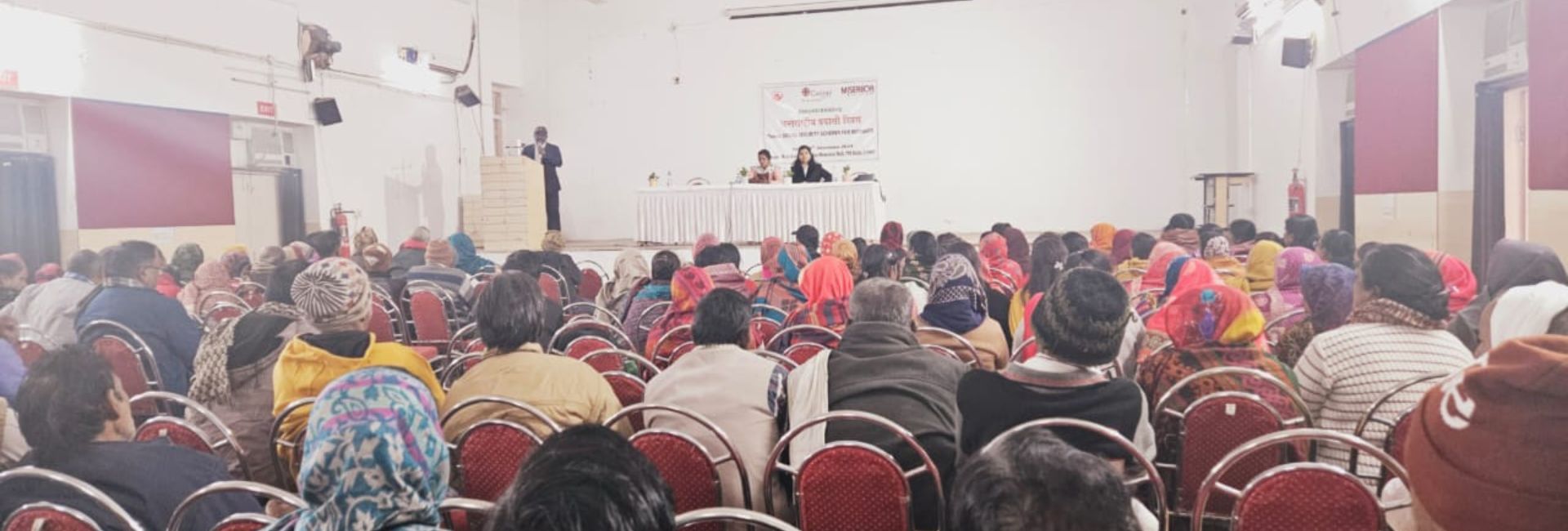
As India continues to develop, initiatives like Pravasi Bandhu are essential in ensuring that no one is left behind. Through its comprehensive approach and wide-reaching network, Caritas India is not just supporting migrants – it’s helping to build a more inclusive and equitable society for all.
Deficiencies in vitamins and minerals, known as micronutrients, have long-term consequences, especially for children and pregnant mothers in rural areas, impacting brain development and physical growth. Recognizing the urgent need to address these challenges, Caritas India has implemented a comprehensive strategy involving the training of front-line health workers, Community Resource Persons of Mission Shakti (CRP), and members of Self-Help Groups (SHG), with a special focus on pregnant and nursing mothers.
Caritas India’s Global Program is making significant steps in rural villages of Rayagada district of Odisha to enhance nutrition knowledge and food security awareness through its innovative Capacity Building program. The initiative, which aligns with the micro-level objective of improving nutritional knowledge among disadvantaged families, particularly children and pregnant mothers, is proving to be a boon in building resilient and healthier communities.
The heart of Caritas India’s approach lies in supplementing governmental interventions under the Nutrition Mission and strengthening local community organizations, leaders, health workers, and mothers to be effective responders to health and nutrition vulnerabilities. By adopting a system-strengthening approach in collaboration with local health and ICDS centers, the program places key stakeholders, including front-line health workers, women’s self-help groups, and mothers’ groups, as change-makers in addressing nutrition and food security challenges.
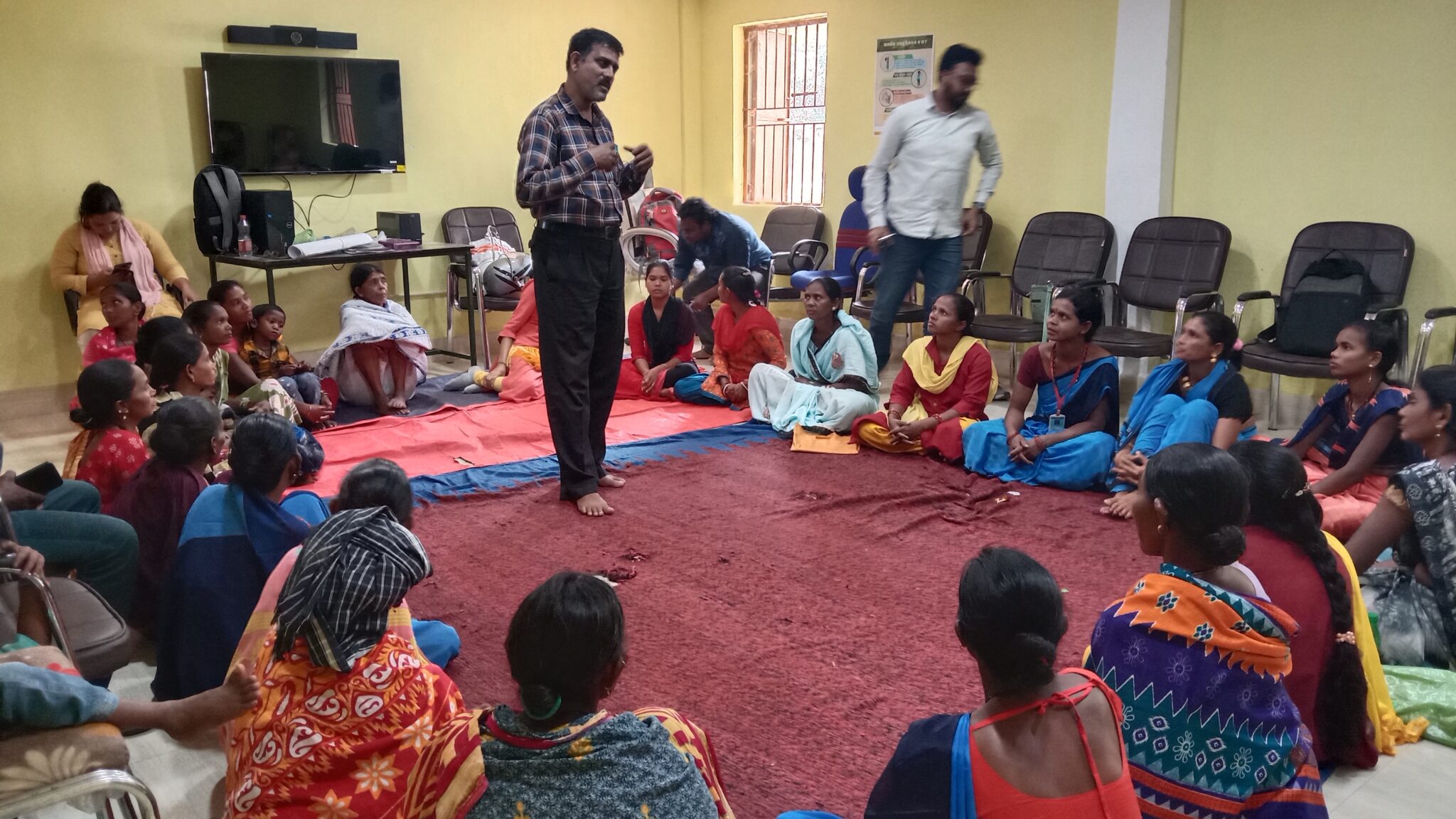
Nutrition and food security are fundamental elements for achieving the Sustainable Development Goals (SDGs). Caritas India’s Global Program recognizes the importance of adopting a localized approach to achieve SDG-2, focusing on nutrition and food security challenges. This approach involves a one-day Capacity Building program that was organized on February 23, 2024, in the Rayagada district, Odisha, targeting 46 participants, including front-line health workers, CRP members, SHG members, and mothers from Raskola and Karlaghati Gram Panchayats.
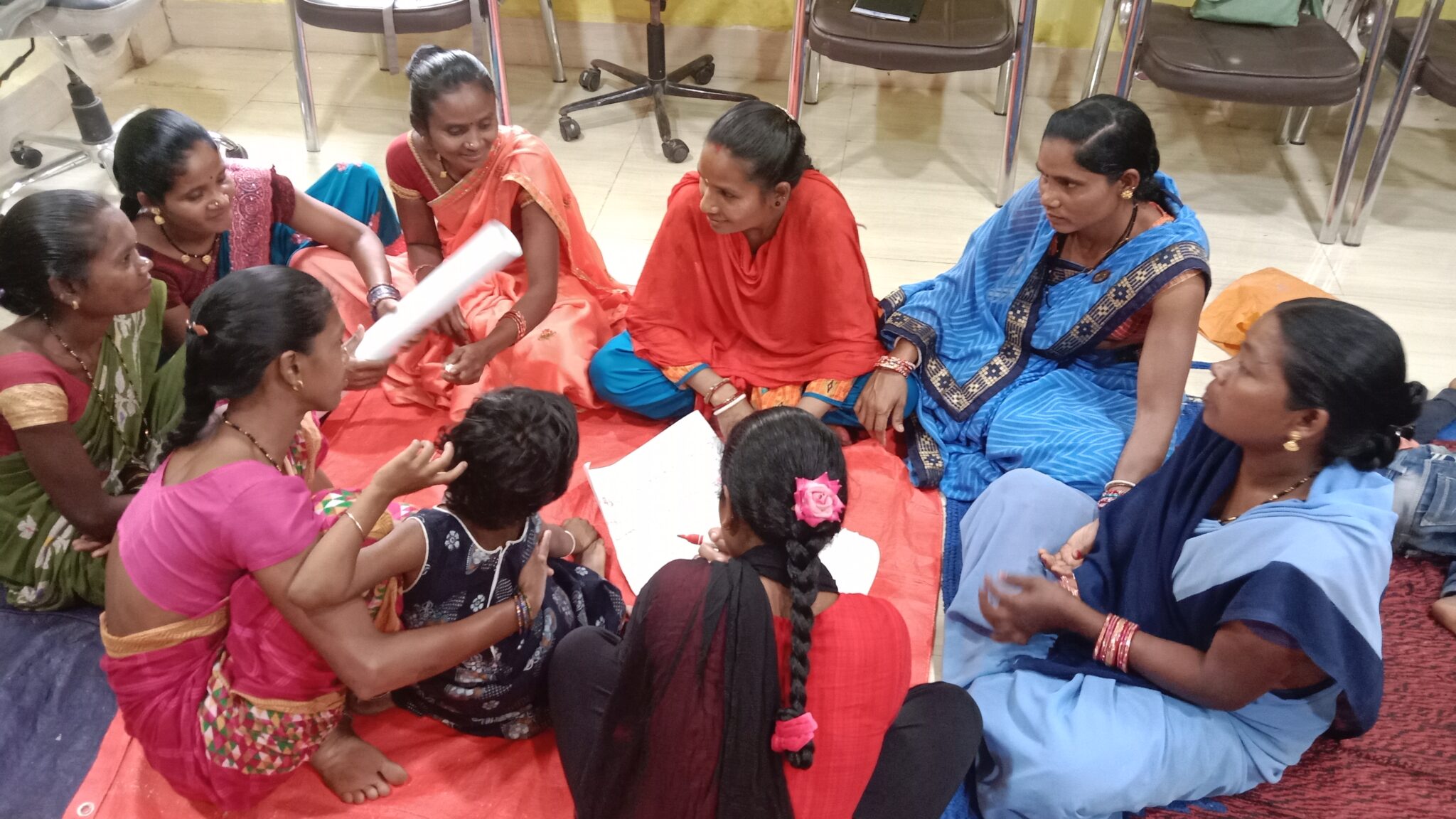
The program aimed to promote community engagement by raising awareness about nutrition, health, hygiene, and sustainable food practices, with a specific emphasis on the role of women in creating a healthy future and a sustainable food system. The participants actively engaged in the program, showcasing a keen interest in learning and implementing the knowledge gained within their communities. In the future, these participants equipped with the necessary skills and knowledge, can actively contribute to local initiatives, such as community gardens, food banks, and nutrition education programs, thereby enhancing overall food security.
The impact of the Capacity Building program was profound, as participants, like Laxmi Kundika, an Aanganwadi worker in Raskola Village, expressed their enthusiasm in sharing newfound knowledge with her peers and families. Laxmi emphasized the importance of a balanced diet sourced from locally available varieties of food, hygiene and sanitation practices, and the establishment of nutrition gardens in the community.
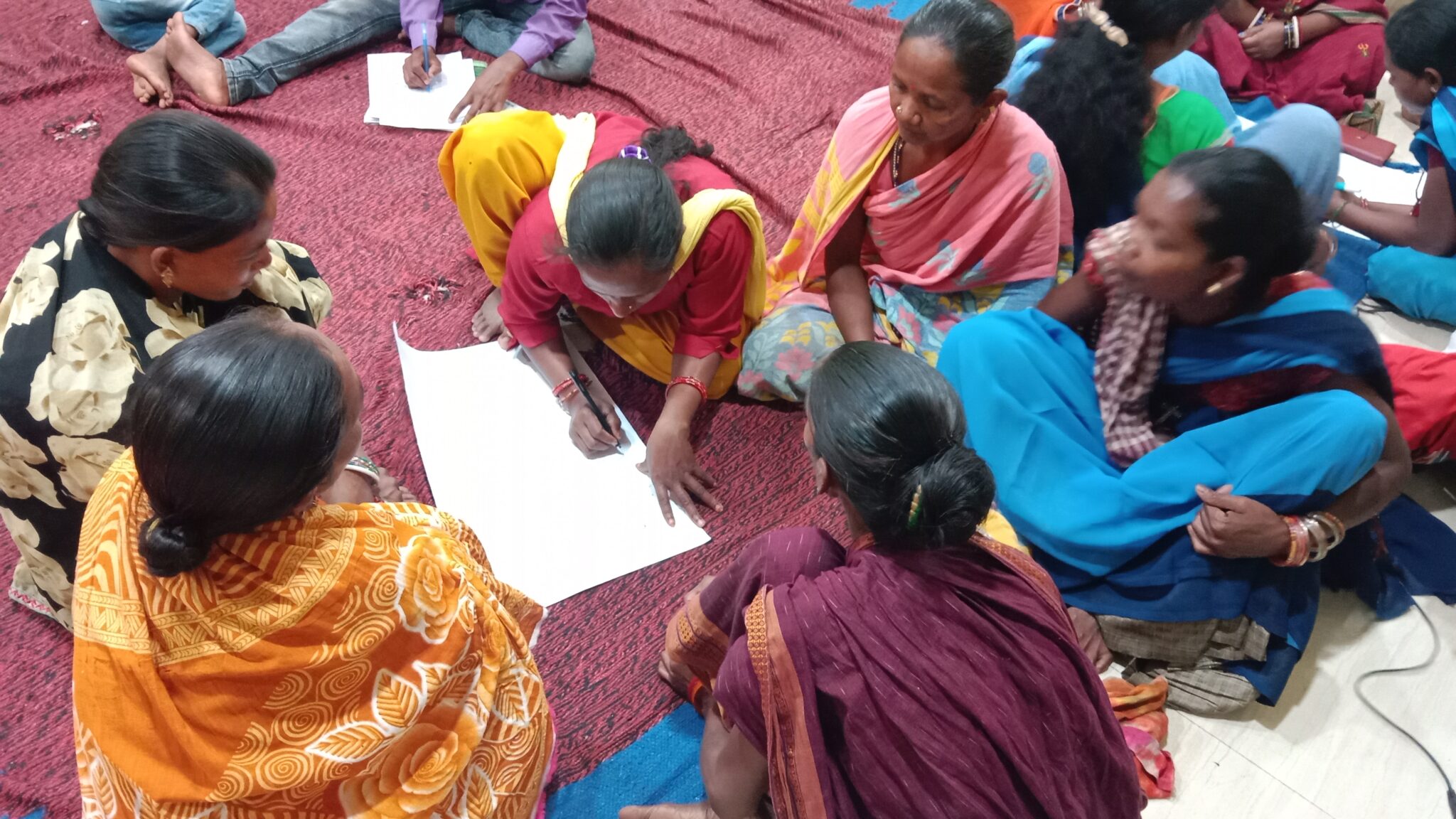
Encouraging community participation and raising awareness about good hygiene, sanitation practices, and the consumption of diverse and nutritious local foods are crucial steps towards building a resilient and sustainable food system. The capacity enhancement will help in developing resilient communities that can adapt to changing conditions, including those related to climate, economic shifts, and public health challenges. Resilient communities are better positioned to ensure food security for their members.
Caritas India’s initiative, exemplified by the Capacity Building program, emphasizes its commitment to empowering communities for a healthier and more secure future. In the words of Laxmi Kundika, the impact of these initiatives reaches beyond individual knowledge, promising to contribute significantly to the overall well-being of communities in Raskola and beyond.
In the lush delta of the Ganges, Brahmaputra, and Meghna rivers lies the Sundarbans, a region of immense natural beauty and biodiversity. However, beneath this picturesque landscape lies a harsh reality for its inhabitants, particularly its farmers. Vulnerable to the adverse impacts of climate change, including embankment breaches, salinization, and cyclones, these farmers face constant threats to their livelihoods.
Agricultural income, vital for the sustenance of many in India’s marginalized populations, remains highly susceptible to various risks. Among these risks, fluctuations in output and market prices loom large, creating significant challenges for small-scale farmers. Sunderbans, with its unique ecological setting, magnifies these risks, as the majority of farmers endure crop losses due to frequent cyclones and flooding.
Recognizing the urgent need to bolster the resilience of Sunderban farmers, the Global Program initiative in disaster risk reduction (DRR) has taken root. At its core lies a transformative approach: leveraging risk transfer mechanisms, notably crop insurance, to shield farmers from the vagaries of climate-induced disasters. This initiative not only aligns with the overarching goals of poverty reduction and food security but also holds the promise of promoting social inclusion and enhancing resilience to disasters, in line with Sustainable Development Goals (SDGs) 2, 10, and 13.
Under the Global Program, concerted efforts have been made to raise awareness about the importance of crop insurance and government safety nets. Through initiatives like the We4Resilience campaign, stakeholders have engaged in dialogue, fostering a deeper understanding of risk management strategies among farmers.
The program has built strong relations with the Government departments to build resilience of the community. In one of these initiatives Mr. Shankar Joseph Makhal, Program Coordinator of Palli Unnayan Samiti Baruipur (PUS), one of the program partner of Global Programme discussed the plight of farmers and the pressing need for risk mitigation measures with Mr. Abhishek Naskar, Assistant Director of Agriculture, Mathurapur II Block.
On July 19th, a crucial meeting between the PUS team and the Agriculture Department paved the way for the application of the “Bangla Shasya Bima” scheme. This initiative, launched by the State Government of West Bengal, aims to provide hassle-free crop insurance benefits to farmers, ensuring timely claim settlements in the event of crop losses.
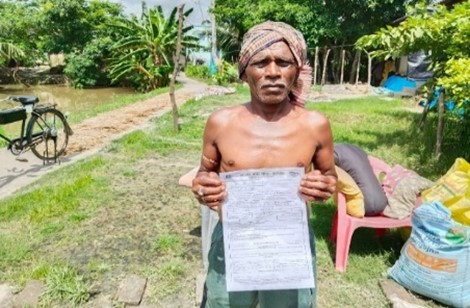
The scheme’s comprehensive coverage encompasses various stages of crop cultivation, including prevented sowing/planting risks and post-harvest losses. By extending coverage against specific perils such as cyclones and unseasonal rains, the scheme offers a lifeline to farmers grappling with climatic uncertainties.
The response from Sunderban farmers has been overwhelmingly positive, with 1600 individuals from Kankandighi and Nagendrapur Gram Panchayats embracing crop insurance as a means of risk transfer. This transformative step not only safeguards their livelihoods but also instills a sense of hope and security in communities ravaged by climate-induced disasters.
Looking ahead, the success of the crop insurance initiative in Sunderbans serves as a milestone for vulnerable communities. By integrating risk transfer mechanisms into disaster risk reduction strategies, we can forge a path toward a more resilient and inclusive future. As we strive to achieve the Sustainable Development Goals, initiatives like these underscore the crucial role of collaboration, innovation, and community empowerment in building a more sustainable world.
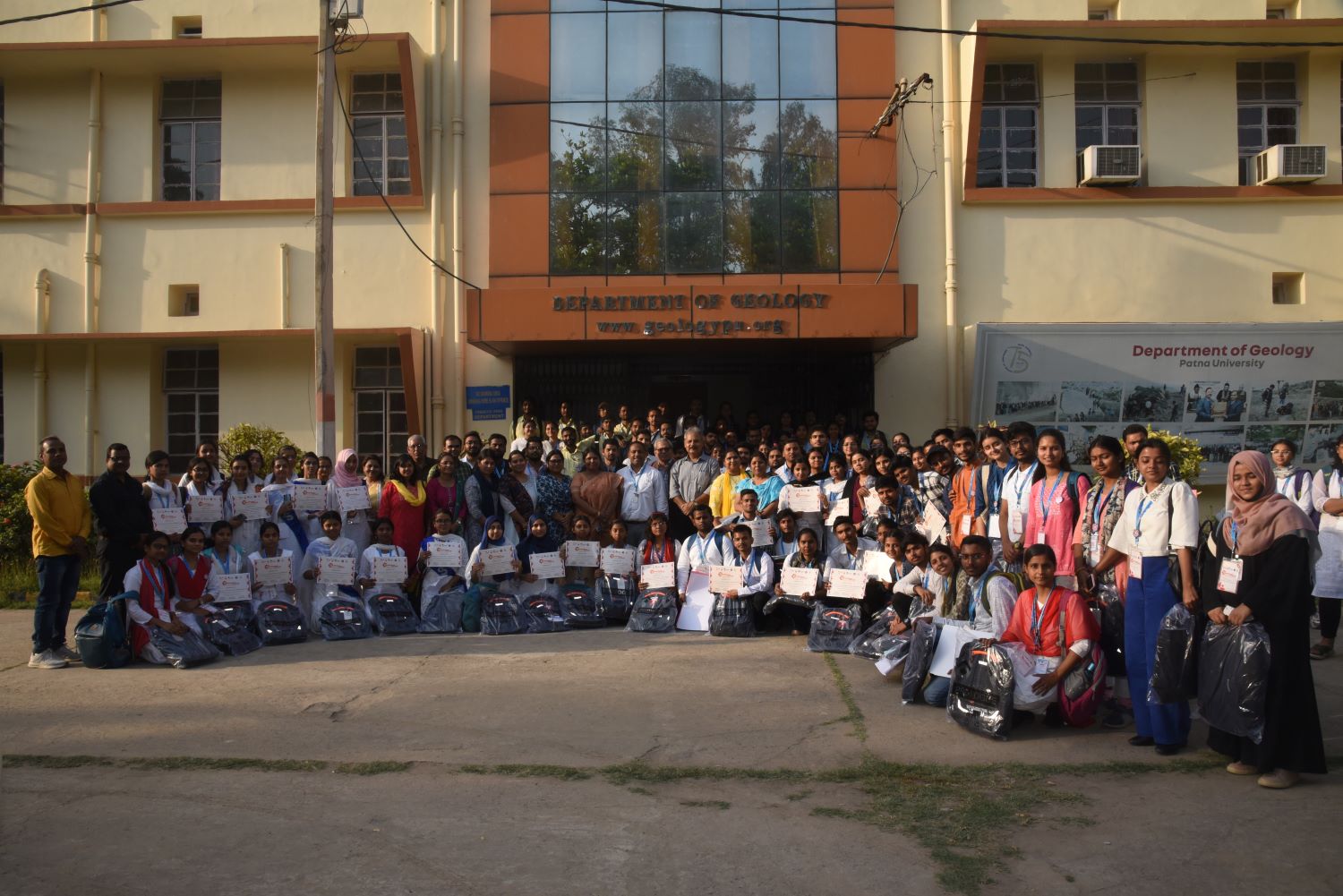
Last week, the Geology Department of Patna University served as the vibrant backdrop for a transformative event aimed at fostering resilience and empowerment within communities. The We4Resilience Conclave Youth Conclave, organized under Caritas India’s Global Program, brought together a diverse array of stakeholders, including esteemed academics, dedicated volunteers, and passionate youth leaders. Held on the 16th and 17th of March 2024, this event marked a significant step towards building a more resilient society, highlighting the crucial role of youth in mitigating disaster risks, and promoting social inclusion.
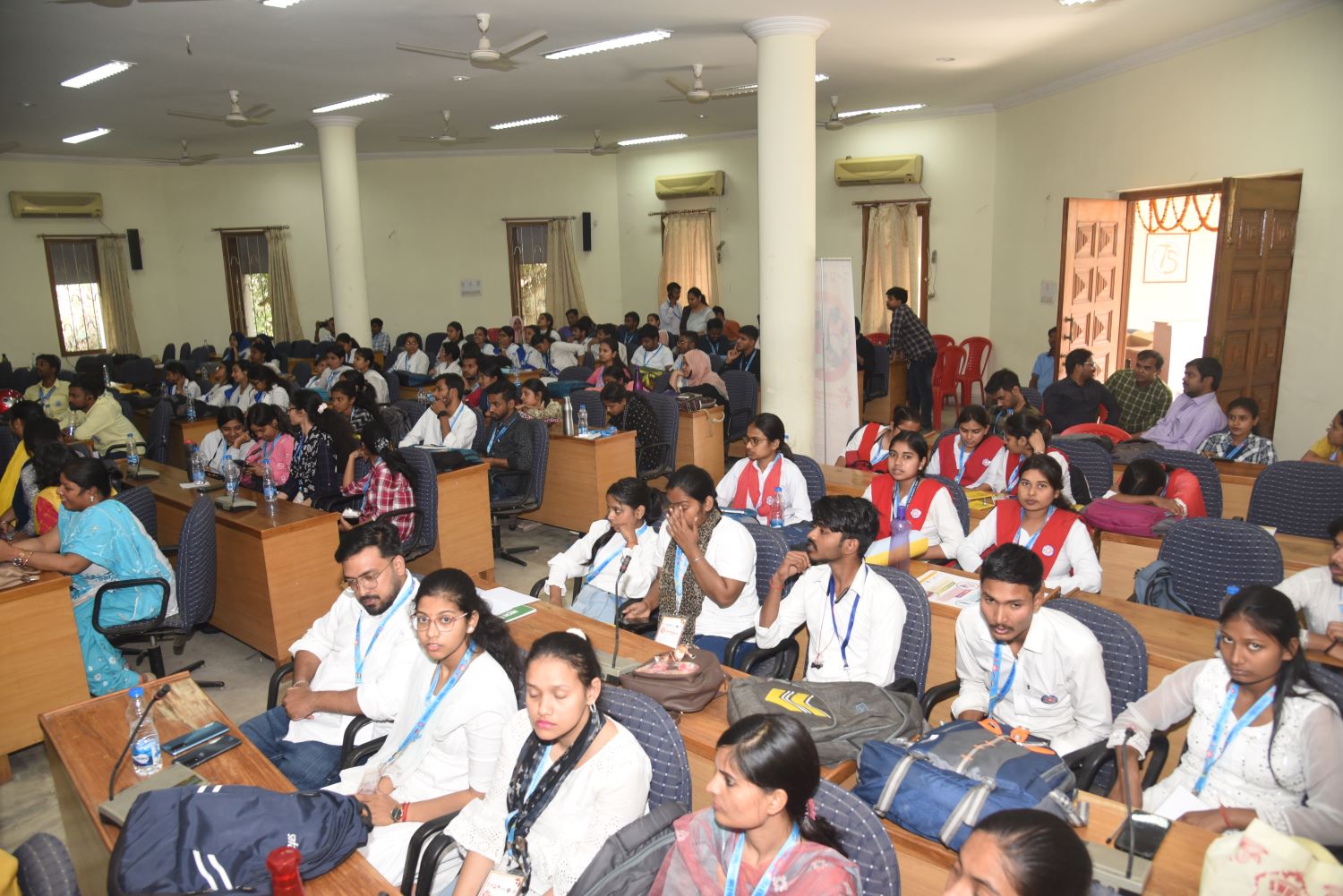
Hosted at the Department of Geology auditorium, the event aimed to harmonize actions for building resilience among NSS volunteers from 10 colleges of Patna University. The Conclave, inaugurated by Prof KC Sinha, the Vice-Chancellor of Patna University, underscored the crucial role of youth in mitigating disaster risks, particularly in Bihar, a region prone to various calamities.
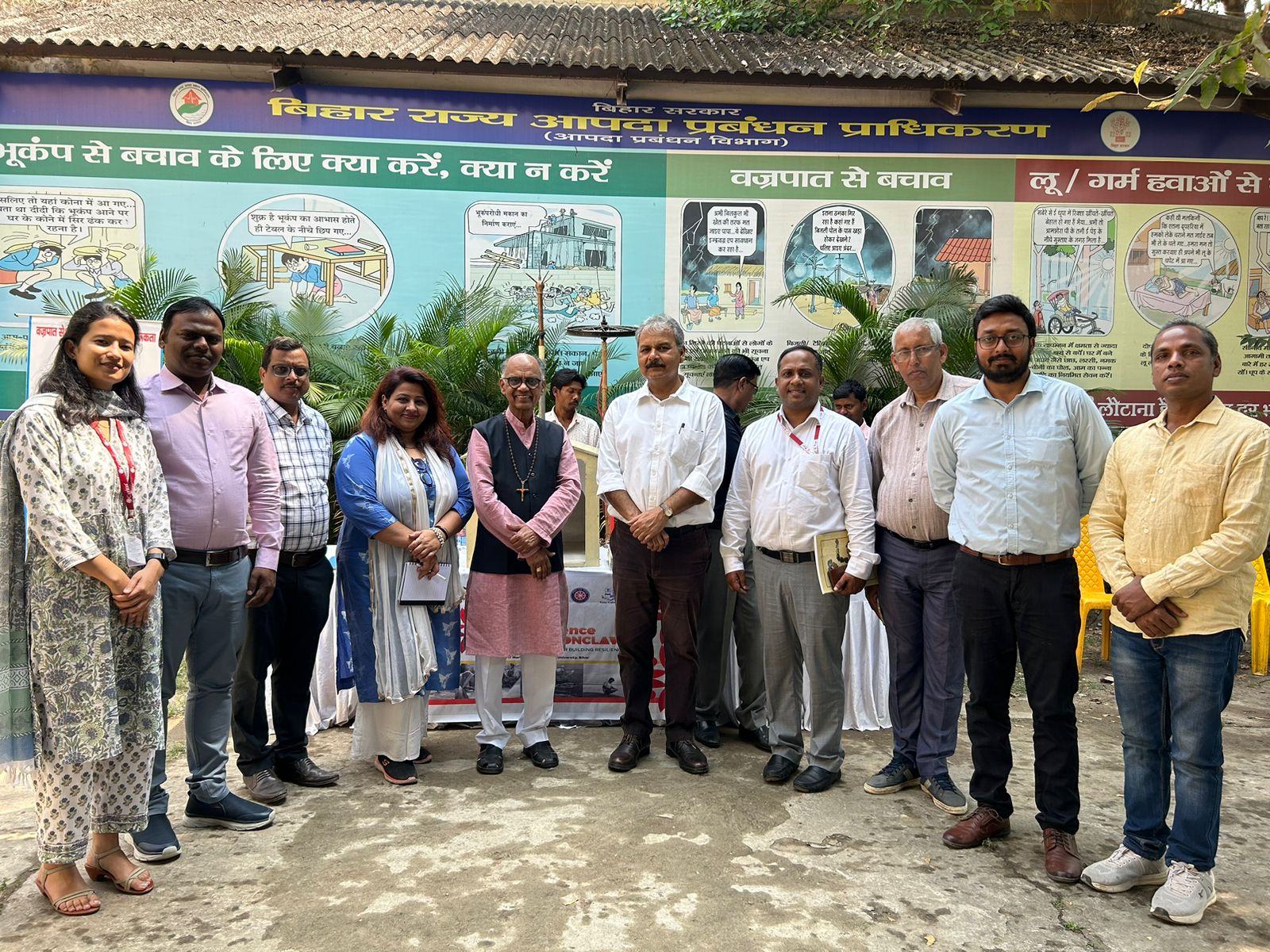
Most Rev. Archbishop Sebastian Kallupura, Chairman of Caritas India, welcomed the distinguished guests, setting the tone for a collaborative and impactful event. Dr. Jaison Varghese, Senior Programme Manager at Caritas India, elucidated the significance of We4Resilience, highlighting its three-tier campaign aimed at fostering behavioral change and spontaneous actions among communities in Disaster Risk Reduction (DRR).

The global program aimed to improve access to government social benefits, enhance self-help capacity, and foster collaboration between civil society initiatives and government agencies to increase the resilience of marginalized populations, particularly in disaster-prone areas. The We4Resilience Youth Conclave, aligned perfectly with this overarching objective. By bringing together students, faculty members, experts, and civil society representatives, the Conclave served as a platform to educate and empower youth to take proactive steps in disaster risk reduction (DRR) and resilience building. The event facilitated knowledge sharing, capacity building, and networking, fostering a sense of volunteerism and community engagement among participants.
The interactive sessions, discussions, and insights shared by distinguished guests not only raised awareness but also inspired action at the grassroots level. By instilling a sense of responsibility and mobilizing youth towards collective efforts in DRR, the event contributed directly to the program’s goal of promoting social integration, enhancing food security, and building resilience among marginalized communities, beyond program geography. This is the step that reflects the program’s commitment to creating a model that is scalable and sustainable. This conclave provided a platform that has the potential to amplify the impact so far the program has created in its geography.
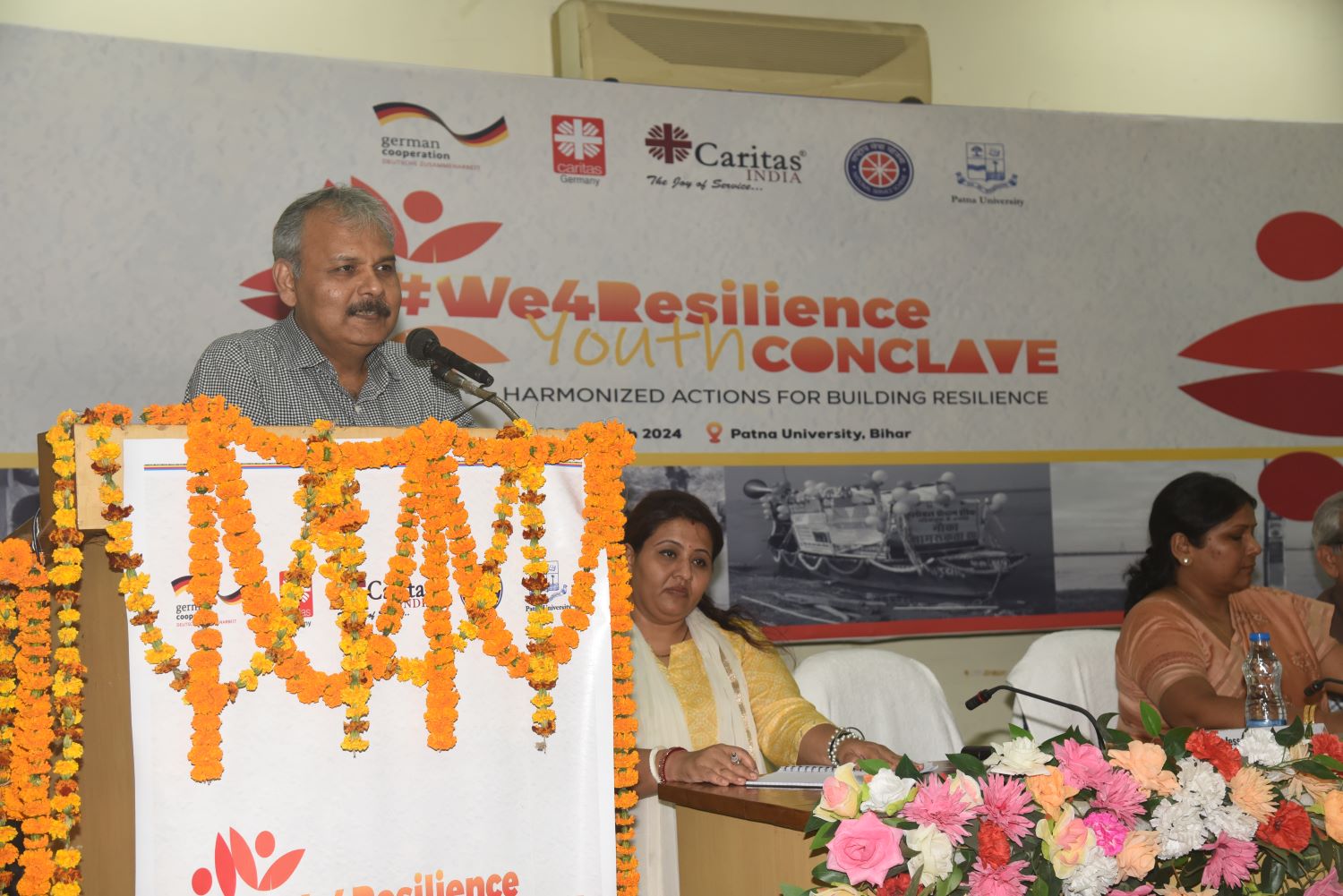
The Conclave saw active participation from various stakeholders, including Prof Atul Aditya Pandey, Director of Malaviya Mission Teacher’s Training Center, Patna, who instilled a sense of volunteerism among the participants. Professors Anil Kumar and Birendra Prasad from Patna University, along with Prof Suhaili Mehta, Programme Coordinator of NSS, emphasized the integration of resilience-building initiatives into the annual action plan of NSS. They also stressed the importance of student engagement in educating society on DRR.
With around 150 participants, including students, faculty members, Caritas India National and State team, Global Program Partner team members, and think tanks, the Conclave provided a dynamic platform for knowledge exchange and collaboration. Global Program Team shared the campaign strategies and highlighted their significance. They also share their experiences and challenges on various DRR issues, highlighting the organization’s commitment to addressing these pressing concerns with NSS volunteers of different colleges.
The highlight of the event was the mock session, during the mock session at the We4Resilience Youth Conclave, students showcased their learning and innovative approaches to organizing the campaign, focusing on themes such as Nutrition Food Security (NFS), Disaster Risk Reduction (DRR), and Social Inclusion. With enthusiasm and creativity, participants presented a variety of ideas ranging from interactive workshops on promoting healthy and safe practices to enhancing the nutritional outcome to community-based emergency response simulations. Through engaging presentations and discussions, students demonstrated their commitment to addressing pressing issues faced by their communities and highlighted the importance of collaboration and inclusivity in building resilience. The mock session served as a platform for students to exchange ideas, learn from each other’s experiences, and inspire collective action toward creating a more resilient future.
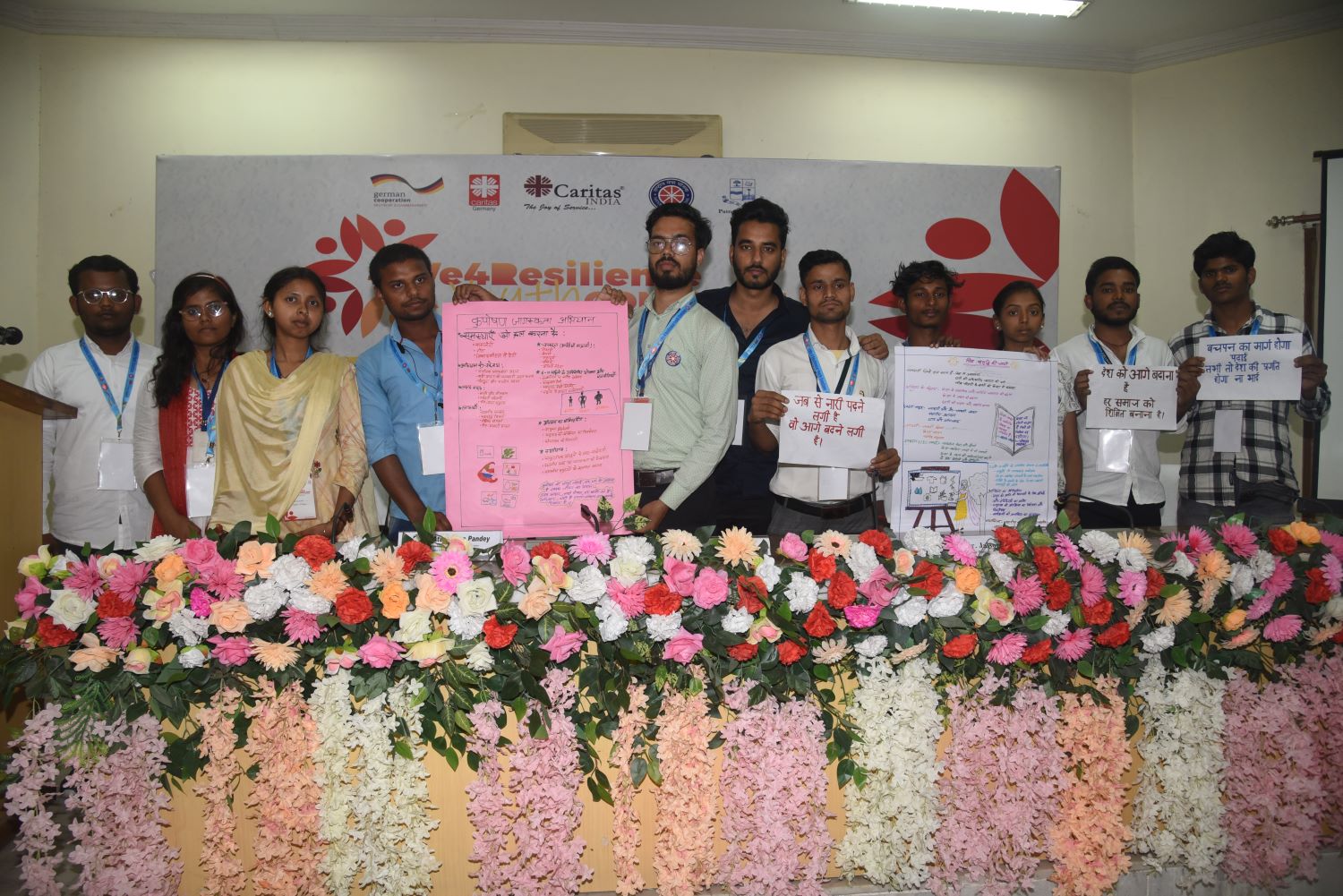
In line with the vision of empowering youth as change-makers, a campaign calendar was decided during the event. This calendar outlines a series of initiatives and activities aimed at raising awareness, fostering community engagement, and implementing practical solutions for building resilience. From educational workshops to community outreach programs, each activity is designed to empower youth to take proactive steps toward creating a safer and more resilient society.
Looking towards the future, the We4Resilience Youth Conclave concluded with a forward-thinking plan for implementation at the ground level. Each college represented at the event committed to developing a tailored action plan to roll out the campaign within their respective communities. These plans will encompass a range of initiatives, from educational workshops and awareness campaigns to practical demonstrations and community engagement activities. By mobilizing students and leveraging their collective energy and enthusiasm, these grassroots efforts will play a pivotal role in building resilient communities and empowering fellow students to become agents of positive change. With a shared vision and commitment to action, we are poised to make a tangible difference in the lives of those most vulnerable to disaster risks and social challenges, paving the way for a more resilient and inclusive society.
The We4Resilience Youth Conclave stands as a testament to the collective resolve to empower youth and communities in the face of adversity. This two-day conclave has promised to harness the momentum generated by this event to drive meaningful change and build a more resilient future for all.
Moreover, the Global Program initiative focuses on promoting social inclusion and increasing resilience in high-risk areas directly contributes to sustainable development goals (SDGs) such as ending hunger, reducing inequality, and combating climate change. By addressing these pressing issues at the grassroots level, the Global Program is making a sustainable contribution to fostering resilient communities and promoting social integration.
 91 -11 - 23362735
  director@caritasindia.org


