
 91 -11 - 2336 3390
  director@caritasindia.org
 The 4th River Conference for Regeneration of Riverine Ecosystems held at Hotel Ashiana Hill View conference hall on March 21-22, 2024 drew attention to the pressing need for action on World Water Day 2024. Aligned with the International Day of Action for Rivers and World Water Day, the event gathered 150 participants from diverse organizations and locations, including 52 partners committed to river conservation efforts worldwide.
The conference organised by Water Initiatives Odisha and the Foundation for Ecological Security (FES) was co-partnered by Caritas India under the Global Program, spearheaded a momentous gathering focused on the restoration of riverine ecosystems.
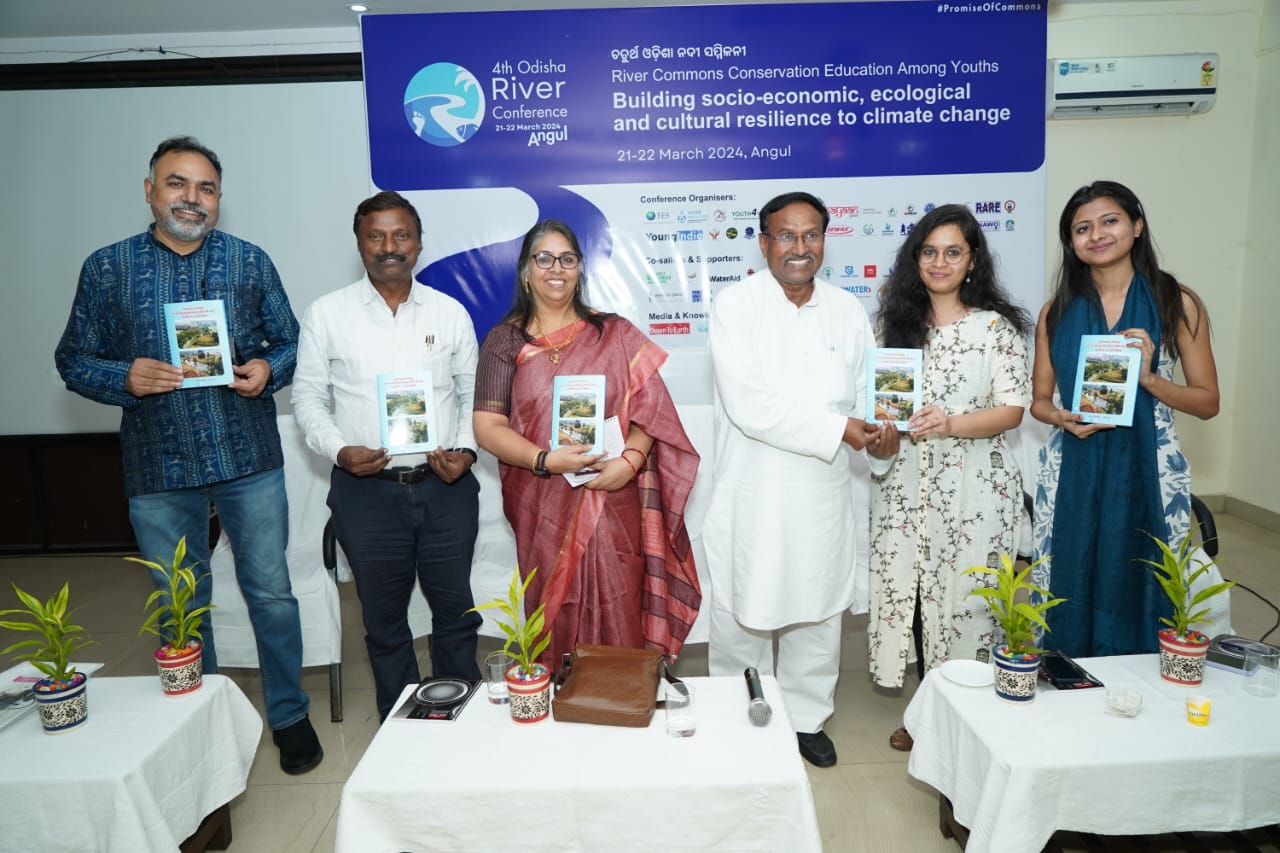
Caritas India Global Program supported this initiative as a follow-up of the We4Resilience conference to facilitate systematic and regular exchanges among various stakeholder groups, fostering dialogue through congresses, workshops, and further education programs. Besides, the event acted as a learning macro-level platform for Civil Society Organisations across India to draw action plans and recommendations on sustainable development and reviver conservations. The event convened 150 participants from diverse organizations and locations, including 52 partners committed to river conservation efforts worldwide. Seven members team from Caritas India participated in this conference to share their experiences and insights.
With a focus on achieving Sustainable Development Goal 6: water and sanitation for all by 2030, the conference emphasized the importance of accelerating progress in water conservation and management. Participants highlighted the critical role of youth in preserving and rejuvenating river systems, advocating for socio-economic, ecological, and cultural resilience to climate change through river commons conservation education.
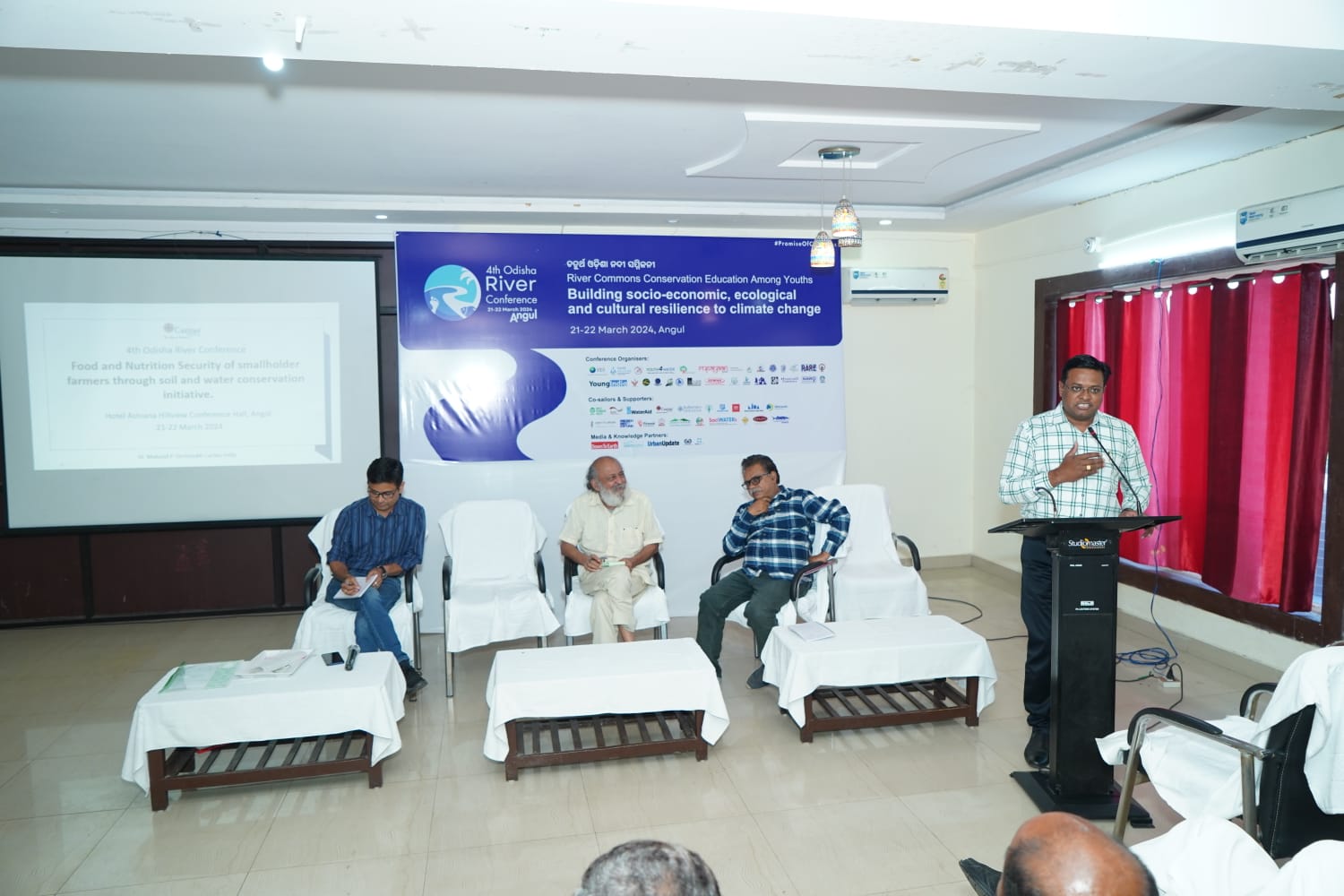
Dr. Mukund Deshmukh from Caritas India shared insights on the intricate interplay between water security, food, nutrition, and livelihood security. Dr. Mukund’s presentation delved into the multifaceted challenges faced by vulnerable communities, particularly the Korku Tribes of the Satpura Region. He highlighted the transformative potential of initiatives such as soil and water conservation in bolstering alternative livelihood options and mitigating the adverse impacts of climate change. He emphasized the crucial role of water resources in enhancing resilience and promoting sustainable development among marginalized populations.
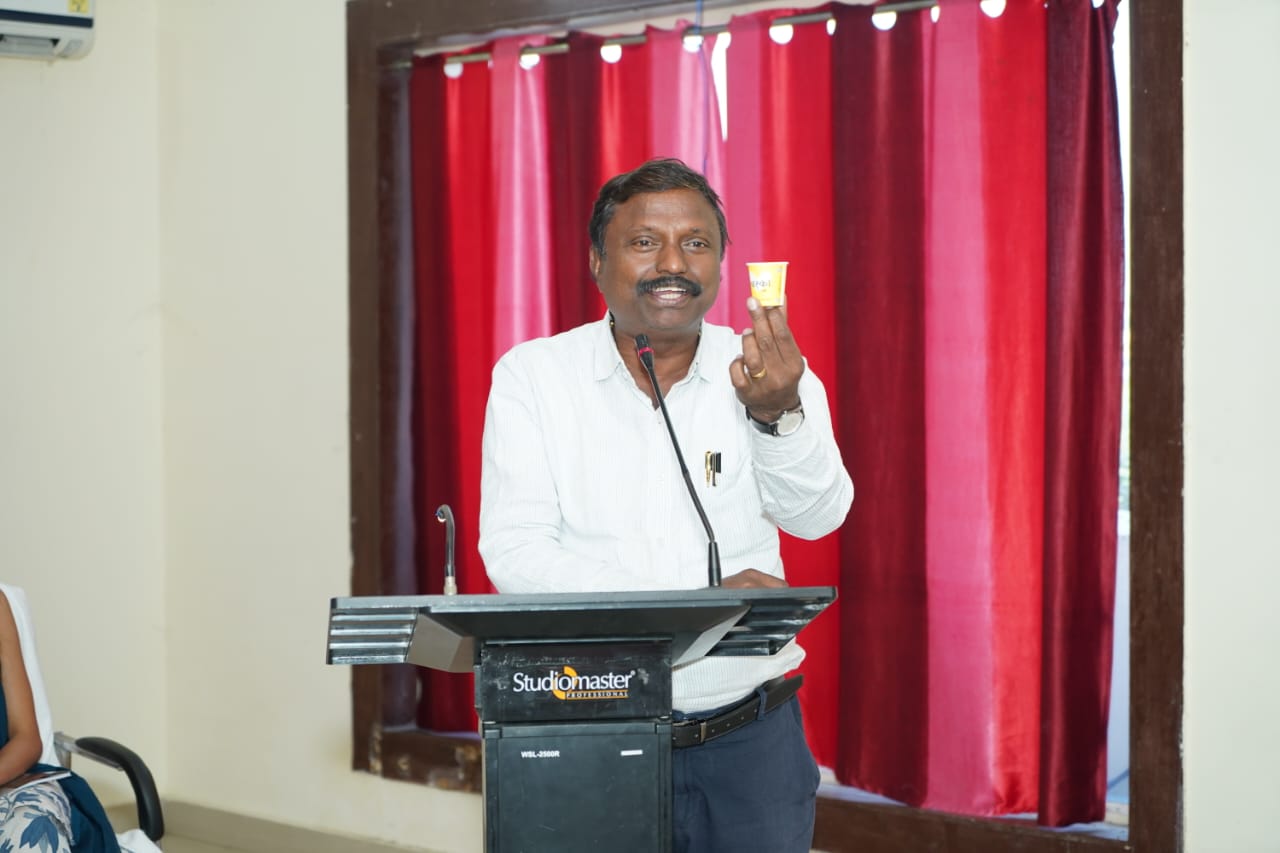
Dr. Haridas V.R. Climate Justice lead of Caritas India underscored the imperative of watershed-based interventions for enhancing riverine ecosystems. Drawing attention to a spectrum of challenges including encroachment, deforestation, and chemical pollution, Dr. Haridas advocated for targeted micro-interventions aimed at protecting tributaries and distributaries. His presentation emphasized the importance of adopting holistic approaches to water management, encompassing sustainable land-use practices and community-driven conservation initiatives. He urged stakeholders to prioritize the conservation of vital water sources, highlighting the critical role of collective action in safeguarding the ecological integrity of river systems. Mr Peter Barla, Global Program Coordinator from the Dhemaji district, Assam also shared the resilient building activities being undertaken under the program.
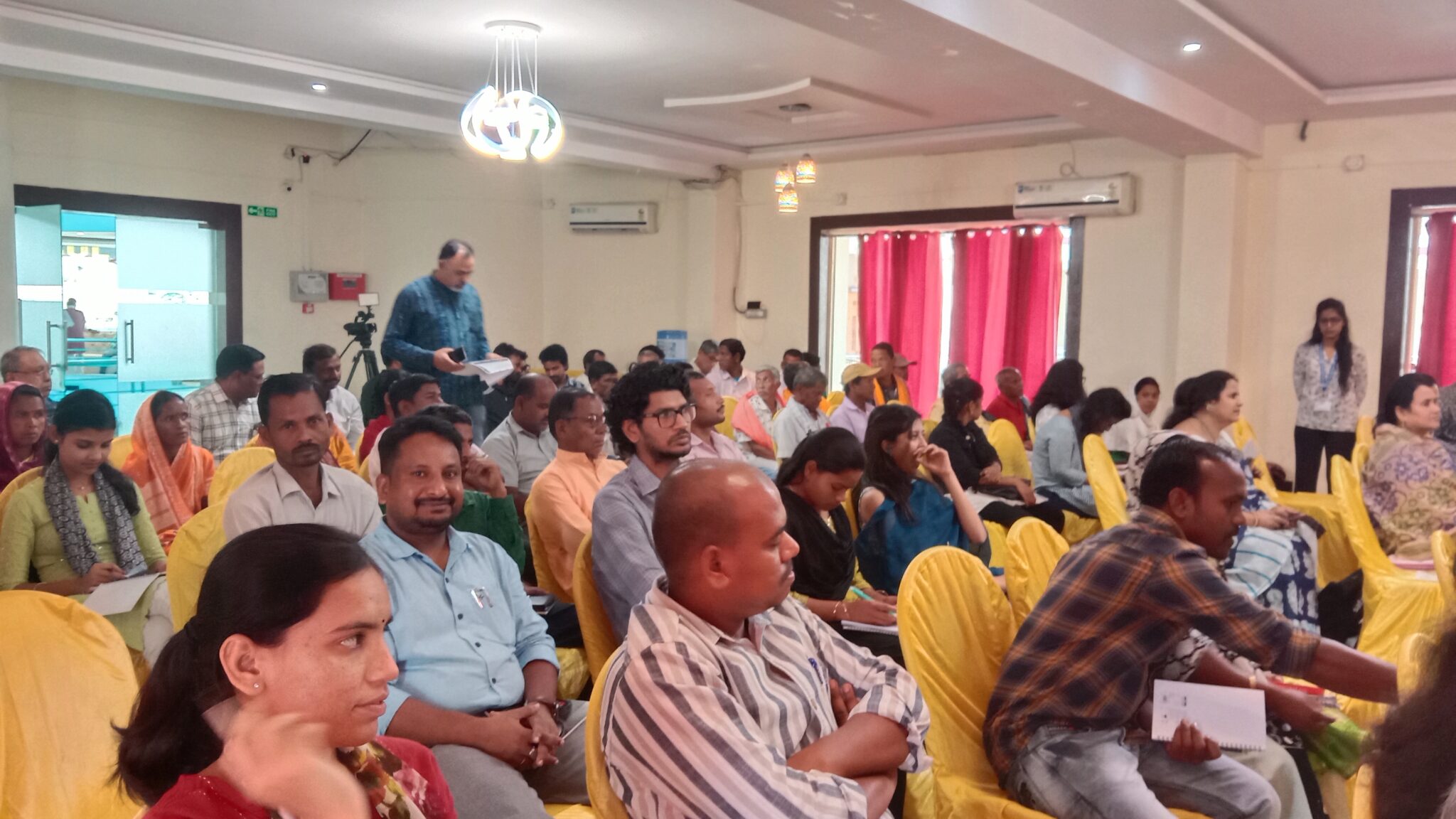
The conference concluded with a clarion call for action, urging stakeholders to accelerate progress towards achieving SDG Goal 6 and promoting initiatives and innovations in water conservation and management. As communities worldwide grapple with the repercussions of water stress and environmental degradation, gatherings like the River Conference serve as beacons of hope, rallying stakeholders to safeguard our most precious resource – water – for future generations.
In the small village of Baberi, situated amidst the rolling hills of Rayagada District in Odisha, a young girl named Rekha Bushikha (Name changed) begins her day with a determination that belies her tender age. At just 11 years old, her heart brims with aspirations of becoming a doctor who tends to the sick and soothes their pains.
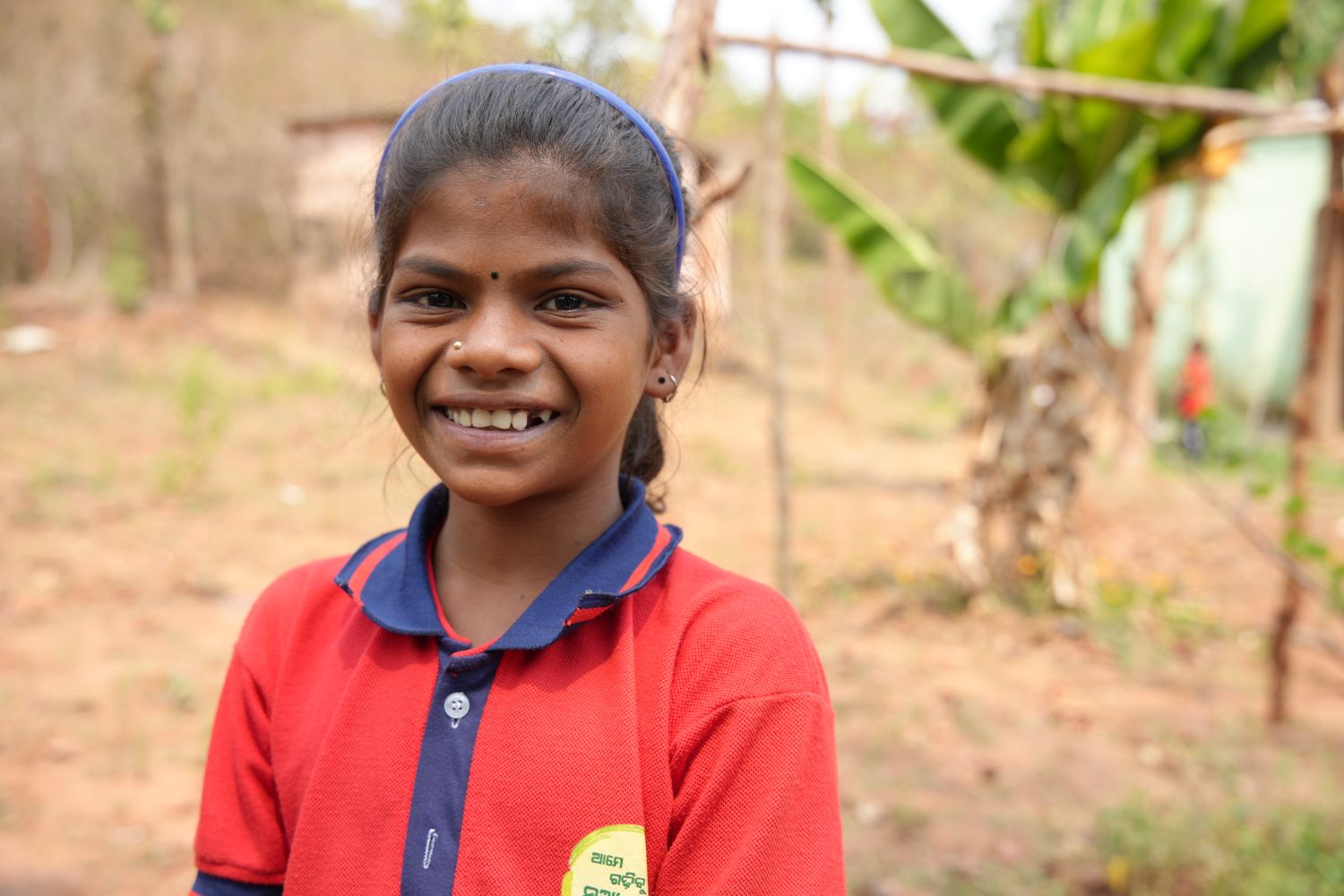
Each morning, as the sun peeks over the horizon, Rekha rises with a sense of purpose that propels her forward. Living with her parents in Baberi Village, she embarks on a journey of knowledge—a 2-kilometer trek along winding sand-filled roads—to reach Rasikhola Model School in Rasikhola village.
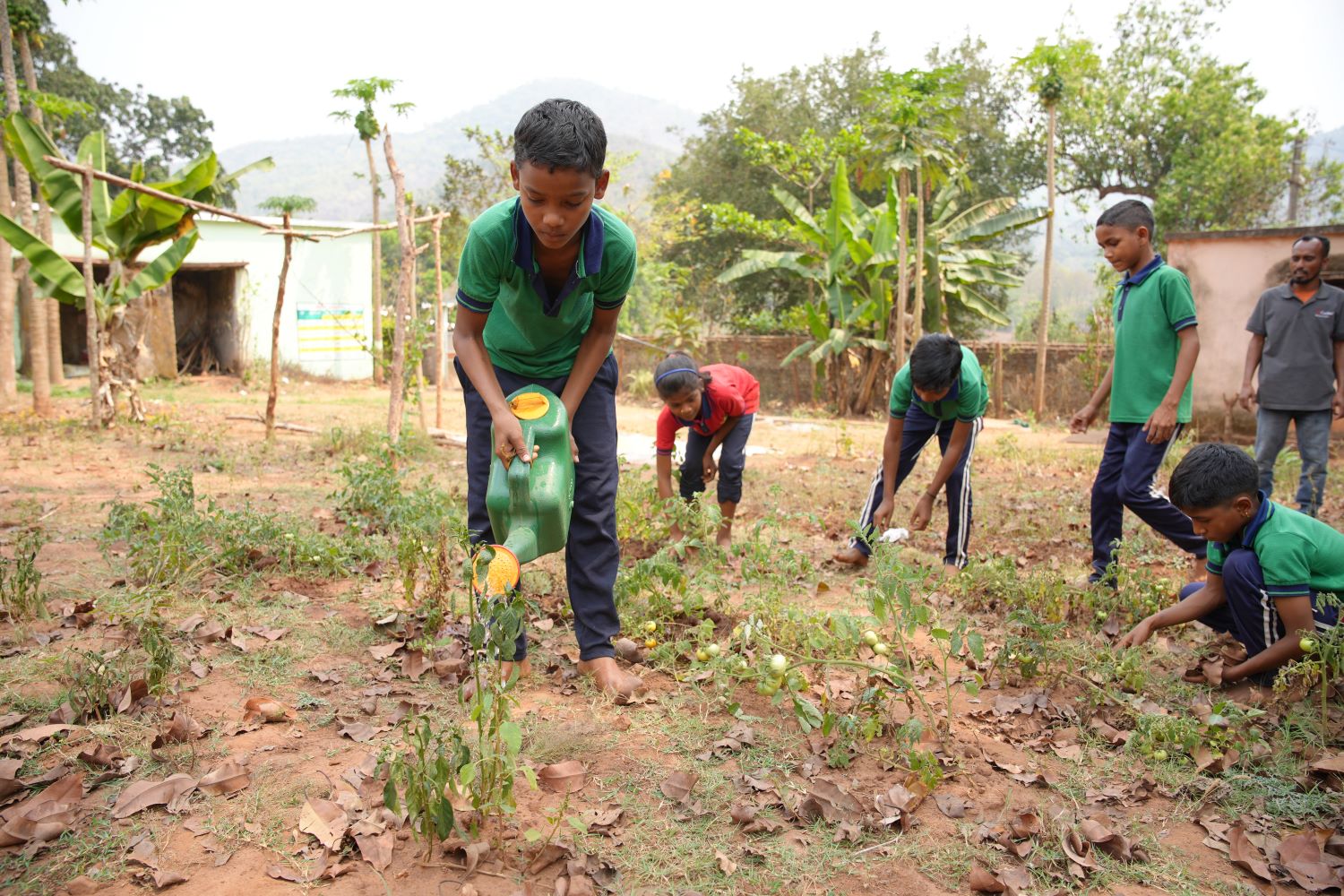
Rasikhola Model School holds a special place in Rekha’s heart. It is not only a pathway to her dream, but also a sanctuary of growth and nourishment in the form Nutri Garden—tended by teachers, students, and the community alike. In her free time, Rekha along with other school children upkeep the nutrition garden by cleaning and watering the plants. The awareness of healthy nutrition and hygiene by the Global Program team has created a deep impact on her life.
The Nutri Garden, born in 2021 through the unwavering support of Caritas India’s Global Program, stands as a testament to the transformative power of a system-strengthening approach towards nutrition and food security. Its verdant rows of vegetables not only supplement the Mid-Day Meal support but also instill invaluable lessons in nutrition and sustainability among the children.
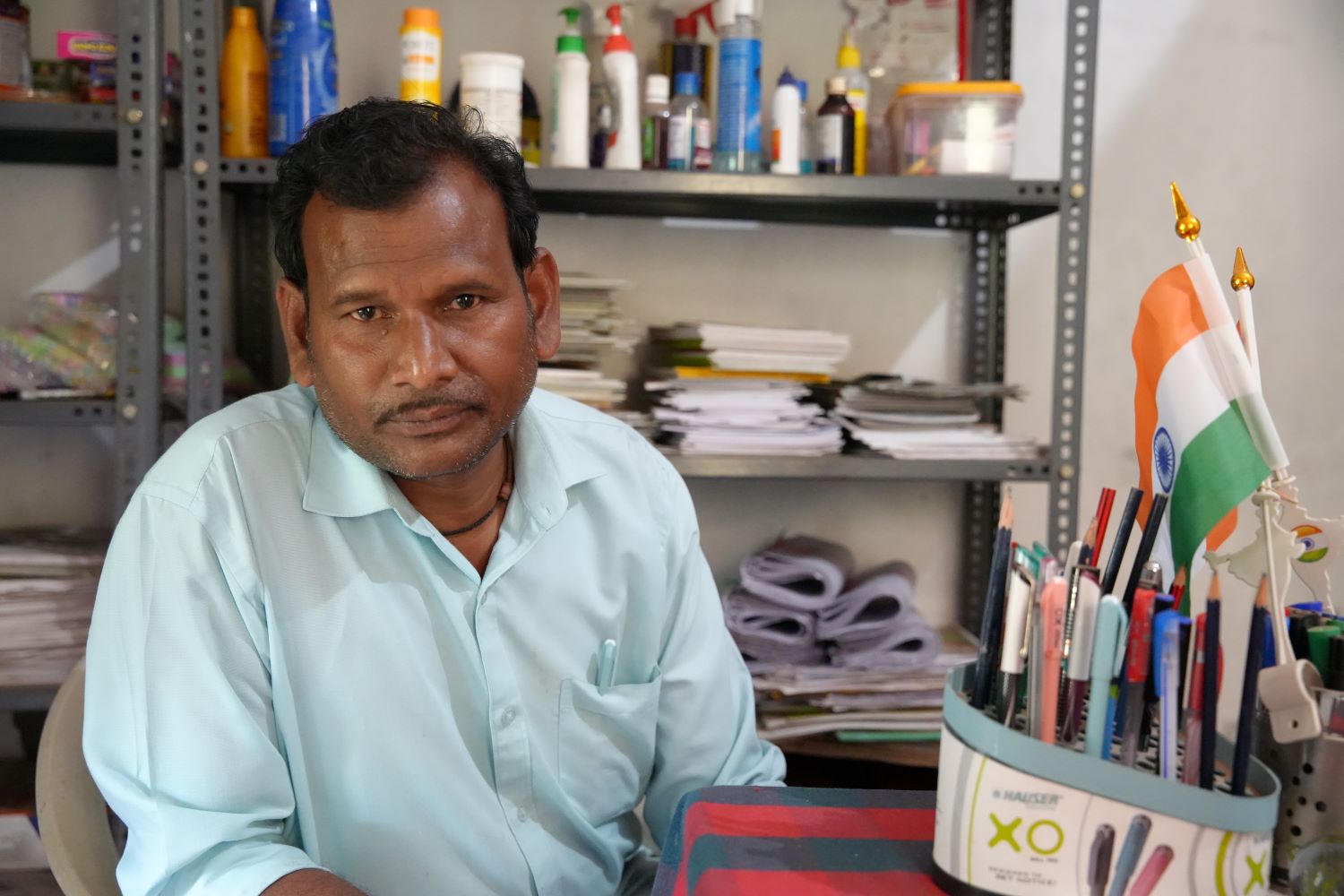
Mr. Subhash Pradhan, a dedicated teacher at Rasikhola Model School, bears witness to the profound impact of the program. “The change in behavior towards nutrition and hygiene has been truly remarkable,” he attests with a smile. “Our children have become stewards of their health, embracing practices like handwashing with newfound diligence.”
But the program’s impact extends beyond the school gates. By providing vegetable saplings for the children to cultivate at home, the initiative empowers families to become creators of their nutritional resilience.
The enhanced Mid-Day Meal, enriched with fresh produce from the Nutri Garden, has not only attracted more children to school but has also significantly reduced dropout rates—a testament to the program’s success in addressing the educational barriers posed by hunger and malnutrition.
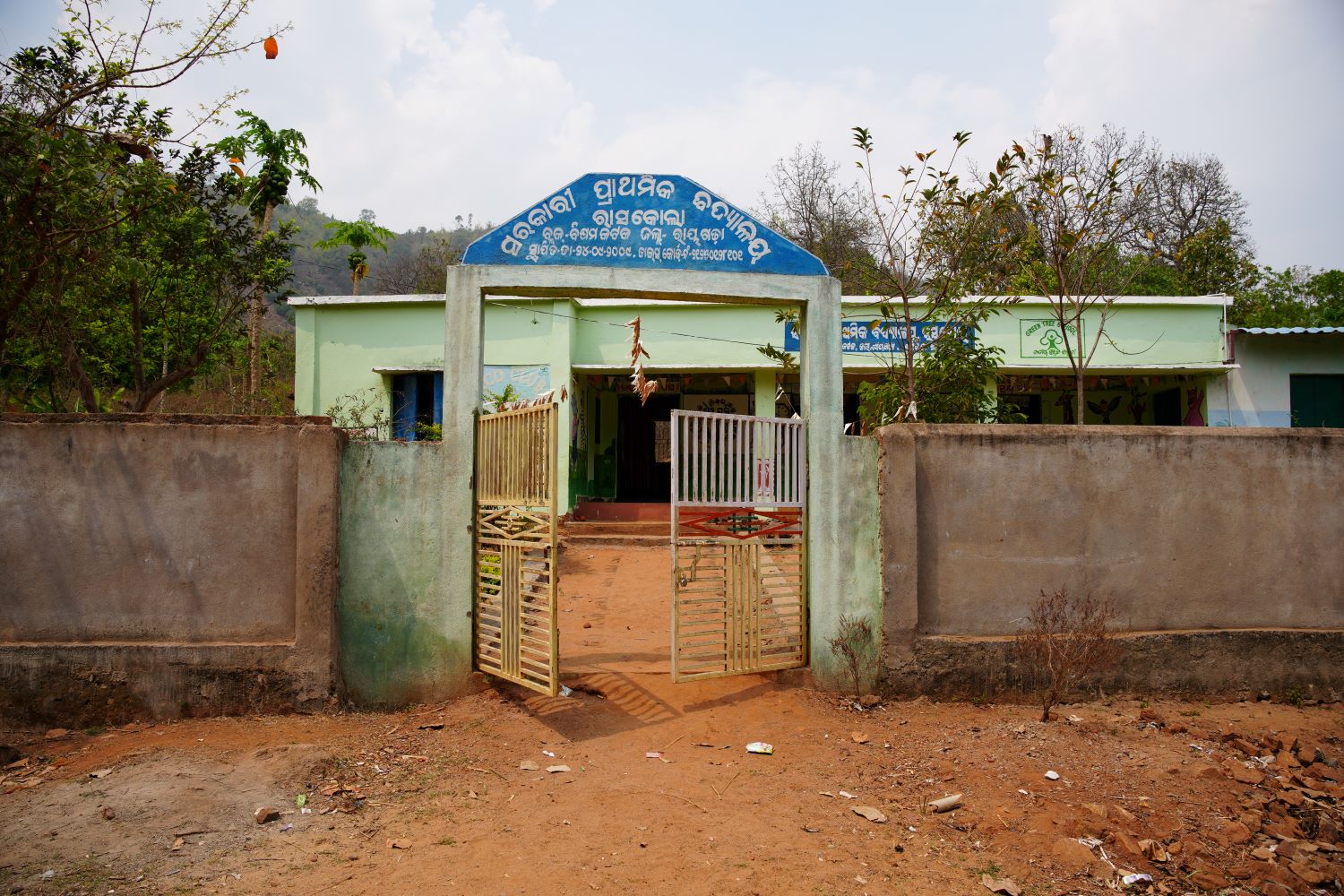
For Rekha, the journey towards her dream of becoming a doctor is not just a solitary pursuit; it is a collective endeavor nurtured by the Rasikhola Model School and the unwavering support of programs like Caritas India’s Global Program.
Moreover, through a collaborative effort between Caritas India and the District Education Department, a Training of Trainers program was organised to roll out a balanced nutrition curriculum. Over 20 government schoolteachers from nine schools in Bissom Cuttack and Gudari block exemplified unwavering commitment to nurturing healthier generations through comprehensive education on nutrition and well-being.
This curriculum, a pivotal milestone in the journey, transcends conventional teaching to instill in students the importance of nutrition, healthy eating habits, and hygiene—a critical step toward holistic development and well-being.
As Mr. Subhash reflects on the journey, his eyes gleam with pride. “Sensitizing children to the significance of nutrition was paramount,” he explains. “Now, parents are equally motivated to send their children to school, knowing they’ll receive the nourishment they need to flourish.”
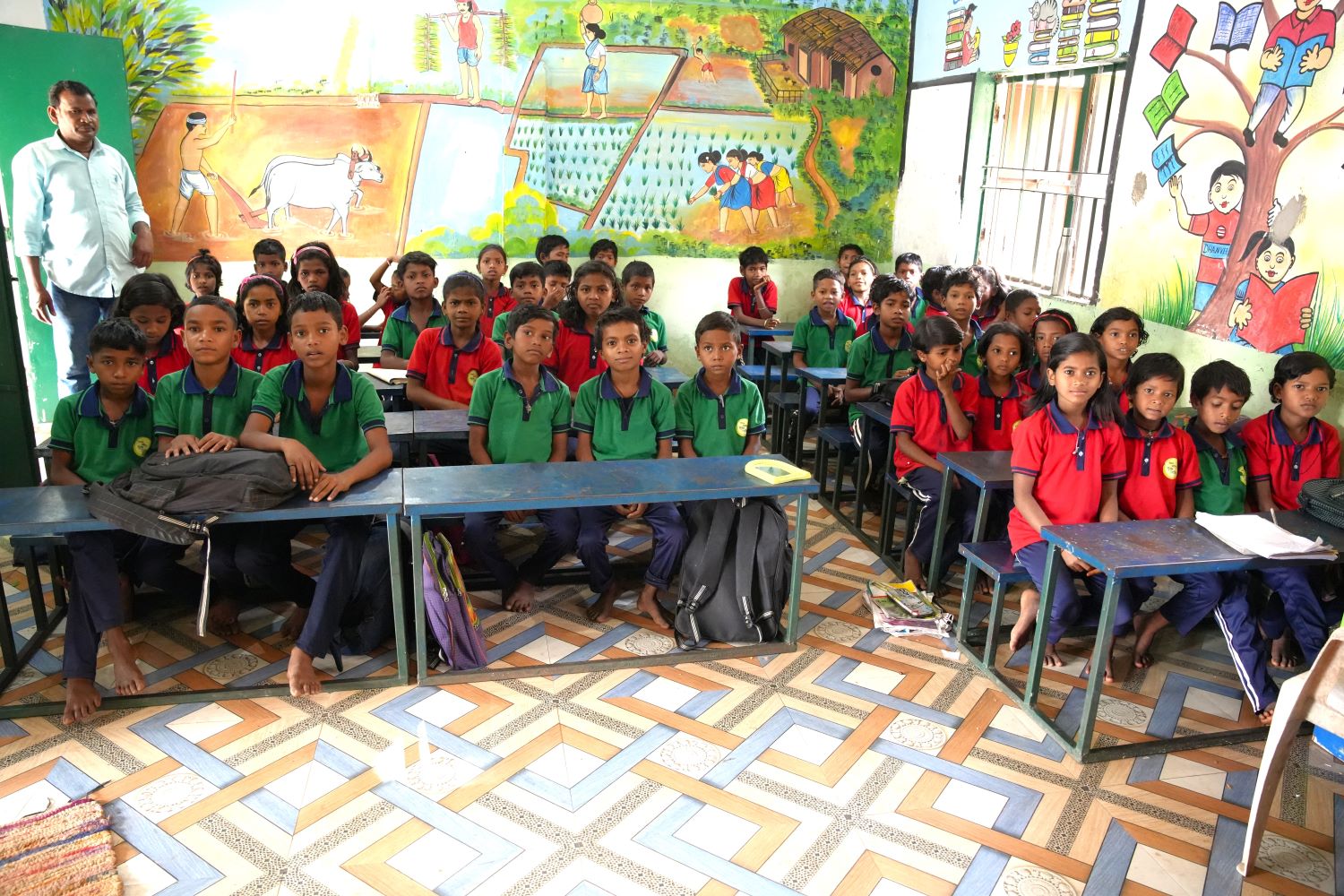
This is one of the instances in which Global Program’s interventions complement the governmental programs on nutrition and food security and mid-day meals in the schools. The impact of the program is felt far and wide as the households have improved their knowledge and practices regarding hygiene and healthy eating. Additionally, the number of households receiving government welfare programs for health and nutrition security has increased, contributing positively to the well-being of the community.
Through Rekha’s journey, we witness the transformative power of education, community empowerment, and sustainable interventions. Her footsteps along the sandy roads of Baberi echo with the promise of a brighter future—for herself, for her community, and for generations to come. And it is through the support of programs like Caritas India’s Global Program that dreams are cultivated, futures are nourished, and hope blossoms anew.
Prakash was desperate when he approached the Simdega Migrant Resource Center (MRC) in Jharkhand for the settlement of his due wage from the contractor. He was working in Goa and was denied the last six months’ wages from the contractor in Goa.
Prakash, along with three others, migrated to Goa to work at ‘Casa Pride, a group housing colony with fixed payments. The initial few months went well with payments coming on time, but the last 6 months’ payments were held back, and only a small amount of Rs. 1000– Rs. 3000 was given for their monthly or weekly ration requirements.
Migrants face vivid vulnerabilities, whether in terms of social security, health benefits, political status, living and working conditions, or exploitation of low wages or no wages. The government has implemented various programs to support the welfare of migrant workers, but they fail to utilize these benefits due to a lack of awareness or documents.
Caritas India realized this challenge and initiated the Pravasi Bandhu program, promoting the well-being of the migrant workers through safe migration and working parallelly at the source and destination points. The program strives to ensure safe living and working conditions for migrants so they can live with dignity. MRC is an initiative that provides social, legal, cultural, emotional, and psychological support to internal migrant workers. Many migrants receive assistance in settling their wages in destination cities like Delhi, Gandhinagar, Goa, and Baddi.
Prakash came to know about the MRC and approached the MRC coordinator at Simdega and shared his ordeal. The center contacted the MRC of Caritas Goa informing them of the unpaid wages case of Prakash Soreng, along with Prawin Lakra, Anil Tete, and Simon Kujur working in the same establishment.
The challenges faced by Prakash and his companions were not limited to financial hardship. Basic necessities like water and electricity became luxuries beyond reach as unpaid bills piled up, making the situation difficult to worsen.
Pravin mentioned that it had been 4 years since last he visited his hometown and he longed to see his aged parents. His unpaid wages kept him from going home. Simon Kujur, another migrant worker, said that he wouldn’t return to Goa to work, as he didn’t expect he would have to face such difficulties. They were frustrated and said that they were willing to accept any little amount they were getting for the work they had done. They expressed their desire to return home as soon as possible.
The Pravasi Bandhu team investigated the case, but it was not without challenges to trace the owner. The contractor denied any claim for the migrants, but undeterred by the hurdles, the MRC team persisted in getting justice for the migrants.
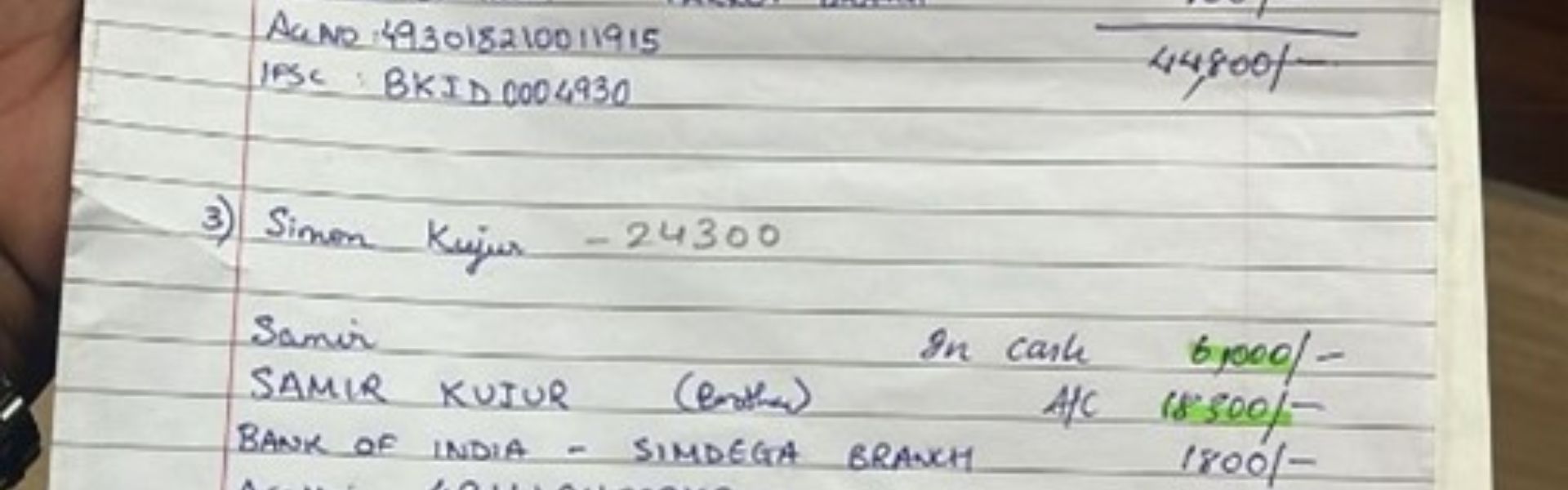
After several discussions and negotiations, the contractor agreed to settle the unpaid wages in part with cash and a bank transfer. The MRC team facilitated the process of bank transfer for Prakash and other colleagues.
On April 2, the contractor deposited the balance amount in all the bank accounts, amounting to Rs. 2,19,000. Prakash was so delighted that after receiving the due amount, he called the MRC team to thank them for helping settle their pending payment.
Prakash’s story isn’t unique. Many migrant workers face similar struggles. But what makes it different is the role Caritas India’s MRCs played in upholding the hope of these migrants to get justice and their due entitlements. These centers provide a lifeline for those in need, ensuring every migrant worker can live and work with dignity.
Manika came to Delhi 15 years ago, having migrated from the village of Tanger Toli Belkuba, Tehsil-Bolba Simdega, Jharkhand. She spent 2.5 years working as a domestic worker at Karol Bagh, Delhi. Following that, she returned to her hometown and worked as a daily wage worker and in agriculture for several years.
While living in village she faced domestic violence by her husband, husband’s sister-in-law, and mother-in-law. Her husband committed suicide by consuming poison in front of her. Her mother-in law thrown her out from the house, “saying that what will you do here if my son is no more now” therefore she decided to come Delhi again to save her life leaving her daughter and son with her brother.
She visited Delhi in November 2023 and stayed at a shelter home close to Bangla Saheb Gurudwara, New Delhi. She told us that she had a terrible experience there because the locals there had treated her horribly. She managed to stay between drug dealers and criminals despite not having enough money to travel to a safer location. There, she had been sexually abused, had severely bitten, and had her ID documents stolen.
Caritas India works to protect the rights of migrants through the Pravasi Bandhu program on migrants’ safety. Seeing several cases, it was found that many migrants who are traveling from villages to big cities like Delhi in search of employment lack a place to stay. As a result, they frequently end up living in unsafe public spaces like roads, railway stations, and unsafe shelter homes, which are particularly dangerous for women. Additionally, migrants are unable to rent a room because they do not have enough money to do so initially; instead, they arrange their own living arrangements once they find employment.
Recognizing this issue, Caritas India established a Short Stay Shelter home specifically for migrants coming from long distance to cities in search of job. Pravasi Bandhu Shelter home provides free food services and health facilities to all the stayed people. Additionally, prioritize offering vocational training to improve their skills and help them land a job as per their skills and capabilities. The Pravasi bandhu Short Stay Shelter homes are in Gandhinagar, Goa, and Delhi.
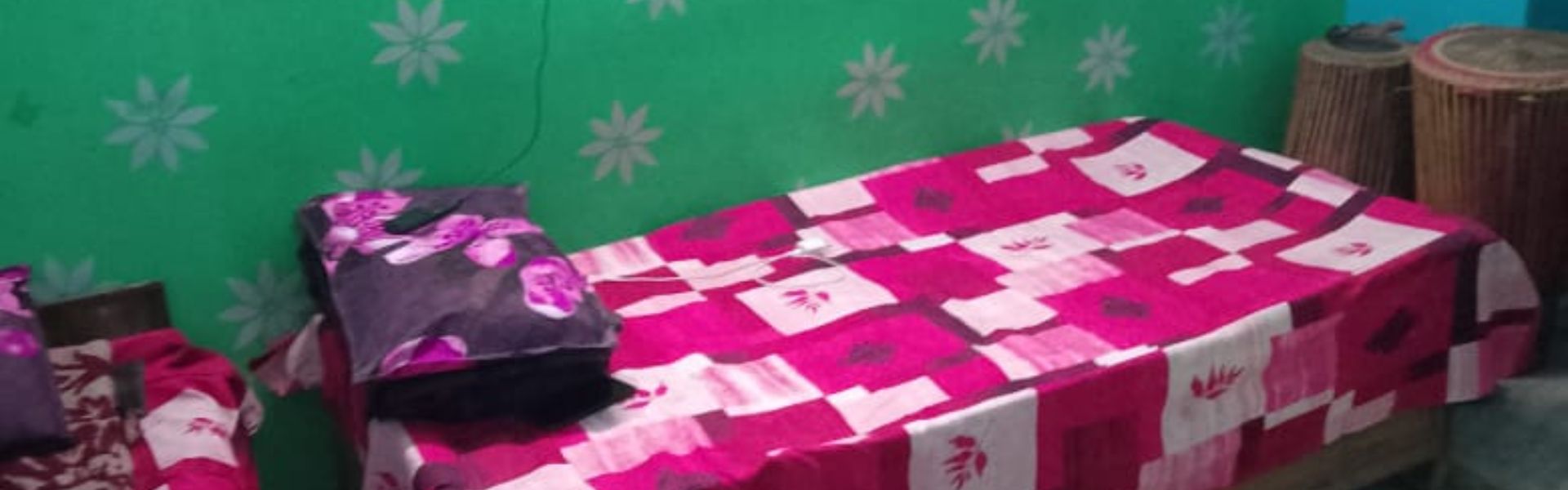
Manika came to Pravasi Bandhu shelter home to seek safe shelter and medical treatment, she came with Ms. Chinmayee who is one of the beneficiaries of the program, when she came to program Shelter home she seems very afraid due to physical & mental torture that happened with her. Pravasi Bandhu team provided her homely atmosphere with another Jharkhand’s Domestic Workers. Now till the time team talked with her she became normal and able to talk about her past life and what she faced during staying at the previous place.
She came and stayed at Pravasi Bandhu Shelter home. Project team helped her to made ID document such as Adhar Card, Pan Card etc. for placing her in new job as domestic worker. For Migrants like Manika who was going through tough time at here even though she worked for many years here before, then also she faced a terrible experience, Caritas India initiative improving the lives of some of these migrants and giving them newfound hope.
 91 -11 - 2336 3390
  director@caritasindia.org


