
 91 -11 - 2336 3390
  director@caritasindia.org
 A Delhi Slum’s Unlikely Path from TB to Trade
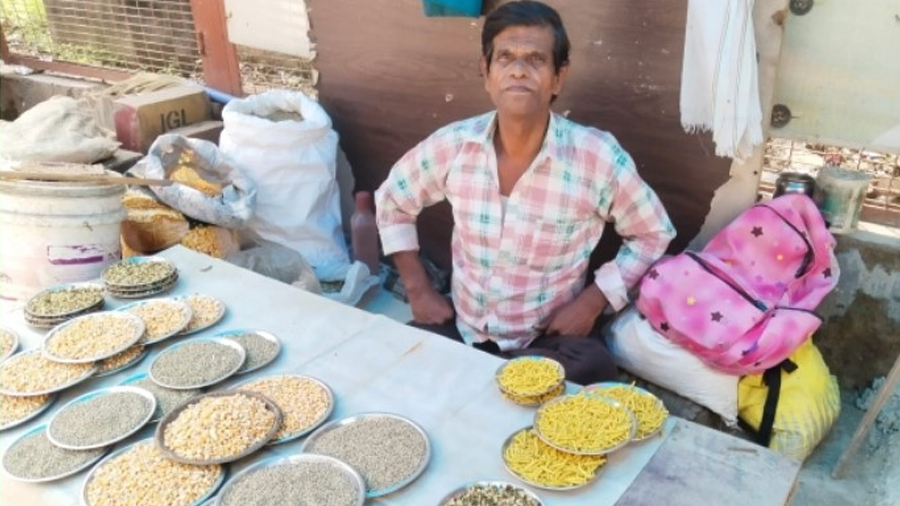
In the congested lanes of Nehru Vihar, a resettlement colony in North East Delhi, life is not very smooth. There is little room for illness, and even less for the kind of prolonged treatment that tuberculosis demands. This is the reality Rajkamal found himself in, in 2023, when a TB diagnosis threatened to unravel everything he had built for his family.
Rajkamal had spent years doing manual labour, the kind of physically demanding work that pays by the day and stops the moment the body gives out. When TB was confirmed during his treatment at GTB Hospital, it did exactly that. He could no longer lift, carry, or labour the way his livelihood required. For a family of three depending entirely on his income, the diagnosis was not just a health crisis. It was the beginning of a financial one.
This is where his story could have ended in the way so many do in Delhi’s urban slums: a family quietly slipping deeper into debt, an illness compounding into destitution, hope narrowing with every missed wage. Instead, it became the starting point of something else.
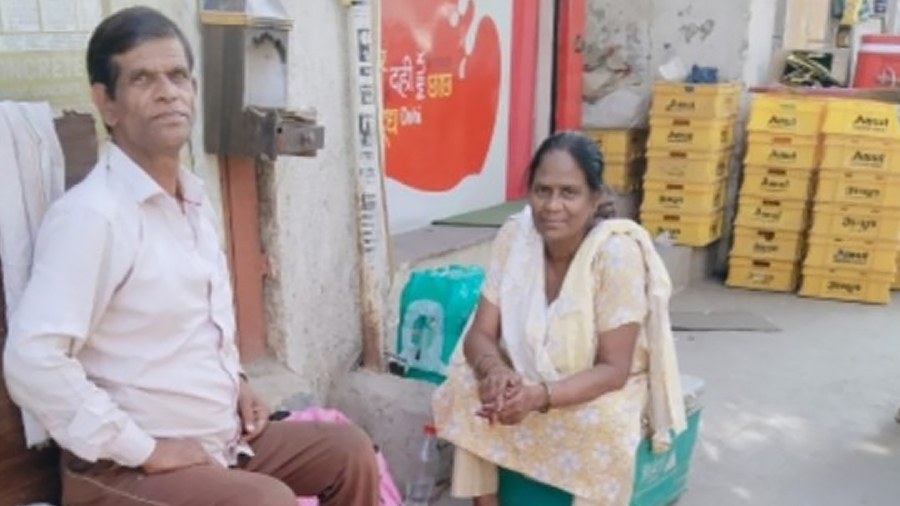
At GTB Hospital, Rajkamal met Sheela, a community educator working with Caritas India’s Gram Nirman Urban programme. It was a chance meeting that changed the direction of his recovery. Sheela introduced him to the support services available through the programme, and from there, the urban field team stepped in, not with a one time handout, but with sustained, personalised engagement.
They began with counselling to help him process the emotional weight of the diagnosis, followed by a home visit to understand the full picture of his household’s needs. This was not a transaction. It was the programme’s way of working: understanding a family before prescribing a solution.
Through careful assessment, the field team recognised that Rajkamal could not return to manual labour, but he still had the drive and discipline to build something of his own, if given the right push. The programme facilitated a linkage with a local partner organisation, identifying a livelihood option suited to his physical condition and helping him set it up.
What makes Rajkamal’s path distinctive is the business he chose: selling bird food, a small, largely overlooked livelihood niche on Delhi’s streets, but one with steady, loyal demand. It required little physical strain and modest capital, and it gave him something his old job never could: independence on his own terms.
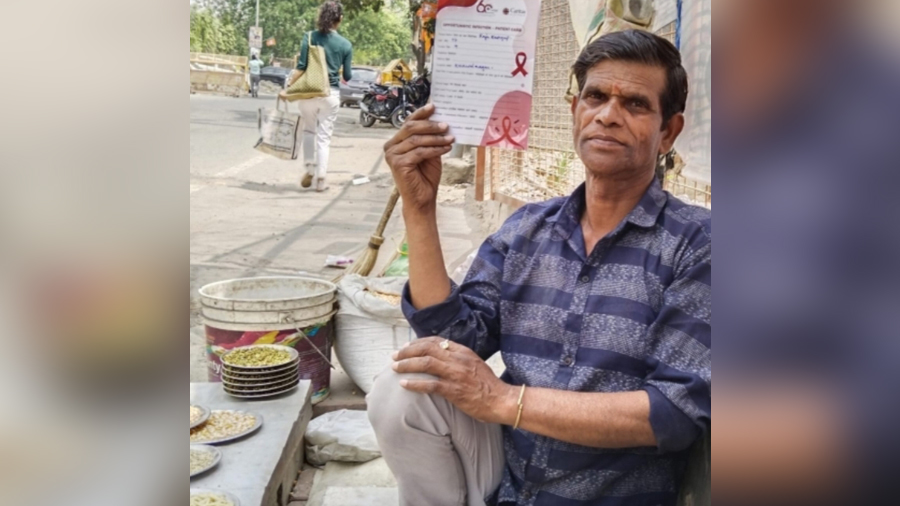
There is a quiet rhythm to this trade that Rajkamal has come to know well. Across many communities, feeding birds, especially pigeons and sparrows, is tied to deep-rooted beliefs: an act of good karma, a gesture of compassion, a ritual observed on auspicious days for peace, prosperity, or the wellbeing of one’s family. During festivals and significant occasions on the religious calendar, demand for bird food rises sharply, as people stop by not out of habit but out of faith. For Rajkamal, these are the days his small stall does its best business, turning a centuries-old custom into a genuine seasonal boost for his household income.
With consistent support from the Gram Nirman Urban team and his own determination, Rajkamal built the venture step by step. Today, it brings him a stable income of approximately Rs 15,000 a month, rising further around festive periods, enough to cover his family’s essential needs and lift the constant financial anxiety that had defined the months after his diagnosis.
“When I was diagnosed with TB, I felt helpless because I could no longer work and support my family. The counselling and encouragement provided by Gram Nirman Urban programme of Caritas India gave me hope. With the livelihood support, I started my own business that now helps me earn regular income and take care of my family. I am grateful for the support that helped me rebuild my life.”
This is the essence of what Gram Nirman Urban is built to do across Delhi’s urban slums: identify vulnerable individuals, understand their specific circumstances, connect them to appropriate livelihood opportunities through strong local partnerships, and stay engaged long enough for recovery to become resilience.
For Rajkamal, that support meant the difference between despair and dignity. For Caritas India, it is one more story that shows what is possible when care extends beyond the hospital ward and into the everyday lives of the people it serves.
Upcoming News
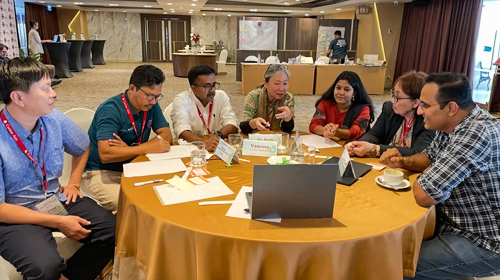
Caritas India Showcases Grassroots Resilience and Women in Leadership at Bangkok Humanitarian Forum
Caritas India placed grassroots climate adaptation and women’s leadership at the centre of regional disaster...
LEARN MORE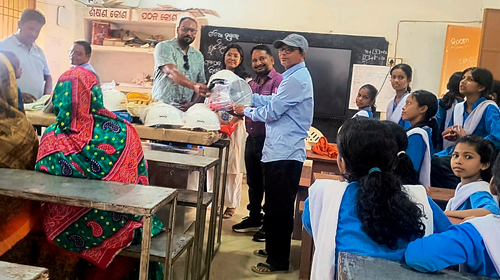
Odisha Schools Armed for Disasters as Caritas India Equips Coastal Classrooms
Caritas India has handed over specialized Comprehensive School Safety Kits to four vulnerable educational institutions...
LEARN MORE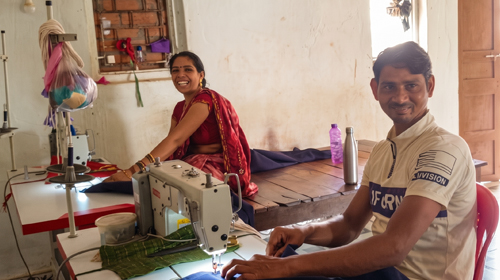
How Family Livelihood Built a Khushaal Bachpan in Bastipara
In Bastipara, a small hamlet of Kevradih village under Sirri Panchayat, Chhattisgarh most families depend...
LEARN MORE 91 -11 - 23362735
  director@caritasindia.org


