
 91 -11 - 2336 3390
  director@caritasindia.org
 A landmark gathering that put migrant dignity at the centre of India’s national conscience
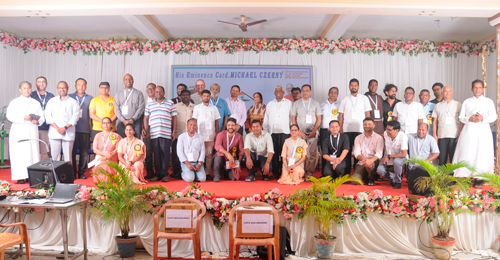
A three day national gathering in Velankanni delivered one of the strongest collective calls for migrant dignity in recent years, as more than 550 participants examined the realities of displacement with clarity and urgency. The National Jubilee of Migrants 2025, held from 6 to 8 November and jointly organised by the CCBI Commission for Migrants and Caritas India, brought together leaders, social workers, and migrant representatives under the theme Migrants: Journey of Hope.
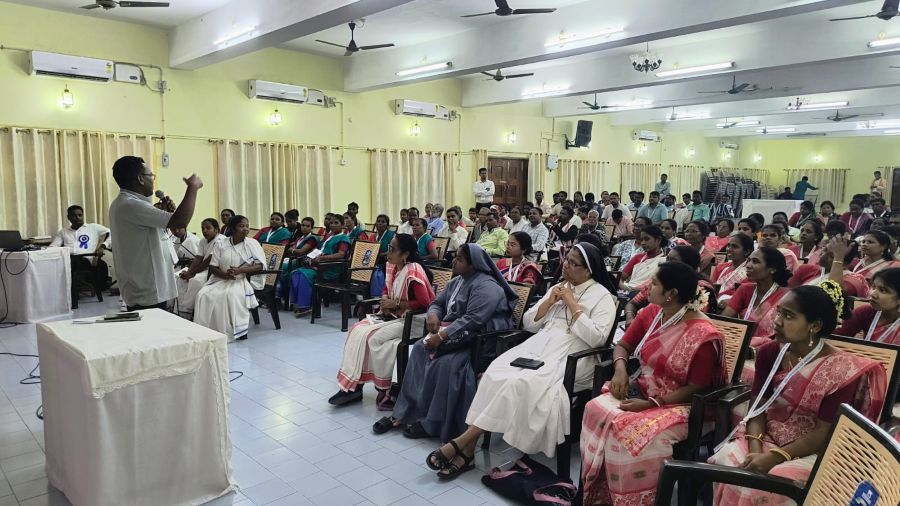
India witnesses one of the world’s largest internal migration movements, with more than 450 million people on the move for work, education, marriage, and survival. While migration fuels the country’s economy, it remains marred by precarious housing, wage exploitation, limited social security, and lack of access to healthcare. The pandemic exposed these vulnerabilities sharply, prompting the Jubilee to push for long term, rights based solutions.
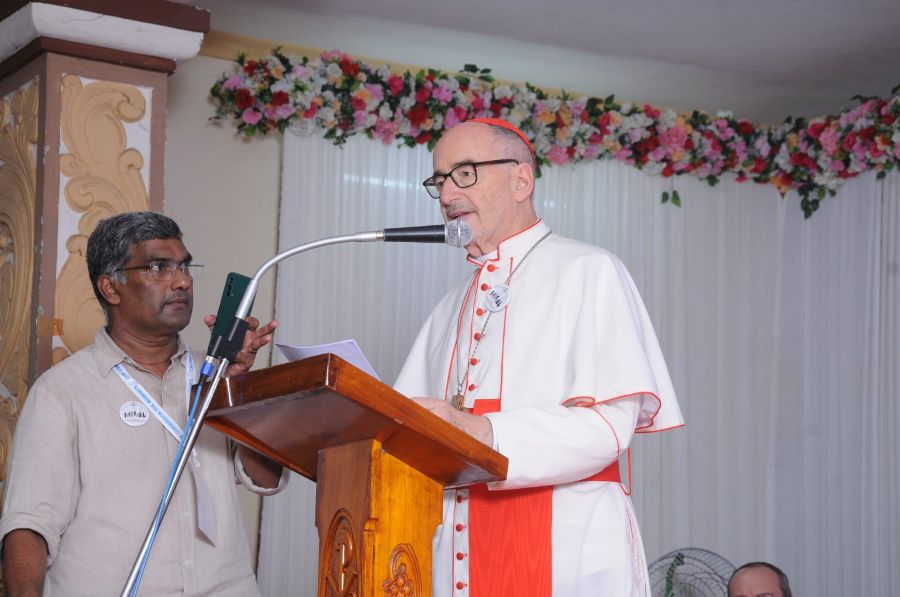
The gathering opened with Cardinal Michael Czerny, Prefect of the Dicastery for Promoting Integral Human Development, who framed the discussion around dignity and protection. “Migration is a journey marked by courage and vulnerability. Our duty is to accompany and empower every migrant,” he said, urging leaders to strengthen systems that support people on the move.
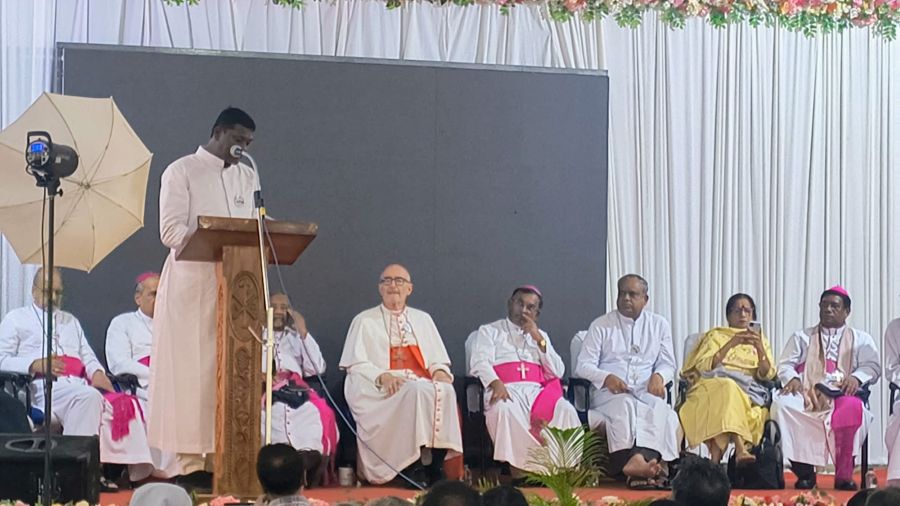
Caritas India’s Executive Director, Fr. Jesu Dass, stressed the deep structural issues that force families into distress migration. He underlined the organisation’s work in safe mobility, social protection access, skill building, and crisis support. “Every figure in migration data represents a family negotiating uncertainty. Our work must guarantee them safety and belonging,” he said, calling for stronger partnerships to amplify impact.
Community perspectives brought the discussion closer to lived realities. Ms. Ancy Thomas, Regional Secretary for Migrants in Bihar, highlighted the role of receiving communities. “When a migrant leaves home, the receiving community becomes the anchor of support. Empathy changes outcomes.” She urged building local help desks, neighbourhood support groups, safe spaces for women and children, and grievance systems that migrants can rely on.
A roundtable moderated by Archbishop Victor Henry Thakur traced decades of work with migrant communities. Fr. Dr. Joe Xavier pressed for structural change. “Pastoral response must move from charity to transformation,” he said, calling for policies that address long term vulnerabilities.
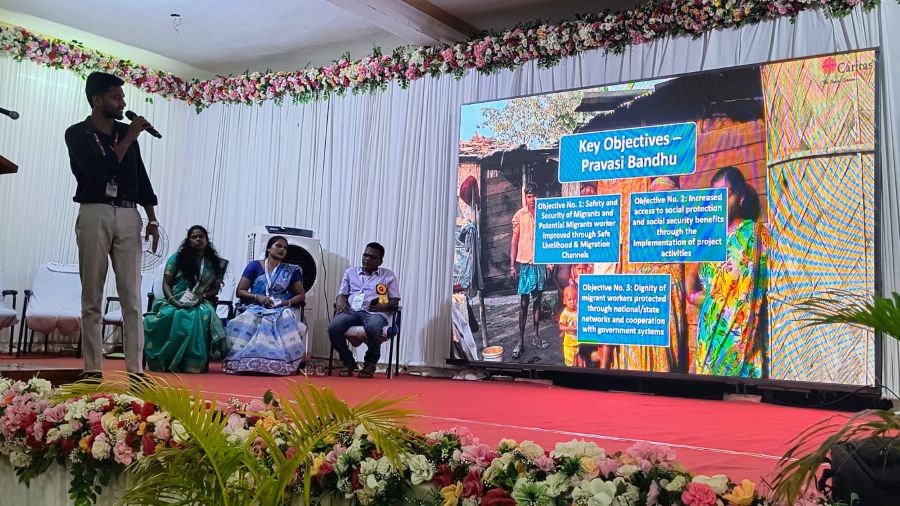
Caritas India Program Officer Deepak Minj presented field insights, lessons, and interventions across rural, urban, and transit locations. He stressed the need for integrated systems where migrants can access documentation, healthcare, livelihood options, and emergency assistance with ease. “Dignity is non negotiable. Our commitment must reflect that,” he said.
The second day shifted to a global and policy centred lens. Addressing the gathering virtually from Geneva, Davide Bernocchi, Secretary General of ICMC, emphasised the need for stronger international cooperation. “Compassion must translate into frameworks that protect migrant futures,” he said, pointing to restrictive border regimes, climate displacement, and labour exploitation as rising concerns.
Bishop Allwyn DSilva of FABC OHD stressed social inclusion. “We must replace indifference with encounter,” he said, urging communities to engage directly with migrant realities. Dr. Christine Nathan of ICMC India added that “migrants are co authors of their own stories; our role is to amplify their voice.”
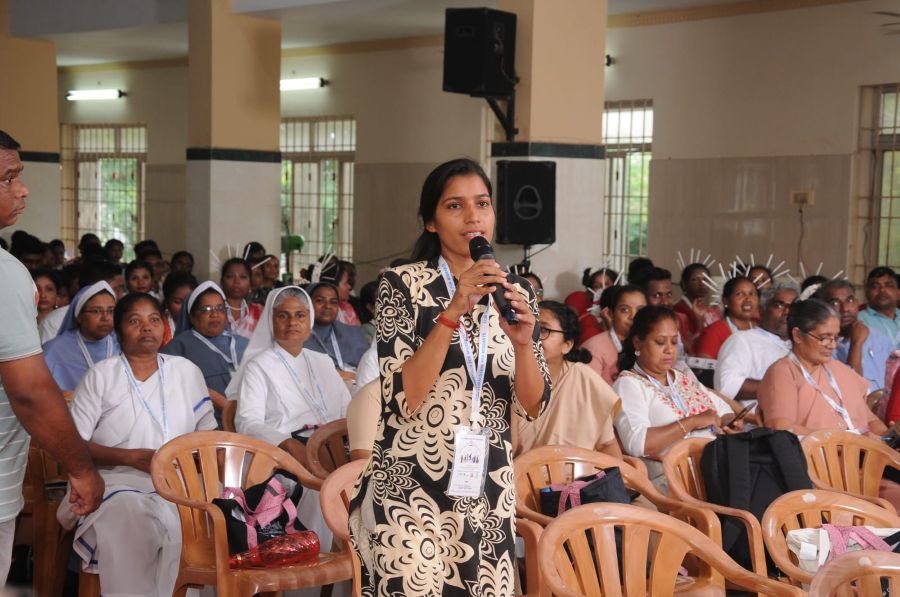
Workshops through the day deepened the focus. Sessions on community support systems, climate induced migration, health, and mental well being offered practical tools to strengthen resilience. Discussions on extreme weather, unsafe labour conditions, emotional stress, and lack of healthcare access highlighted urgent priorities.
The final day examined collaboration across networks. Dr. Eduardo Gabriel of Christ University emphasised the power of shared purpose. “Collaboration is our greatest strength,” said Fr. Francis Bosco. Dr. Gabriel added, “Together, we can build ecosystems of care that restore dignity and hope.”
The concluding assembly, led by Fr. Jaison Vadassery, captured the renewed commitment of the gathering. “Our compassion must create communities where every migrant finds dignity and belonging,” he said.
The National Jubilee of Migrants 2025 closed with a unified pledge to ensure that hope, justice, and humanity guide India’s response to migration.
Upcoming News
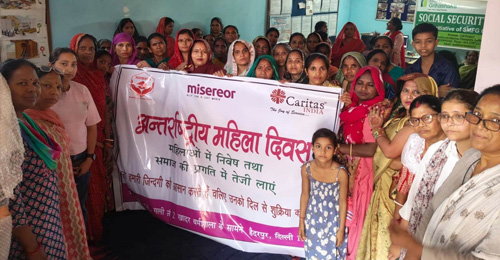
Migrant Women Workers Lead the Charge for Equality
For the 70 women gathered under the banner of the Pravasi Bandhu Program this week,...
LEARN MORE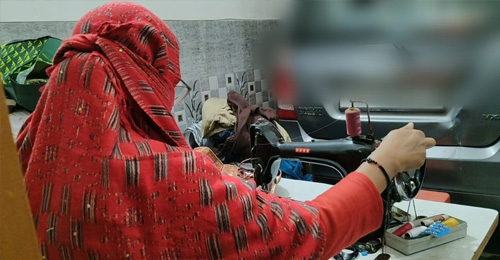
How One Mother Stitched Her Life Back Together
In a small, busy lane in Gokulpuri, there’s a sound that means everything to a...
LEARN MORE
Archbishop Dr. Linus Neli Takes the Helm at Caritas India
A new chapter of compassion has begun. Archbishop Dr. Linus Neli officially took charge as...
LEARN MORE 91 -11 - 2336 3390
  director@caritasindia.org


