
 91 -11 - 2336 3390
  director@caritasindia.org
 Building Safer Schools for a Resilient Odisha: School Staff Lead the Way in Disaster Preparedness
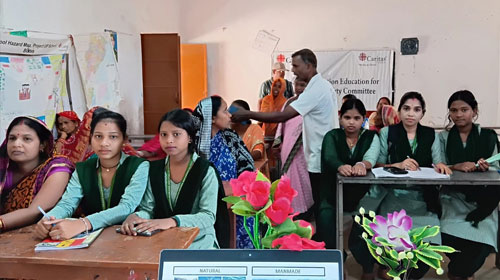
As Odisha continues to face recurring threats from cyclones, floods, lightning, heatwaves, and other climate-induced hazards, strengthening disaster preparedness within schools has become essential for protecting children and ensuring continuity of education. Recognizing the critical role of educators and school management structures in safeguarding students during emergencies, Caritas India, under its project “Empowering Communities for Resilience Building in Odisha,” organized Disaster Prevention Education programmes for teaching and non-teaching staff and School Safety Committee members of Upper Primary School, Bodas (Puri) and Kirti Chandra High School, Narayanpur (Balasore) on 26th & 29th May 2026 with the support from the concerned Village Disaster Management Committees (VDMCs).
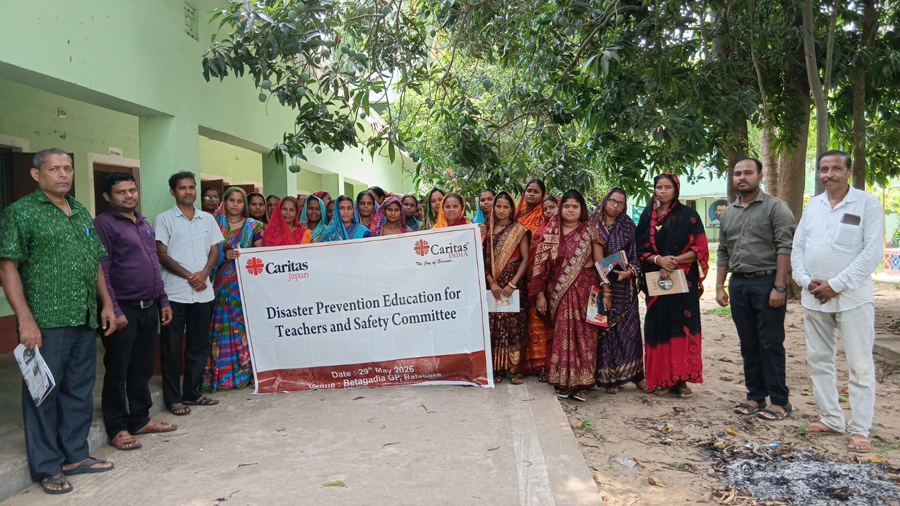
The programme brought together 120 participants, including teachers, non-teaching staff, and School Safety Committee members, to strengthen their knowledge and skills on disaster risk reduction and school safety. As first responders within school premises, participants were equipped with practical knowledge on hazard identification, risk reduction measures, emergency preparedness, evacuation procedures, communication systems, child protection, psychosocial support, and coordination mechanisms during disasters.
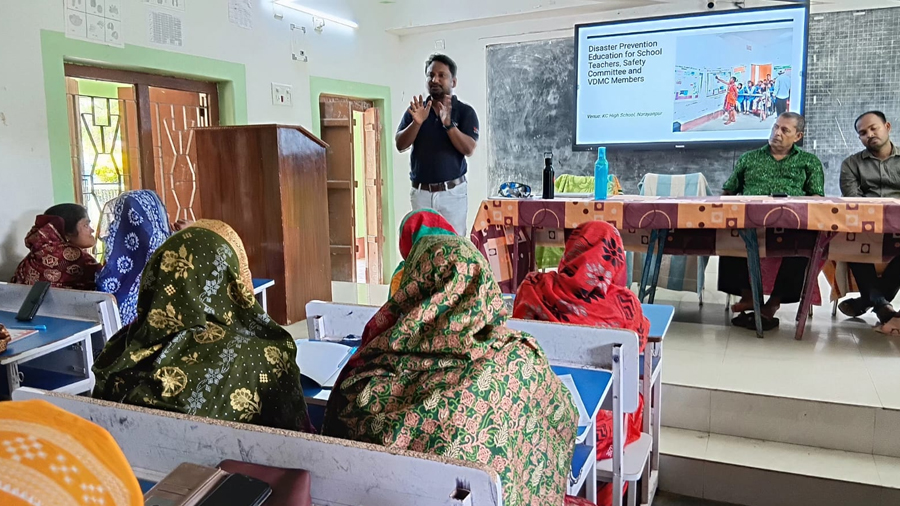
The training adopted a participatory approach combining presentations, group discussions, interactive exercises, and experience-sharing sessions. Participants also reviewed existing school safety plans and preparedness measures to identify gaps and strengthen institutional response systems. The initiative has significantly enhanced the confidence and preparedness of school personnel to respond effectively during emergencies. It has strengthened institutional capacities, improved coordination among key stakeholders, and promoted a culture of safety and resilience within educational institutions. By empowering school staff with practical disaster management skills, the programme is helping create safer learning environments where children can continue their education with greater security and protection.
This intervention reflects Caritas India’s commitment to community-based disaster risk reduction and climate resilience. It contributes directly to Sustainable Development Goal (SDG) 4 – Quality Education; SDG 3 – Good Health and Well-being; SDG 11 – Sustainable Cities and Communities; and SDG 13 – Climate Action.
As climate-related disasters become more frequent and intense, investing in school safety and preparedness is not only a protective measure but also a strategic investment in the future of communities. Through such initiatives, Caritas India continues to empower schools and communities to anticipate risks, respond effectively, and build a more resilient Odisha where every child can learn and thrive in a safe environment.
Upcoming News
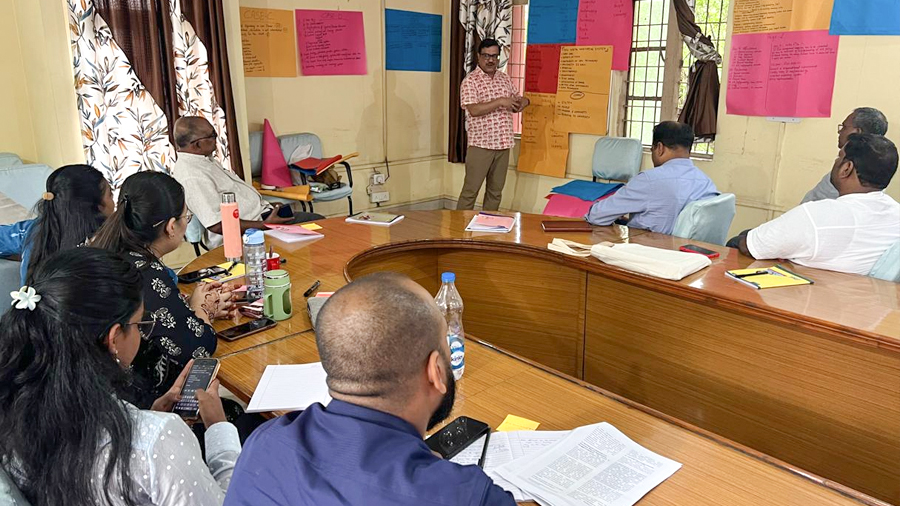
When NGOs Grow, What Breaks First? Caritas India Tackles the Answer in Raipur
Three-day workshop arms executive leaders with governance tools, a 20-policy framework and practical fixes for...
LEARN MORE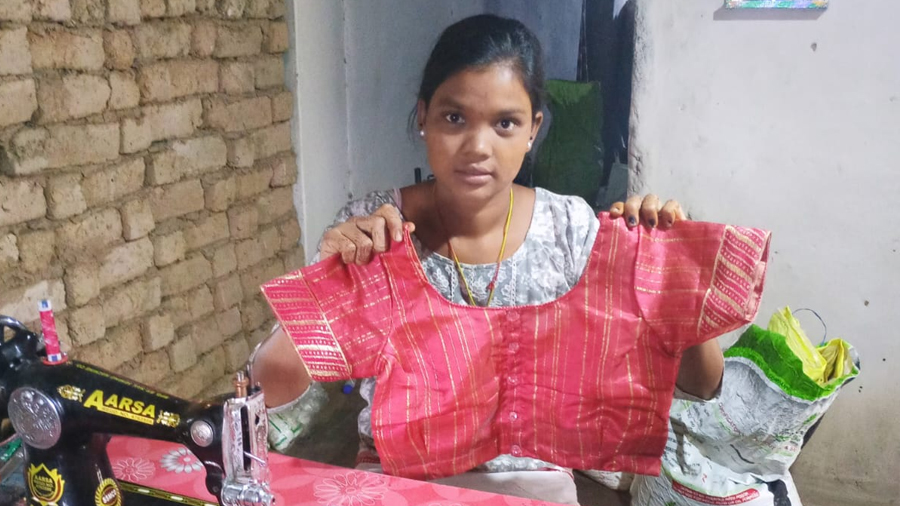
Nine Kilometres Through the Jungle: How Poornima Stitched Her Own Future
For 19 year old Poornima Rawat of Rajamma village in Lailunga block of Chhattisgarh's Raigarh...
LEARN MORE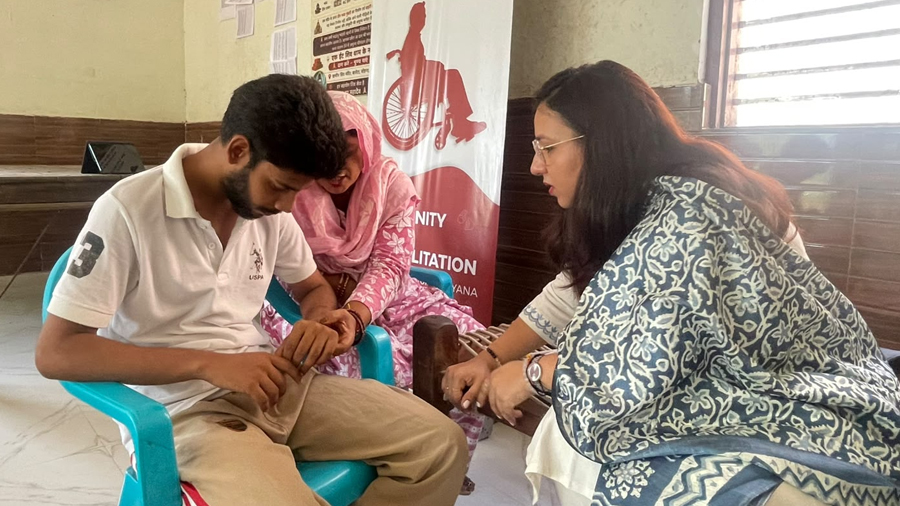
In a Nuh Village, People Living With Mental Illness Finally Got to Speak, and Be Heard
Nine people sat in that room in Barota village, Nuh district, Haryana, each carrying a...
LEARN MORE 91 -11 - 23362735
  director@caritasindia.org


