
 91 -11 - 2336 3390
  director@caritasindia.org
 In a Nuh Village, People Living With Mental Illness Finally Got to Speak, and Be Heard
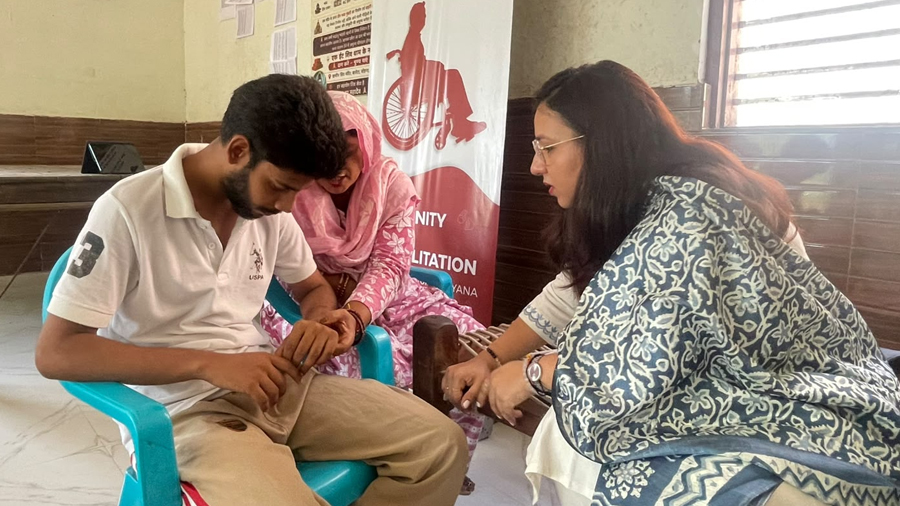
Nine people sat in that room in Barota village, Nuh district, Haryana, each carrying a version of the same quiet burden. Living with mental illness in a place where the subject is rarely discussed openly, where families often manage it alone, behind closed doors, out of fear or shame. Last week, that changed for an afternoon.
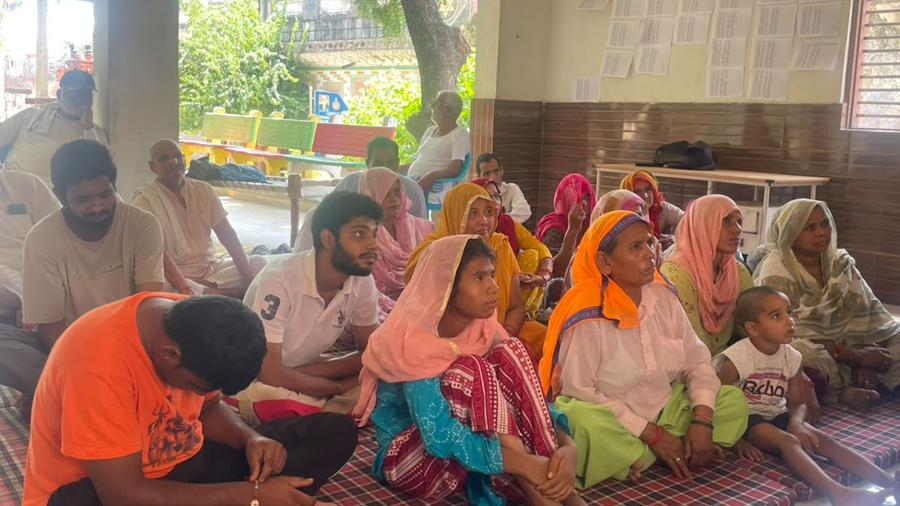
Twenty one people gathered for a Coping with Mental Illness Awareness Session, an effort to pull mental health out of the shadows and into a shared, honest conversation. Among them were the nine persons with mental illness themselves, four women and five men, sitting alongside Anganwadi workers, the village Sarpanch, a Numberdar, and staff from Caritas India.
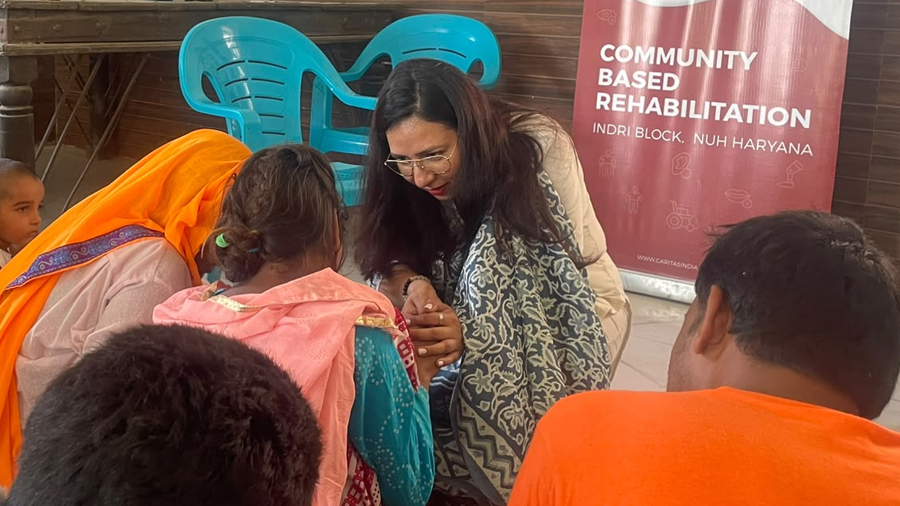
Resource Person Ms. Reena Singh, a Psychologist ran the session, and she did not treat it like a lecture. She talked through what mental illness actually looks like day to day, practical ways to cope with it, and where families can turn for support they may not even know exists. Participants opened up about isolation, about relatives who did not know how to respond, about the sheer difficulty of finding help in a place where mental health services are thin on the ground.
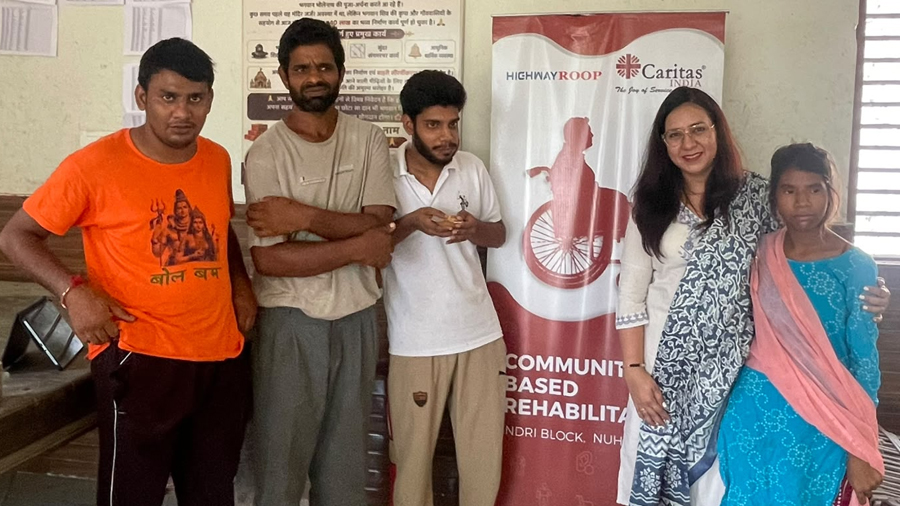
This session did not happen in isolation. It is part of a Community Based Rehabilitation project, supported by Highway Roop Precision Technologies Limited, known as HRPTL, through its corporate social responsibility initiative. The collaboration, run with Caritas India, is built on a simple idea, that rehabilitation works best when it happens inside the community itself, not away from it in some distant institution. Families, neighbours, local leaders and health workers all become part of the support system rather than bystanders to it.
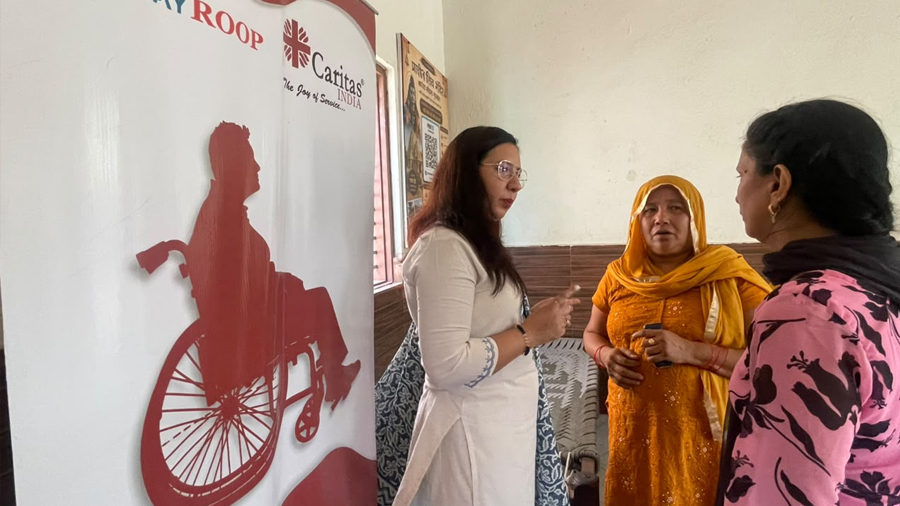
The project is focused on improving living conditions for some of the most marginalised and underserved communities in the region, with a particular emphasis on persons with disabilities. It aims to directly benefit 500 persons with disabilities by linking them with government social security schemes many families never knew they qualified for, improving accessibility in their daily lives, catching disabilities early instead of years too late, encouraging school enrollment for children who might otherwise be left out, and helping form self help groups that give people a real shot at earning an income and standing on their own.
Mental health support in rural Haryana, like much of rural India, is not easy to come by. A single conversation will not fix that. But what happened in Barota was less about fixing and more about starting. An Anganwadi worker who now knows what early signs to watch for. A Sarpanch who understands why a family should not have to hide a struggling son or daughter. A group of nine people who, for once, were not talked about but talked with.
That is the quiet aim behind this Community Based Rehabilitation initiative, backed by HRPTL and carried forward by Caritas India, not grand promises, but steady, community by community work toward dignity and inclusion for people who have too often been left out of the conversation entirely.
Upcoming News
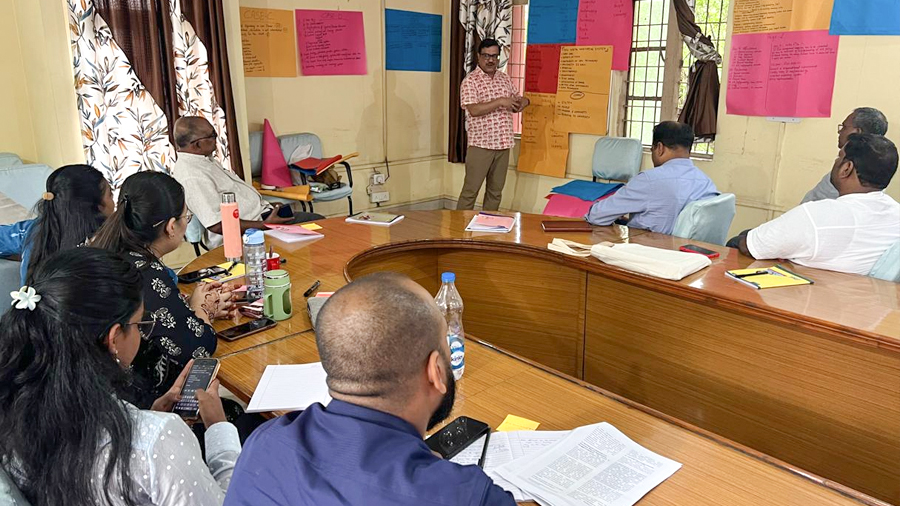
When NGOs Grow, What Breaks First? Caritas India Tackles the Answer in Raipur
Three-day workshop arms executive leaders with governance tools, a 20-policy framework and practical fixes for...
LEARN MORE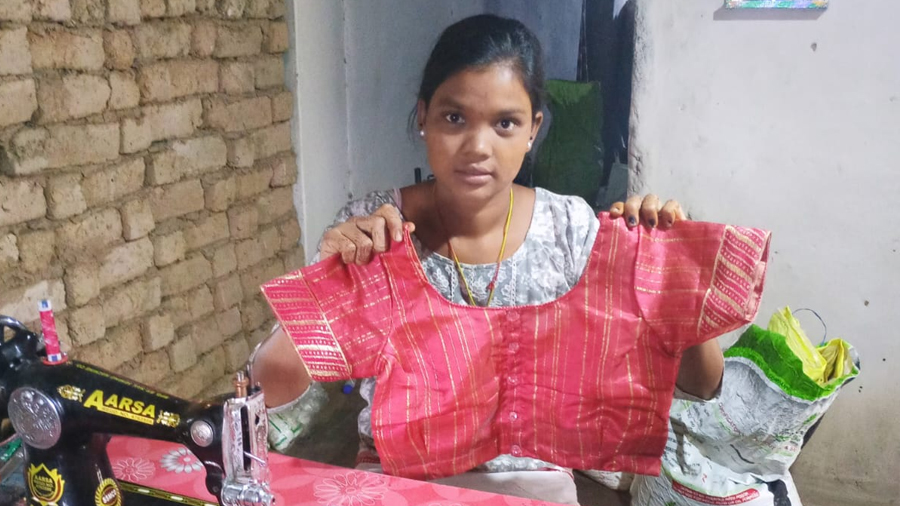
Nine Kilometres Through the Jungle: How Poornima Stitched Her Own Future
For 19 year old Poornima Rawat of Rajamma village in Lailunga block of Chhattisgarh's Raigarh...
LEARN MORE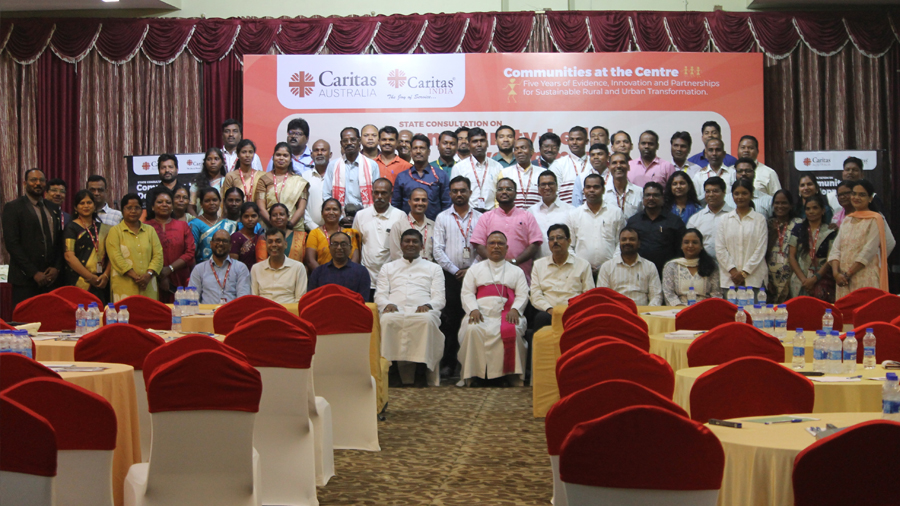
State Level Consultation in Ranchi Charts the Future of Community Led Development
On 2 September 2026 at Ranchi, the usual boundaries between government offices, Church institutions, funding...
LEARN MORE 91 -11 - 23362735
  director@caritasindia.org


