
 91 -11 - 2336 3390
  director@caritasindia.org
 Caritas India deepens safeguarding capacity through exposure

Caritas India deepened its commitment to safeguarding, protection from sexual harassment, and child protection through a focused two day meeting cum exposure visit for its Internal Committee members in Mumbai. The programme offered a powerful blend of reflection, field learning, and dialogue with some of the most experienced safeguarding practitioners in the Church and social work sector.
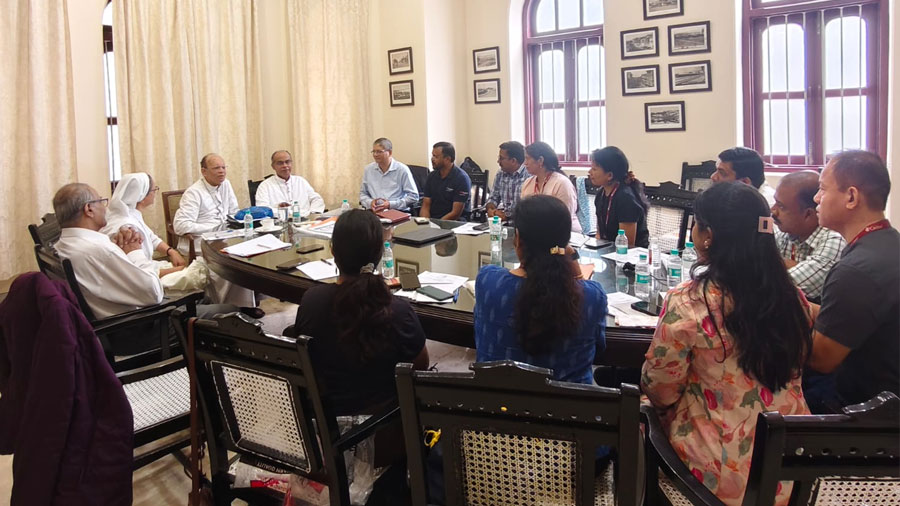
The visit took place on 5th and 6th December 2025 at St Joseph Safeguarding Centre, a national reference point for comprehensive safeguarding systems. Its strong policies, professional mechanisms, and survivor centred approach gave the committee a clear model for strengthening organisational safeguarding practices. The sessions aimed at reviewing Caritas India’s existing systems, identifying gaps, and charting practical pathways for improvement.
The programme opened with a guidance note from Fr Jervis D’Souza and His Eminence Cardinal Oswald Gracias. Caritas India presented its safeguarding structure, led by Ms Catherine Kune, who outlined current norms, standards, and field level mechanisms including suggestion and feedback boxes that allow communities to report concerns confidentially. She positioned safeguarding not as an obligation but as an organisational culture built on trust, participation, and accountability.
Cardinal Gracias delivered a detailed account of how safeguarding evolved within the Church and how global reforms shaped present day structures. He traced key milestones from the early disciplinary norms of 2001 to the major reforms introduced by Pope Francis in 2013, the systematic institutionalisation of safeguarding in 2014, and the introduction of Vos Estis Lux Mundi, which reinforced global accountability standards. He underlined the need to hold Church Law and the Law of the Land in balance, ensuring that all safeguarding actions remain legally compliant and ethically sound.
Sessions by experts set a strong direction for the committee.
Sr Arina Gonsalves, the Secretary General of the St Joseph’s Safeguarding Centre stressed the need to broaden safeguarding beyond children and include all vulnerable adults. She explained the mandatory reporting requirements under the POCSO Act and key provisions of the Juvenile Justice Act. She urged the Internal Committee to adopt disciplined systems such as regular audits, strong documentation, clear written protocols, and annual assessments.
Former Deputy Police Commissioner Mr Shirish Inamdar expanded the understanding of child protection from a law enforcement perspective. He highlighted the reality that abuse is often perpetrated by people known to the child, making vigilance essential. He emphasised listening to behavioural signals, creating safe and child friendly spaces, and ensuring that every incident is handled with sensitivity and legal responsibility.
The exposure visits added depth to the learning. At Nirmala Niketan College of Social Work, the committee interacted with the principal, faculty members, and programme leaders to understand how social work education integrates safeguarding, community mobilisation, and systemic change. The discussion opened pathways for academic collaboration.
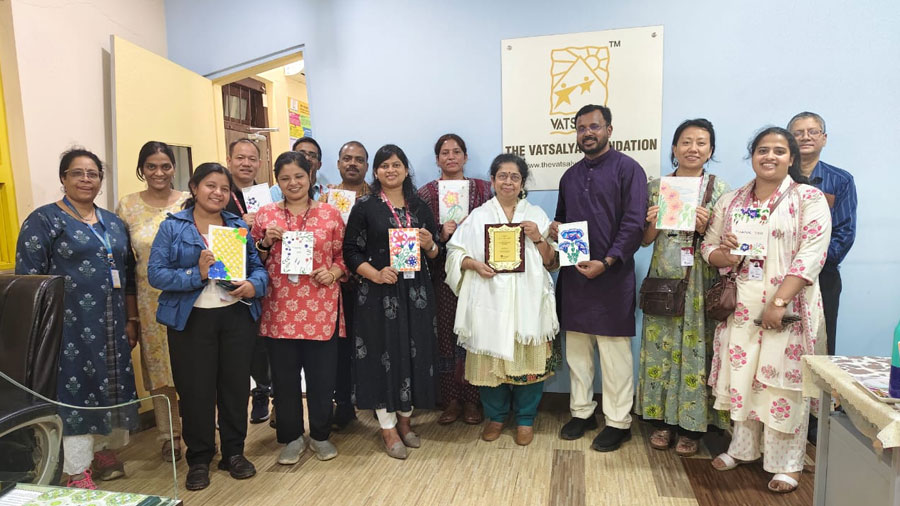
At Vatsalya Children’s Home, Ms Swathi Mukherjee offered a candid view of frontline child protection. She explained how the shelter works with runaway children, offering safety, counselling, and family reintegration. Stories of children who rebuilt their lives brought emotional force to the visit and grounded the committee’s learnings in real lived experiences.
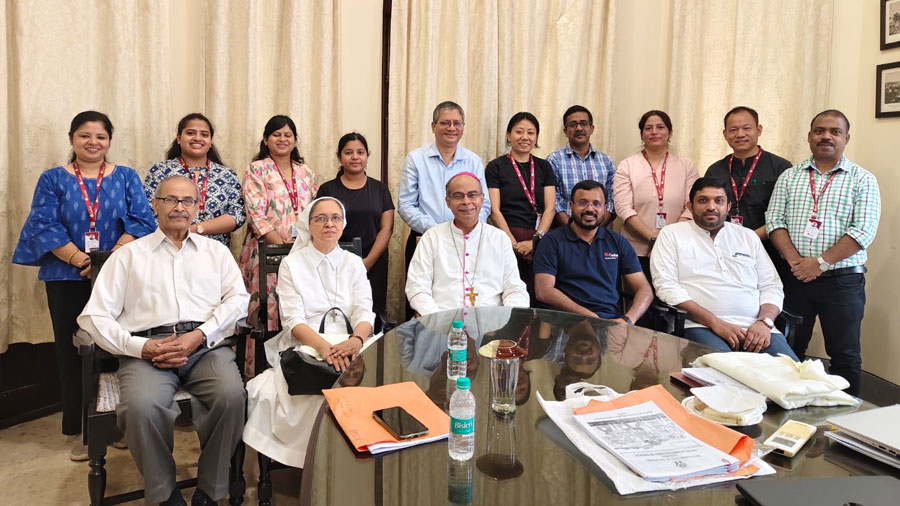
Day two at the Mumbai Archbishop House brought the reflections together. Cardinal Gracias revisited the major takeaways and called for stronger regional engagement by the Internal Committee to reinforce safeguarding culture across India. Archbishop John Rodrigues added his encouragement, stressing the collective duty to protect every child and vulnerable person who comes in contact with the Church’s social mission.
The two-day programme strengthened clarity, purpose, and direction for Caritas India’s safeguarding framework. It equipped the Internal Committee with deeper understanding, sharper systems thinking, and renewed commitment to ensuring that every space connected to Caritas remains safe, transparent, and accountable.
Upcoming News
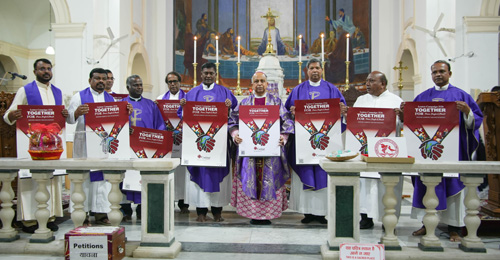
Caritas India launches Lenten campaign with call for peace, inclusion, and climate action
Caritas India has launched the Lenten Campaign 2026 with a bold message: peace must be...
LEARN MORE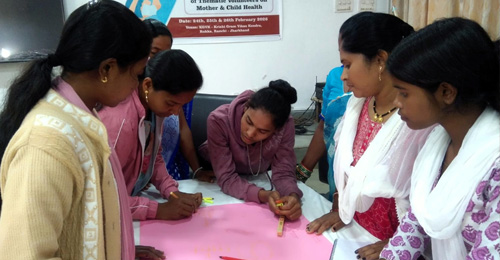
How do you take quality health services to the last woman in the last village?
How do you ensure that every pregnant woman in a remote village receives timely care?...
LEARN MORE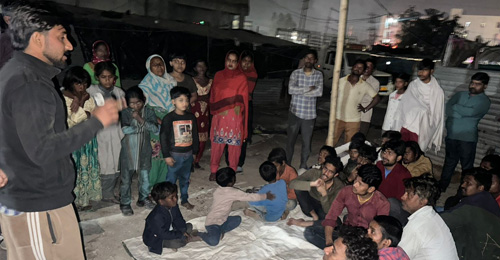
Pravasi Bandhu Program Illuminates Path for 180 Migrant Workers: Safe Migration, Secure Future
In a significant step toward safeguarding the rights and well-being of migrant workers, Caritas India’s...
LEARN MORE 91 -11 - 2336 3390
  director@caritasindia.org


