
 91 -11 - 2336 3390
  director@caritasindia.org
 The Invisible Caretakers: How Women who feed the heard are finally leading it
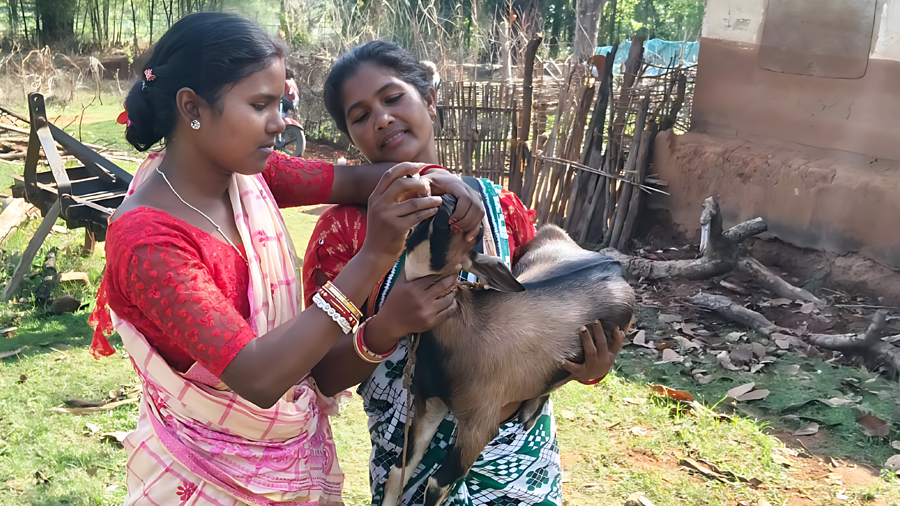
“Before the sun rises over the hills of Satbarkha, Surubali Purti has already milked, fed and checked the livestock. By the time her husband finishes his morning routine, she has put in an hour of work that the village’s livestock database will never record.”
This is not a story unique to Surubali. Across the thousands of tribal and marginalised villages of Jharkhand, the daily rhythm of animal husbandry — feeding, watering, cleaning, monitoring for sickness, carrying fodder, managing births and deaths — is overwhelmingly performed by women. And yet, when a government veterinarian visits, the conversation happens with the man of the house. When training is organised, men are assumed to be the farmers. When livestock management committees are formed, the women are not in the room.
This invisible labour is not just an issue of recognition. It is a public health, economic, and development oversight. In Dumaria Block of East Singhbhum District, Jharkhand, home to some of India’s most economically marginalised Adivasi households, livestock are not pets. They are savings accounts, protein sources, drought insurance, and income generators, often the single most valuable asset a family owns. When animals fall sick and die because no one in the village knows how to administer a vaccine or recognise early symptoms of Foot-and-Mouth disease, it is the woman who managed those animals every day who bears the greatest loss. And it is she who had the least power to prevent it.
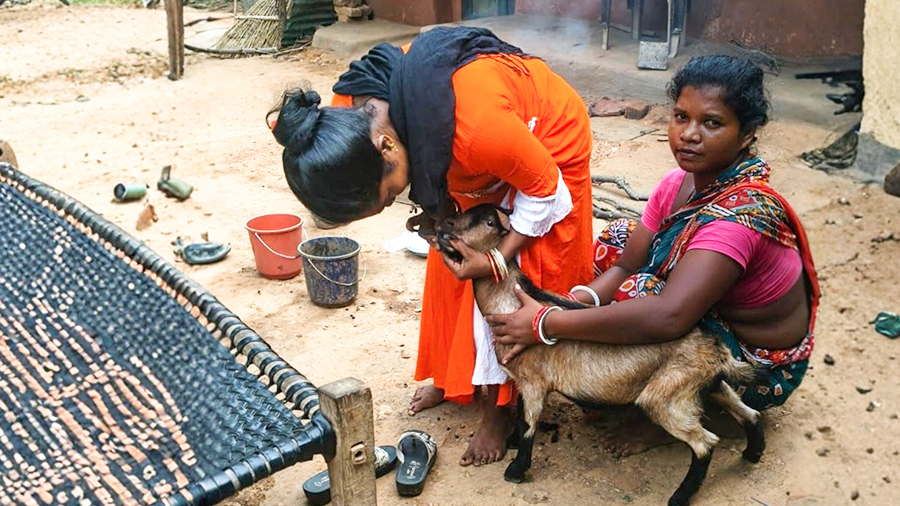
Caritas India’s Gram Nirman Programme decided to change that, not by bringing in outside experts, but by building on what communities already have: the knowledge, commitment, and daily presence of women who have been caring for livestock their entire lives.
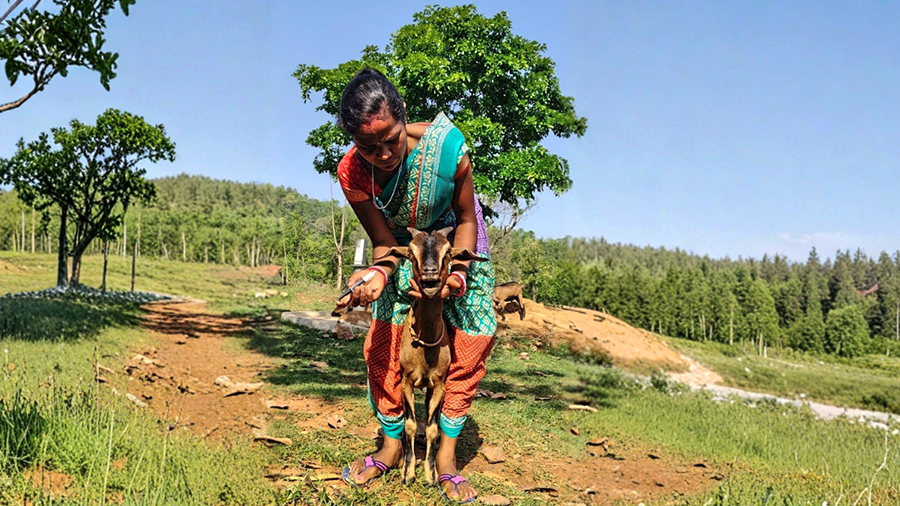
The data from India’s own agricultural census is unambiguous: women constitute nearly 71% of animal husbandry workers in the country. In tribal-dominated states like Jharkhand, this proportion is even higher. Women in rural households routinely begin animal care before 5 a.m. and continue until after dark. They are the first to notice when a goat stops eating. They are the ones who sit up through the night when a pregnant cow is in distress.
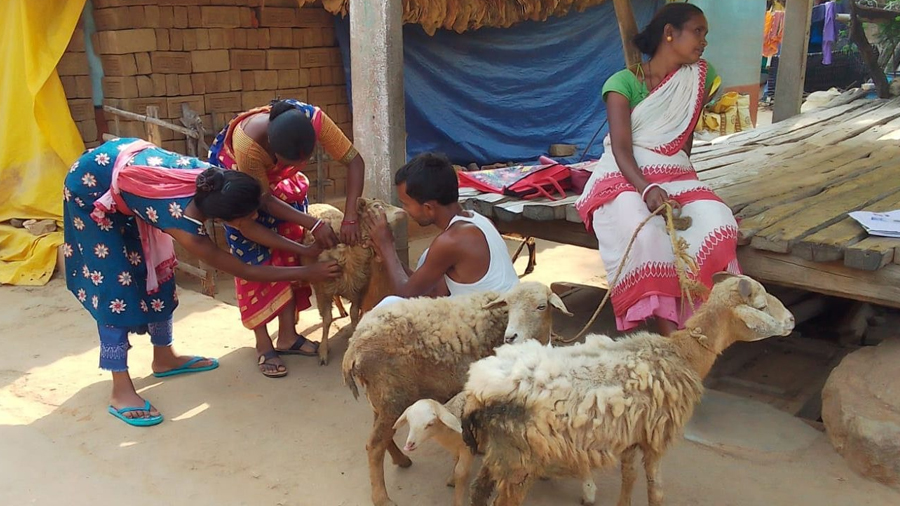
In villages across Dumaria Block, limited access to veterinary services meant that disease outbreaks frequently led to preventable livestock deaths. Families had to travel 20–35 kilometres to reach the nearest block headquarters for treatment. The cost of that journey, the cost of delay, and the cost of absent expertise fell hardest on households where women had managed the animals but had no formal knowledge of early disease detection, vaccination schedules, or emergency first aid. The woman who noticed the problem first was, ironically, the least equipped to solve it.
Caritas India’s Gram Nirman Programme operates from a fundamentally different premise than most rural development interventions. Rather than arriving with ready-made solutions, it asks: what assets, skills, and leadership already exist within this community? How do we strengthen and formalise what is already here?
This approach is rooted in the Asset Based Community Development (ABCD) methodology, a globally recognised framework that shifts the lens from community deficits to community strengths. In the context of Jharkhand’s tribal villages, this means recognising the unpaid expertise of women livestock caretakers as a foundational asset and investing in them as the primary agents of change.
The Gram Nirman Programme supports marginalised tribal and Adivasi communities across East Singhbhum, a district where poverty, geographic isolation, and structural inequalities converge. Rather than parachuting in veterinarians or distributing medicines, the programme has invested in building a cadre of 33 Livestock Management Volunteers — local women and men from within the intervention villages, trained, equipped, and supported to serve as the first line of animal healthcare in their communities.
This is not a stopgap measure. It is a deliberate sustainability strategy: because when knowledge stays within the community, the community doesn’t become dependent on the programme to survive.
Central to the Gram Nirman Programme’s sustainability is the concept of Thematic Volunteers — community members trained in specific development areas who serve as resource persons, first responders, and local leaders within their villages. The programme develops 33 volunteers per thematic area, spanning climate-resilient agriculture, maternal and child health, natural resource management, community institutions, and livestock management.
The rationale is powerful: an NGO programme ends. A government scheme changes. External funding dries up. But a woman in Satbarkha village who knows how to vaccinate a goat, identify early symptoms of Haemorrhagic Septicaemia, and connect families to veterinary services — she stays. Her knowledge stays. And the animals her neighbours depend on for their livelihoods are safer because of it.
In December 2025, three women from East Singhbhum District were selected for a rigorous three-day residential training on Scientific Livestock Management at KGVK, Ranchi. For many of them, the first time they had ever left their village for a formal training programme.
Upcoming News
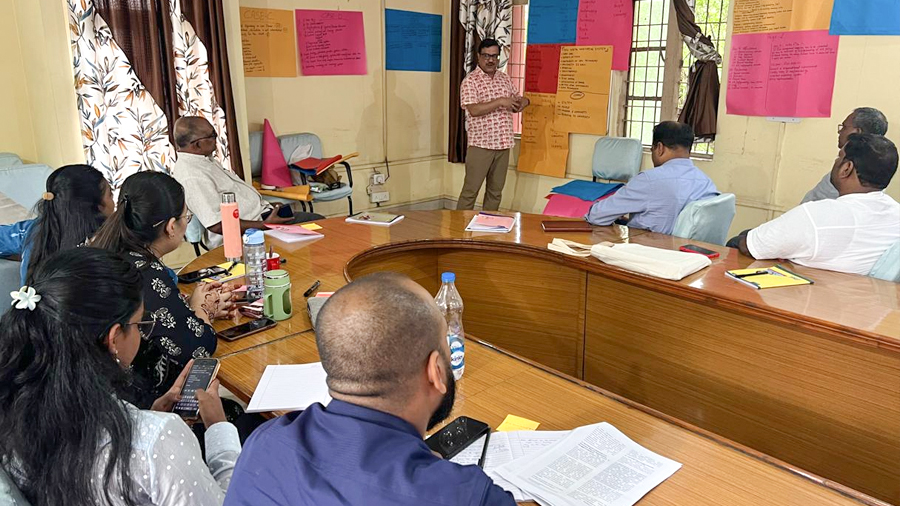
When NGOs Grow, What Breaks First? Caritas India Tackles the Answer in Raipur
Three-day workshop arms executive leaders with governance tools, a 20-policy framework and practical fixes for...
LEARN MORE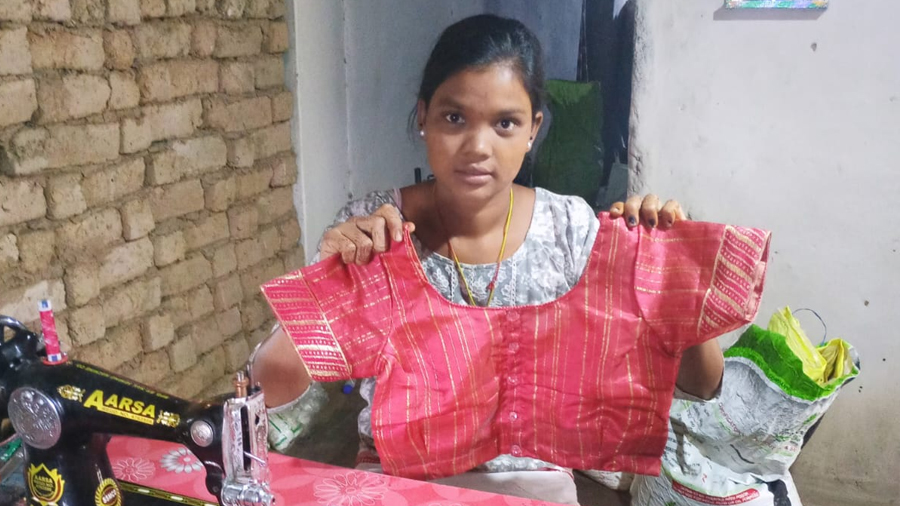
Nine Kilometres Through the Jungle: How Poornima Stitched Her Own Future
For 19 year old Poornima Rawat of Rajamma village in Lailunga block of Chhattisgarh's Raigarh...
LEARN MORE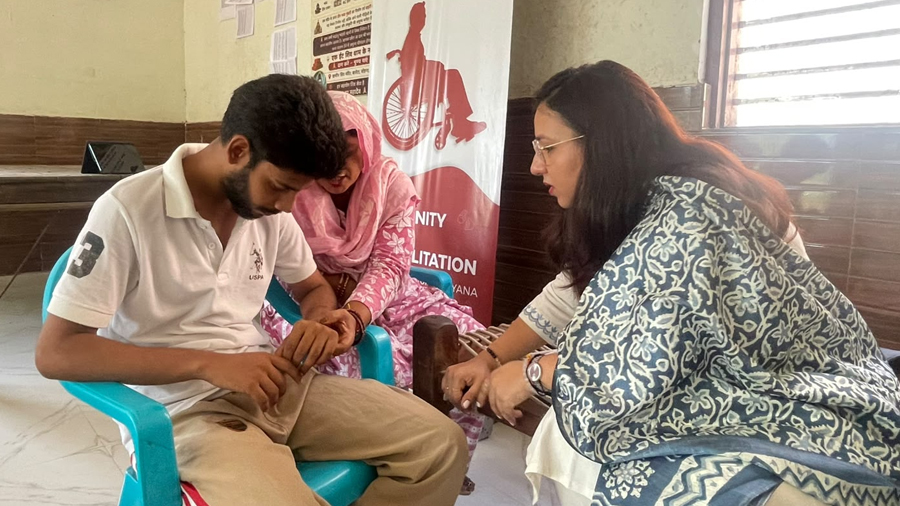
In a Nuh Village, People Living With Mental Illness Finally Got to Speak, and Be Heard
Nine people sat in that room in Barota village, Nuh district, Haryana, each carrying a...
LEARN MORE 91 -11 - 23362735
  director@caritasindia.org


