
 91 -11 - 2336 3390
  director@caritasindia.org
 Caritas India launches Lenten campaign with call for peace, inclusion, and climate action
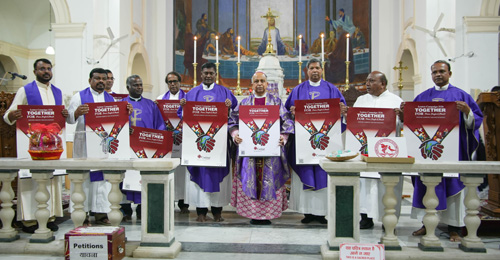
Caritas India has launched the Lenten Campaign 2026 with a bold message: peace must be built, dignity must be defended, and the planet must be protected.
On 22 February 2026, Most Rev. Dr Anil Joseph Thomas Couto, Secretary General of the Catholic Bishops’ Conference of India and Archbishop of Delhi, formally launched the campaign, titled “Together for Peace, People and Planet”, at Sacred Heart Cathedral in Delhi. The launch took place during a solemn Eucharistic celebration attended by Fr Matthew K, deputy secretary of CBCI; Fr Jesudass R, executive director of Caritas India; Fr Benny Edayath, assistant executive director; Fr Julian Fernando, administrator of Caritas India; CBCI commission in-charges; Fr Swaminathan, parish priest; and Fr Sunil Crasta of Society for Social Development in the Northern Region and Chetanalaya.
This year’s theme confronts three defining pressures of the present moment: fractured relationships, widening inequality, and escalating ecological distress. Drawing inspiration from Pope Leo XIV’s reflections in And Let There Be Peace, the campaign insists that peace is not an abstract ideal. It begins within individuals, extends to families and communities, and ultimately shapes how society treats the earth and the vulnerable.
At a time when social tensions are deepening, water scarcity is sharpening local conflicts, and the poorest communities face growing exclusion, Caritas India is positioning the Lenten observance as a structured movement for action. Parishes are being urged to organise peace circles that promote dialogue and listening. Families are encouraged to practise weekly acts of solidarity. Institutions are called to undertake green audits and adopt responsible practices around water, waste and energy. Young people are being invited to lead eco drives and peace pledges. Parish Caritas units nationwide are being challenged to integrate peacebuilding and environmental stewardship into everyday parish life.
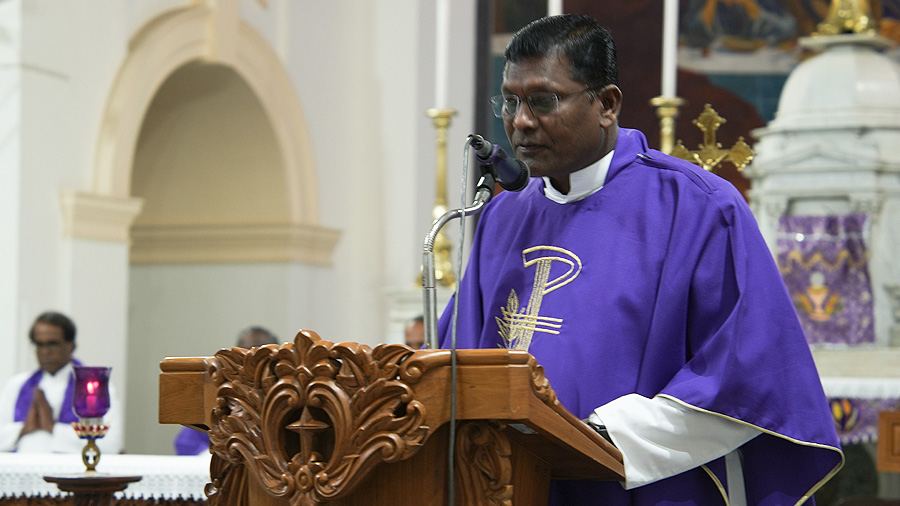
Addressing the congregation, Fr Jesudass R recalled the Gospel mandate: “Whatever you did for one of the least of these brothers and sisters of mine, you did for me.” He thanked supporters of last year’s CHETANA Disability Campaign, describing it as a visible sign of the Church’s solidarity with persons with disabilities and its commitment to inclusion.
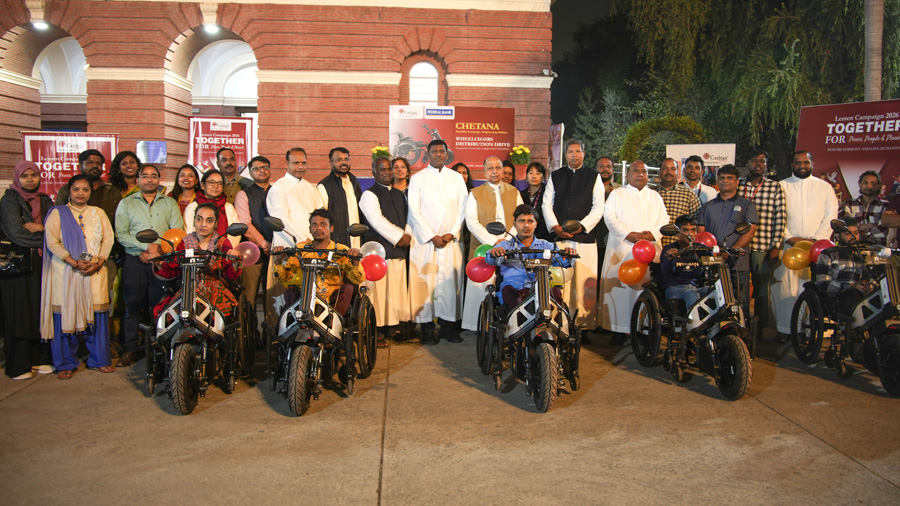
The message moved quickly from words to action. Following the mass, motorised wheelchairs were distributed to five persons with disabilities from economically marginalised backgrounds in Delhi’s urban settlements, with support from Federal Bank. Parishioners, CBCI office bearers, Chetanalaya representatives and Caritas staff witnessed the distribution, which also included a formal felicitation of Federal Bank for its solidarity.
Among the beneficiaries was “Rahul” (name changed), a daily wage worker whose limited mobility had long restricted his employment. “Earlier, I had to depend on others even to move short distances,” he said. “Now I can travel on my own, take up small jobs in different places, and earn to support my family. I feel free.” His testimony underscored the campaign’s insistence that dignity is restored not through charity alone, but through access and opportunity.
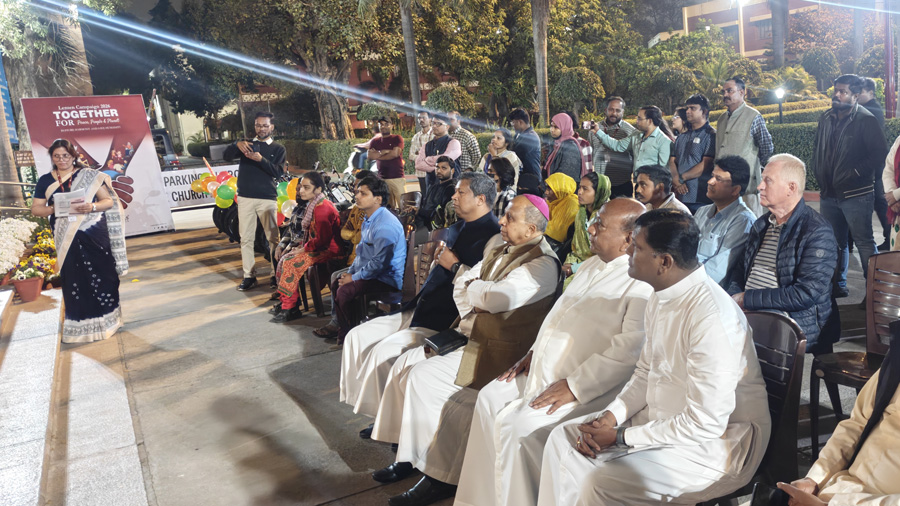
Fr Julian Fernando shared the impact of the 2025 CHETANA Disability Campaign, which reached more than 10,500 people across India and abroad through awareness initiatives, solidarity actions and direct support. Major efforts in Odisha, Kerala, Delhi, Jharkhand and Lucknow strengthened early identification, assistive support, inclusion and livelihood access. He acknowledged partners including Federal Bank and South Indian Bank for supporting the distribution of advanced motorised wheelchairs, and announced that CHETANA will now advance under the Lenten Campaign 2026 with stronger advocacy and expanded outreach. Similar assistive device distributions are planned at regional levels.
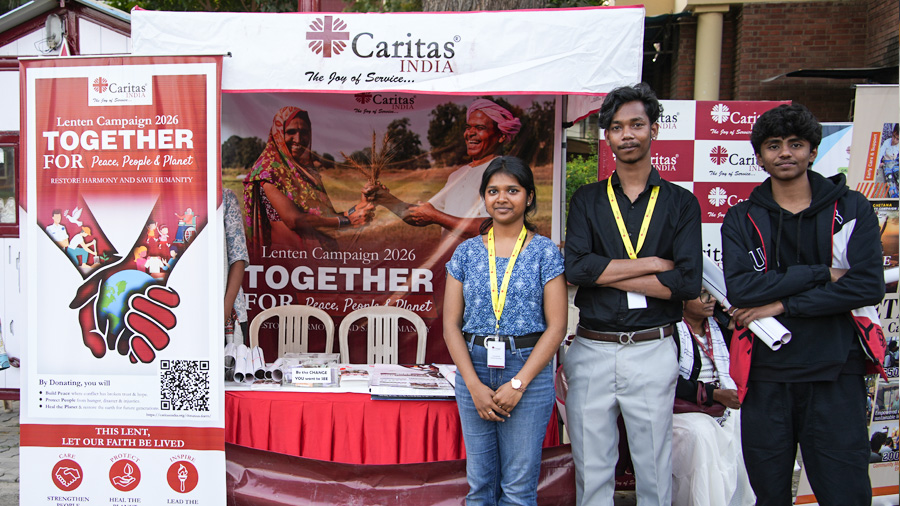
The launch also featured an exhibition of IEC materials developed for the campaign, alongside products created by self-help group members from Caritas India and Chetanalaya programmes, reinforcing the link between social empowerment and faith driven action.
With Lent now underway, Church leaders are signalling that prayer alone is not enough. The call is for sustained engagement that binds peacebuilding, ecological responsibility and social inclusion into one integrated commitment.
Upcoming News
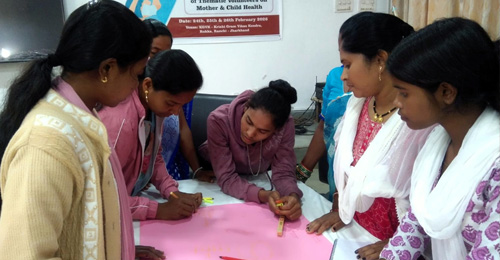
How do you take quality health services to the last woman in the last village?
How do you ensure that every pregnant woman in a remote village receives timely care?...
LEARN MORE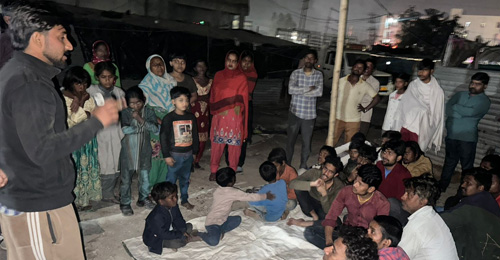
Pravasi Bandhu Program Illuminates Path for 180 Migrant Workers: Safe Migration, Secure Future
In a significant step toward safeguarding the rights and well-being of migrant workers, Caritas India’s...
LEARN MORE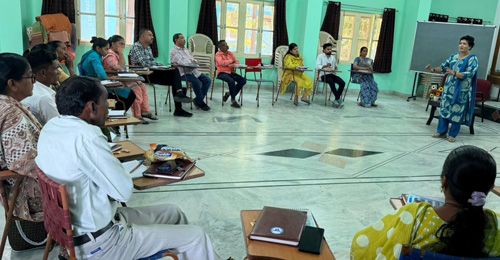
Women Leadership and Community Empowerment Reviewed at Sanjivani Meeting
Caritas India partners presented the significant achievements of women leadership initiatives under the Sanjivani programme...
LEARN MORE 91 -11 - 2336 3390
  director@caritasindia.org


