
 91 -11 - 2336 3390
  director@caritasindia.org
 Caritas India reaches Assam’s forgotten flood victims
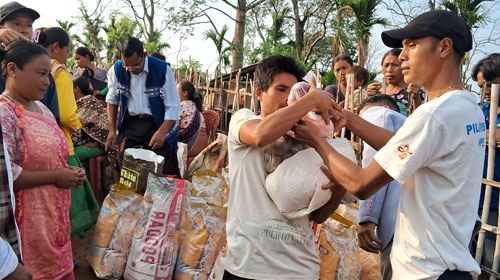
As relentless rains battered the hills of Karbi Anglong in Assam, entire families watched helplessly as water entered their homes, roofs collapsed, food stocks rotted, and fragile livelihoods disappeared overnight. In the remote villages of Theskai and Upper Deigrum, the disaster did not merely damage houses. It shattered a sense of security for vulnerable tribal communities already living on the margins.
But amid the destruction and uncertainty, help arrived carrying not only relief materials, but also a message that no family would be abandoned in their darkest hour.
Responding swiftly to the humanitarian crisis, Caritas India, in collaboration with Jirsong Asong, extended emergency relief and shelter assistance to communities devastated by continuous heavy rainfall in Karbi Anglong district. The intervention reached 96 affected families with dry ration kits and provided tin sheets to 55 households whose homes had been partially or completely damaged.
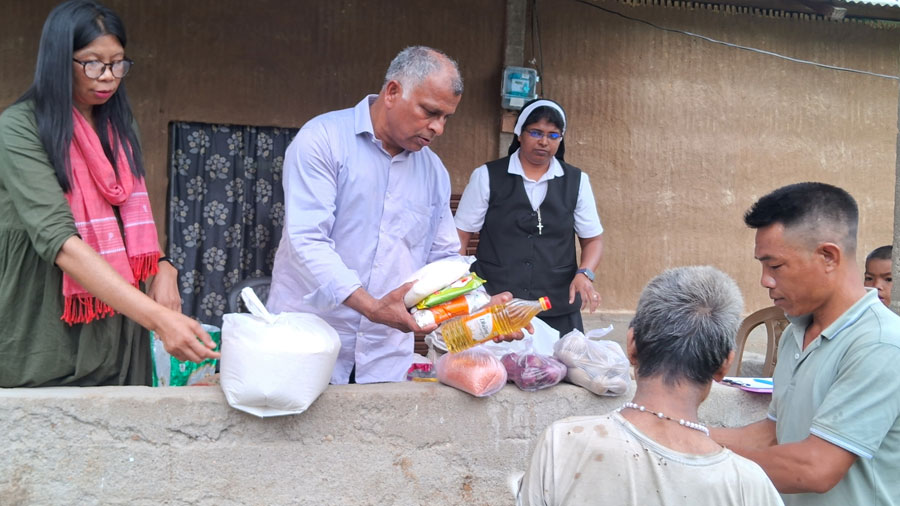
For many families, the support came at a critical moment. The relief kits included rice, dal, cooking oil, potatoes, onions, sugar, tea powder, and salt, helping families regain immediate access to food and nutrition after days of uncertainty. For children, women, elderly persons, and persons with disabilities, the support became a lifeline in a rapidly worsening situation.
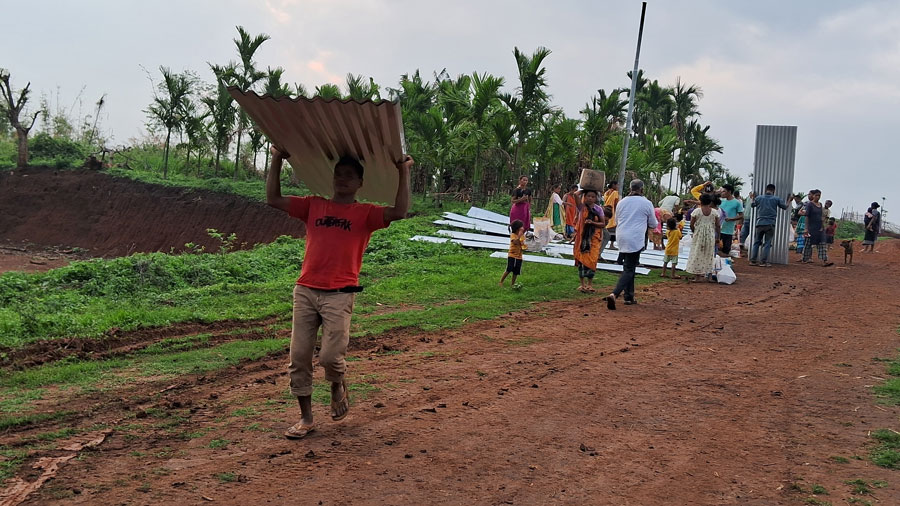
Equally urgent was the need for shelter. Continuous rainfall had weakened mud walls and blown away roofing sheets, forcing many families to sleep under makeshift structures vulnerable to further rain and illness. The distribution of tin sheets enabled affected households to begin repairing their homes and rebuilding a sense of dignity.
What stood out during the relief effort was the strong community participation and the compassionate approach adopted during implementation. Despite poor road connectivity, waterlogged paths, and difficult terrain, volunteers and field teams worked tirelessly to ensure relief reached the most vulnerable first.
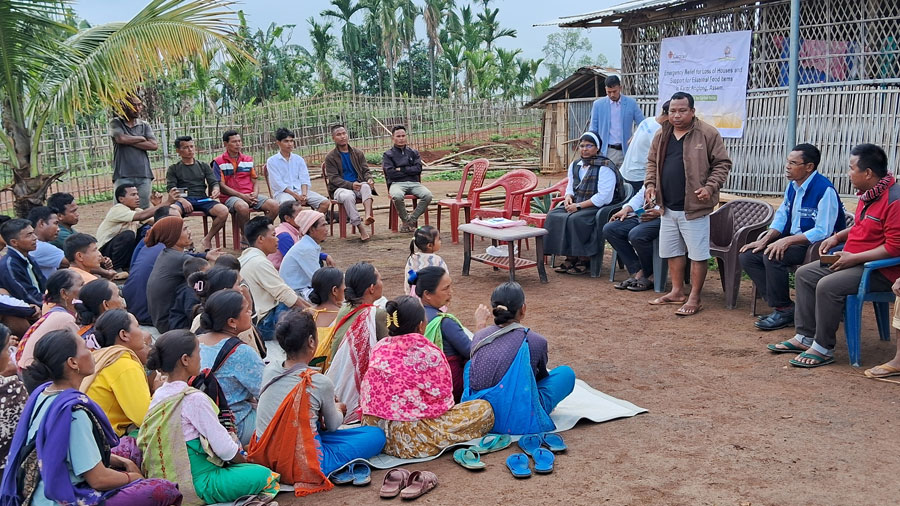
The intervention reflected the Church’s commitment to stand beside suffering communities, especially those often left unseen during disasters affecting remote tribal regions. Beyond emergency assistance, the response carried a deeper human message of solidarity, compassion, and shared humanity.
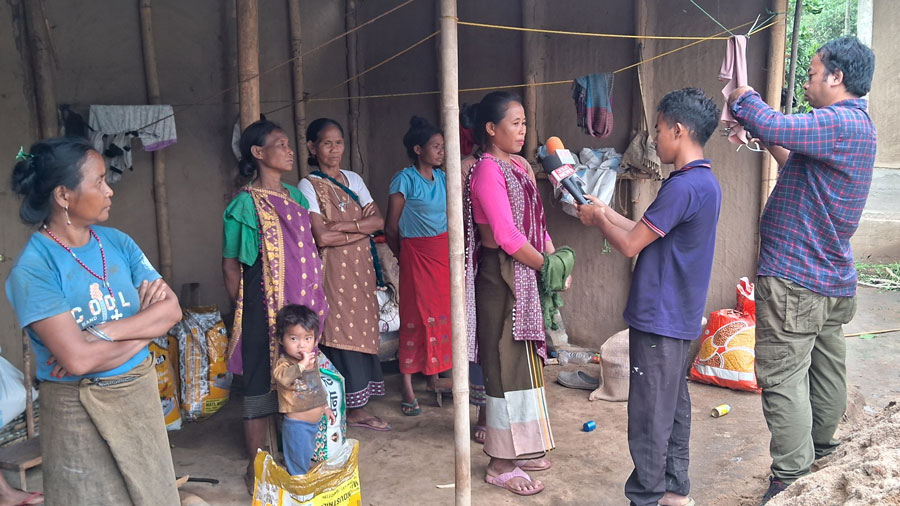
Local media coverage of the relief operations further highlighted the growing vulnerability of rural communities facing climate related disasters across Assam. As extreme weather events become more frequent, humanitarian organizations warn that fragile communities dependent on agriculture and daily wage labour are bearing the heaviest burden.
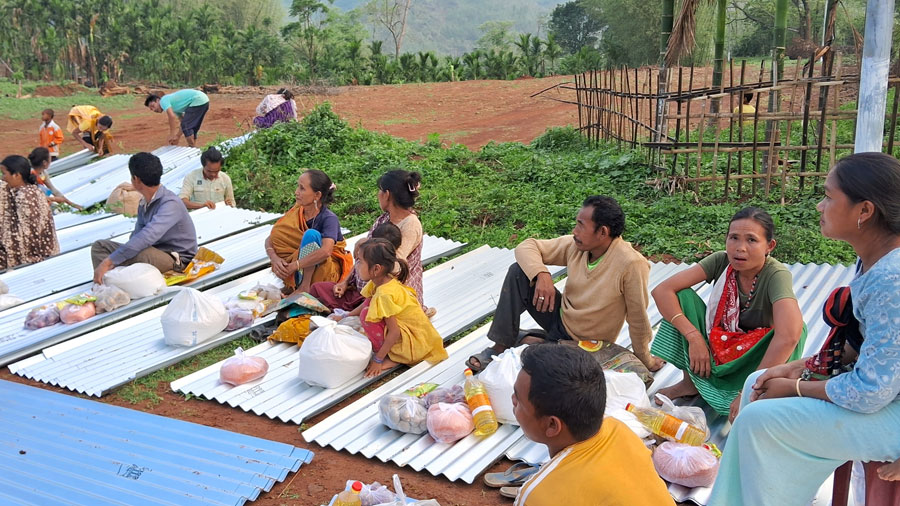
For the families of Theskai and Upper Deigrum, however, the relief brought more than food and shelter. It restored hope.
In places where floodwaters had erased certainty, the presence of compassionate hands reminded people that they were not forgotten, not invisible, and not alone.
Upcoming News
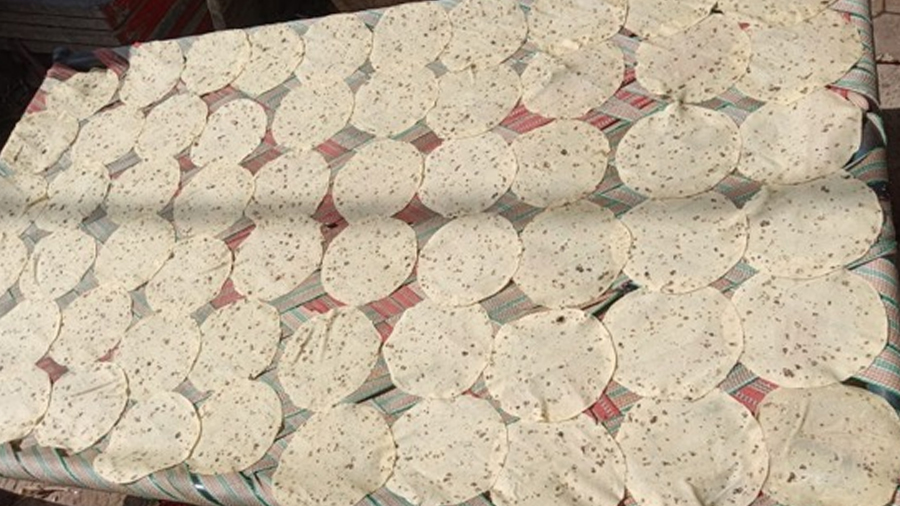
Ten Women Turn Papad Making into a Collective Enterprise
In Shiv Parvati Nagar, Indore, ten women have transformed papad making from a familiar household...
LEARN MORE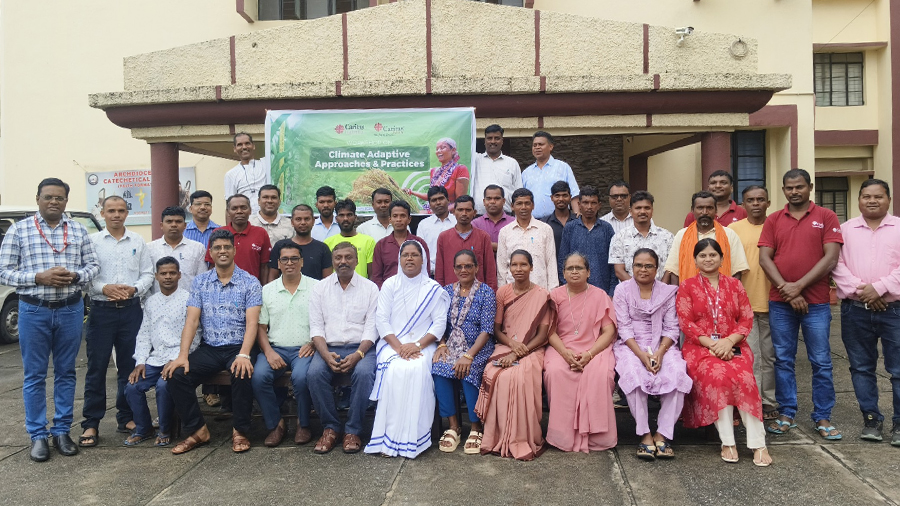
From Awareness to Action: Strengthening Climate-Resilient Practices through Learning and Innovation
As climate change increasingly affects agriculture, livelihoods and natural resources, the need for practical and...
LEARN MORE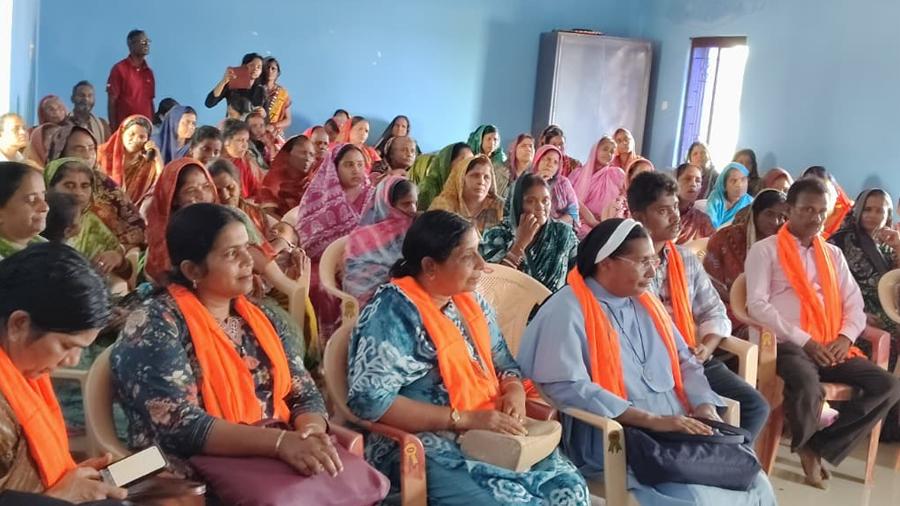
Kerala and Odisha Practitioners Come Together for Workshop on Humanitarian Aid and Disaster Risk Reduction
Disaster risk reduction practitioners from Kerala's Safe Within, Reconnect Wayanad and Vilangad Project travelled to...
LEARN MORE 91 -11 - 2336 3390
  director@caritasindia.org


