
 91 -11 - 2336 3390
  director@caritasindia.org
 Caritas India Restores Hope After Dharali Flash Floods in Uttarkashi

When tragedy struck high in the Himalayas, humanity rose swiftly to answer its cry. Within hours of the devastating flash floods that tore through Dharali valley in Uttarkashi on 5 August 2025, Caritas India, with support from the START Fund Network, mobilised life-saving assistance for affected families. Acting with urgency and compassion response teams reached 700 households across five of the most devastated villages, navigating broken roads and unstable terrain to deliver emergency aid where it was needed the most.
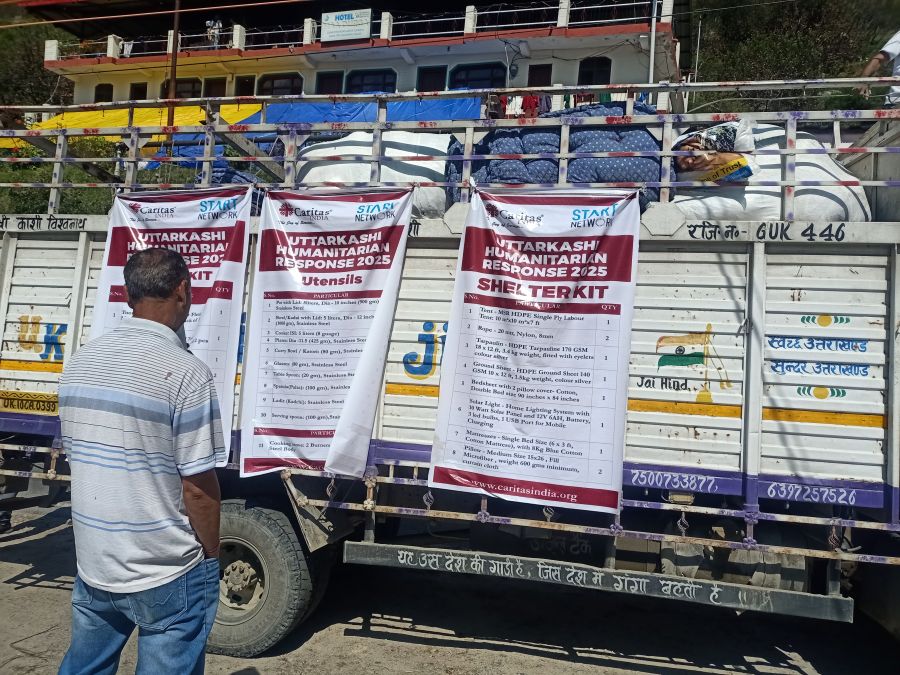
Each affected family received multipurpose cash assistance of Rs 8000 to meet immediate needs. Shelter kits and essential household items such as utensils, mattresses and hygiene materials were provided to restore some comfort and stability to people who had lost everything. On 23 August 2025, in partnership with Karuna Socail Service Society, Caritas India also distributed 300 food kits offering vital food support during the early phase of recovery. “It felt like someone remembered us” said a survivor from Jhala village, holding her relief kit a sign of faith and dignity returning after despair.
The START Fund Network’s rapid financing and Caritas India’s coordinated effort turned anguish into action within days showing how collective humanitarian solidarity can move faster than disaster. It was not just relief work, it was an act of compassion, rebuilding lives with empathy and respect.
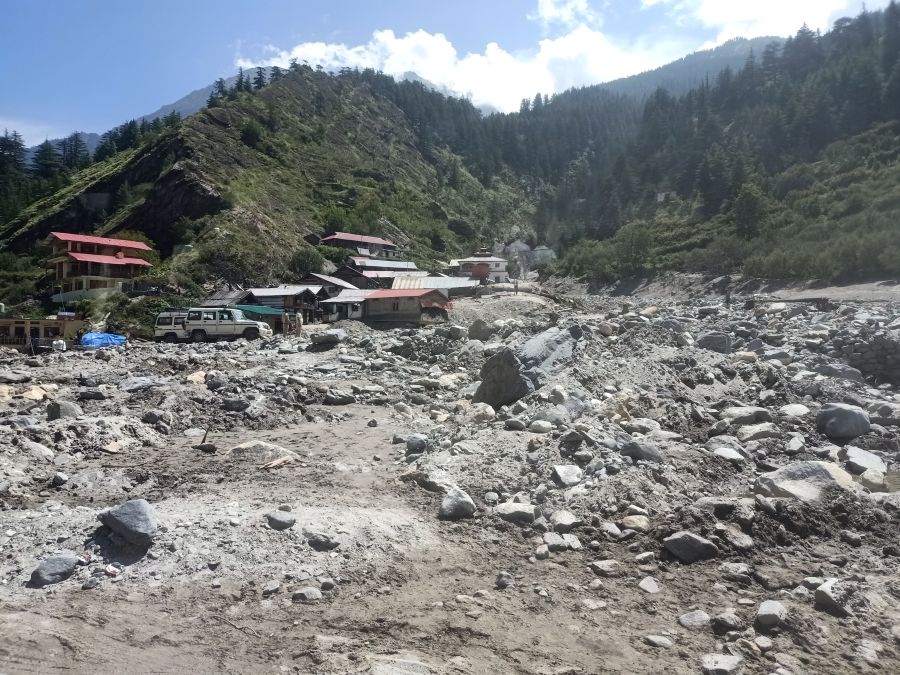
Behind this story of resilience lies a tragedy that changed the face of the valley. On 5 August 2025, a flash flood and debris flow thundered down the Kheer Gad River, swallowing everything in its path. In moments, home,s shop,s and farmlands were buried under a torrent of mud, boulders, and broken timber. Scientists believe the flood was triggered by a glacial collapse or glacial-lake outburst, a warning of how climate-induced changes are reshaping the fragile Himalayan ecosystem.
The destruction was sudden and merciless. Villagers recall the market being either swept away or crushed under rock. At least six people lost their lives while hundreds went missing, including army personnel stationed nearby and migrant workers from Bihar, Uttar Pradesh, and Nepal who had come in search of livelihood but were left destitute far from home. The damage spread across Harshil, Jhala, Sukki, Purali, Jaspur, and Mukhawa leaving entire communities isolated.
Roads disappeared under landslides, communication links brok,e and drinking water sources were destroyed. Crops and livestock were lost, fields were buried, and homes were reduced to rubble. What remained was silence, grief and uncertainty.
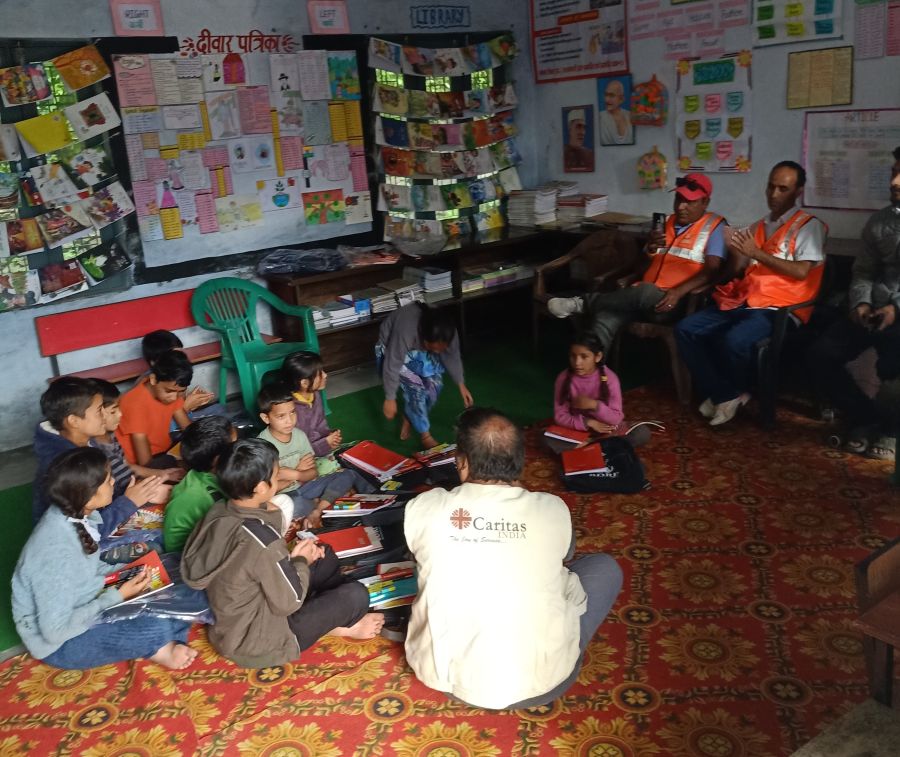
Caritas India and the START Fund Network brought not just materials but a human connection, restoring dignity amid despair. Their swift action became a bridge between loss and hope, reminding the world that rebuilding begins not with stone or steel but with solidarity.
Today, as the river flows calmer and the sun returns to the upper reaches of the Himalaya,s Dharali stands as both a scar and a symbol. The flood erased homes but not courage. The mountains roared, but humanity in compassion answered louder.
Upcoming News
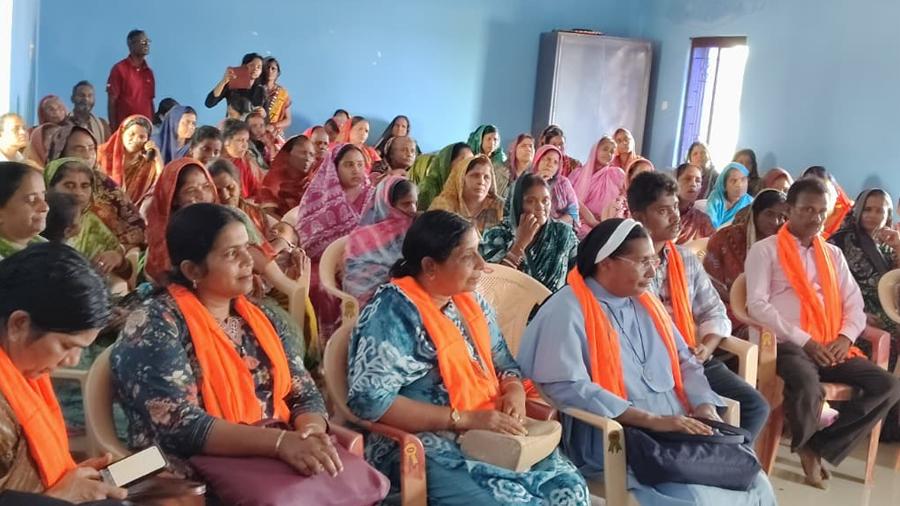
Kerala and Odisha Practitioners Come Together for Workshop on Humanitarian Aid and Disaster Risk Reduction
Disaster risk reduction practitioners from Kerala's Safe Within, Reconnect Wayanad and Vilangad Project travelled to...
LEARN MORE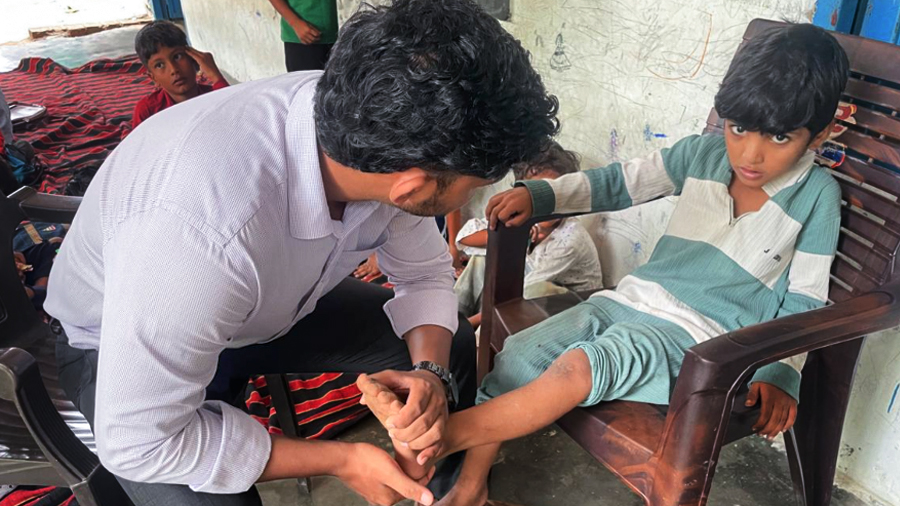
How Faiz Learned to Walk Again with Physiotherapy and Orthotic Support
There is a particular kind of heartbreak in watching your child want to play and...
LEARN MORE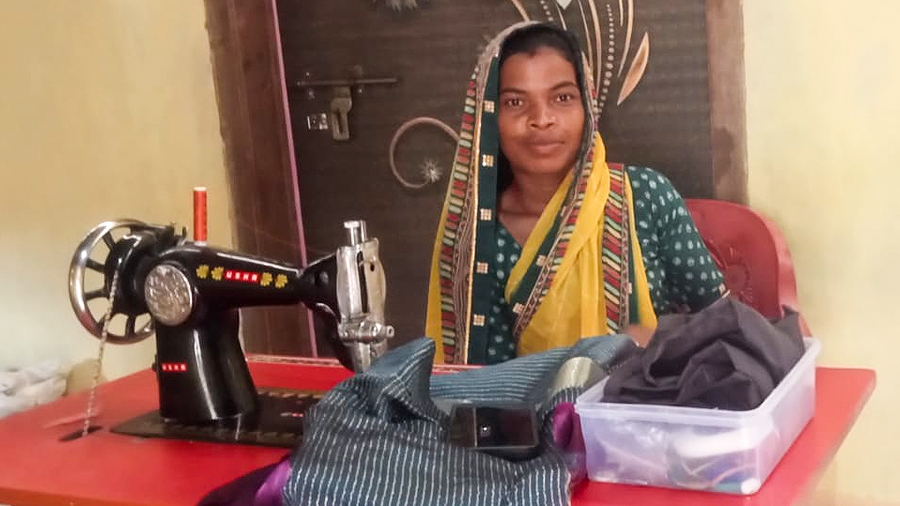
Every Stitch Keeps a Dream Alive
On the day Shiropati paid her children’s school fees from the money she earned through...
LEARN MORE 91 -11 - 2336 3390
  director@caritasindia.org


