
 91 -11 - 2336 3390
  director@caritasindia.org
 Chhattisgarh Farmer Triples Income Through Climate-Resilient Farming
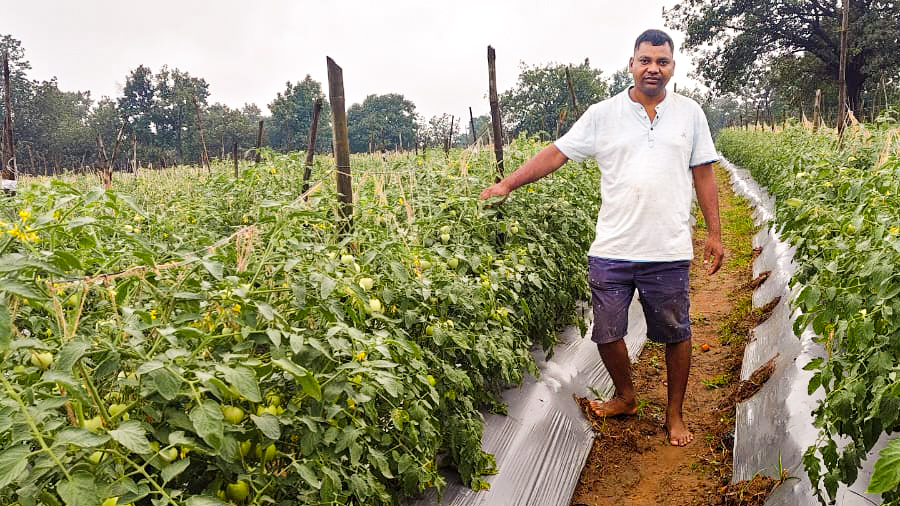
Chhattisgarh is called the “Rice Bowl” of India for good reason: its fertile soil and generous rains have fed generations. But for the tribal and marginal farmers who make up nearly three-fourths of the state’s population, that abundance has rarely translated into security. Most families cultivate paddy for a few monsoon months, relying entirely on the whims of rainfall. When the harvest ends, the fields fall silent, incomes dry up, and thousands are forced to migrate in search of work just to survive the rest of the year.
It is this paradox, rich land, poor livelihoods, that Caritas India, in partnership with Caritas Australia, set out to change through the Gram Nirman Programme. Rather than treating farmers as recipients of aid, the programme is built on the principles of asset-based community development (ABCD): it starts by recognising the skills, land, labour, and local knowledge that communities already possess, and invests in building on those strengths. Through hands-on demonstrations, exposure visits, and sustained mentoring, Gram Nirman helps families move from rain-dependent subsistence farming toward climate-resilient, market-oriented enterprise, reframing agriculture not as a burden to endure, but as a business to build.
The Educator Who Became a Learner
In Ganpatpur village, in the Dharamjaigarh block of Raigarh district, Raju Tirkey once cultivated just three acres of land, barely enough to sustain his family. A graduate at 38, he joined Gram Nirman’s first phase (2016 to 2020) as a Community Educator, spending his days mobilising fellow farmers and encouraging them to adopt better practices. He believed deeply in the programme’s promise. Quietly, he dreamed of applying it to his own land.
When Gram Nirman’s second phase began, Raju made an unusual choice: he stepped back from teaching and returned as a student. He threw himself into capacity-building sessions, field demonstrations, and exposure visits on scientific, climate-smart farming. One visit changed everything: a trip to see Biren Lakra, another once-marginal farmer in Jashpur, who had built a thriving vegetable enterprise using drip irrigation. Watching Biren’s transformation, Raju realised his own three acres didn’t have to define his limits. The knowledge, tools, and confidence Gram Nirman had built in him were assets of their own, ones he had not yet put to full use.
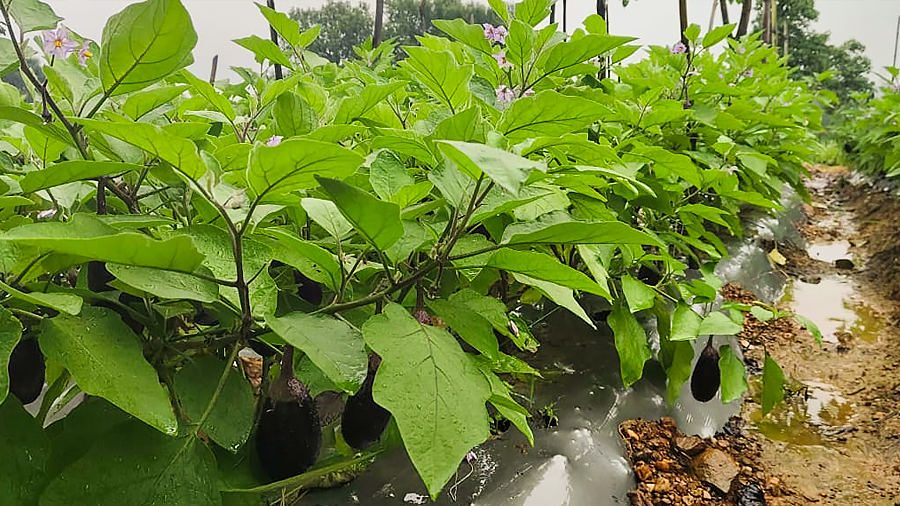
From ₹2 Lakh to ₹24 Lakh: A Leap of Faith
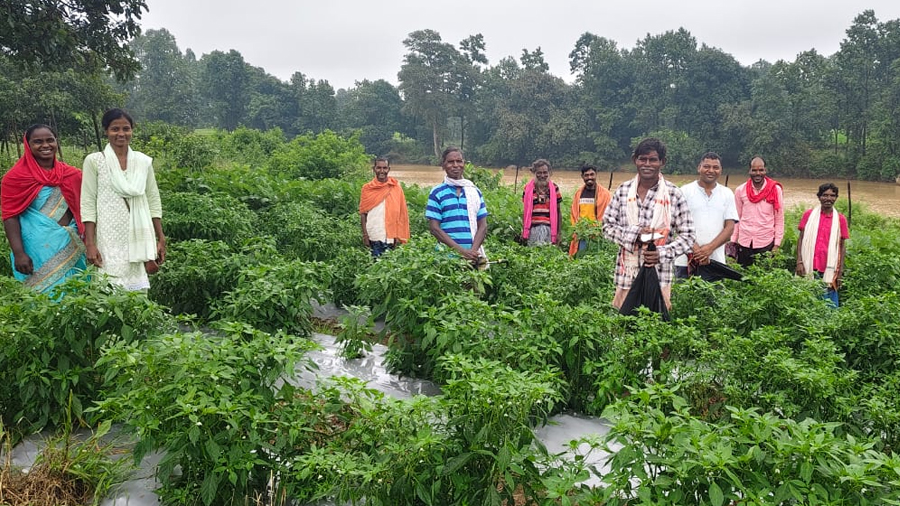
In 2021, Raju made his boldest move yet. Instead of settling for salaried work, he leased seven additional acres and launched a commercial vegetable farm (tomatoes, brinjal, chilli, cauliflower, and lady’s finger) using drip irrigation and scientific cultivation techniques learned through the programme.
The results speak for themselves. His annual income has grown twelvefold, from roughly ₹2 lakh as an employee to nearly ₹24 lakh through his own enterprise. But the impact extends well beyond his household: Raju now provides steady employment to 10 to 15 people from his village every day, turning one family’s transformation into a source of livelihood for many. Still hungry to learn, he regularly travels to agricultural research stations in Raipur to consult scientists and stay ahead of the latest techniques.
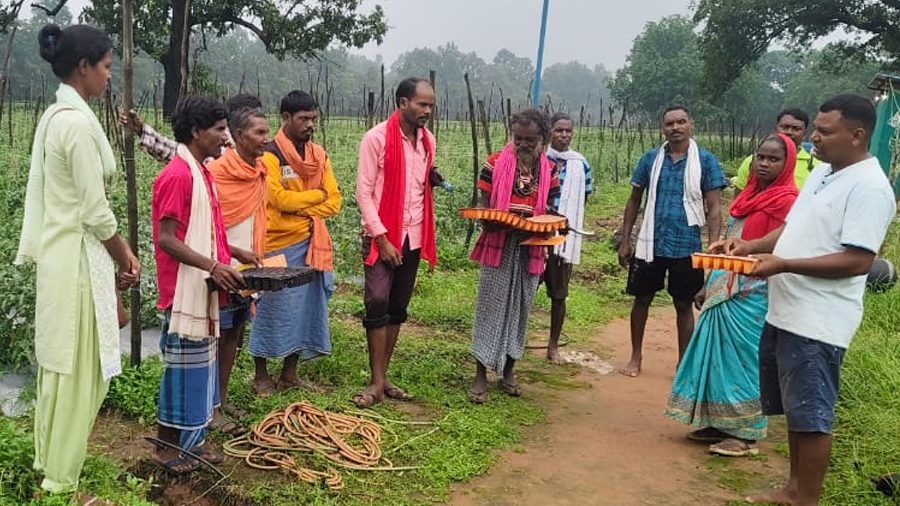
The Learner Becomes the Leader
Raju’s journey has come full circle. The man who once taught others as a Community Educator, then became a student himself, is now Gram Nirman’s demonstration farmer and resource person. His fields have become a living classroom, where neighbouring farmers watch drip irrigation, nursery management, and integrated vegetable production in action, not in theory, but on real soil, with real results.
Through peer learning and live demonstration, Raju has inspired a growing circle of farmers to diversify their crops and adopt water-efficient irrigation. For many, seeing is believing: watching a fellow villager’s income multiply gives them the confidence to try it themselves.
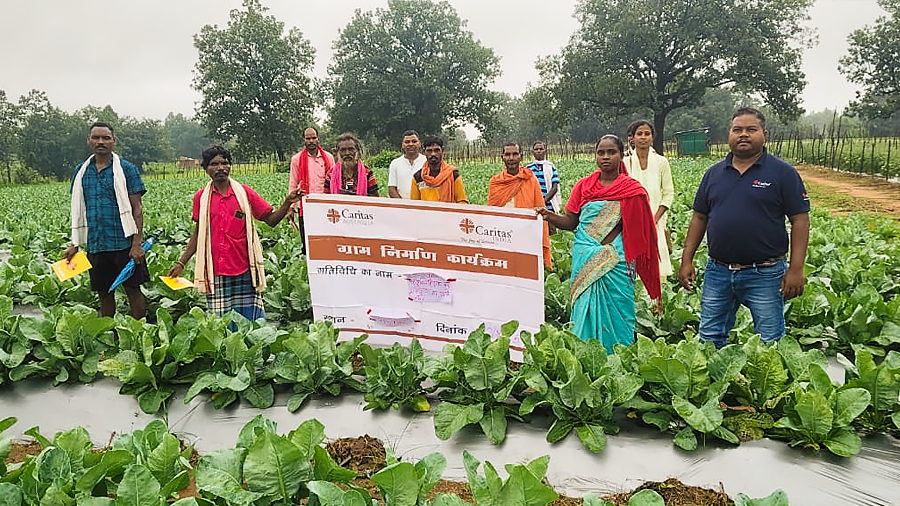
In his own words:
“Caritas India gave me the opportunity to learn, dream, and believe in myself. The exposure and capacity-building I received changed the way I looked at farming. Once I was an employee; today, I employ 10 to 15 people every day. It gives me immense satisfaction to share my experiences with fellow farmers so that they too can build a better future.”
A Model for Lasting Change
Raju’s story is one thread in a much larger fabric that Caritas India and Caritas Australia are weaving across Chhattisgarh. The Gram Nirman Programme’s asset-based approach, starting with what communities already have rather than what they lack, has quietly shifted the trajectory of many families who once lived on the margins of both land and opportunity.
Farmers who once migrated each year in search of daily wages are now employers in their own villages. Community Educators who once carried the programme’s message to others have themselves become its proof. And a landscape once defined by seasonal uncertainty is slowly being reshaped into one of year-round enterprise, dignity, and self-reliance.
Raju Tirkey’s rise, from Community Educator to learner, from employee to employer, from mentor to model, is a testament to what happens when people are trusted with the tools to realise their own potential. It is a story Caritas India and Caritas Australia are proud to have helped write, one farmer, one field, and one family at a time.
Upcoming News
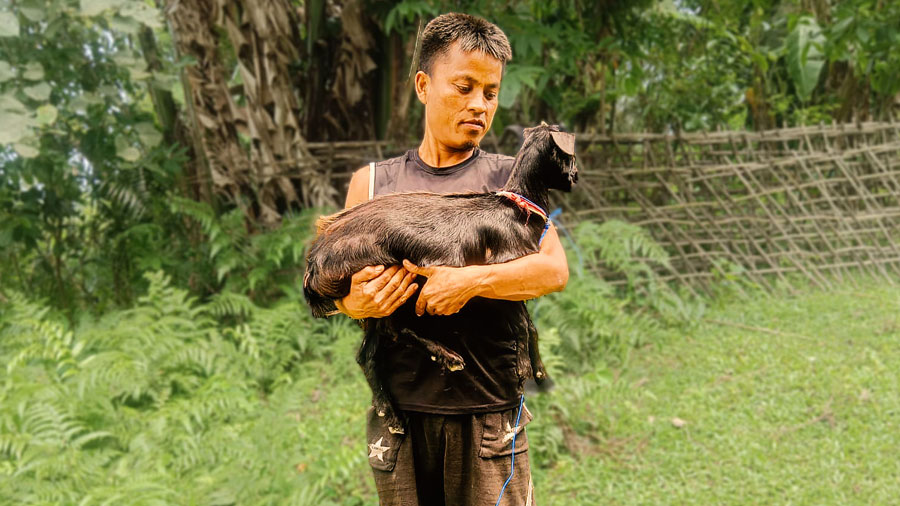
When the Floods Come Again: How Livestock Became a Family’s Plan B
Every year, disaster wipes out what smallholder farmers in Assam, Tripura, and Bihar have built....
LEARN MORE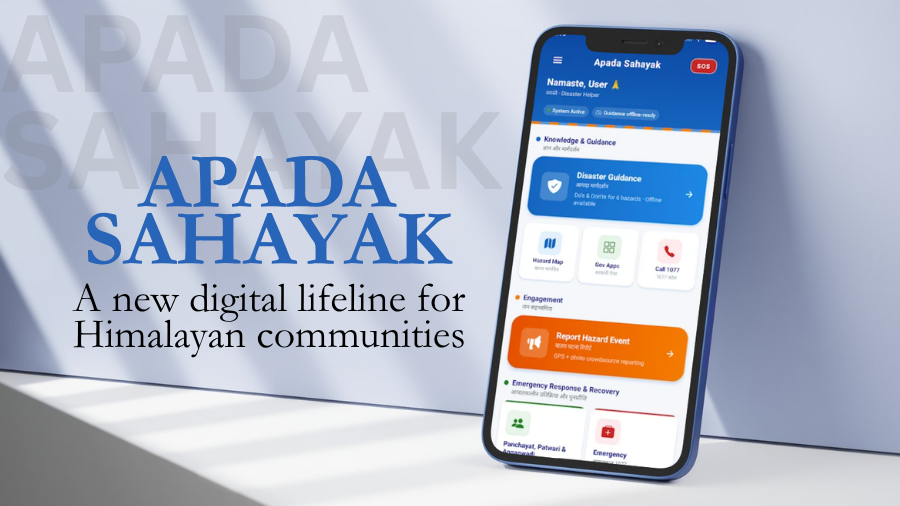
Apada Sahayak: A New App Puts Disaster Preparedness in the Hands of Himalayan Villages
Caritas India helps launch Apada Sahayak, a bilingual app built with and for the communities...
LEARN MORE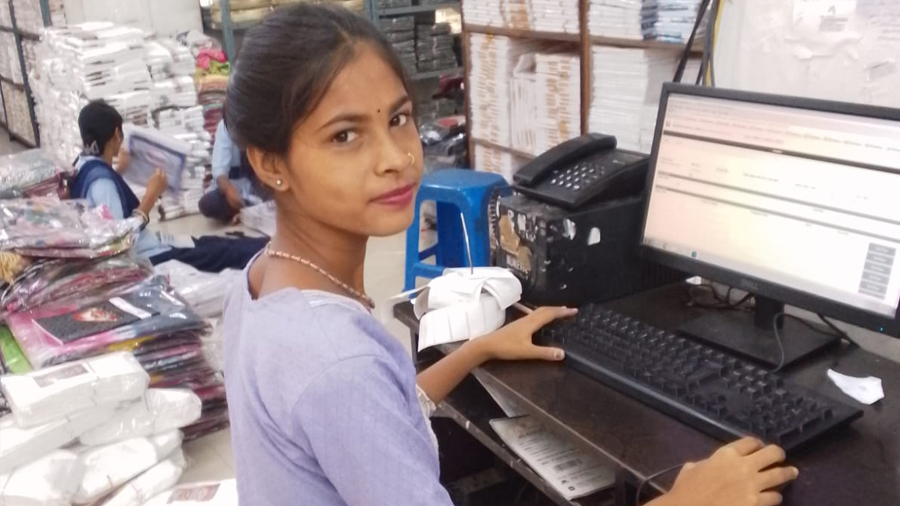
From Staying at Home to Standing on Her Own: Aarti Vaishnav’s Journey Towards Independence
In Alesur village, many young women finish school with dreams they never get to chase....
LEARN MORE 91 -11 - 2336 3390
  director@caritasindia.org


