
 91 -11 - 2336 3390
  director@caritasindia.org
 From Awareness to Action: Strengthening Climate-Resilient Practices through Learning and Innovation
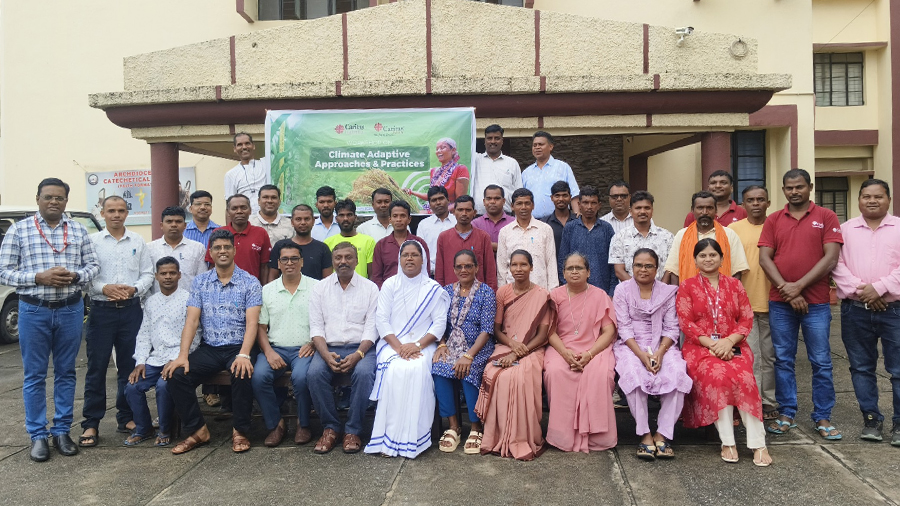
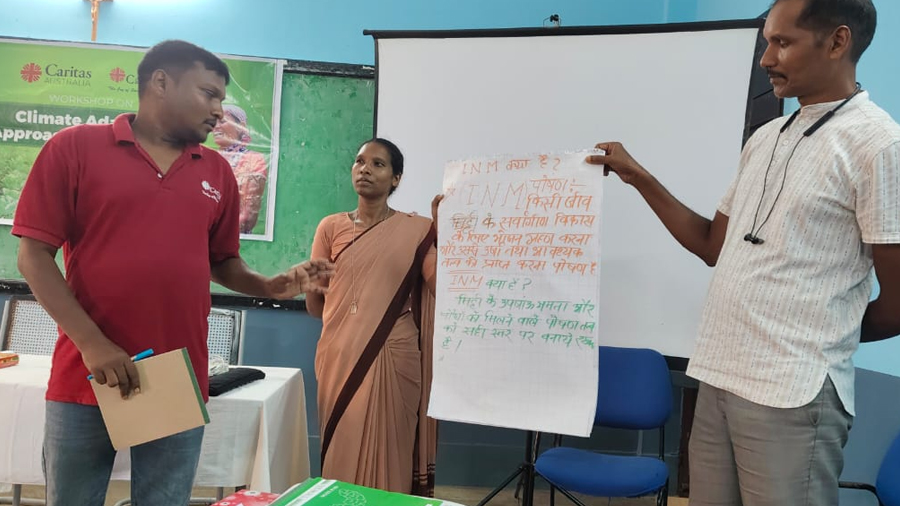
As climate change increasingly affects agriculture, livelihoods and natural resources, the need for practical and locally relevant climate-adaptive solutions has never been greater. Recognising this need, Gram Nirman, with the support of Caritas Australia, organised a two-day workshop on “Climate Adaptive Practices & Approaches” on 18–19 August 2026 at SDC, Ranchi, Jharkhand.
The workshop brought together 41 participants, including progressive farmers and field practitioners from Jharkhand and Chhattisgarh, development professionals, strategic leaders, DSSS Directors, Programme Coordinators, Directors of sister organisations and programme teams, along with members of the local Caritas India team. This diverse participation created a valuable space for connecting field experiences and practical knowledge with programme planning, organisational learning and strategic decision-making.
Understanding the Bigger Environmental Picture
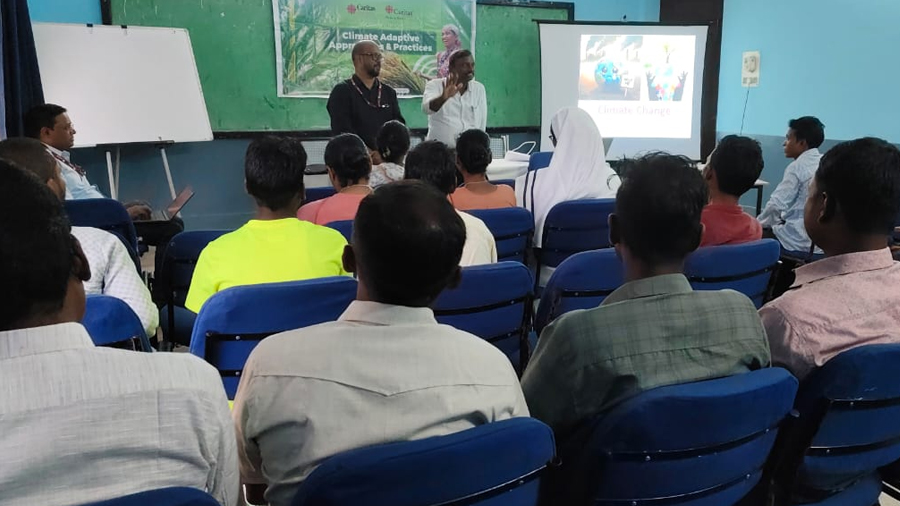
The first day began by encouraging participants to look beyond agriculture and understand the wider environmental challenges facing communities. Facilitated by Dr. Haridas V. R., the session on environmental sustainability and climate change explored themes including the Earth’s history, the ozone layer, ozone depletion, air pollution and humanity’s responsibility towards the environment.
The discussion also connected environmental stewardship with the Catholic Church’s call to care for our “common home”, drawing on Laudato Si’. Participants were encouraged to see environmental protection not merely as an ecological concern, but as a shared responsibility requiring collective action and innovative thinking. The importance of women’s meaningful participation in agriculture, natural resource management and environmental decision-making was also emphasised.
An interesting part of the session was the discussion on Azolla and its potential environmental and agricultural applications, highlighting how locally appropriate innovations can contribute to more sustainable farming systems.
Rethinking Agriculture for a Changing Climate
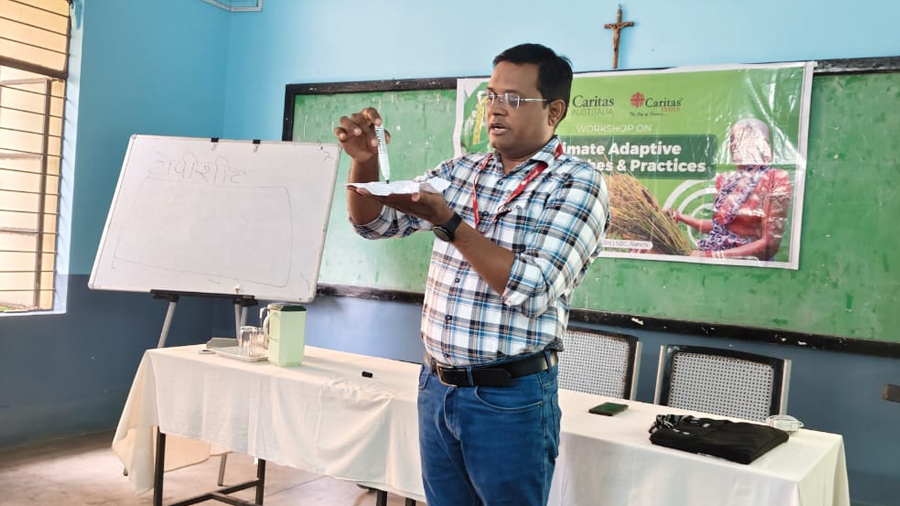
The second session, facilitated by Dr. Mukund Deshmukh, focused on sustainable agriculture. While acknowledging the important contribution of the Green Revolution to food production and food security, participants reflected on some of its long-term consequences, including dependence on chemical inputs, soil degradation and increasing pressure on water resources.
The discussion shifted towards approaches that can maintain agricultural productivity while conserving natural resources. Soil and water conservation, Integrated Pest Management (IPM) and Integrated Nutrient Management (INM) emerged as important components of climate-resilient agriculture. Participants explored ways of reducing excessive dependence on chemical pesticides and fertilisers while making greater use of organic inputs, bio-inputs and locally available resources.
From Knowledge to Transformation
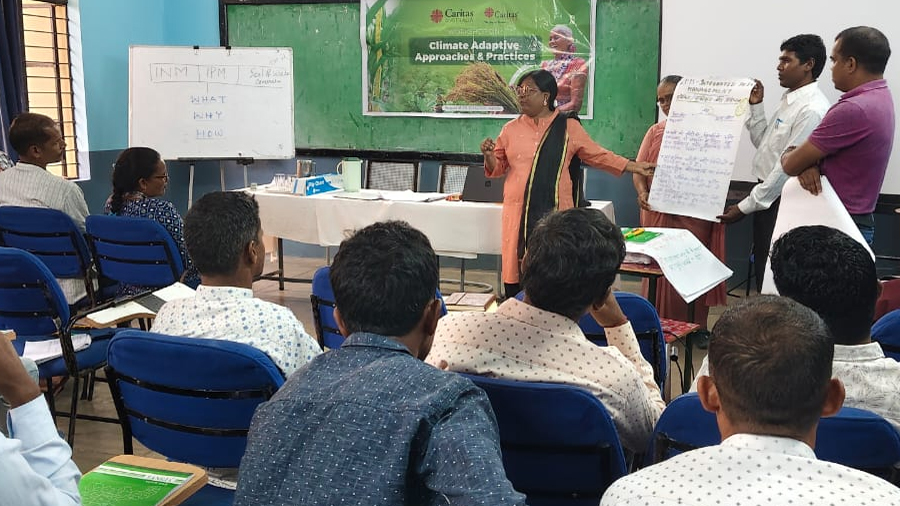
The second day focused more directly on practical climate-adaptive agricultural practices. Dr. Haridas introduced the FIT approach – Formation, Information and Transformation, emphasising that capacity building and information are meaningful only when they ultimately translate into changes in practices and behaviour.
Participants also engaged in discussions around organic manure, organic pesticides and environmentally responsible pest management. Experiences from the field provided an opportunity to examine how locally available organic materials can improve soil fertility while reducing dependence on chemical inputs.
Water conservation emerged as another critical area of discussion. With changing rainfall patterns, climate variability and increasing pressure on water resources, participants explored practical measures such as rainwater harvesting, soil-moisture conservation and efficient irrigation at farm and community levels.
Moving Climate Adaptation into Programme Practice
One of the strongest messages emerging from the workshop was that climate adaptation cannot remain a standalone agriculture activity or an awareness theme—it needs to become a cross-cutting approach across development programmes.
The workshop highlighted the importance of integrating soil and water conservation into agriculture, horticulture, livelihood and natural resource management interventions. It also stressed the value of local knowledge, locally available resources, community-led innovation and practical demonstrations.
Participants reflected that climate risks need to be considered throughout the programme cycle—from planning and proposal development to implementation and monitoring. Equally important is ensuring that learning leads to action and that successful practices are documented, shared and adapted by other communities and organisations.
Building a Culture of Learning and Innovation
The workshop concluded with a clear call to move “from awareness to action.” Participating organisations and programme teams were encouraged to integrate climate-resilient approaches into their ongoing agriculture, livelihood, natural resource management and community development programmes.
The way forward includes greater emphasis on practical demonstrations, community-led innovations, sustainable agriculture, soil and water conservation, documentation of results and peer learning. Such an approach can help organisations identify locally relevant solutions and create opportunities for scaling practices that are both feasible and affordable.
The two-day learning experience ultimately reinforced an important message: building climate resilience is not only about responding to climate change—it is about enabling communities to innovate, adapt and manage their natural resources sustainably. By connecting knowledge with practice and organisational learning with community experience, the workshop contributed to strengthening the capacity of participating teams to promote climate-resilient livelihoods and environmentally responsible development.
Upcoming News

Ten Women Turn Papad Making into a Collective Enterprise
In Shiv Parvati Nagar, Indore, ten women have transformed papad making from a familiar household...
LEARN MORE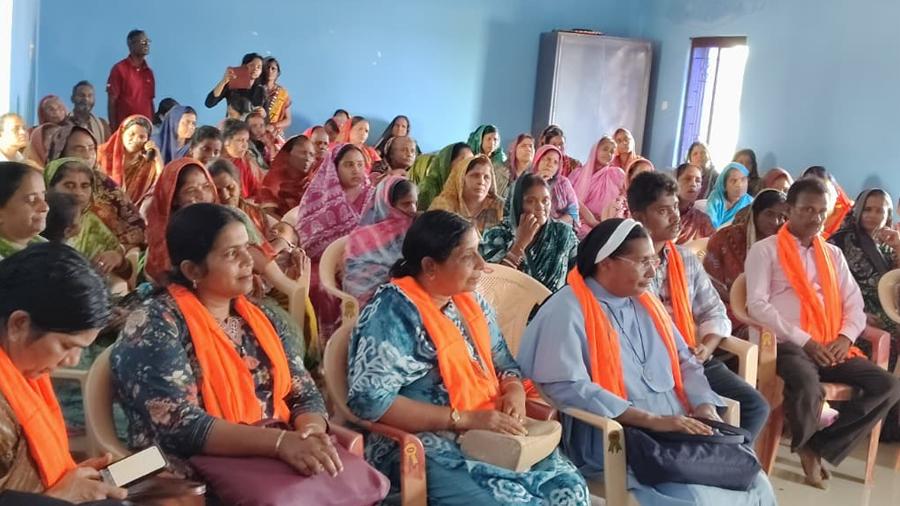
Kerala and Odisha Practitioners Come Together for Workshop on Humanitarian Aid and Disaster Risk Reduction
Disaster risk reduction practitioners from Kerala's Safe Within, Reconnect Wayanad and Vilangad Project travelled to...
LEARN MORE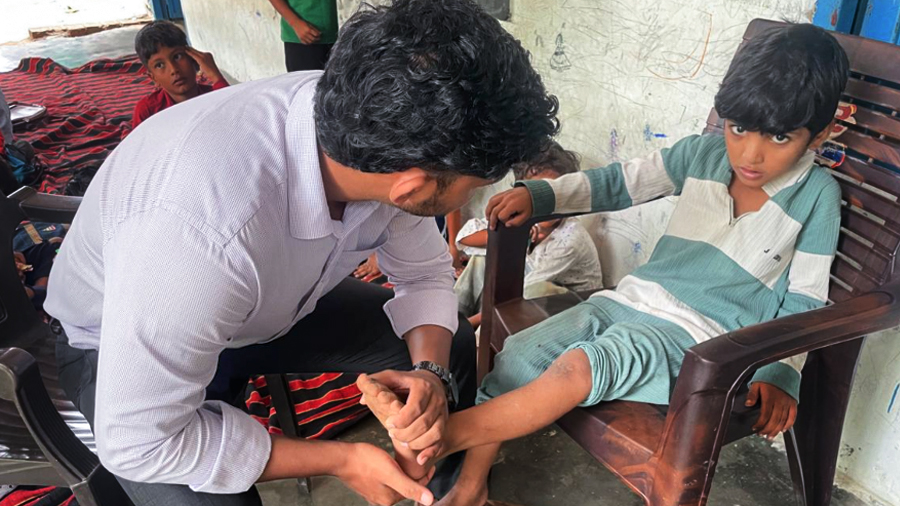
How Faiz Learned to Walk Again with Physiotherapy and Orthotic Support
There is a particular kind of heartbreak in watching your child want to play and...
LEARN MORE 91 -11 - 2336 3390
  director@caritasindia.org


