
 91 -11 - 2336 3390
  director@caritasindia.org
 Ten Women Turn Papad Making into a Collective Enterprise
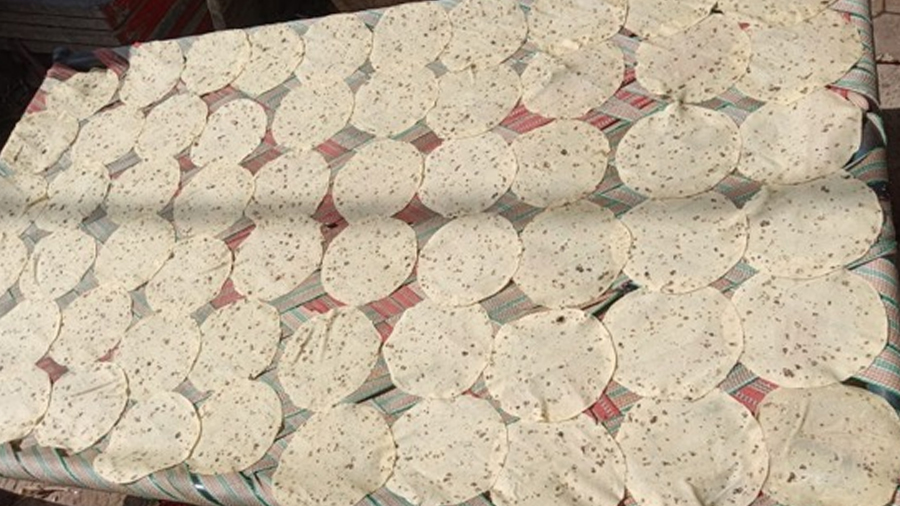
In Shiv Parvati Nagar, Indore, ten women have transformed papad making from a familiar household skill into a collective enterprise that is bringing income, confidence and greater control over their economic lives. What began with small batches of 2 to 3 kg has grown into a regular production activity of about 8 to 10 kg per cycle, with daily earnings rising from Rs. 200 to Rs. 500 to 800.
For women living nearly five kilometres away from the main market, earning an income outside the home was not easy. Limited public transport, childcare responsibilities and household work made regular jobs difficult to access. For many, including Sunita Bai, Rekha Sharma, Anita Verma, Pinky Solanki and Manju Devi, work close to home was not simply a preference. It was a necessity.
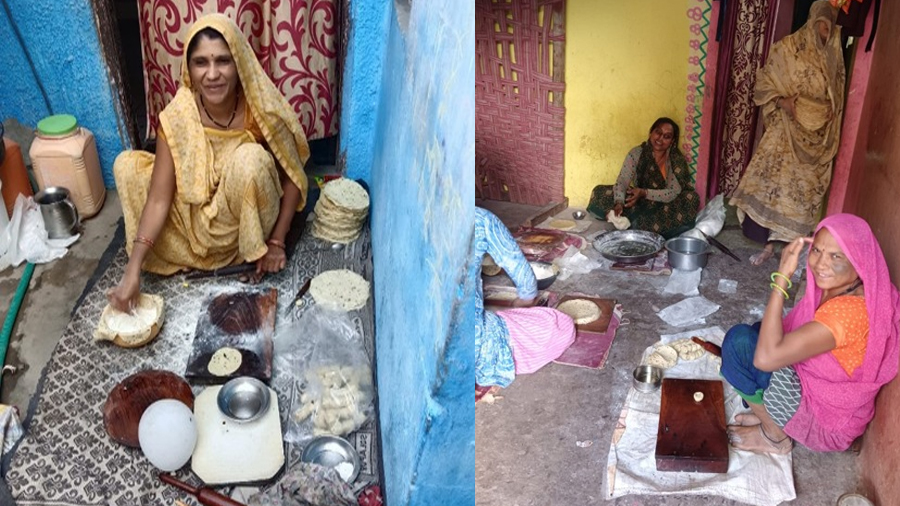
The women began their papad making unit on 26 November 2025 after coming together through Self Help Group activities under the Sanjivani Project, implemented by Jan Vikas Society, Palda, Indore. Regular meetings gave them a space to speak openly about their financial concerns and explore ways to earn collectively.
Papad making emerged as a practical choice. The work could be carried out within the neighbourhood, required a manageable investment and built on skills the women already had. With technical support from Geeta Milwani, they learned to prepare papads from black gram, gram and green gram powders. The training focused on hygiene, quality, consistency, planning and dividing work among members.
An exposure visit to a factory helped the women see a bigger possibility. They observed how a traditional food item could become a marketable product through careful production, packaging, quality checks and customer outreach. It encouraged them to think beyond making papads for their own kitchens.
“In the beginning, we were nervous because none of us knew how far the business would go,” says Rekha Sharma. “But working as a group made everything easier. We divide the work, help one another and solve problems together. Our success has given us confidence that we can create something of our own.”
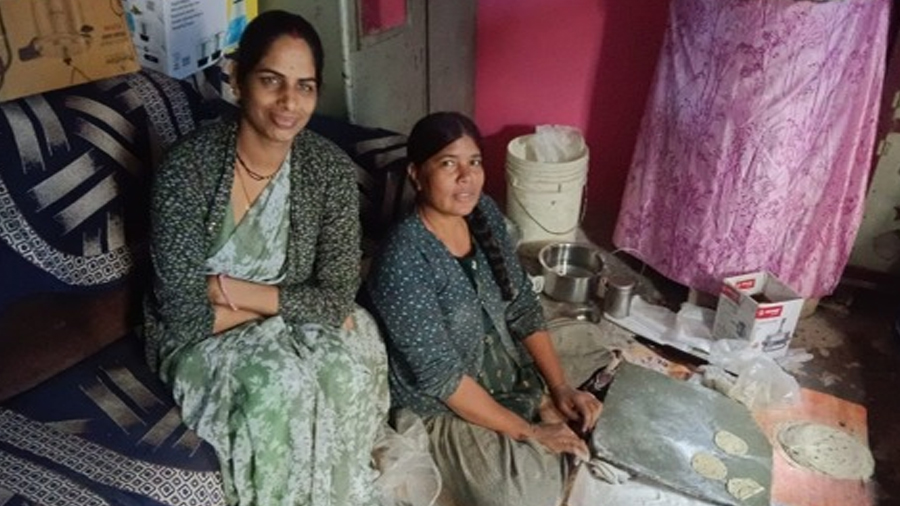
Today, the group shares responsibilities according to each member’s availability. Some support with preparing the dough, while others roll, dry, pack, purchase materials or monitor quality. This shared system allows the women to balance the enterprise with childcare and household responsibilities.
For many members, the biggest change is not limited to income. They are now discussing production targets, customer preferences, costs, quality and ways to expand their work. Decisions that were once beyond their reach are now part of their everyday conversations.
“Earlier, we mainly thought about managing household expenses,” says a group member. “Now we talk about customers, quality and how to grow our work. The income matters, but the confidence we have gained matters just as much. We now believe women can build an enterprise when they stand together.”
The journey of these ten women shows how collective enterprise can create opportunities where individual efforts may face barriers. Distance from markets, limited mobility, lack of capital and household responsibilities often prevent women from taking up work outside their homes. By joining hands, the women of Shiv Parvati Nagar have found a way to reduce these barriers and create an income opportunity within their own community.
For them, papad making is no longer only a traditional skill passed down through generations. It has become a shared venture that is strengthening income, solidarity and the belief that women can shape a more secure future for their families.
Upcoming News
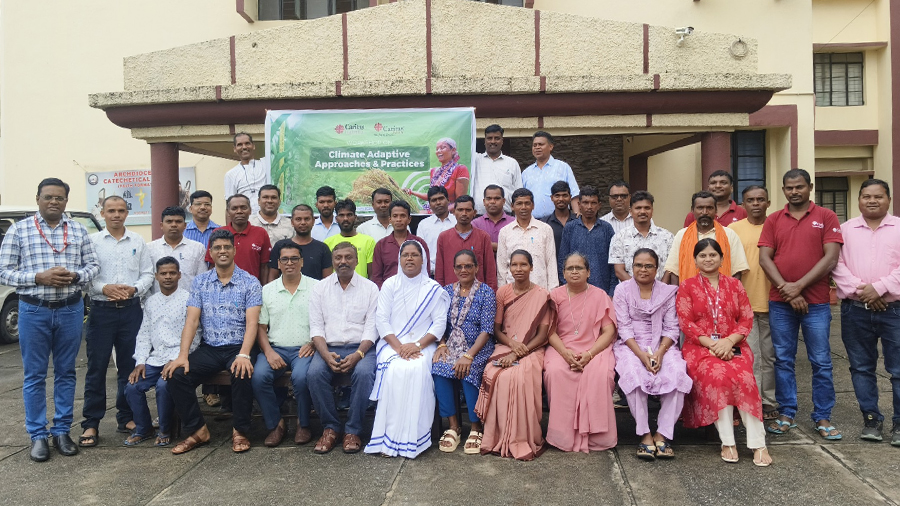
From Awareness to Action: Strengthening Climate-Resilient Practices through Learning and Innovation
As climate change increasingly affects agriculture, livelihoods and natural resources, the need for practical and...
LEARN MORE
Kerala and Odisha Practitioners Come Together for Workshop on Humanitarian Aid and Disaster Risk Reduction
Disaster risk reduction practitioners from Kerala's Safe Within, Reconnect Wayanad and Vilangad Project travelled to...
LEARN MORE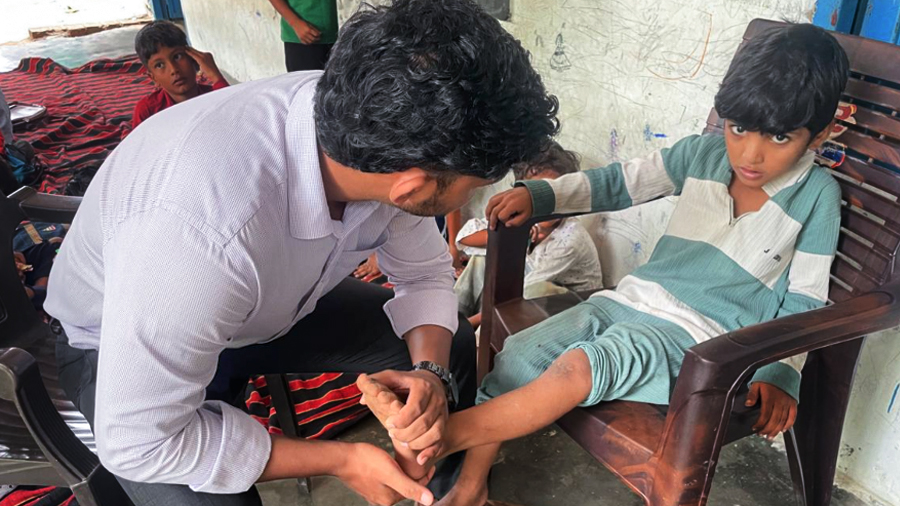
How Faiz Learned to Walk Again with Physiotherapy and Orthotic Support
There is a particular kind of heartbreak in watching your child want to play and...
LEARN MORE 91 -11 - 2336 3390
  director@caritasindia.org


