
 91 -11 - 2336 3390
  director@caritasindia.org
 Development practitioners reflected Rural Development through Cooperatives at Ranchi

A sense of hope and purpose filled the auditorium at Xavier Institute of Social Services, Ranchi, when Caritas India’s Executive Director, Fr. R. Jesudass, addressed over fifty participants at the “Workshop on Rural Development Through Cooperatives” on 20th October 2025. The day brought together esteemed church leaders, social visionaries, and development experts united by a resolve to uplift marginalized communities.
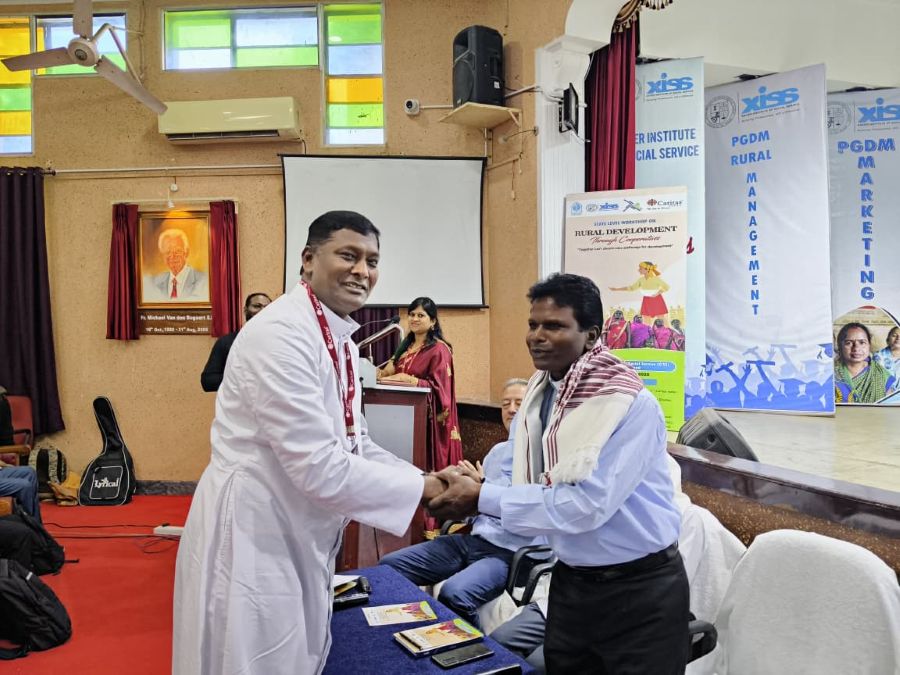
Representing Caritas India, Fr. Jesudass spoke from the heart, weaving together real stories of rural women’s courage and the promise of collective action. His message bore special weight. Years of working with women in riverside villages and among daily wage earners have shown him the transformative power of solidarity. He recounted the journey of a humble group of women in Dharmapuri, Tamil Nadu, who began saving just one hundred rupees a month. As they received capacity-building support and invested their pooled resources, these women sailed beyond poverty and marginalization. Soon, they learned to negotiate fair prices, supply their fish to new markets, and foster self-reliance and dignity. Their greatest achievement was not material, it was the spirit of cooperation that let every member stand tall.
Drawing lessons from this, Fr. Jesudass turned to the realities in Jharkhand, describing how women labour unrecognized yet carry their families and communities with resilience. His words were a call to action: “When women unite, they do not wait for change, they become the change.” He described Caritas India’s vision of empowerment through the 3C+1L model—collecting women into supportive groups, creating village microenterprises, connecting to local banks and markets, and nurturing leadership. Women are not passive recipients, he affirmed. “They are builders. They are resources. If each diocese can nurture even one self-reliant cooperative, together we lay the foundation for a just and participatory society.”
Grounded in lived experience and gentle confidence, his message moved beyond the transactional. He reminded all present, “Together with Jharkhand’s women, we are not building projects, but we are building possibilities.” Caritas India believes true rural development happens when women and communities are not just served but recognized as full partners in their own transformation.
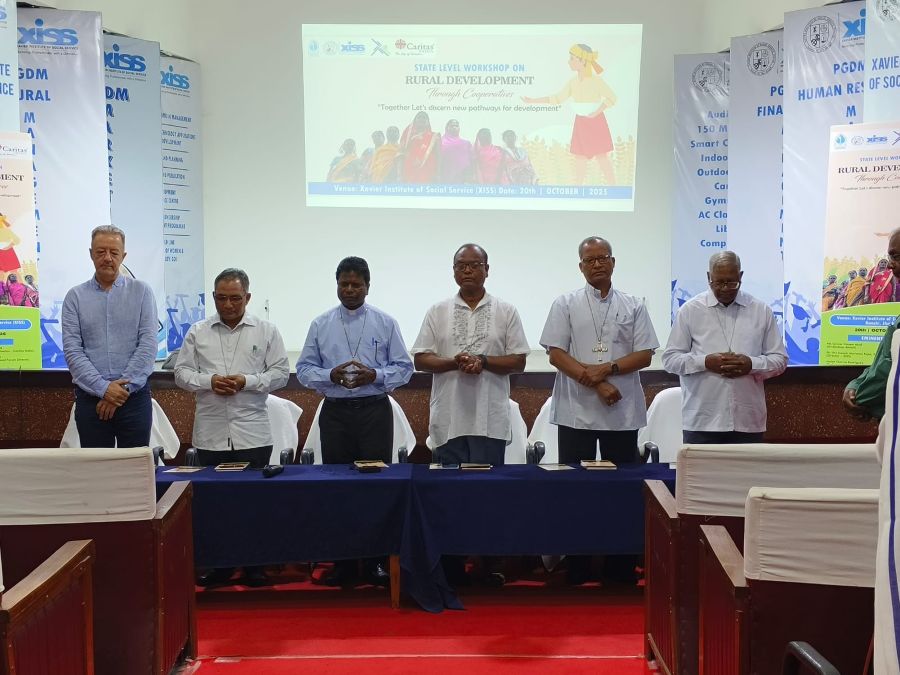
The workshop witnessed a spirited exchange of experiences, with inspiring input from bishops across the region, grassroots leaders, and international partners. Discussions on models in Spain and the promise of cooperatives resonated with Caritas India’s commitment to solidarity and local empowerment. Before the closing reflections, leaders unanimously echoed a vision where the church nurtures leadership among the last and the least, especially within tribal societies.
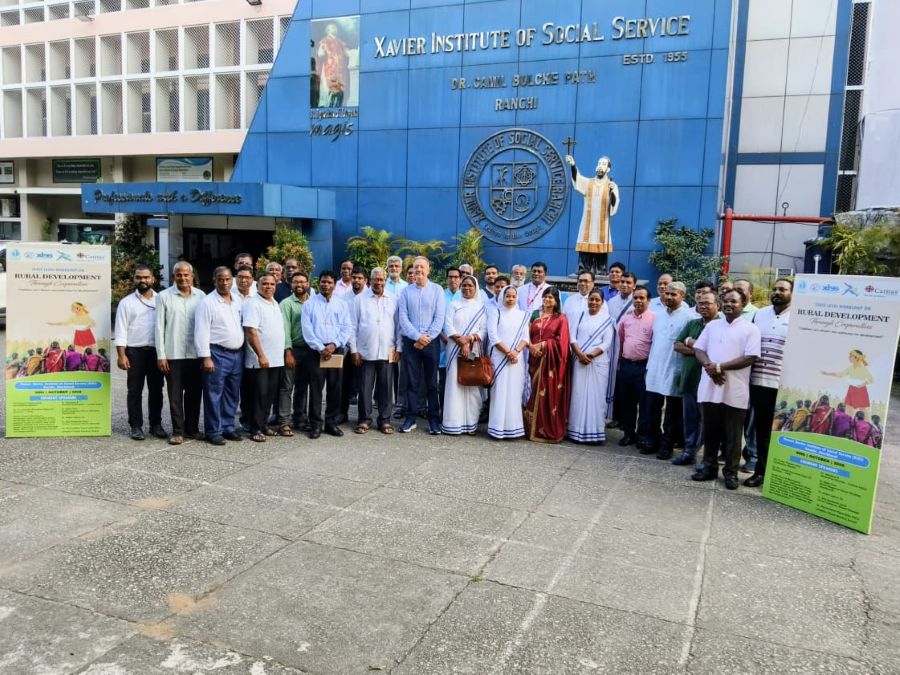
The workshop was attended by Archbishop His grace Vincent Aind, Archbishop of Ranchi, Bishop Kishor Kujur, the Bishop of Rourkela Diocese, Odisha, Bishop Vincent Barwa, the Bishop of Simdega, Bishop Linus Pingal Ekka, the Bishop of Gumla, Bishop Binay Kandulna, the Bishop of Khunti, Prof. Javier Gracia Rodriguez, Spain, Fr. Bipin Pani, Regional Forum Director, Ranchi, Fr. Nikola Barla, Coordinator of Tribal and Minorities, CBCI, and Sist. Mariaelena Figueeredo, Director, Mahila Vikas Kendra, Torpa.
At the close of the day, the participants expressed their renewed commitment to empower marginalized groups, especially tribals, urging leaders to nurture responsibility, unity, and self-reliance. The message was clear: true rural transformation begins when communities themselves take ownership of their collective future.
Upcoming News
Migrant Women Workers Lead the Charge for Equality
For the 70 women gathered under the banner of the Pravasi Bandhu Program this week,...
LEARN MORE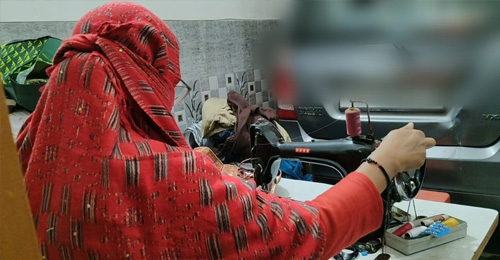
How One Mother Stitched Her Life Back Together
In a small, busy lane in Gokulpuri, there’s a sound that means everything to a...
LEARN MORE
Archbishop Dr. Linus Neli Takes the Helm at Caritas India
A new chapter of compassion has begun. Archbishop Dr. Linus Neli officially took charge as...
LEARN MORE 91 -11 - 2336 3390
  director@caritasindia.org


