
 91 -11 - 2336 3390
  director@caritasindia.org
 Empowering Odisha’s Coastal Communities to Lead Their Disaster Preparedness
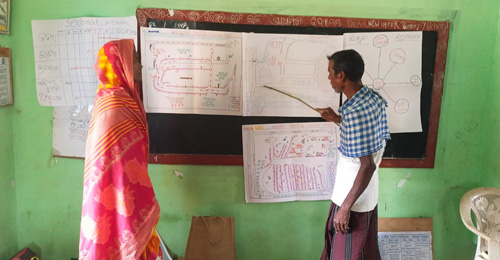
Odisha’s coastal and riverine belts in Ganjam, Puri, and Balasore continue to face recurrent cyclones, floods, heatwaves, and lightning, eroding lives, assets, livelihoods, and deepening multidimensional poverty in already fragile communities. In many Panchayats, Village Disaster Management Plans exist, but rapid climate change, new hazards, and evolving vulnerabilities have left them outdated, weakly used, poorly connected to local governance and basic services. Against this backdrop, Caritas India, with support from Caritas Japan under the project “Empowering Communities for Resilience Building in Odisha,” is helping communities update disaster plans, strengthen local systems, and weave risk reduction into daily life, while contributing to Sustainable Development Goal 11 on Sustainable Cities and Communities and SDG 13 on Climate Action.
The project’s overall goal is to mitigate damage caused by natural disasters in four selected Gram Panchayats by improving skills, knowledge, and coordination for community-based disaster management. This work directly contributes to SDG 13 targets on strengthening resilience and adaptive capacity to climate-related hazards, and SDG 11 targets on reducing disaster impact on poor and vulnerable communities and integrating risk reduction into local planning.
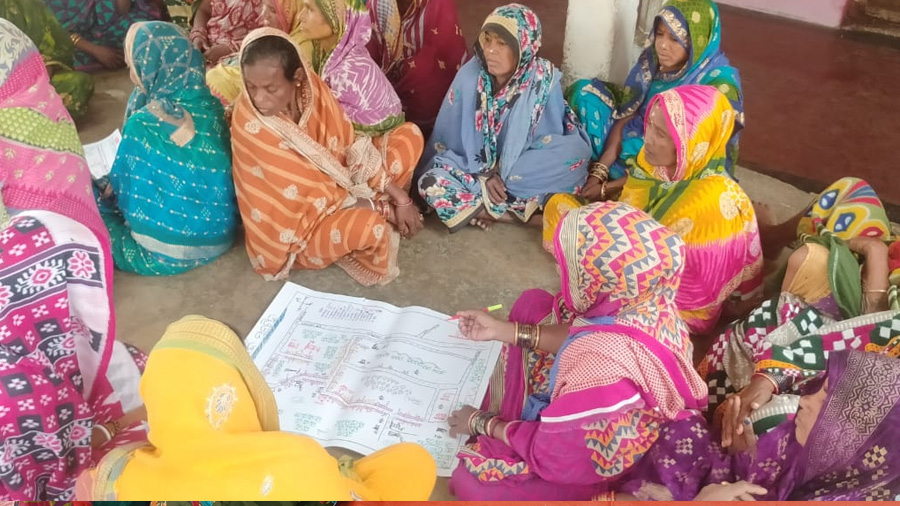
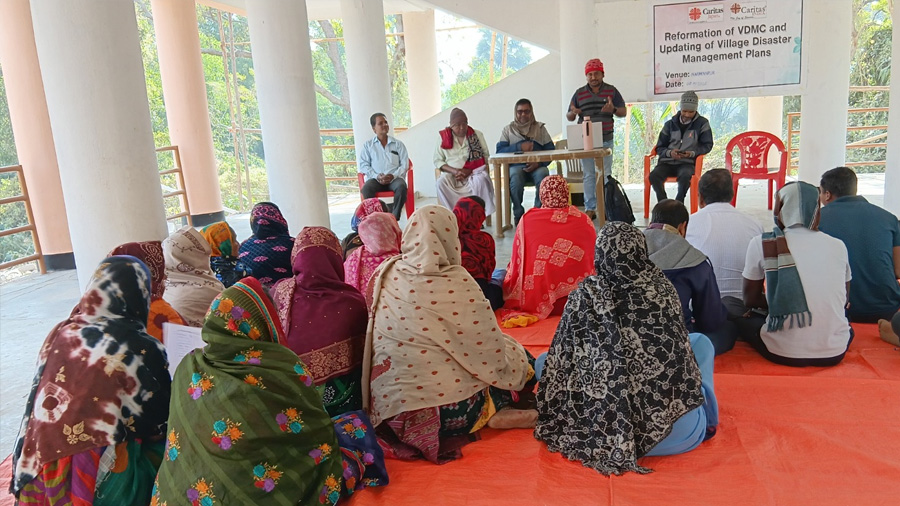
Within this larger framework, Caritas India has facilitated the reforming of Village Disaster Management Committees and the updating of Village Disaster Management Plans in four villages across Ganjam, Puri, and Balasore. Using Hazard, Risk, Vulnerability, and Capacity Assessment tools, communities mapped local hazards such as cyclones, floods, lightning, and heatwaves, identified vulnerable hamlets, schools, and households, and listed existing resources ranging from cyclone shelters to task forces and local boats. Women, Self Help Group members, ASHA and Anganwadi workers, Panchayat leaders, teachers, and youth all participated so that the revised plans reflect diverse needs, including those of children, older persons, and people with disabilities.
The updated VDMPs now move beyond generic checklists. They include village-specific early warning protocols, evacuation routes, shelter management arrangements, family-level preparedness measures, and links to resilient livelihoods. Household-focused actions such as Food Survival Kits, Medical Survival Kits, safe document storage, and simple preparedness behaviours are designed for replication across 6,032 families, directly reducing disaster vulnerability at the micro level. At the community level, pilot models like community kitchens in shelters, fodder and grain banks, low-cost lightning arresters, and flood or drought resilient crops provide practical mitigation options that also strengthen food security and climate resilience.
By bringing together community-led planning, Gram Panchayat Development Plan-based institutionalisation, and SDG-aligned strategies, the “Empowering Communities for Resilience Building in Odisha” project is shifting disaster management from a top-down, event-driven response to a locally owned, continuous practice. With support from Caritas Japan and facilitation by Caritas India, coastal and riverine villages are building a stronger foundation for safety and resilience, where updated plans, trained volunteers, and proactive Panchayats work in tandem to protect lives, assets, and livelihoods from growing climate-related risks.
Upcoming News
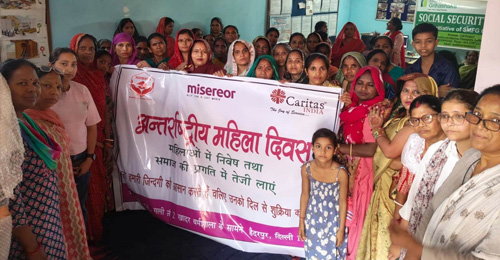
Migrant Women Workers Lead the Charge for Equality
For the 70 women gathered under the banner of the Pravasi Bandhu Program this week,...
LEARN MORE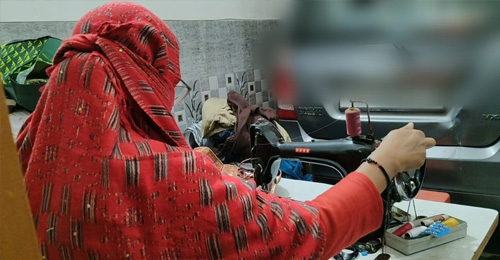
How One Mother Stitched Her Life Back Together
In a small, busy lane in Gokulpuri, there’s a sound that means everything to a...
LEARN MORE
Archbishop Dr. Linus Neli Takes the Helm at Caritas India
A new chapter of compassion has begun. Archbishop Dr. Linus Neli officially took charge as...
LEARN MORE 91 -11 - 2336 3390
  director@caritasindia.org


