
 91 -11 - 2336 3390
 director@caritasindia.org
Empowering Persons with Disabilities: OPDs Leading the Way
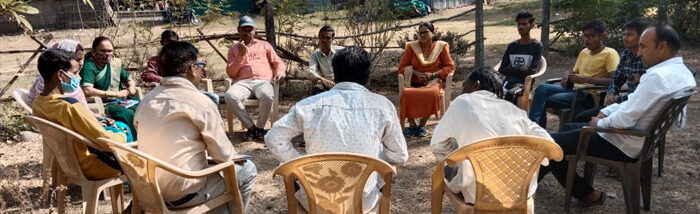
In our society, every individual with a diverse personality and ability contributes towards its richness. Among these contributors are the Organizations of Persons with Disabilities (OPDs), groups of individuals who work tirelessly to empower and include those with diverse abilities. Their mission is clear: to ensure that every person, regardless of their challenges, has a voice and a place in the community. In the green hills of Meghalaya, one such group, the District Organization of Persons with Disabilities (DOPD) in West Khasi Hills District, became a symbol of hope and change for many. Their story is one of unity, promotion, and the simple belief that everyone deserves respect and opportunity.
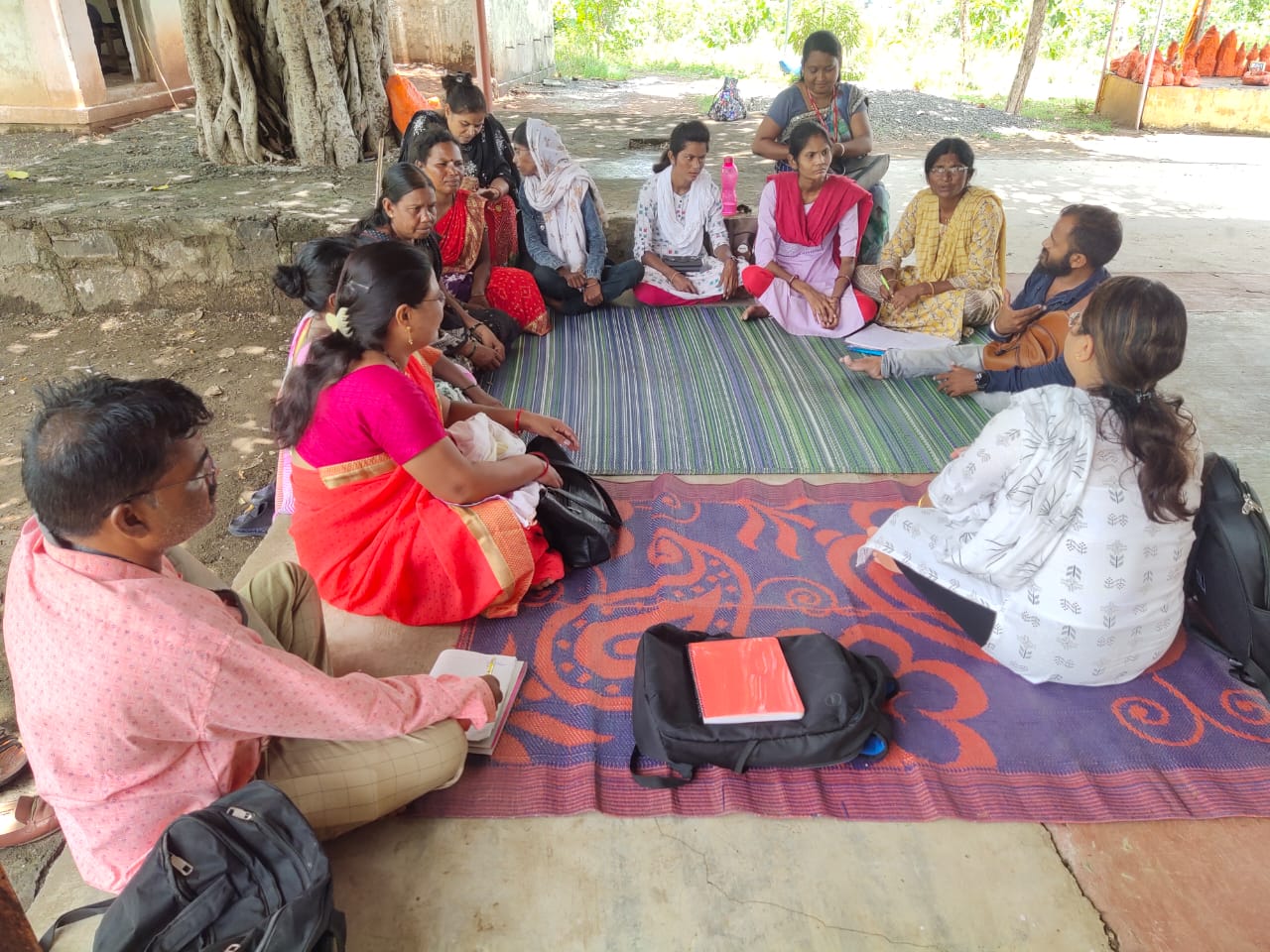
Caritas India Community-Based Rehabilitation has been implementing the programs in Meghalaya since 2009, promoting village-level Self-Help Groups (VSHGs) of people with disabilities across all program locations. In 2014, the DOPD emerged from the collaboration of three Block OPDs in Mairang, Nongstoin, and Mawthadraishan. Together, they embarked on a mission to empower individuals with disabilities, advocating for their rights and facilitating access to essential services. Their journey began with humble steps but quickly gained momentum as they worked tirelessly to address the diverse needs of persons with disabilities across various domains.
One significant milestone was their formal recognition under the Society’s Registration Act, providing a legal framework for their activities and operations. With this recognition, the DOPD solidified its position as a force for change, rallying individuals and organizations alike to join their cause.
Their efforts extended into every facet of life for persons with disabilities. From facilitating access to disability certificates and essential medical support to advocating for inclusive education and economic empowerment, the DOPD left no stone unturned. Through partnerships with local healthcare providers and NGOs, they ensured that PwDs received the care and support they deserved.
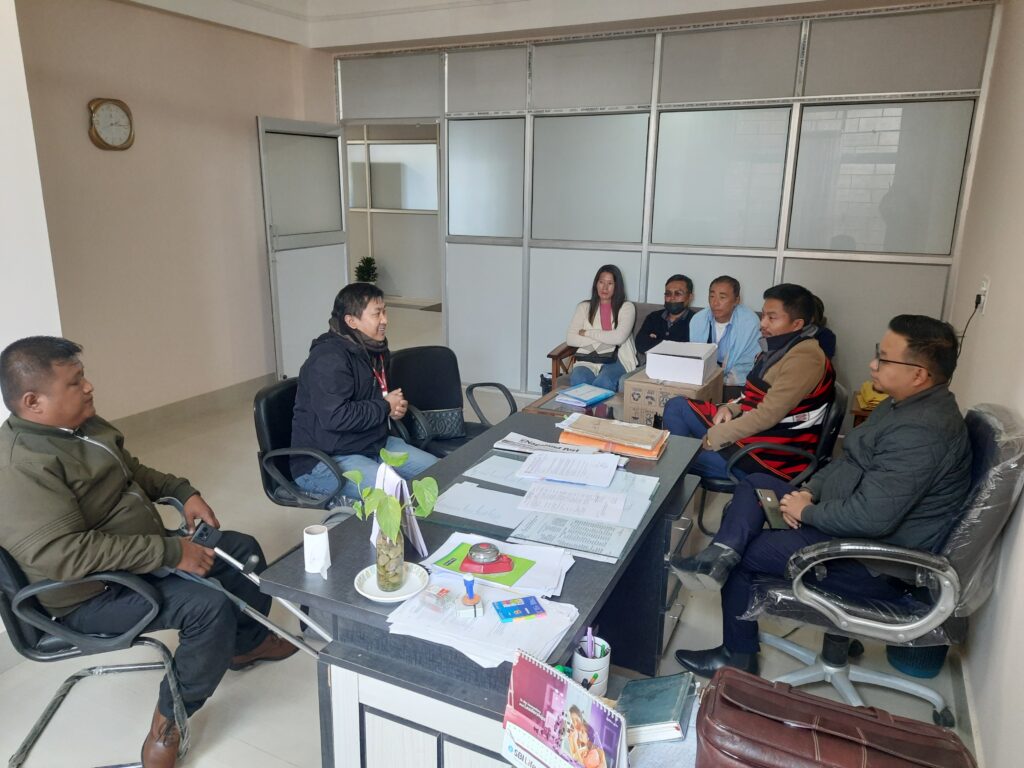
Education emerged as a key focus area for the DOPD. They worked tirelessly to integrate PwDs into mainstream educational settings, advocating for their rights and supporting their journey towards a brighter future. Economic empowerment was also prioritized, with the establishment of Village Self-Help Groups (VSHGs) to support PwDs in generating income and achieving financial independence. Through capacity-building training programs and access to grants and loans from government departments, they enabled PwDs to start their businesses and pursue livelihood opportunities.
In accordance with the Rights of Persons with Disabilities (RPD) Act 2016, the DOPD advocated for the appointment of dedicated members in the Meghalaya Public Service Commission (MPSC) and District Selection Committees (DSCs) to oversee job recruitment for PwDs. They emphasized the importance of identifying suitable positions for PwDs before advertising job vacancies to ensure inclusivity and accessibility in the recruitment process.
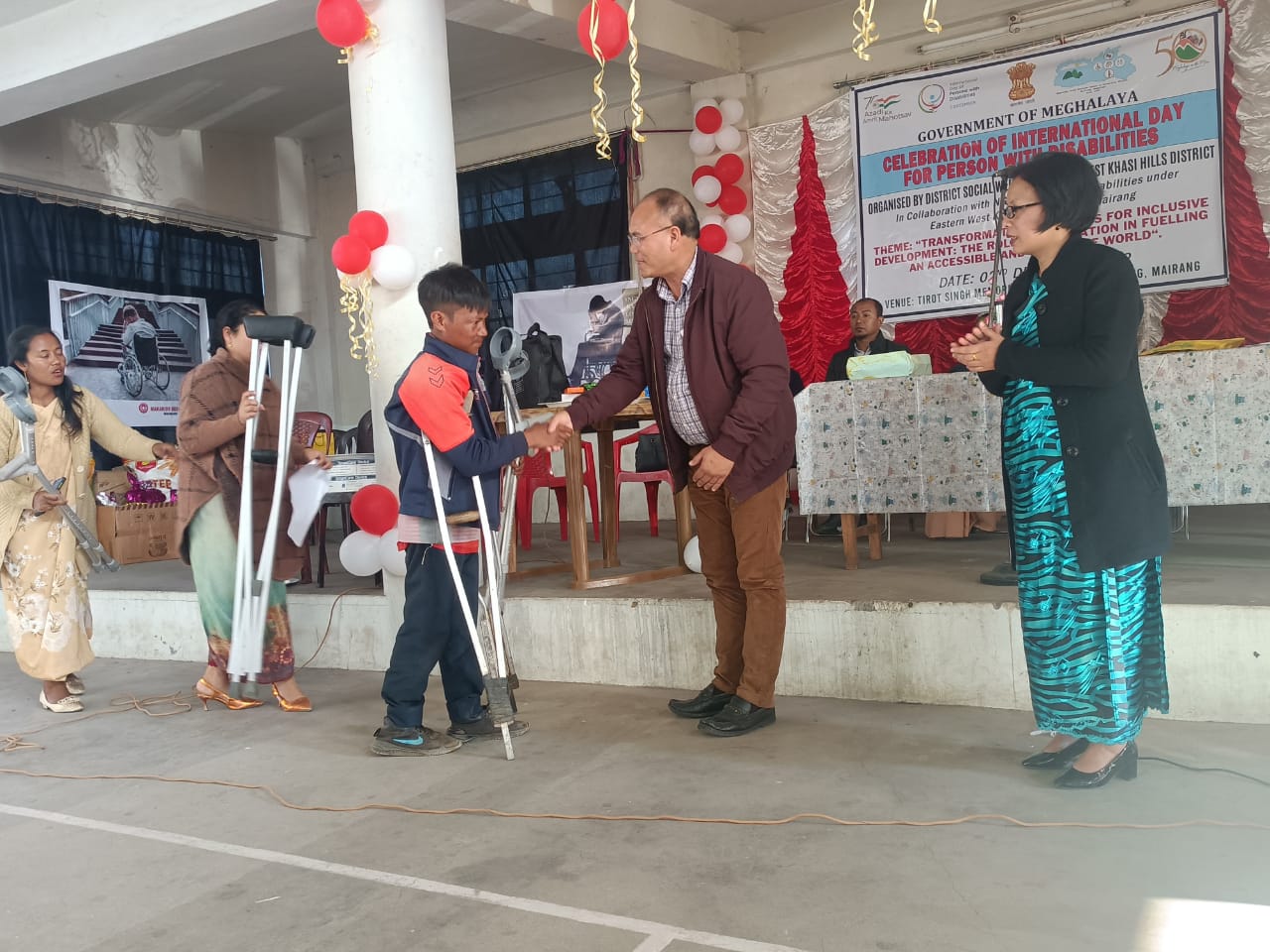
Their intervention bore fruit, resulting in tangible achievements such as individual ration cards for 261 PwDs, distribution of hearing aids benefiting 167 individuals, and provision of training programs equipping 20 PwDs with valuable skills for employment. Moreover, their relentless advocacy led to increased accessibility in government departments and public spaces, ensuring that PwDs could participate fully in society.
But perhaps the most remarkable aspect of the DOPD’s journey was its transformative impact on the community. Through extensive community awareness campaigns and advocacy efforts, they dispelled myths and misconceptions about disabilities, fostering understanding and acceptance within local communities.
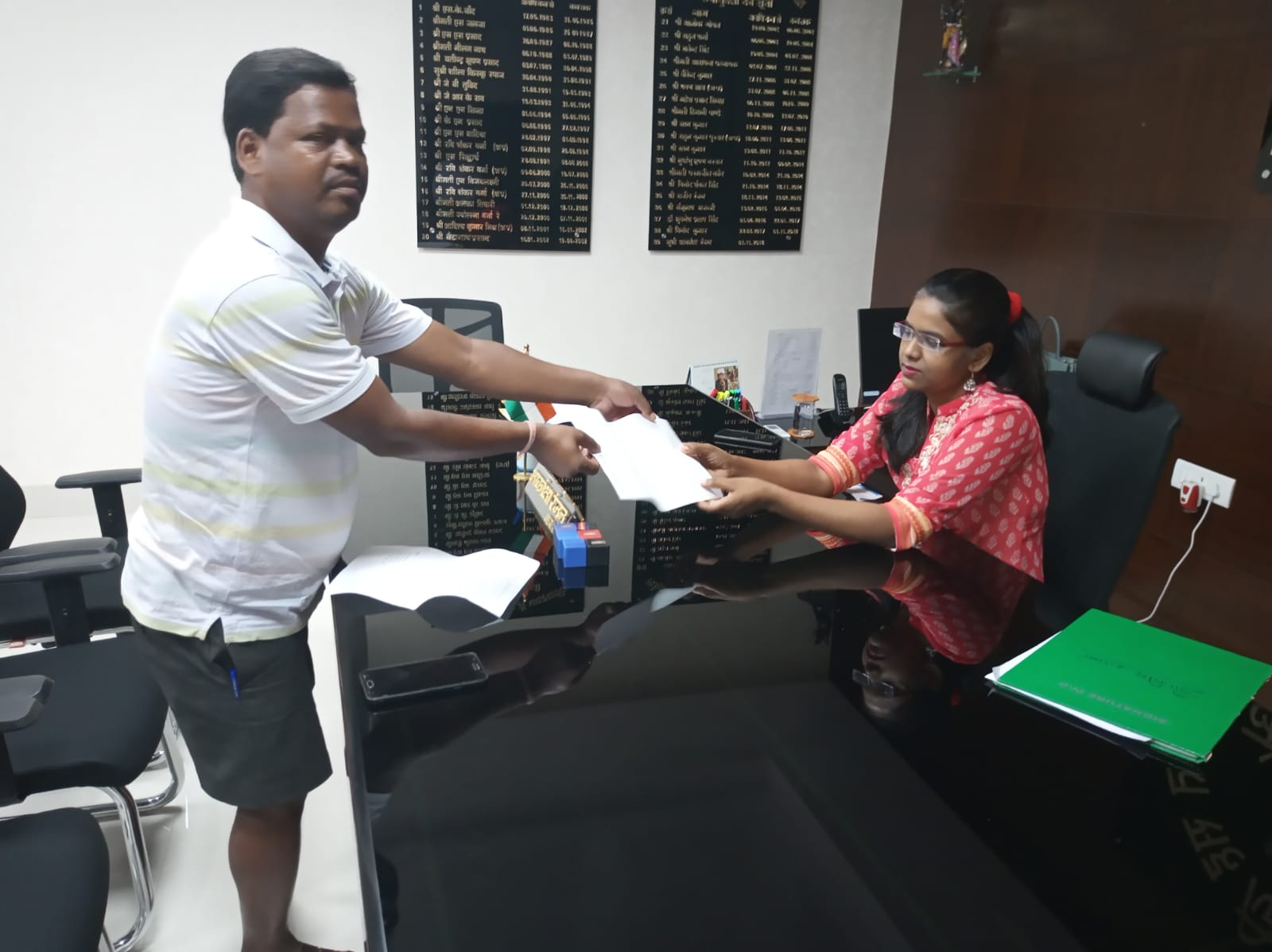
The DOPD’s proactive advocacy efforts have been central to their success. Since 2015, they have tirelessly urged for individual job cards under the Mahatma Gandhi National Rural Employment Guarantee Scheme (MGNREGS), resulting in positive government response and directives issued to Village Education Committees and Block Offices. They have organized interface meetings with various government departments to advocate for PwDs’ needs across health, education, livelihood, social, and empowerment domains. Additionally, they have addressed accessibility issues related to transportation in meetings with the Deputy Commissioner of Disabilities, prompting proactive action from officials to meet the needs of PwDs.
As the DOPD’s story unfolds, it serves as a reminder of the transformative power of collective action and advocacy. Their motto, “Forget Disabilities and Explore the Abilities,” encapsulates the spirit of resilience and determination that drives their success. Together with the Caritas India Community Based Rehabilitation (CI CBR) program, they continue to pave the way towards a more inclusive and equitable society for all.
Upcoming News
Khushaal Bachpan Sets Sights on Becoming a “Model Programme”
The Khushaal Bachpan (KB) programme will aim to become a model for child-centred development in...
LEARN MORE
Caritas India extends humanitarian assistance to cyclone affected families in Andhra Pradesh
Caritas India, in collaboration with Diocesan Social Services, has initiated humanitarian assistance for cyclone affected...
LEARN MORE
Madhya Pradesh dioceses learn from Kerala’s Biowin model to build farmer-owned agro-enterprises
Social service societies from across Madhya Pradesh were oriented on building sustainable, farmer-centred agro-enterprises at...
LEARN MORE 91 -11 - 23362735
 director@caritasindia.org


