
 91 -11 - 2336 3390
  director@caritasindia.org
 Every mind matters: Caritas India webinar champions a blueprint for communities of care

In a powerful convergence of expertise and empathy, a national webinar organized by Caritas India on World Mental Health Day issued a compelling call to move beyond clinical models and build a robust ecosystem of community-driven mental health support, asserting that true healing happens within a “community of care.”
Marking World Mental Health Day, Caritas India’s webinar on 10 October 2025, themed “Every Mind Matters – Build Communities of Care,” brought together leading mental health professionals and advocates for a profound discussion that reframed mental wellbeing as a collective social responsibility. The 125-minute session, held on Microsoft Teams, offered a comprehensive roadmap for integrating compassion into the fabric of communities, families, and educational institutions.

Setting the tone, Fr. Jesudass R., Executive Director of Caritas India, appreciated Roop Foundation and Rehoboth for their valuable partnership in journeying with Caritas India to build communities of care and inclusion. He stated, “Mental health is not just a medical concern but a human concern. It lies at the heart of dignity.

Every story of pain reminds us that healing begins not at institutions but in human relationships, in the way we listen, accompany, and stand with one another.”
The session, moderated by Mrs. Zoraida Samuel, managing trustee of Rehoboth, began with a stark reminder of the stakes involved. She shared, “In our work, we see the devastating intersection of mental illness, homelessness, and family abandonment. The stigma is still a wall that keeps people from the care they deserve.”
Mental health issues are not uncommon. They are a harsh reality fuelled by stress, anxiety, and the relentless pressure to perform, succeed, earn, and rise in life. These are experiences shared by almost every adult in society. She highlighted the findings of the National Mental Health Survey, revealing that 150 million people in India are living with mental health challenges, and 83% of them do not seek or receive professional help. This alarming context formed the backdrop of the discussion. She also shared insights into Rehoboth’s work and outreach.
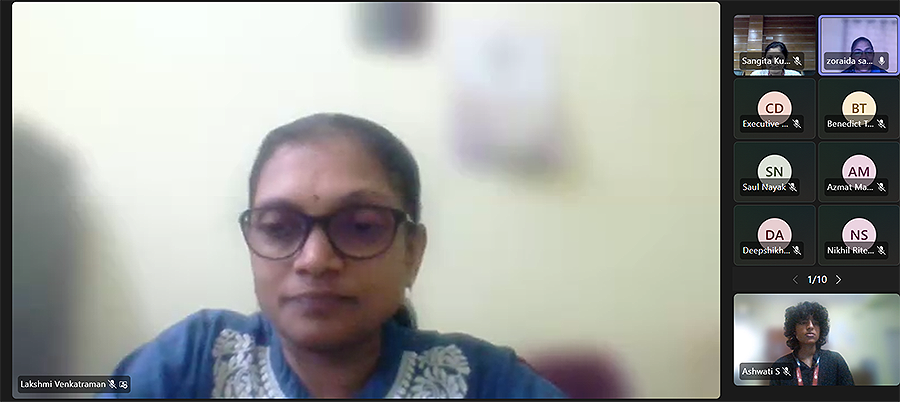
Dr. Lakshmi Venkataraman from the Schizophrenia Research Foundation (SCARF) empowered participants with practical tools from Cognitive Behavioral Therapy (CBT) through her session on mental health and psychosocial well-being. “Healing begins with self-awareness,” she stated. “It is not about never feeling stressed, but about changing our attitude toward worry. Small habits such as identifying distorted thought patterns and practicing gratitude can build essential resilience.”
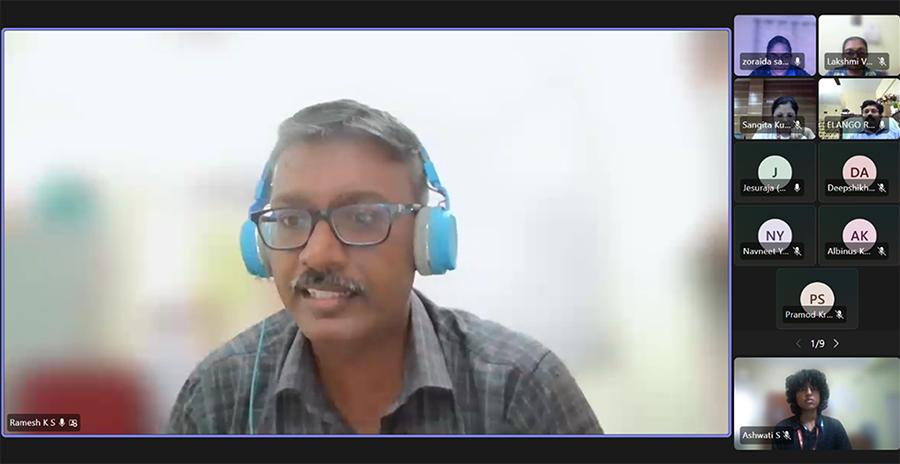
Dr. K. S. Ramesh from the Banyan Academy of Leadership in Mental Health shifted the focus from the individual to the collective, championing initiatives like NALAM and Namaku Naamey. He moved the audience with a story of resilience, noting, “We met a person who was recovering, and he did not just rebuild his own life. He moved back to Trichy and now runs a home for others on the same journey. This is the essence of community. It is about resting, not quitting.”
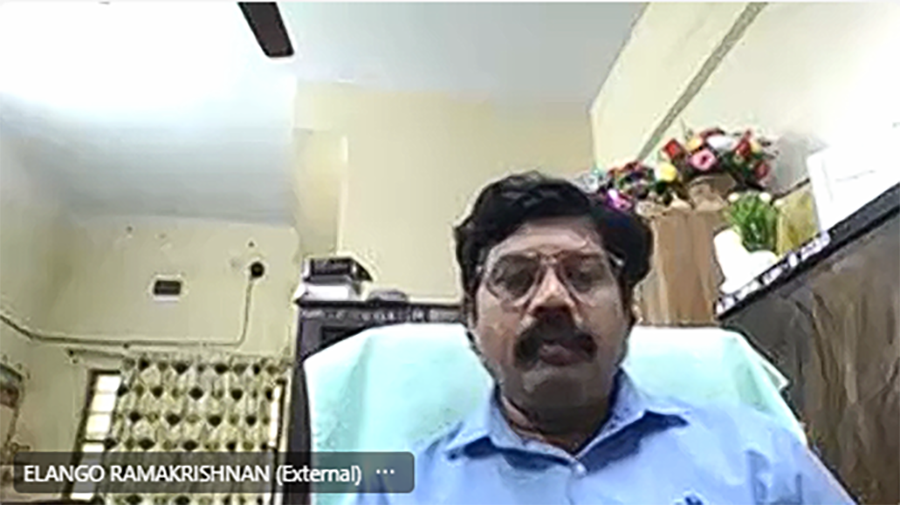
Making a strong case for empowering psychiatric nurses, Mr. Elango Ramakrishnan from the Institute of Mental Health, Chennai, said, “They are critical change agents, not just in clinics but in communities. By enhancing their training and using technology like Tele-MANAS, we can bridge the heartbreaking accessibility gaps that leave millions behind.”
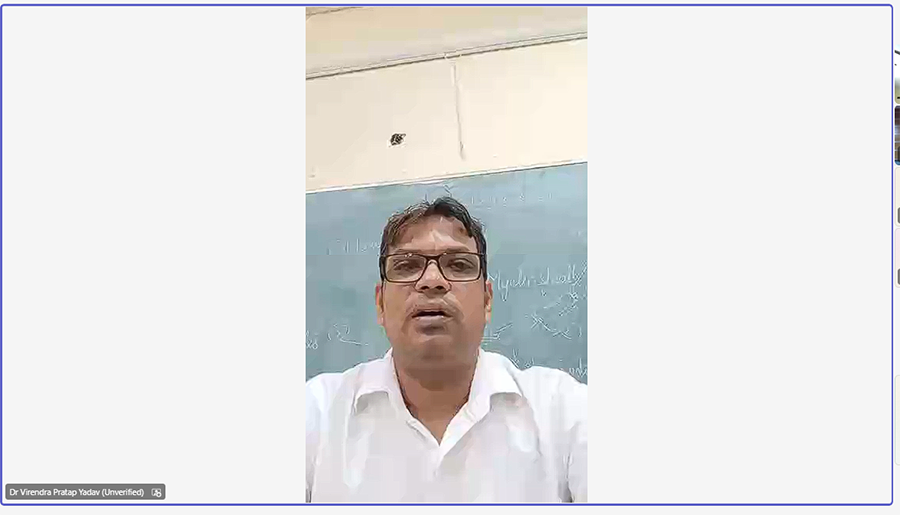
Dr. Virendra Pratap Yadav from the University of Delhi highlighted the role of education. “Gender-based pressures and societal expectations are profound stressors,” he explained. “Our educational institutions must be the front line in rebuilding social ecosystems. The goal is to create not just successful students but good human beings who are sensitive and inclusive.”
The interactive segment saw participants raising pointed and reflective questions, underscoring the urgency of addressing mental health as a shared societal concern.
The webinar concluded with a clear consensus. While professional care remains vital, the sustainable solution to the mental health crisis lies in empowering communities, de-stigmatizing conversations, and embedding care in every layer of society. The event stood not merely as a discussion but as a national call to action to build a world where every mind truly matters.
Upcoming News
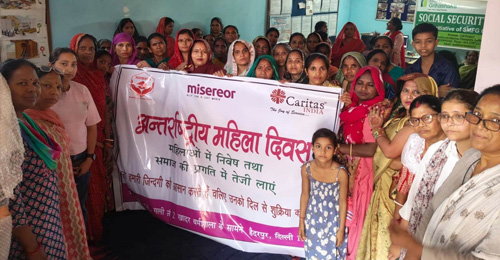
Migrant Women Workers Lead the Charge for Equality
For the 70 women gathered under the banner of the Pravasi Bandhu Program this week,...
LEARN MORE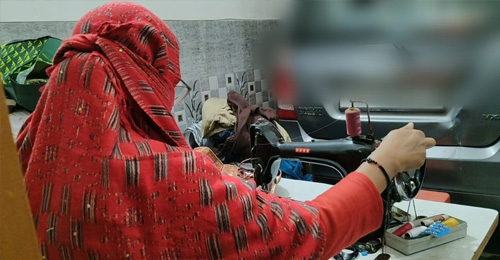
How One Mother Stitched Her Life Back Together
In a small, busy lane in Gokulpuri, there’s a sound that means everything to a...
LEARN MORE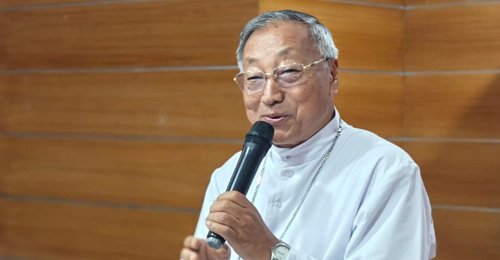
Archbishop Dr. Linus Neli Takes the Helm at Caritas India
A new chapter of compassion has begun. Archbishop Dr. Linus Neli officially took charge as...
LEARN MORE 91 -11 - 2336 3390
  director@caritasindia.org


