
 91 -11 - 2336 3390
  director@caritasindia.org
 FCRA Amendment 2026 Explained: What Every Indian NGO Needs to Know About Compliance
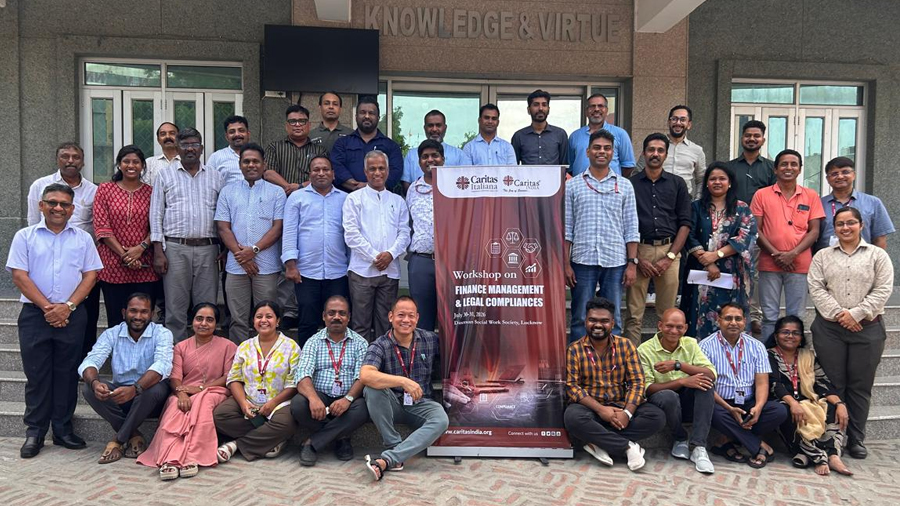
Finance personnel, Forum Directors, and Coordinators from across India gathered in Lucknow this week for a two day Finance Management Training focused on strengthening financial systems and deepening compliance with India’s foreign funding laws, a step organisers say is essential to keeping donor trust intact across the nonprofit sector.
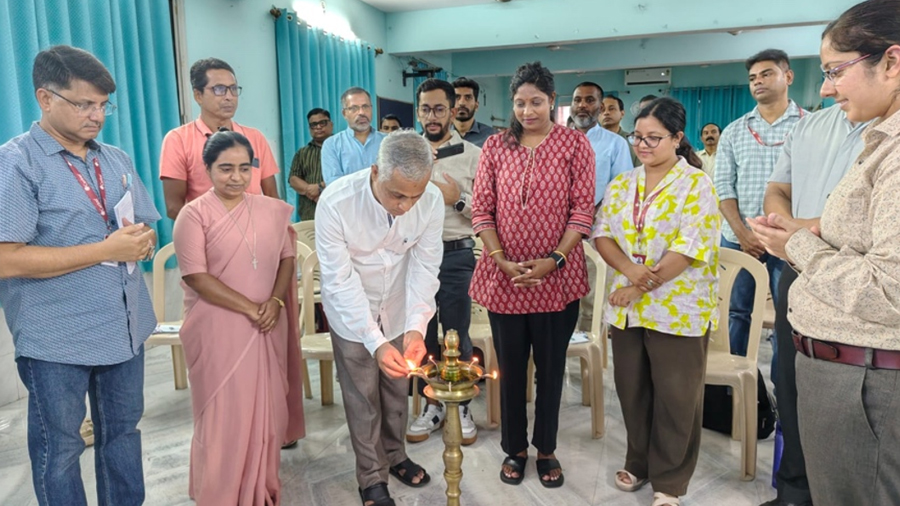
The workshop was held on 30 and 31 July 2026 at the Diocesan Social Work Society, Lucknow, with support from Caritas Italiana. It brought together participants from different regions of the country for what organisers described as a platform to strengthen financial management, improve statutory compliance, and build lasting capacity within partner organisations working across India’s development and humanitarian sector.
“Transparency, accountability, and integrity are the cornerstones of effective financial management,” said Fr. Jessudas, Executive Director of Caritas India, delivering the keynote address. He stressed the importance of strong financial systems for efficient programme delivery and responsible stewardship of donor resources, and urged participants to use the training to deepen their understanding of legal compliance, procurement, and financial systems while learning from one another’s experience.
Understanding FCRA Amendment 2026: The WWW Compliance Framework
Much of the first day focused on the Foreign Contribution Regulation Act, Amendment 2026, and what it means in practice for NGOs receiving funds from abroad. Resource person Mr. Subhajit Sahoo walked participants through the changes, explaining how the latest amendment builds on reforms introduced in 2020 and procedural updates from 2022, all aimed at greater transparency and stricter accountability for foreign contribution recipients.
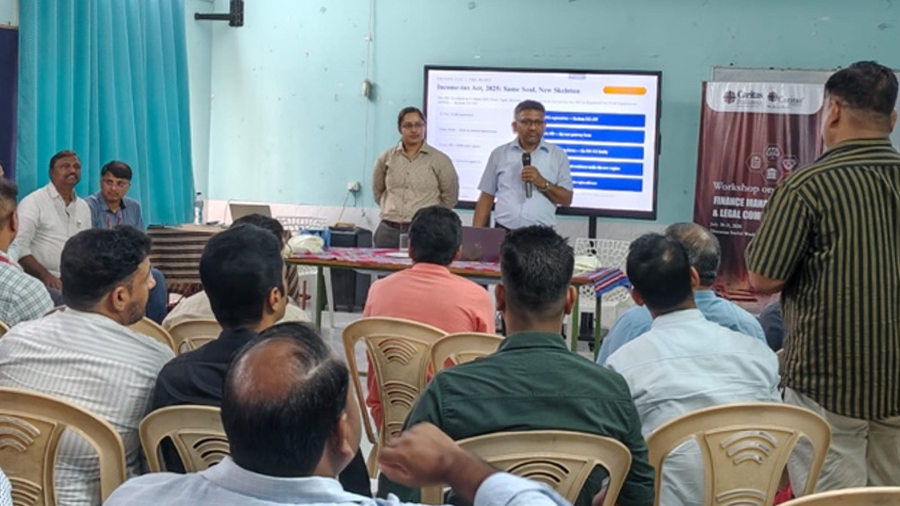
He broke the law down into what he called the WWW framework, a simple way of remembering three FCRA compliance pillars: Who you are, What you do, and Where you operate.
Who: Organisations must keep leadership and governance information current with the Ministry of Home Affairs, with office bearers now carrying greater individual responsibility.
What: Organisations can only carry out activities approved under their FCRA registration, with any change requiring prior ministry approval.
Where: Project implementation must stay within approved operational areas, with expansion to new states requiring formal clearance first.
Sahoo also flagged a detail many NGOs overlook: interest earned on FCRA bank accounts counts as foreign contribution and must be accounted for accordingly, alongside comprehensive annual reporting on activities, expenditure, and beneficiaries.
Procurement Policy and Financial Documentation for NGOs
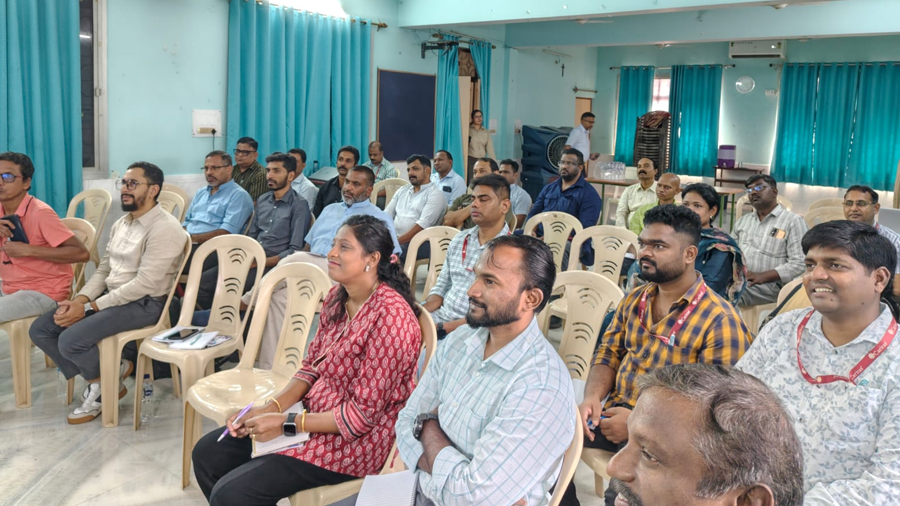
Day two shifted from regulation to daily financial operations. Mr. Nishant Jose opened with a recap of the previous day before Ms. Neha led participants through the procurement process using a hands on group exercise, having them arrange procurement steps in the correct sequence to understand why each stage matters. Procurement policy, she noted, functions like a rulebook that safeguards financial accountability, one that cannot be bypassed even under the pressure of an emergency response.
Mr. Shekhar Limbu followed with a session on financial documentation, giving participants a practical checklist covering procurement, workshops, contractor hiring, voucher submission, and cash handling, along with clear guidance on what to do and what to avoid when submitting bills.
Real World Lessons from Disaster Response Financial Management
A powerful example came from Fr. Senoj Thomas, Director of CSSS, Jammu Srinagar Diocese, who described how his team responded within hours of a disaster, requesting emergency funds from Caritas India and moving quickly through proper procurement and documentation to support over 500 families. His account illustrated how sound financial systems are not just paperwork but the backbone of fast, credible disaster response.
Ms. Sunita, Finance Associate at Caritas India, closed the technical sessions with reflections on good financial practices that keep development projects sustainable over the long term.
NGO Leaders Commit to Stronger Financial Transparency
In the closing session, Forum Directors and senior Caritas India leaders reflected on what the training meant for their organisations. Fr. Richard Pious, Director of KROSS, speaking on behalf of the Forum Directors, pointed to three takeaways: financial policies need updating, procurement policy deserves greater recognition, and the letter of intent carries real significance. He called on fellow directors to treat legal compliance not as a formality but as a genuine commitment to transparency.
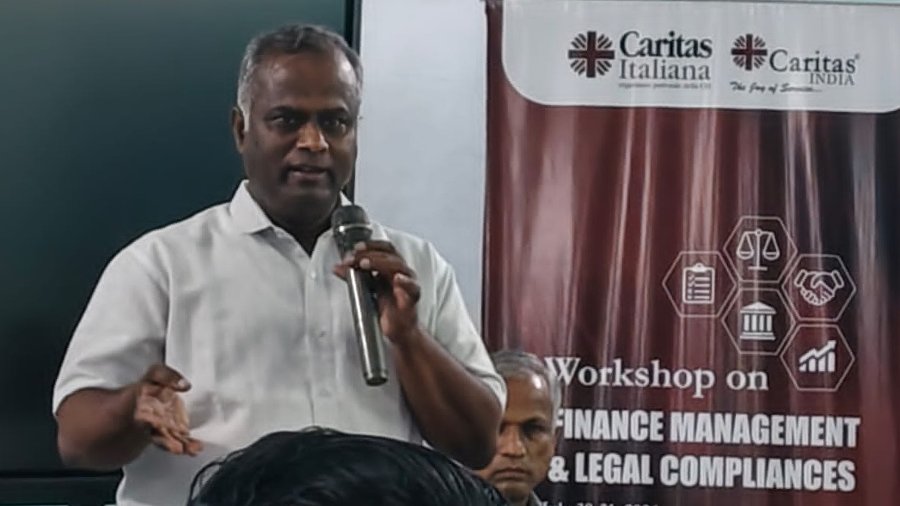
Fr. Julian Fernando, Administrator at Caritas India, described finance as an art that depends on sound judgment as much as procedure. He urged every Forum to put a financial policy in place and to carry the lessons of the workshop back into daily practice, calling it a step toward stronger, more accountable NGOs across the network.
As Caritas India continues to expand its humanitarian and development work across India, this training reflects a quieter but equally vital part of the mission: ensuring every rupee entrusted by donors is tracked, protected, and used exactly as intended under the FCRA framework.
Upcoming News
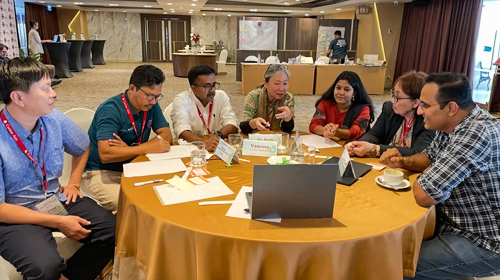
Caritas India Showcases Grassroots Resilience and Women in Leadership at Bangkok Humanitarian Forum
Caritas India placed grassroots climate adaptation and women’s leadership at the centre of regional disaster...
LEARN MORE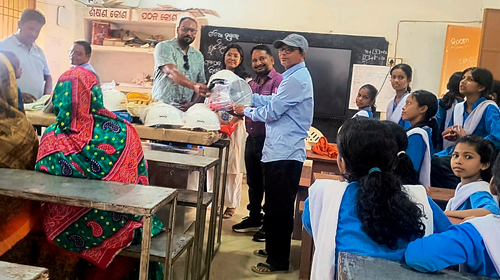
Odisha Schools Armed for Disasters as Caritas India Equips Coastal Classrooms
Caritas India has handed over specialized Comprehensive School Safety Kits to four vulnerable educational institutions...
LEARN MORE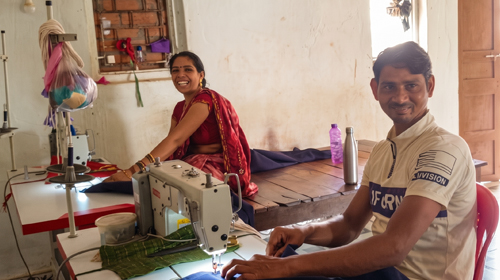
How Family Livelihood Built a Khushaal Bachpan in Bastipara
In Bastipara, a small hamlet of Kevradih village under Sirri Panchayat, Chhattisgarh most families depend...
LEARN MORE 91 -11 - 23362735
  director@caritasindia.org


