
 91 -11 - 2336 3390
  director@caritasindia.org
 He stitched other people’s lives together for 35 years but HIV unravelled his own
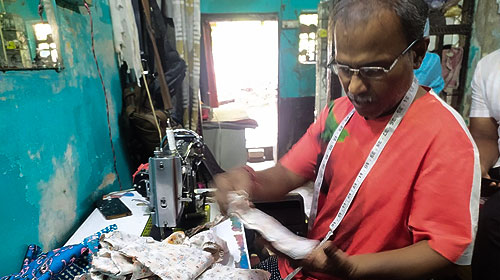
When Kishor Kumar’s wife passed away and an HIV diagnosis shattered what remained of his world, he thought the needle and thread that had fed his family for three and a half decades were gone forever. He was wrong.
Kishor Kumar is 57 years old. For most of his adult life, the hum of a sewing machine was the sound of stability. From a small dwelling in Nand Nagari in East Delhi, he cut, stitched, and hemmed his way through every school fee, every hospital bill, every lean month. Tailoring was not just work. It was who he was.
Then grief arrived first. After losing his wife, Kishor found himself alone, managing a household and a livelihood with no anchor. Shortly after, his body began to speak in alarming ways: fever, weakness, a stomach that refused to cooperate, food that would not go down. At a government hospital, the diagnosis confirmed his deepest fear for being positive. And alongside it, Hepatitis C.
“My heart was broken into pieces. I did not know how to go on.”
Kishor Kumar, tailor, Nand Nagari
The stigma that followed was swift and isolating. Neighbours distanced themselves. His hands, once steady and purposeful, now trembled with illness and despair. His old sewing machine sat in the corner, breaking down as often as he did.
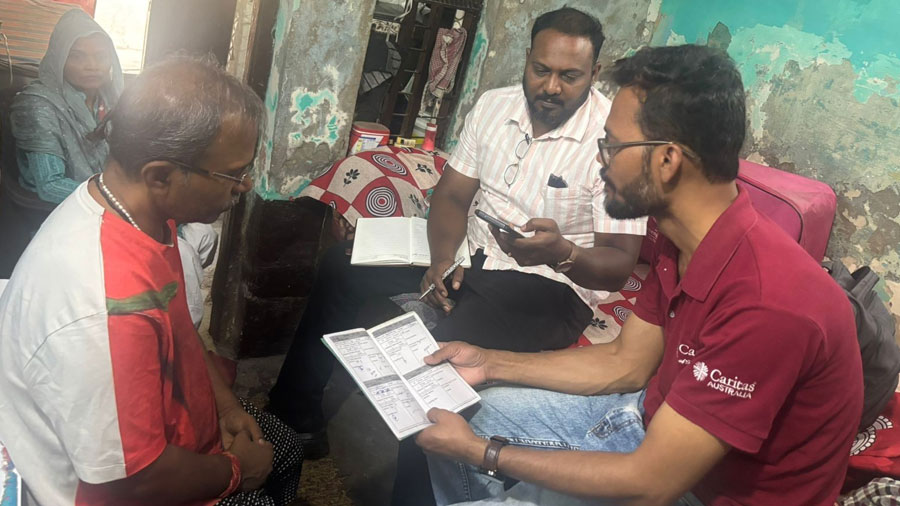
It was during this period that the outreach team from the Caritas India Gram Nirman Programme, supported by Caritas Australia, found him. They did not arrive with pity. They arrived with a plan.
What followed was not a single intervention but a sustained relationship. Counselling sessions helped him name his grief and begin to let it go. Nutrition support and dry rations ensured he could take his antiretroviral medication without facing the cruelty of an empty stomach. Orientation sessions on medication adherence, home-based care, and government welfare schemes gave him agency over a life that had felt utterly out of control. He attended every session. He never missed one.
When the programme team recognized that his livelihood remained the missing piece, they acted. In 2025, Kishor received a new sewing machine through the income-generation support component of the programme. The old one had been a source of frustration for years, its malfunctions eating into his already thin margins. The new machine was more than equipment. It was a declaration that his skills still mattered and that his future was worth investing in.
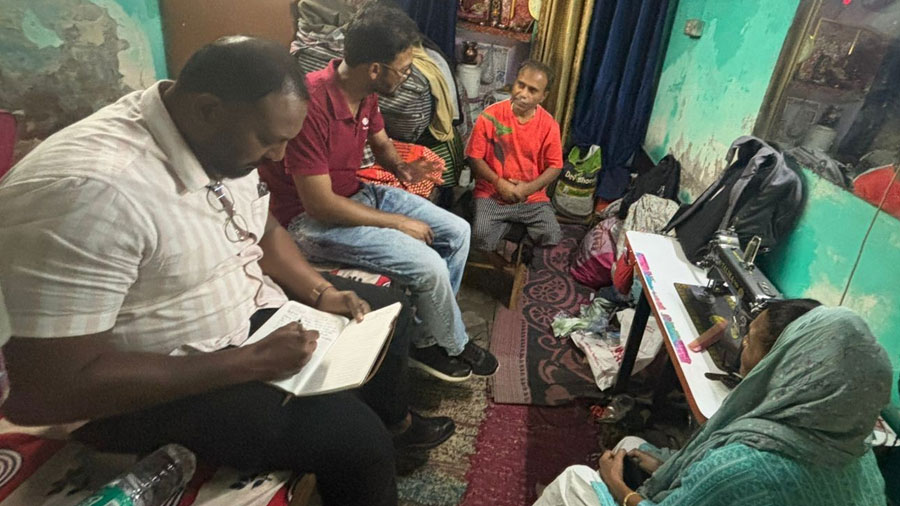
The field team did not stop there. They walked Kishor through the paperwork maze of government welfare entitlements, coordinating directly with the Delhi State AIDS Control Society to enrol him in the HIV nutrition support pension. When a documentation gap stalled his payments, the team resolved it. Within months, INR 35,000 in arrears landed in his bank account. For a man who had recently been unable to afford medicines, this was transformative.
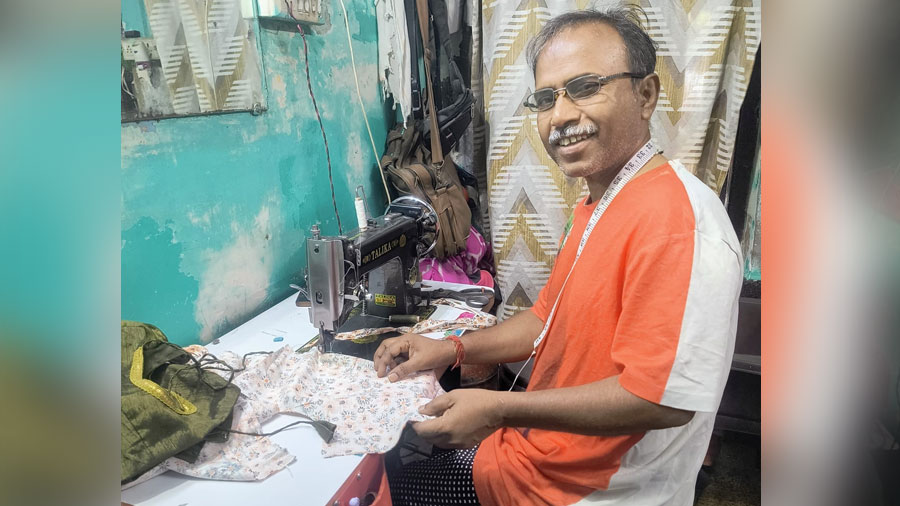
Today, Kishor earns between INR 15,000 and 18,000 a month. He buys his own medicines. He manages his own nutrition. He talks to his neighbours again. And he is saving, quietly and determinedly, toward renting a small shop where his tailoring business can finally have a door to call its own.
“They stood beside me when no one else would. I have my confidence back. I have my dignity back.”
Kishor Kumar, on the Gram Nirman Programme
Kishor Kumar’s story is not exceptional because of its hardship. Across India’s urban settlements, thousands of people living with HIV navigate the same compound cruelty of illness, poverty, stigma, and invisibility. What makes his story matter is what interrupted that spiral: the consistent, unhurried presence of a programme that understood that no single intervention, not medicine, not money, not counselling alone, would be enough. It took all of it, together, over time.
The Caritas India Gram Nirman Programme, supported by Caritas Australia, operates at precisely this intersection of health and humanity. It does not treat people as beneficiaries to be processed. It treats them as neighbours to be walked alongside until they can walk on their own.
Kishor Kumar is walking on his own now. And the sound of his sewing machine, steady and purposeful once again, is the only proof anyone needs.
Upcoming News
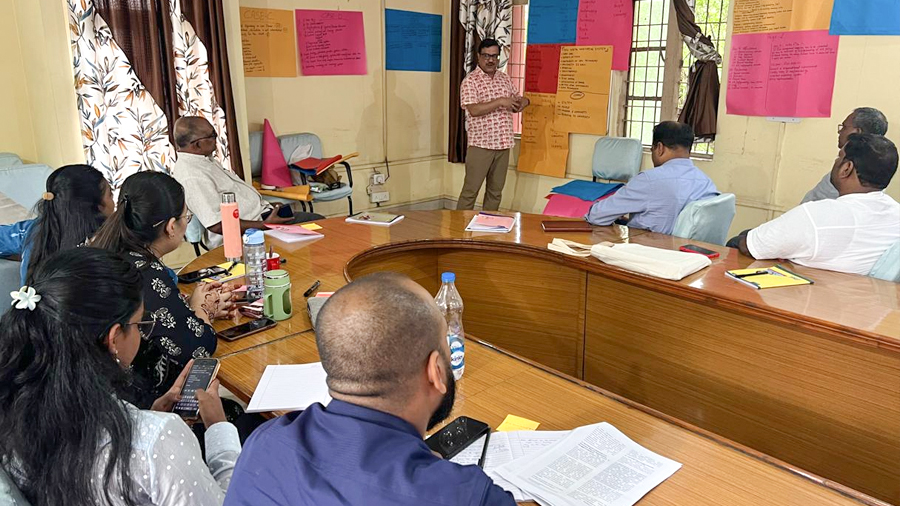
When NGOs Grow, What Breaks First? Caritas India Tackles the Answer in Raipur
Three-day workshop arms executive leaders with governance tools, a 20-policy framework and practical fixes for...
LEARN MORE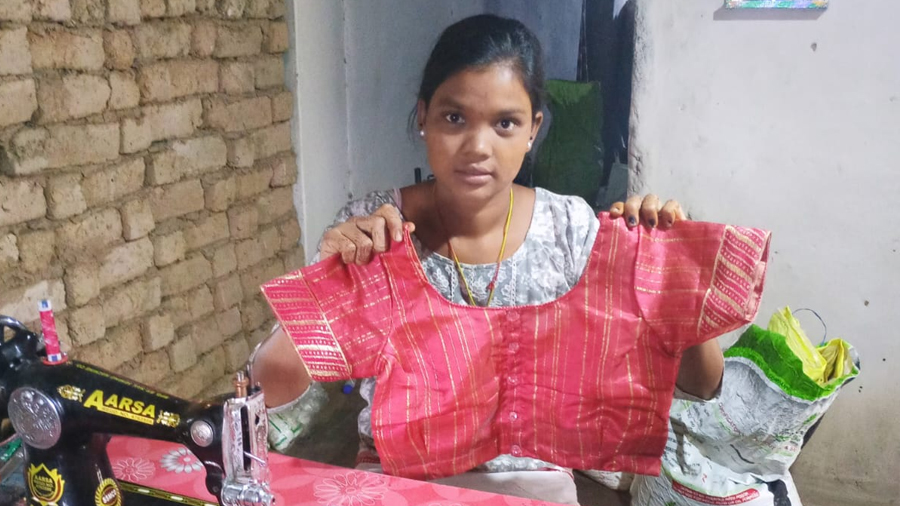
Nine Kilometres Through the Jungle: How Poornima Stitched Her Own Future
For 19 year old Poornima Rawat of Rajamma village in Lailunga block of Chhattisgarh's Raigarh...
LEARN MORE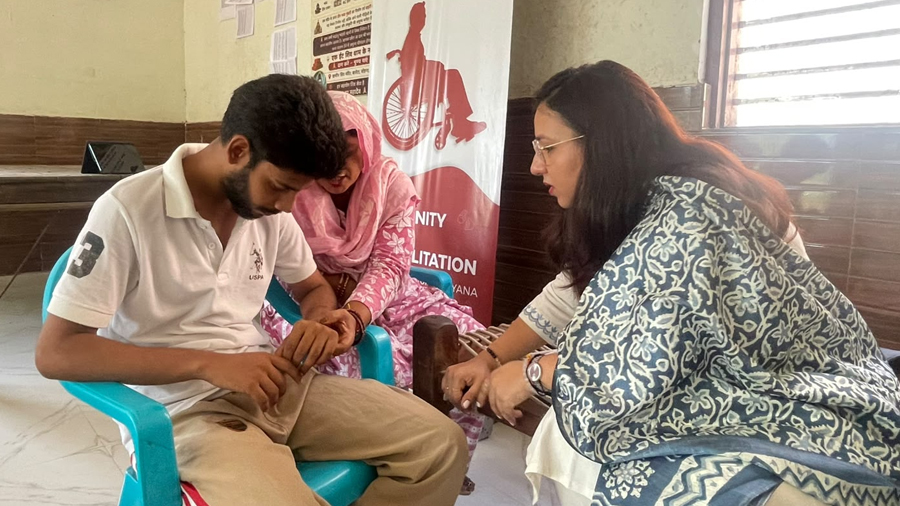
In a Nuh Village, People Living With Mental Illness Finally Got to Speak, and Be Heard
Nine people sat in that room in Barota village, Nuh district, Haryana, each carrying a...
LEARN MORE 91 -11 - 23362735
  director@caritasindia.org


