
 91 -11 - 2336 3390
  director@caritasindia.org
 Indigenous sprays cut deadly rice pest by 70 percent
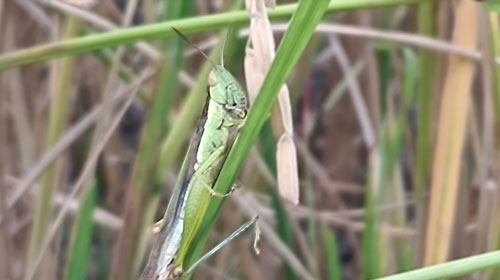
Two tribal women farmers used indigenous knowledge, organic extracts, and collective action to cut pest damage by 70% without a single synthetic pesticide.
Every September, the Surri arrives. Farmers in the tribal paddy belt of central India know it by its smell before they see it. A sharp, sour stench rising from fields that should be filling with grain. The Gundhi bug, a greenish-brown insect barely 20 millimetres long, has a needle-like mouth it drives into developing rice grains and sucks them hollow. In a bad year, it takes 30 percent of the harvest. In an unmanaged year, 50.
For most farmers here, the only answer anyone offered was the chemical spray. But pesticides cost money many smallholder families do not have, they kill the spiders and dragonflies that keep pest populations in natural check, and they leave the soil weaker for the next season. The cycle repeats: more chemicals, fewer natural predators, worse infestations.
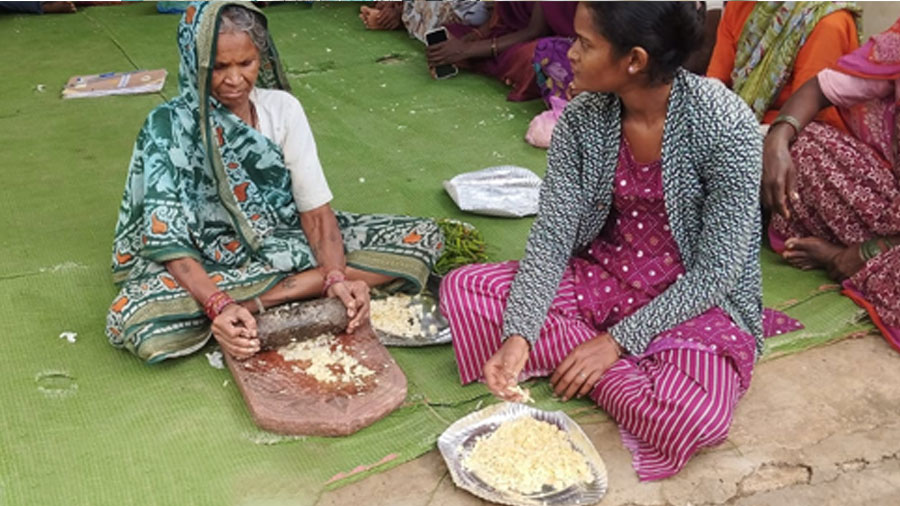
Mrs. Sima Varkhede from Dhouranala village and Mrs. Jyoti Sarote from Surajpura village decided the cycle needed to end. During the September 2024 sessions of the SAFBIN Farmer Field School, when Surri pressure was at its seasonal peak and farmers were sharing losses across the group, the two women proposed something different. Not a new chemical. An experiment using what they already knew.
Working with fellow Farmer Field School members, they conducted a vulnerability assessment of their fields and set up On-Farm Adaptive Research plots, known as OFAR, to trial a three-pronged approach drawn entirely from cultural practice, mechanical method, and biological knowledge rooted in their own land.
The OFAR three-pronged approach
Culturally, they ensured timely sowing, cleared weeds and grasses from field edges that serve as Surri breeding grounds, avoided hybrid varieties known to be more susceptible to the pest, and destroyed crop residues after harvest to break the insect’s life cycle before the next season.
Mechanically, they hand-netted and hand-picked adult insects during the early morning and evening hours when the bugs are least active, and installed light traps overnight to draw and capture them at scale.
For biological and organic control, they prepared Dasparni and Lamit extracts, each mixed at one litre to ten litres of water, and applied them two to three times at six-to-eight-day intervals. Critically, they also protected the natural predators already present in their fields: spiders, dragonflies, and parasitoid insects that regulate Surri populations when given the conditions to thrive.
Biologically, the Dasparni and Lamit extracts are not laboratory products. They are locally prepared formulations that farming communities in the region have known for generations but had largely abandoned under the pressure of commercial agriculture. The OFAR framework gave that traditional knowledge a structure: trial plots, recorded observations, and direct comparison against untreated fields in the same season.
The results spoke clearly. Following the organic treatments, the farmers recorded a 60 to 70 percent reduction in the Surri population across their plots. Rice plants remained visibly healthier. Grain filling improved significantly compared to untreated fields, and overall yields rose by 15 to 20 percent. Production costs fell. Soil fertility was preserved. And the ecological balance that chemical pesticides had been steadily dismantling began to restore itself.
Mrs. Varkhede, reflecting on the shift in her own practice, said: “Dependence on chemical pesticides has reduced. We are now adopting local organic solutions and natural methods. Organic methods ensure the safety of crops, farmers, and the environment.”
Mrs. Sarote put the distinction more precisely: “This is pest management, not pest elimination. Our fields are healthier now.”
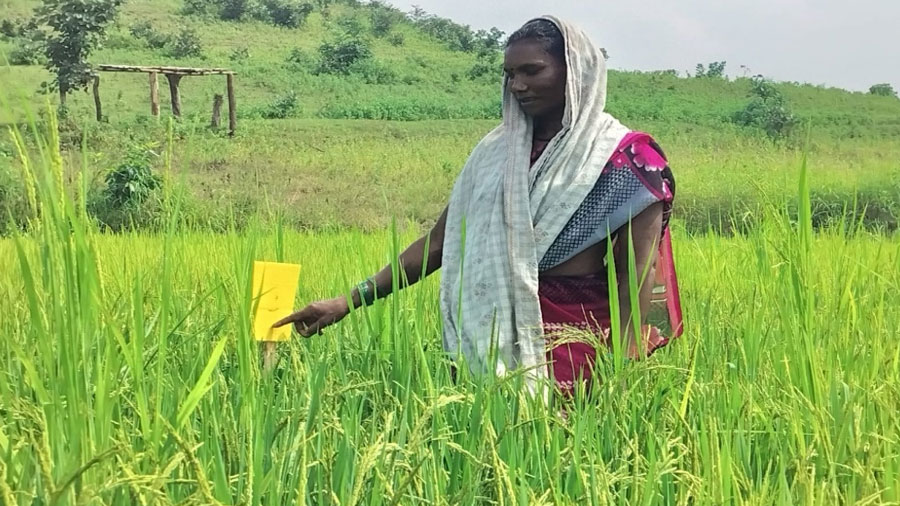
That distinction matters more than it might appear. Pest elimination, the operating logic of synthetic chemical use, treats a field as a battlefield. Pest management treats it as an ecosystem. The Surri exists alongside the natural predators that keep it in balance, and alongside the soil organisms that make future harvests possible. The OFAR approach did not try to erase the insect. It tried to restore the conditions under which the insect could not dominate.
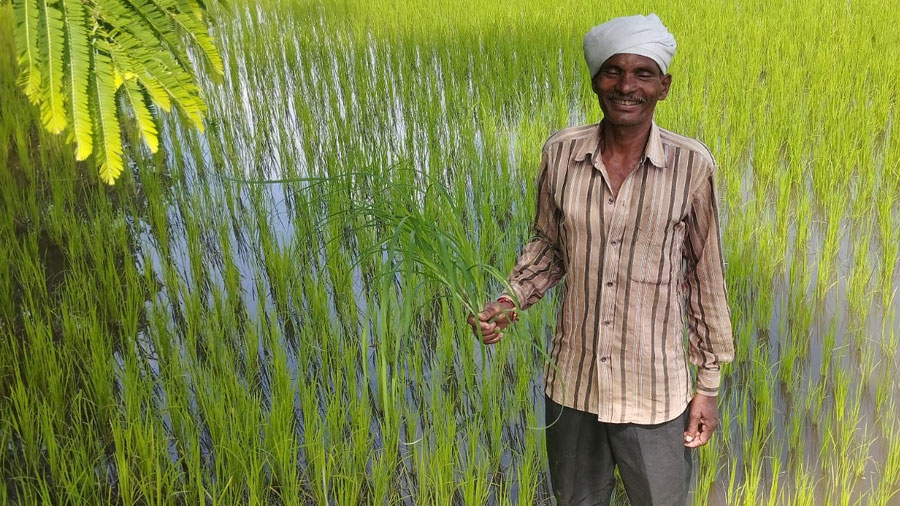
The results from the two trial plots did not stay there. As findings were shared across subsequent Farmer Field School sessions, neighbouring farmers who had watched with cautious interest began adopting the same practices. The learning moved across village boundaries without a budget line or a distribution system. It travelled through conversation.
In a period when climate change is making growing seasons less predictable, pest pressures more intense, and chemical inputs simultaneously more expensive and more restricted by regulators, the value of that kind of knowledge compounds. What Mrs. Varkhede and Mrs. Sarote demonstrated is not simply a technique that worked one season in two villages. It is evidence that the knowledge to solve local agricultural problems often already exists locally, that women farmers are its most capable holders, and that a programme willing to create space for collective experimentation can turn that knowledge into documented, replicable impact.
Upcoming News
When NGOs Grow, What Breaks First? Caritas India Tackles the Answer in Raipur
Three-day workshop arms executive leaders with governance tools, a 20-policy framework and practical fixes for...
LEARN MORE
Nine Kilometres Through the Jungle: How Poornima Stitched Her Own Future
For 19 year old Poornima Rawat of Rajamma village in Lailunga block of Chhattisgarh's Raigarh...
LEARN MORE
In a Nuh Village, People Living With Mental Illness Finally Got to Speak, and Be Heard
Nine people sat in that room in Barota village, Nuh district, Haryana, each carrying a...
LEARN MORE 91 -11 - 23362735
  director@caritasindia.org


