
 91 -11 - 2336 3390
  director@caritasindia.org
 How a village began redesigning governance through Children’s lens
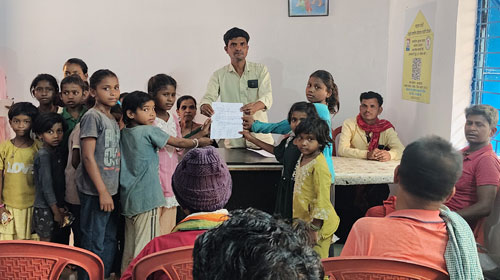
For the first time in Kawad village of Bastar district, children stood before the Gram Sabha and submitted their demands directly to the Panchayat, raising issues that had long remained absent from village development discussions. Their application called for a playground, a village library, improved drinking water facilities, and restoration of the school playground that had become unusable due to dumped soil.
The participation of children in the April 14 Gram Sabha marked a significant shift in how local governance is being practiced in the village. Though Children are not formal members of Gram Sabha, but they can participate as part of their Bal Sabha to raise issues on education, health and safety. What is traditionally viewed as an adult platform, the Gram Sabha is now gradually becoming more inclusive, with children beginning to influence conversations around development, education, safety, and wellbeing.
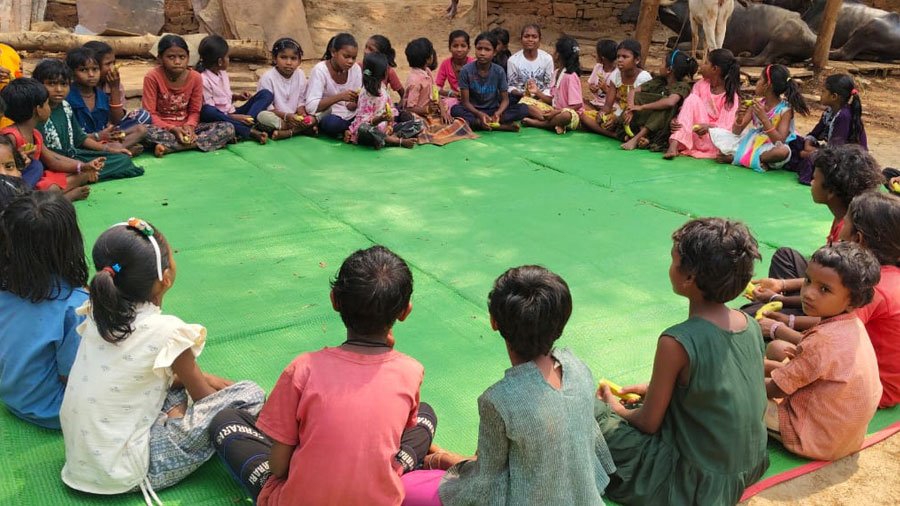
This change emerged through the Adarsh Bal Group, a children’s collective formed under the Khushaal Bachpan Program supported by Caritas India and Caritas Australia. Through regular meetings and leadership activities, children became more aware of their rights and started discussing challenges affecting their daily lives and school environment.
One of the early issues raised by the group was the dumping of soil on the school playground, which had restricted children from playing and conducting school activities properly. After the children collectively approached the Panchayat, the land was cleared.
The response from the Panchayat became an important moment for the children, strengthening their confidence in engaging with local governance systems.
“That was the moment we realised our problems also matter,” said Tanja, a Class 5 student and member of the children’s group. “Earlier, we believed only elders had the right to speak in the Gram Sabha. Now we know children can also help improve the village.”
Encouraged by this experience, ten girls and two boys from the primary school prepared and submitted a formal application during the Gram Sabha proceedings. Their demands reflected issues directly linked to children’s wellbeing, learning environment, and access to safe community spaces.
The participation of children also began influencing the mindset of the wider community. Parents, teachers, and village leaders started recognising that children could identify genuine gaps in local development and contribute meaningfully to public discussions.
The evolving role of the Gram Sabha in Kawad village reflects a broader shift toward more accountable and responsive governance. Instead of limiting discussions to administrative priorities alone, village leadership is beginning to consider the lived experiences of children while planning community development initiatives.
Khushaal Bachpan has successfully promoted Children’s Club in the intervention areas to help children as well as district administration to understand the issues of children as well as inculcating components towards making of responsible citizens of the nation from young age.
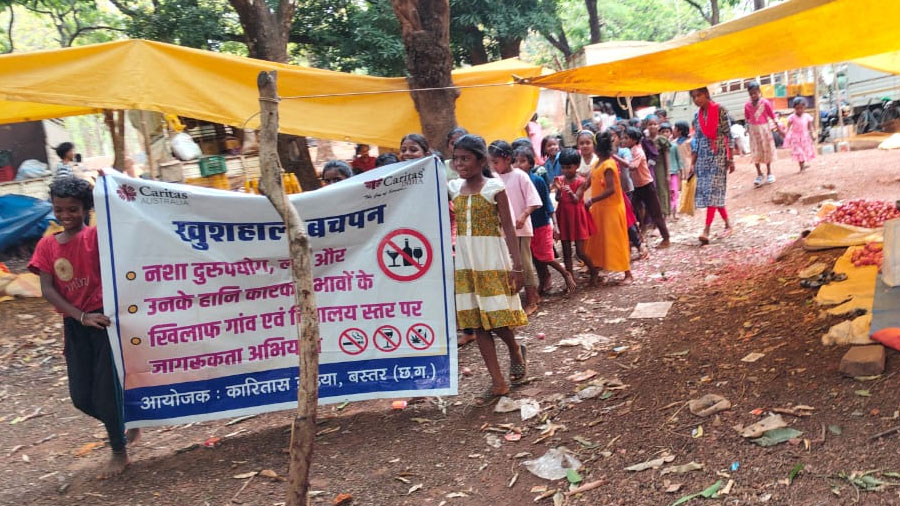
Today, children in Kawad village continue to participate actively in local meetings and discussions. Their growing engagement is not only strengthening leadership skills among young people but also helping create a governance culture where every section of the community has the opportunity to be heard.
In Kawad village, governance is slowly being reshaped through the everyday realities and aspirations of children themselves.
Upcoming News
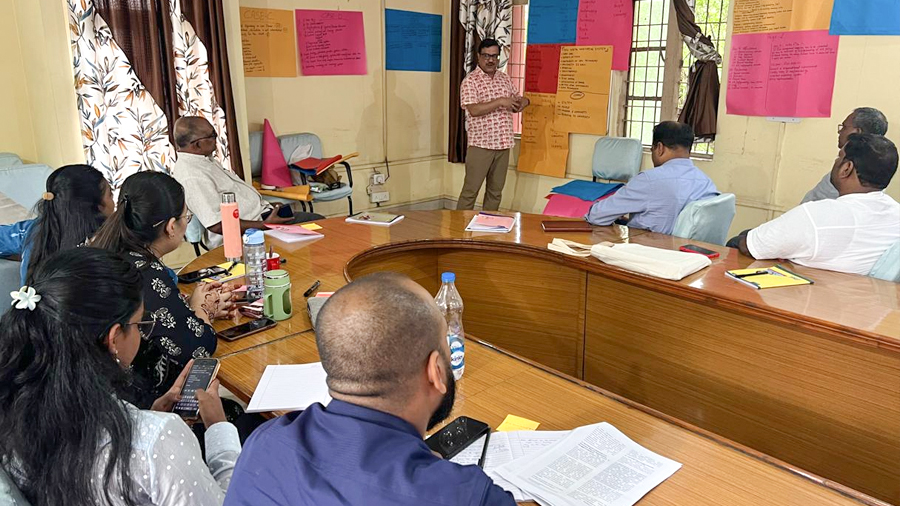
When NGOs Grow, What Breaks First? Caritas India Tackles the Answer in Raipur
Three-day workshop arms executive leaders with governance tools, a 20-policy framework and practical fixes for...
LEARN MORE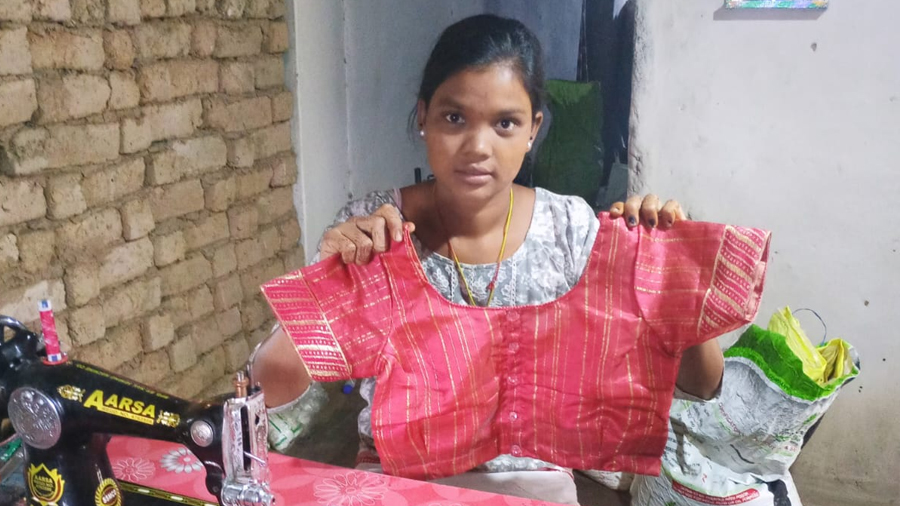
Nine Kilometres Through the Jungle: How Poornima Stitched Her Own Future
For 19 year old Poornima Rawat of Rajamma village in Lailunga block of Chhattisgarh's Raigarh...
LEARN MORE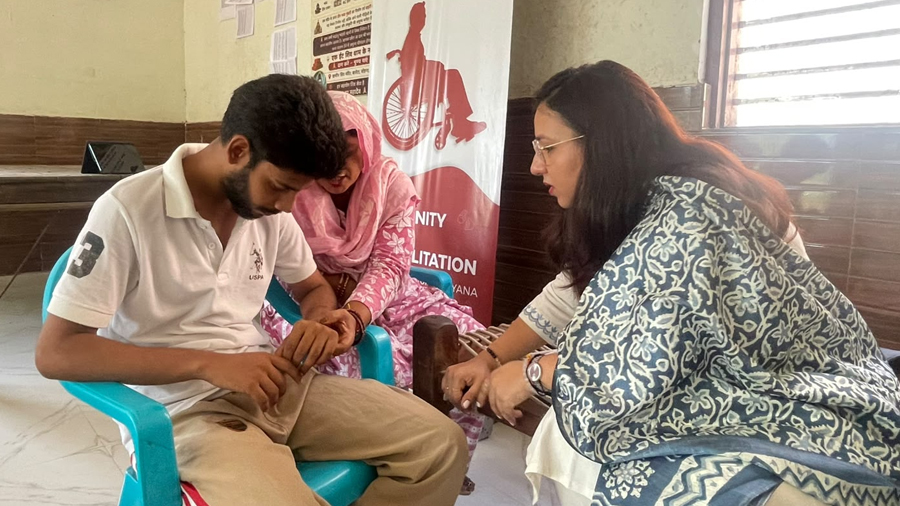
In a Nuh Village, People Living With Mental Illness Finally Got to Speak, and Be Heard
Nine people sat in that room in Barota village, Nuh district, Haryana, each carrying a...
LEARN MORE 91 -11 - 23362735
  director@caritasindia.org


