
 91 -11 - 2336 3390
  director@caritasindia.org
 How an Exposure Visit is Sowing New Seeds for Khushaal Bachpan
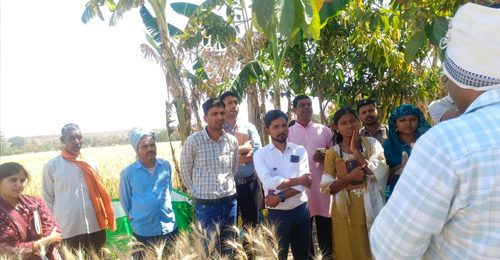
For one community educator walking through the vibrant trial plots of Tinsua village, the sight of a thriving mango orchard wasn’t just about agriculture; it was a glimpse into what is possible when a community takes charge of its own resources. As the Khushaal Bachpan team observed farmers like Ramdas Patel and Govind Patel managing their crops with precision, they realized that the same principles of nurturing, patience, and systemic support used in the SAFBIN program could be the key to unlocking even greater potential for the children they serve back home.
From 11 to 13 March 2026, a 12-member delegation from the Khushaal Bachpan team including the Program Lead, State and District Associates, and Community Educators—embarked on an exposure visit to Manav Vikas Seva Sangh (MVSS), Sagar. The goal was to dive deep into the implementation strategies of the SAFBIN program, a model renowned for its success in smallholder adaptive farming and food security.
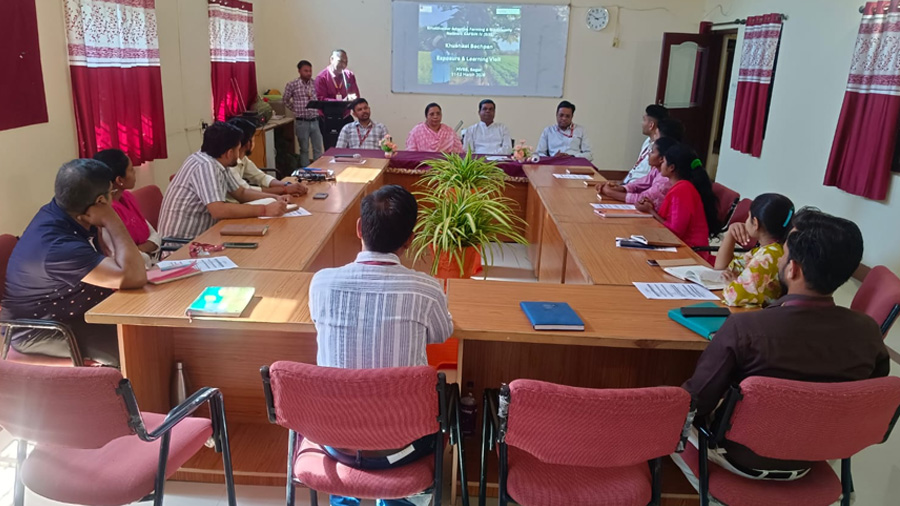
The first day was dedicated to understanding the “why” behind the success. Dr. Mukund Deshmukh and Fr. Thomas Philip, Director of MVSS shared the history of MVSS Sagar, explaining how they moved beyond simple aid to create a strategy focused on key result areas and long-term sustainability. For the Khushaal Bachpan team, this was a masterclass in how a well-defined roadmap can turn a vision into a measurable reality.
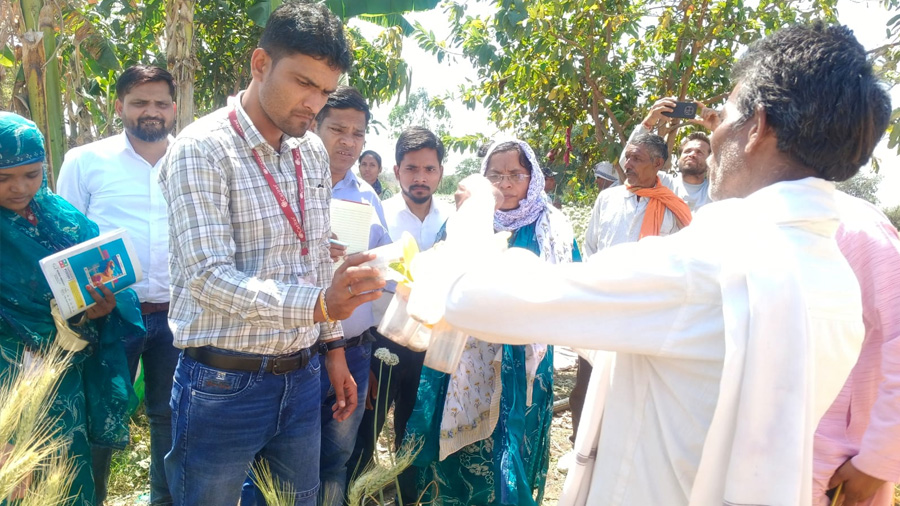
The heart of the experience, however, was in the dirt and the daily lives of the villagers. On the second day, the team traveled to Tinsua to witness how technical training translates into livelihood. They moved from specialized farming plots to a women’s collective focused on incense stick production, seeing firsthand how self-employment creates a ripple effect of confidence throughout a household.
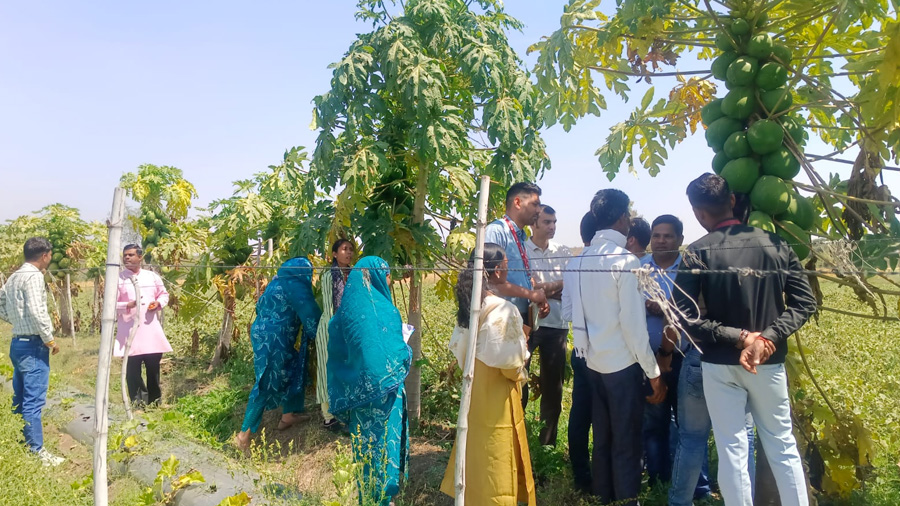
The final day took the team to Khiriya and Kolua villages, where the focus shifted to the “continuum of care”. They observed cattle sheds, vermicomposting units, and village seed banks—all managed by local farmers and Self-Help Groups (SHGs). A particularly moving stop was the Anganwadi center in Kolua, where nutrition gardens and household kitchen gardens proved that self-reliance starts with the health of the family.
The visit concluded not just with a collection of observations, but with a strategy for adaptation. During the final evaluation session, the team discussed how the SAFBIN approach, centered on resource centers, women’s empowerment, and technical discipline, could be integrated into the Khushaal Bachpan program.
By stepping out of their usual environment and into the trial plots of MVSS Sagar, the Khushaal Bachpan team has returned with more than just a report. They have returned with a renewed commitment to ensuring that every child in their care grows up in a community that is as resilient, self-reliant, and well-nourished as the gardens they visited in Sagar.
Upcoming News
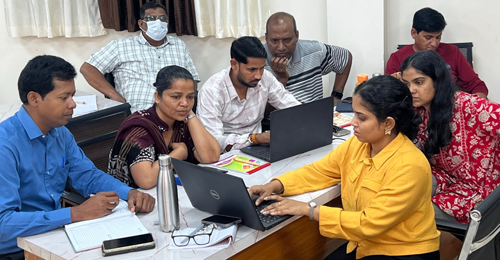
Caritas India Trains Partner Organisations in Evidence Based Project Proposal Writing
Some of the strongest community projects never get built, not for lack of need or...
LEARN MORE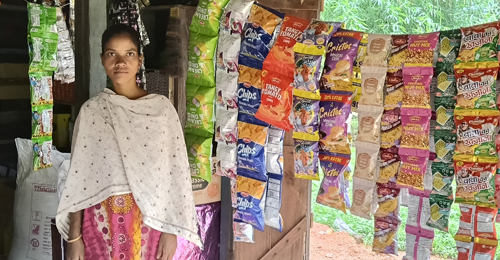
A Grocery Shop, a Mother’s Resolve, and Three Daughters Who Stayed in School
Three young girls in this remote village are attending school regularly today because their mother...
LEARN MORE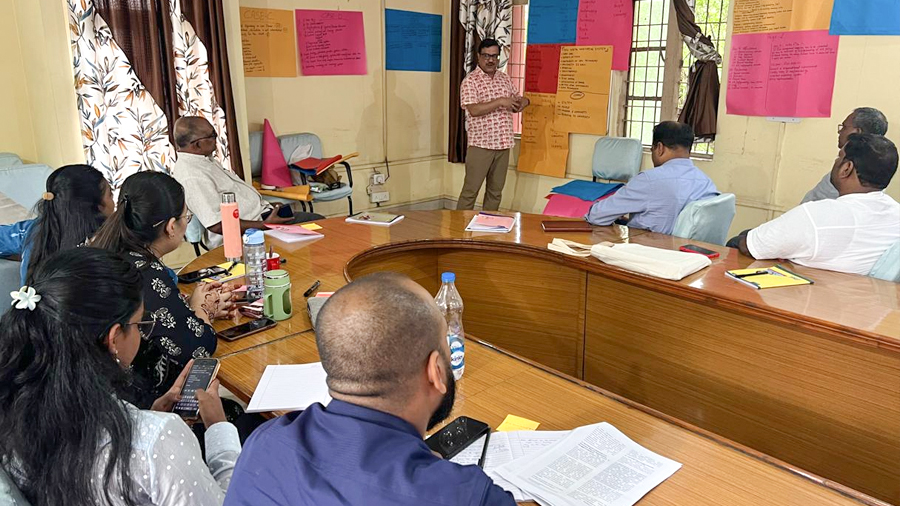
When NGOs Grow, What Breaks First? Caritas India Tackles the Answer in Raipur
Three-day workshop arms executive leaders with governance tools, a 20-policy framework and practical fixes for...
LEARN MORE 91 -11 - 23362735
  director@caritasindia.org


