
 91 -11 - 2336 3390
  director@caritasindia.org
 How do you take quality health services to the last woman in the last village?
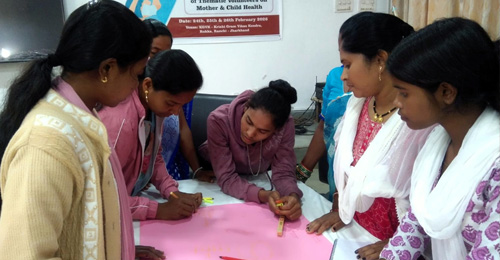
How do you ensure that every pregnant woman in a remote village receives timely care? How do you protect a newborn in the critical first hour of life? Systems alone cannot answer these questions, but people can.
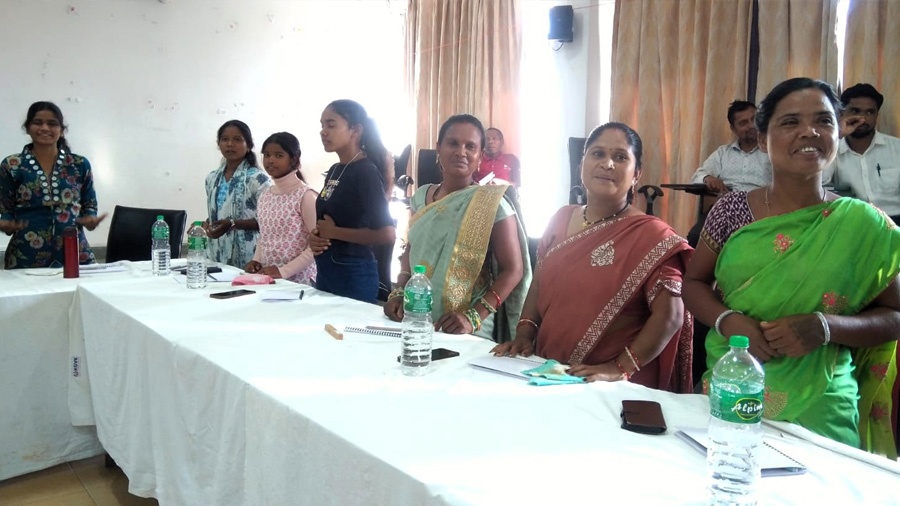
In Jharkhand and Chhattisgarh, where distance, poverty and limited access to facilities continue to shape maternal and child outcomes, that question demands more concrete and pragmatic solutions. It demands people. Under the Gram Nirman Programme of Caritas India, supported by Caritas Australia, a three-day residential training on mother and child health was conducted from 24 to 26 February 2026 at Krishi Gram Vikas Kendra, Rukka. Thirty-one female thematic volunteers and eleven community educators from intervention areas came together to strengthen frontline capacity where it matters most.
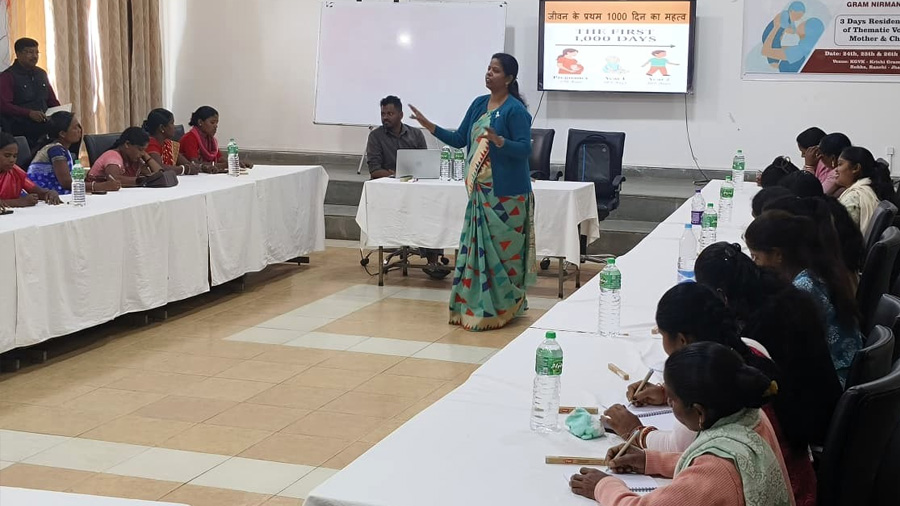
The shortage of skilled health personnel in rural settings is well documented. Expanding infrastructure alone will not close the gap. The case for investing in trained community-based volunteers is increasingly compelling. Evidence from global health reviews shows that community health workers, when properly trained and supported, improve rates of breastfeeding, immunisation uptake, antenatal care attendance, and early referral. But it is not simply about adding numbers. It is about how they are prepared, supported, and integrated. The Rukka training sought to address precisely that.
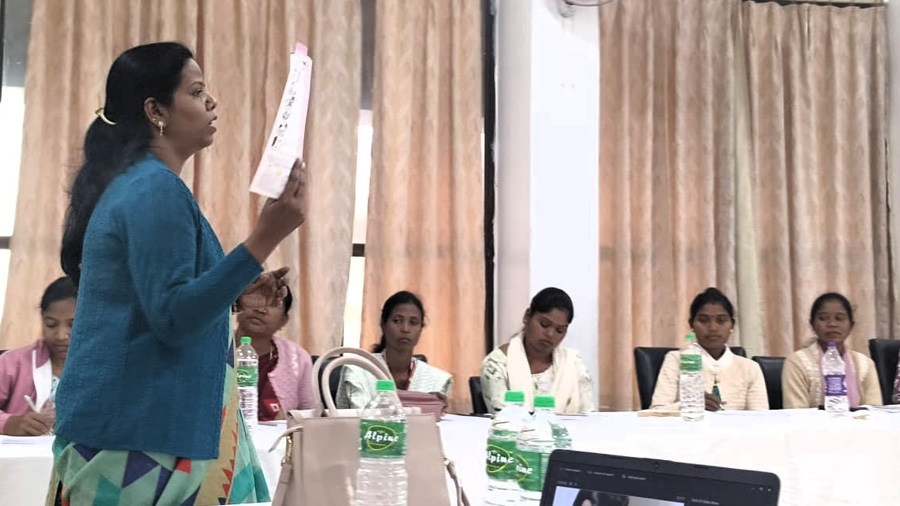
The programme was facilitated by Ms Sonal Samuel, MSc Nursing, former vice principal of METAS College of Nursing, Ranchi, who served as the lead resource person. With strong academic grounding and practical experience in maternal and child health, she delivered evidence-based inputs in a format that was simple, contextual, and field-oriented. Technical concepts were translated into real-life rural scenarios. Maternal risk factors, newborn care practices, nutrition management, and timely referral systems were explained through interactive discussions, case-based learning, and practical demonstrations. Participants were encouraged to reflect on their own village realities and examine where gaps persist.
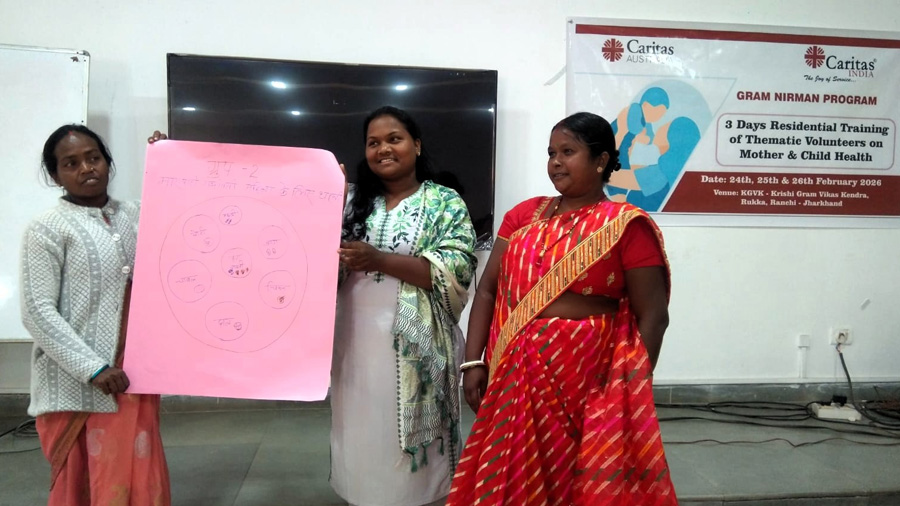
The training followed a life cycle approach, with particular emphasis on the first thousand days of a child’s life. Sessions covered pregnancy planning, birth preparedness, maternal nutrition, anaemia prevention, antenatal care, and identification of danger signs. Safe delivery discussions underscored the importance of institutional care and emergency readiness. Focused modules on the golden hour highlighted immediate newborn care practices, including early initiation of breastfeeding and skin-to-skin contact.
Exclusive breastfeeding, complementary feeding, immunisation, hygiene, and early childhood development were explored not as isolated themes but as interconnected determinants of long term physical and cognitive growth. The importance of nurturing environments for healthy development was repeatedly reinforced.
Participation was central. Volunteers shared field experiences, analysed local challenges and identified practical, community-specific solutions. By the end of the programme, participants demonstrated increased confidence in conducting village level awareness sessions and developed action plans to support mothers and children. Strengthened linkages with ASHAs, ANMs and local health institutions were built into these plans, reinforcing integration with the public health system.
As Gram Nirman moves towards its scheduled closure in June 2026, this initiative forms part of a broader sustainability strategy. Rooted in the Asset-Based Community Development (ABCD) approach, the programme builds local capacity rather than creating parallel service structures. The trained thematic volunteers will continue conducting awareness sessions, supporting pregnant women in accessing government health services, promoting nutrition sensitive practices such as backyard gardens, encouraging complete immunisation and serving as referral points within their villages.
Working through strengthened community-based organisations and Gram Sabha platforms established under the programme, these volunteers will sustain health promotion efforts beyond the project lifecycle.
Community volunteers are not a substitute for formal healthcare systems. They are a critical extension of them. If maternal and child health outcomes are to improve in the most marginalised communities, local leadership must be trained, trusted and integrated. The commitment to better health exists. The challenge now is to ensure that the structures built around these women continue to support the work they have begun.
Upcoming News
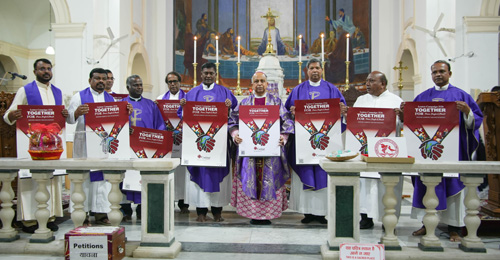
Caritas India launches Lenten campaign with call for peace, inclusion, and climate action
Caritas India has launched the Lenten Campaign 2026 with a bold message: peace must be...
LEARN MORE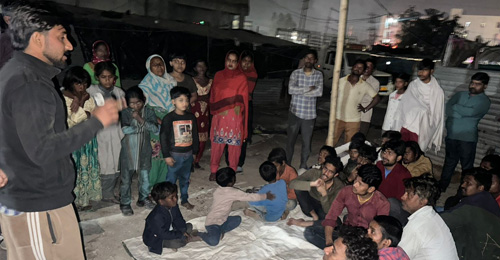
Pravasi Bandhu Program Illuminates Path for 180 Migrant Workers: Safe Migration, Secure Future
In a significant step toward safeguarding the rights and well-being of migrant workers, Caritas India’s...
LEARN MORE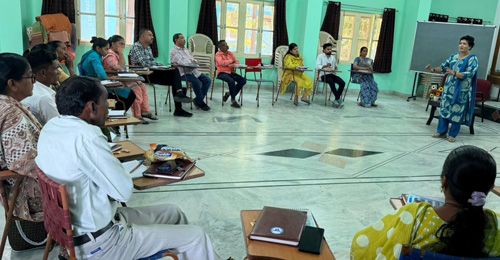
Women Leadership and Community Empowerment Reviewed at Sanjivani Meeting
Caritas India partners presented the significant achievements of women leadership initiatives under the Sanjivani programme...
LEARN MORE 91 -11 - 2336 3390
  director@caritasindia.org


