
 91 -11 - 2336 3390
  director@caritasindia.org
 In Wayanad, a Drum Beat Is Bringing Families Back From the Edge
The rain had not stopped when the volunteers arrived. Ropes over their shoulders, torches in hand, they waded into the chaos of the Chooralmala disaster to pull people to safety. Somewhere nearby, a woman screamed for the loved ones being swept from her grip.
That night lives on in the memory of one MGNREGA worker who, months later, sat in a circle with her fellow labourers and finally said it out loud. “I cannot even bear to remember that night,” she told the group. “Even today, I feel afraid whenever it rains.”
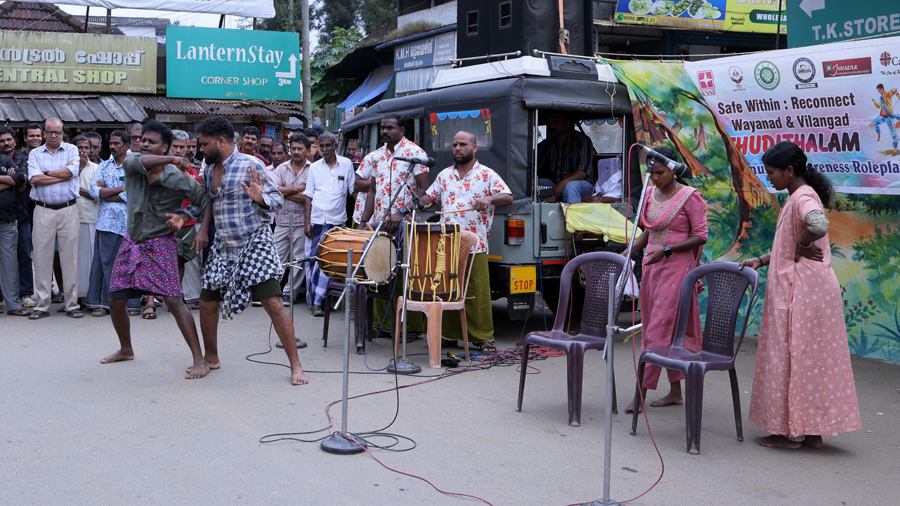
She was not speaking to a counsellor in a clinic. She was speaking as part of a play, one performed in her own village square, by actors who looked like her, spoke like her, and understood exactly what silence in that community costs.
When Theatre Does What Textbooks Cannot
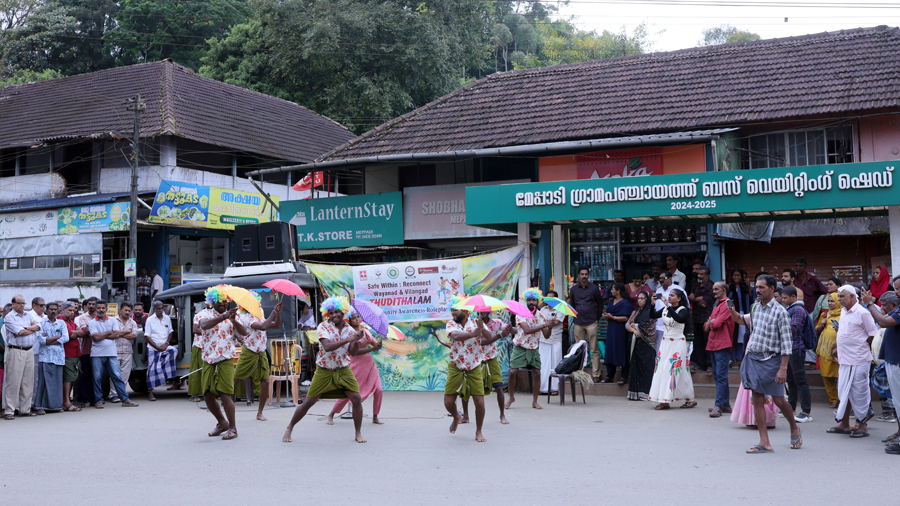
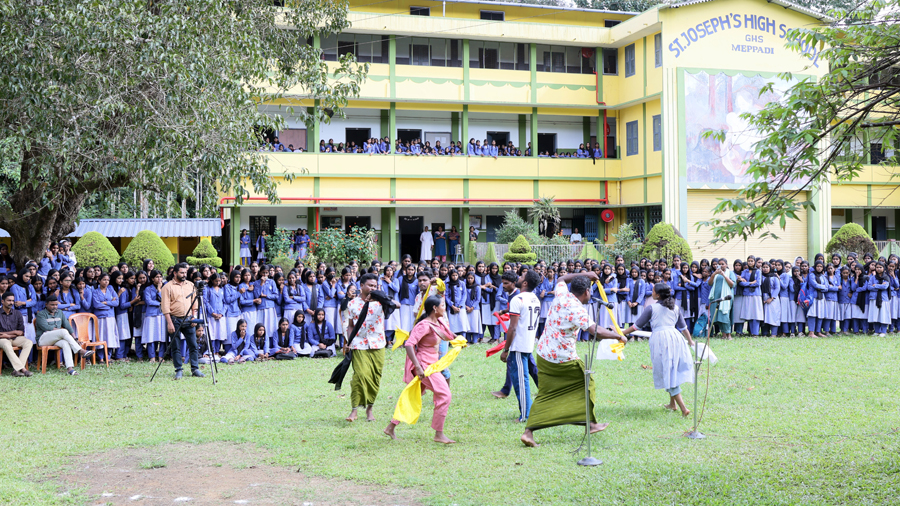
Over recent weeks, seven Gram Panchayats across Wayanad have watched their streets, school grounds and public squares transform into open air stages. Caritas India, through its Safe Within project (part of the Reconnect Wayanad and Vilangad initiative), partnered with Thudithalam, a Wayanad based cultural group formed in 2009 by members of the Paniya and Kattunaikka indigenous communities, to bring mental health and disaster preparedness to life through folk song, rhythm and dance.
There were no PowerPoint slides. No clinical jargon. Instead, there was a play called “Revival,” and it hit close enough to home that entire villages sat in stunned, recognising silence.
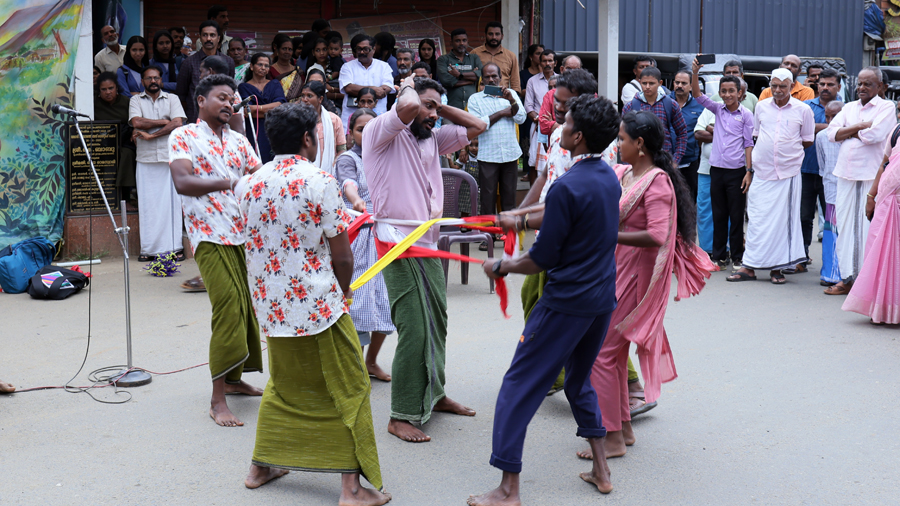
The story follows a family unravelling under the weight of alcohol, addiction and unspoken pain. A father who drinks. A mother who quietly gives up hope. A son pulled toward drugs by a friend who promises he’ll “forget everything.” A daughter who simply wants her family whole again.
“Even the smell of alcohol makes the children in this house afraid,” the mother’s character says early in the play. “I can no longer bear to watch a family fall apart like this.”
It is uncomfortably familiar territory for many watching, and that discomfort, organisers say, is exactly the point.
Turning Pain Into a Path Forward
What makes “Revival” different from a cautionary tale is where it goes next. The mother in the story does not stay silent. She walks into a Safe Within awareness session, listens, and eventually finds her way to a Community Resource Centre, one of the physical spaces the project has set up across Wayanad where people can simply show up and talk.
“Do not be afraid. You are not alone. Let us find a solution together,” a counsellor tells her onstage. It is a small line, delivered without fanfare, but audience members say it is often the one that stays with them longest.
The play also introduces Wayanad to its Befriending Counsellors, community members trained to make home visits and sit, one on one, with people who are struggling. And it makes space for something rarely discussed openly in rural India: that seeking help is not weakness but courage.
“Talk… Seek help… Life is precious,” the cast declares together near the play’s end, joining hands in a final tableau that has, by several accounts, moved audiences to tears.
Preparing for the Next Disaster, Together
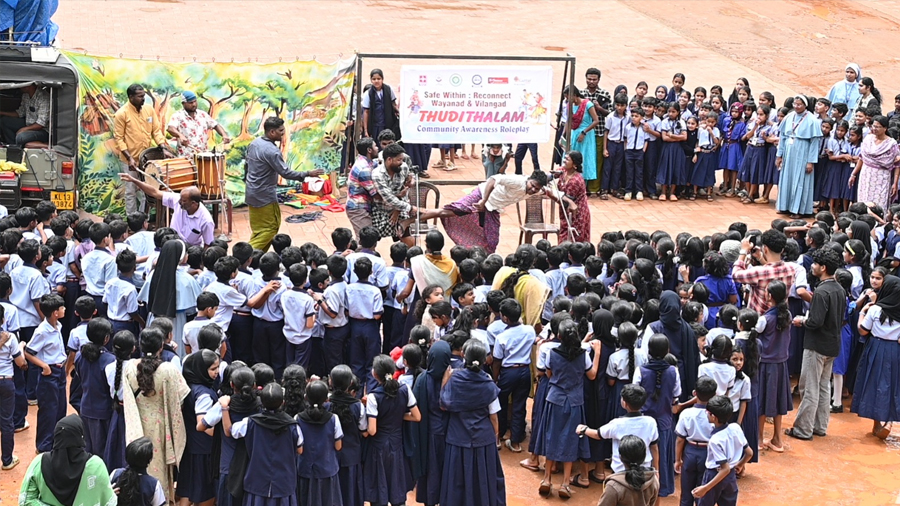
The performances did not stop at mental health. In villages still shaped by memories of landslides and floods, Thudithalam’s actors also walked audiences through what a functioning Task Force looks like: trained volunteers ready to carry out rescue operations, administer first aid, and offer emotional first response when disaster strikes again.
“They are trained to carry out rescue operations, provide first aid, move people to safe places, provide counselling support and offer psychological and emotional support,” one character explains in the play, describing training that gives particular attention to those often overlooked in emergencies, persons with disabilities, older people, women, children and indigenous communities.
The message threaded through every performance was simple: preparedness is not the job of a trained few. It belongs to everyone.
A Cultural Group With Deep Roots
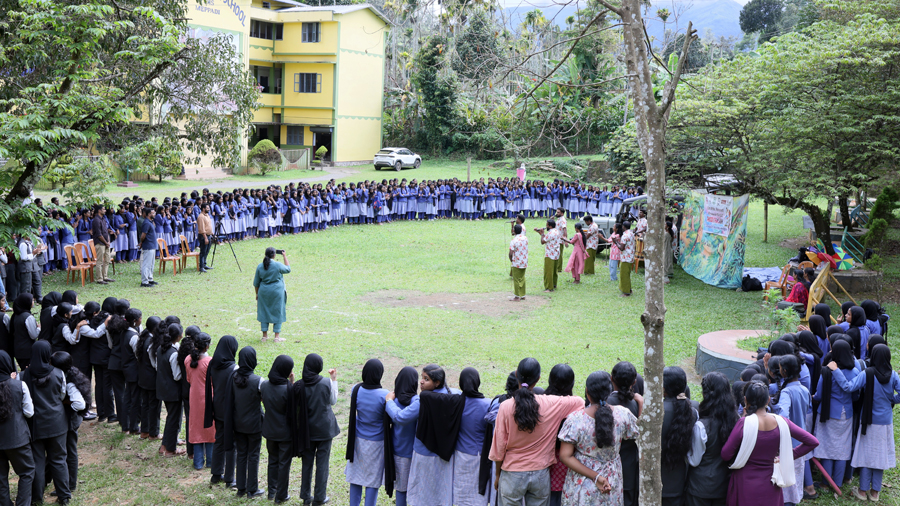
For Thudithalam, this was not a departure from their work but an extension of it. Since 2009, the group has carried the musical and rhythmic traditions of Wayanad’s indigenous communities into contemporary spaces, using traditional instruments and folk forms to keep heritage alive. Adapting that same cultural language to talk about addiction, grief and disaster response gave the Safe Within campaign something a lecture never could: trust.
Performances were held in each Panchayat at three locations, typically two schools and one public gathering spot, timed for when villagers were already out and about, catching parents on their way home, children between classes, and elders sitting out the afternoon heat.
Why It Matters
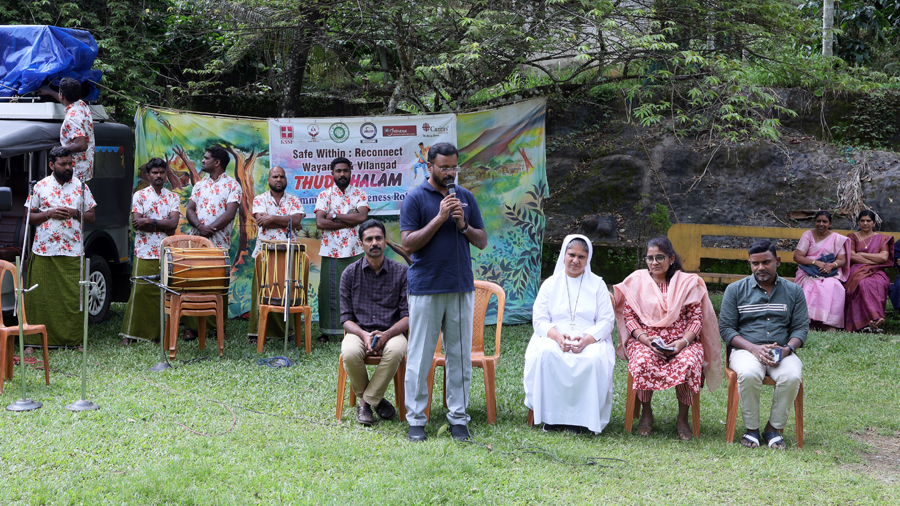
Caritas India describes Safe Within as an effort to build resilience that goes beyond emergency drills and infrastructure, resilience rooted in emotionally healthy families and communities that know how to lean on each other. The roleplays are one small but pointed part of that vision: taking difficult, often unspoken struggles and giving them a stage, a story and, ultimately, a way out.
As one line from “Revival” puts it, simply and without embellishment: “Every crying heart needs a helping hand.”
Upcoming News
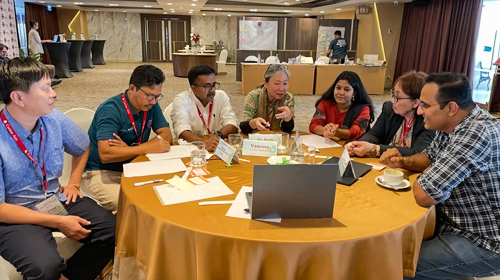
Caritas India Showcases Grassroots Resilience and Women in Leadership at Bangkok Humanitarian Forum
Caritas India placed grassroots climate adaptation and women’s leadership at the centre of regional disaster...
LEARN MORE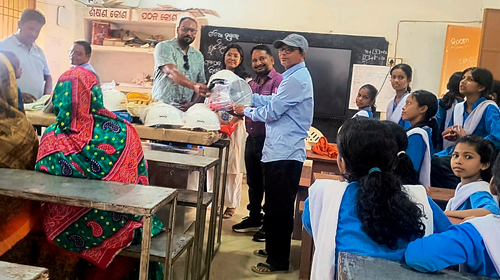
Odisha Schools Armed for Disasters as Caritas India Equips Coastal Classrooms
Caritas India has handed over specialized Comprehensive School Safety Kits to four vulnerable educational institutions...
LEARN MORE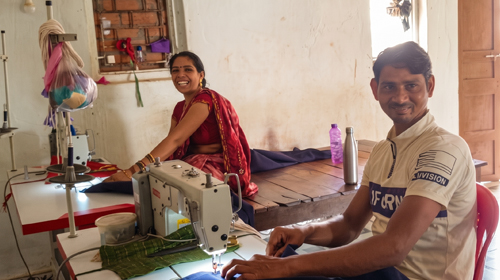
How Family Livelihood Built a Khushaal Bachpan in Bastipara
In Bastipara, a small hamlet of Kevradih village under Sirri Panchayat, Chhattisgarh most families depend...
LEARN MORE 91 -11 - 23362735
  director@caritasindia.org


