
 91 -11 - 2336 3390
  director@caritasindia.org
 Kolkhar Cuisine: Reviving a Rural Remedy
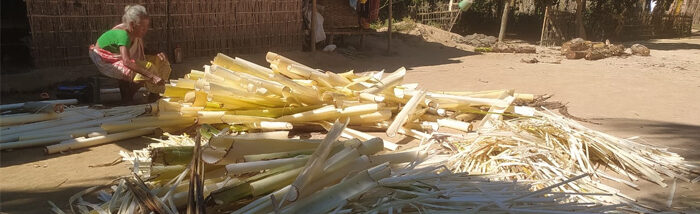
Assam’s sub-tropical, humid climate supports the cultivation of various crops like rice, tea, jute, sugarcane, mustard, potatoes, pulses, and a wide variety of bananas. In fact, Assam boasts 15-20 types of bananas, rich in fiber, potassium, vitamin C, folate, and magnesium. This unique tree provides multiple uses, with every part-from fruits to trunks-being valuable.
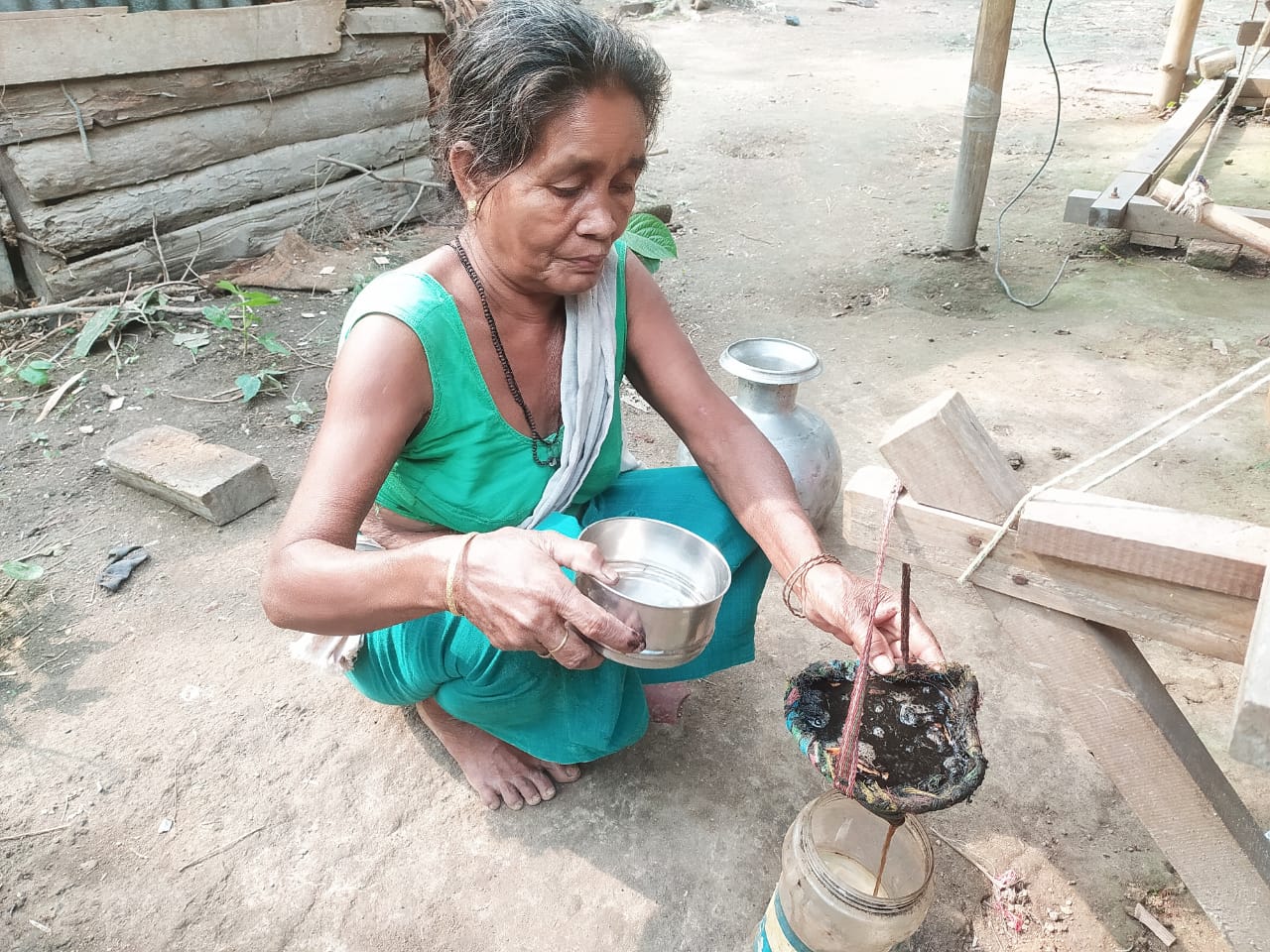
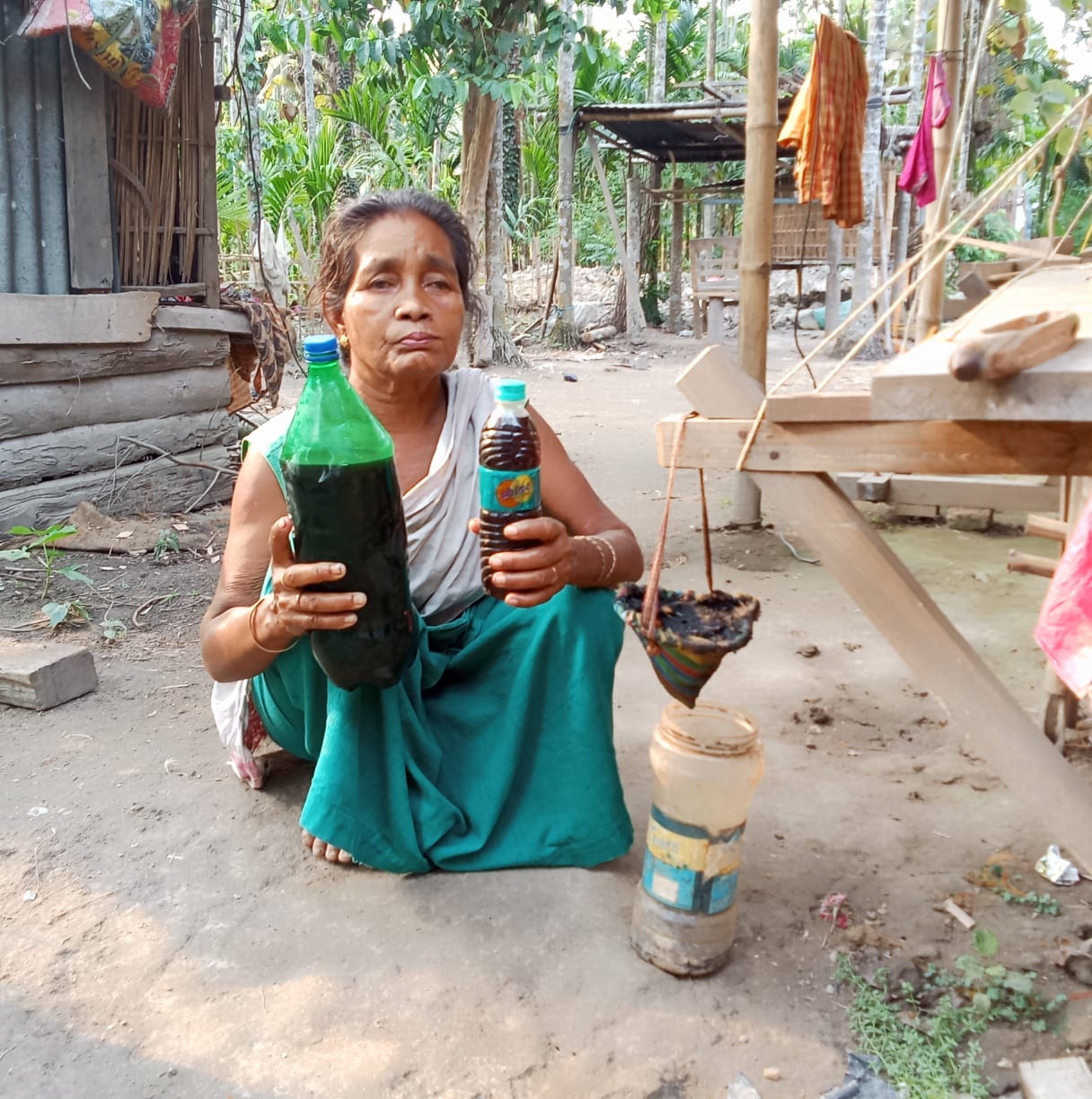
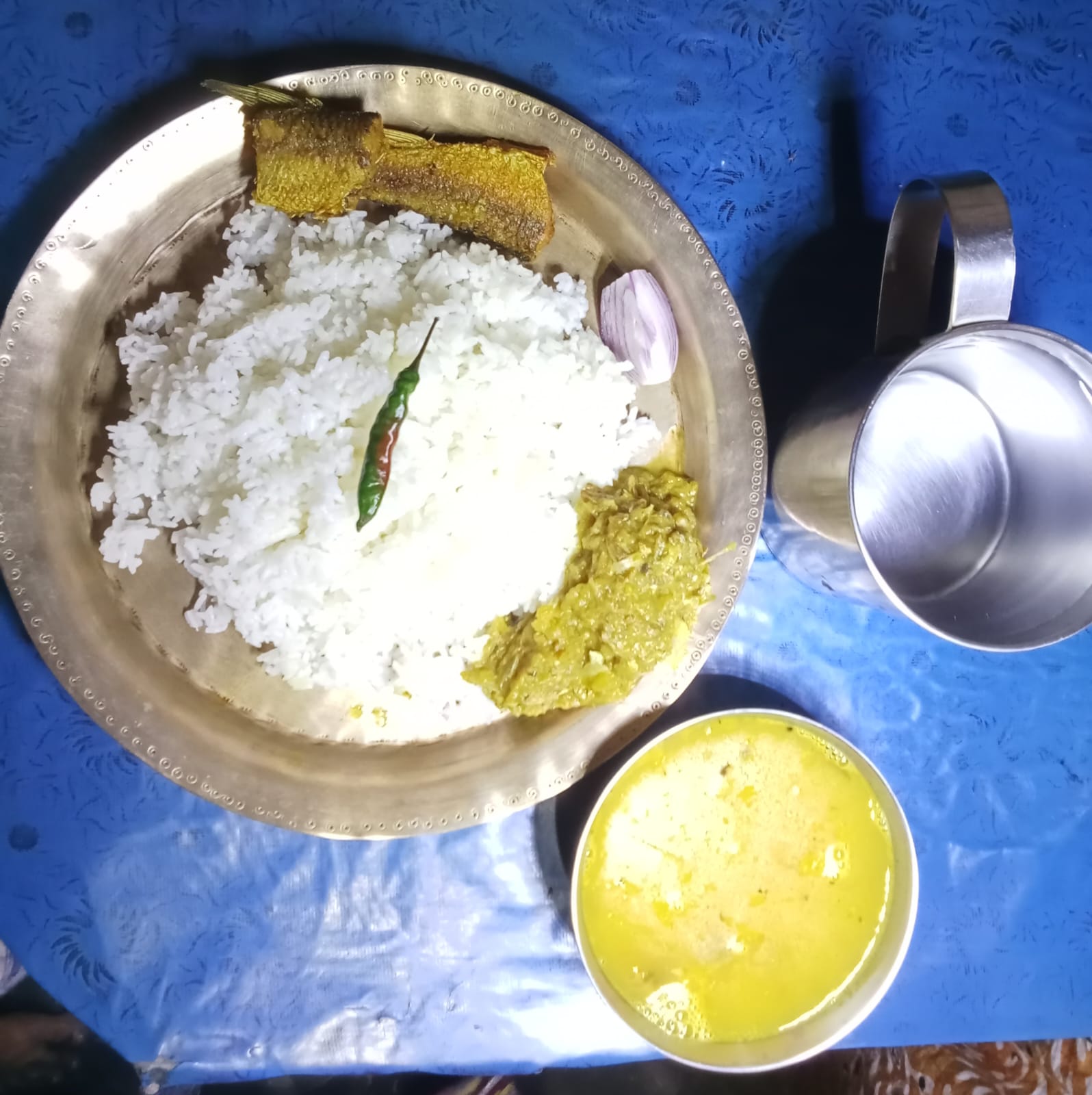
One traditional ingredient that stands out in Assamese cuisine is Kolkhar (alkaline extract or water), made from the ash of burned banana peels or trunks. Known for its alkaline properties, Kolkhar is a staple in Assamese thalis (plates), enhancing vegetable dishes. Beyond its culinary use, Kolkhar is celebrated for its digestive benefits and stomach-cleansing properties. In rural Assam, it also doubles as a natural soap and detergent.
Recognizing its nutritional and medicinal potential, the FARM Northeast IV programme, in collaboration with the Guwahati Gana Seva Society (GGSS), identified Kolkhar in Balisara Doloni, Nagaon District, Assam. Here, the villagers’ diet primarily consists of vegetables, including wild varieties, with occasional meat consumption. The GGSS team engaged with locals to learn about their traditional health practices and discovered Kolkhar’s longstanding use. Villagers praised its taste and health benefits, noting its aid in digestion, appetite stimulation, and relief from ailments like fever, headaches, and migraines, shared Bitupan Baishya, Community Educator, GGSS.
However, the practice of making and using Kolkhar declined as modern conveniences penetrated Balisara Doloni. Market-bought oils and spices replaced traditional methods, leading to an increase in health issues such as gastric problems, constipation, indigestion, high blood pressure, and diabetes-ailments previously rare in the community.
In response, the program made a concerted effort to revive Kolkhar usage, strengthening traditional socio-economic structures, governance, and health systems through people-led development (PLD). Through organized meetings and focus group discussions, villagers were encouraged to revisit and embrace their ancestral wisdom, stated Prabin Minz, Field Programme Associate, GGSS.
The revival of Kolkhar brought noticeable health improvements in Balisara Doloni. Villagers reported better digestion and overall vitality. Each family began making Kolkhar using traditional methods, particularly in November, the ideal month for preparation. They used trunks from special banana varieties like Bhimkol or Athiyakol, drying and burning the pieces to produce ash, which was then filtered with water to create the alkaline extract.
Kolkhar not only enhanced their meals but also served as a natural cleanser and hair softener. Villagers found relief from headaches and migraines with its use. Prashanta Knowar, a local, shared, “We stopped using Kolkhar and suffered from stomach problems. But bringing it back changed everything. My digestion improved, and I feel healthier.”
The benefits of Kolkhar soon spread beyond Balisara Doloni, sparking interest in other communities. What began as a local revival became a regional symbol of healthy living. Dipamoni Pator, another villager, expressed gratitude, saying, “It’s amazing how something simple like Kolkhar can make us feel better. I’m thankful for its comeback”, he added.
Determined to preserve their heritage, the villagers of Balisara Doloni are committed to passing down the tradition of Kolkhar to future generations, ensuring a healthier future for their community. This revival of Kolkhar not only celebrates Assamese culinary heritage but also reinforces the importance of traditional health practices in contemporary times.
Caritas India, through its FARM Northeast program, continues to make significant efforts in reviving and strengthening traditional socio-economic, governance, and health systems through people-led development (PLD). By empowering communities to reclaim their ancestral wisdom and sustainable practices, the program promotes a holistic approach to development that promotes health, well-being, and cultural preservation.
Upcoming News
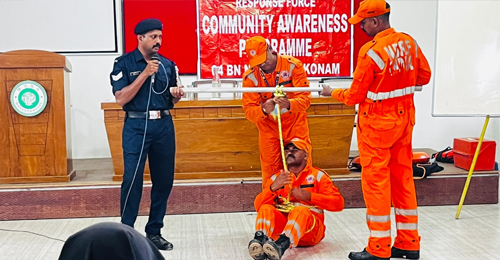
Ropes and Sacks Become Lifesaving Tools as NDRF Trains Wayanad’s First Responders
Long before an ambulance can reach a flooded village or a landslide hit hillside, it...
LEARN MORE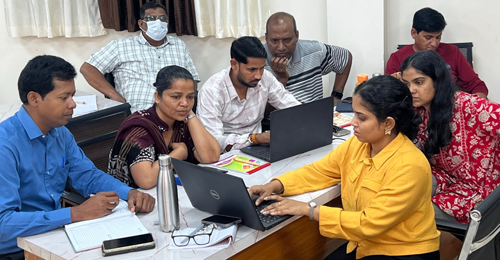
Caritas India Trains Partner Organisations in Evidence Based Project Proposal Writing
Some of the strongest community projects never get built, not for lack of need or...
LEARN MORE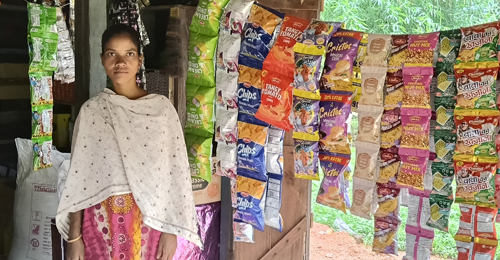
A Grocery Shop, a Mother’s Resolve, and Three Daughters Who Stayed in School
Three young girls in this remote village are attending school regularly today because their mother...
LEARN MORE 91 -11 - 23362735
  director@caritasindia.org


