
 91 -11 - 2336 3390
  director@caritasindia.org
 Lessons of plant nutrient and pest management shared with partners
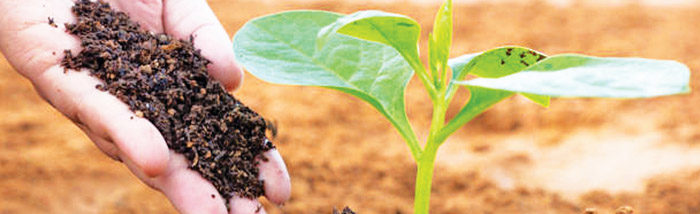
“Agricultural growth is a proven driver of poverty reduction. When agriculture stimulates growth … the growth is twice as effective in reducing poverty as growth based in other sectors”, said Giza Mdoe
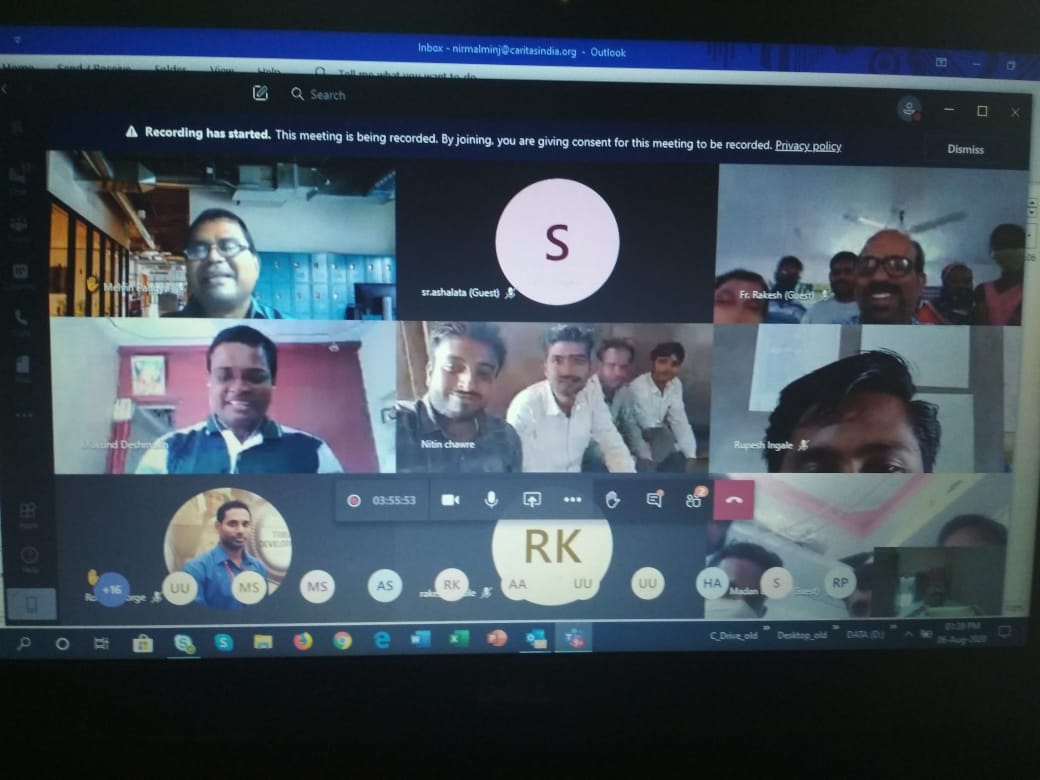
Around 60 partner staff associated with Jeevan EA, SABAL, WARM and Sanjivani project of Caritas India were empowered through a virtual workshop on Integrated Nutrient Management (INM) and Integrated Pest Management (IPM).
“We need to consider four aspects in agriculture which can bring sustainable development, cash crops versus food crops, Mono crops versus mix crops, chemical farming versus organic farming and men farmer versus women farmer”, shared Dr. Saju MK, Zonal Manager of West Zone as he sets the tone of the workshop. He also focuses on giving the urgency to sustainable agriculture and reduce market dependency by taking care of the environment.
Faulty tillage system, drainage, intercropping, rotation, grazing and non-judicious use of pesticides and fertilizers have adversely impacted the soil health. An integrated approach is needed to optimize the interactions between plants, animals, humans and the environment to achieve a sustainable agriculture system.
Pointing out the importance of INM in agriculture, Mukund Deshmukh, SABAL Asst. Manager and the resource person of the workshop stressed on the various disease prevention and control aspects of crops. He also spoke on integrated nutrient management and effects of the chemical on crops, food and human health and informed that INM can help in increasing the land fertility and production of the crops.
He also stresses on the traditional methods to promote the INM and IPM in agriculture. The workshop covered a range of topics including land preparation, Indigenous and traditional seeds, promoting inter or mix cropping pattern in the agriculture system. He also emphasised on controlling the disease by using farmers traditional knowledge to save the input cost.
Sharing of field experience by the participants made the workshop more dynamic. The participants also asked their questions and seek clarifications from the resource person.
As a way forward, it was suggested to create awareness about the INM and IPM among the farmers by disseminating the IEC materials, discussion with the small farmer’s groups about the INM and IPM, Promoting farmers’ fields schools, Promoting demo plots and creating learning and exchange platforms for the farmers.
Upcoming News
Ropes and Sacks Become Lifesaving Tools as NDRF Trains Wayanad’s First Responders
Long before an ambulance can reach a flooded village or a landslide hit hillside, it...
LEARN MORE
Caritas India Trains Partner Organisations in Evidence Based Project Proposal Writing
Some of the strongest community projects never get built, not for lack of need or...
LEARN MORE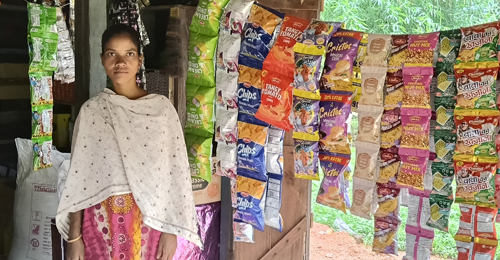
A Grocery Shop, a Mother’s Resolve, and Three Daughters Who Stayed in School
Three young girls in this remote village are attending school regularly today because their mother...
LEARN MORE 91 -11 - 23362735
  director@caritasindia.org


