
 91 -11 - 2336 3390
  director@caritasindia.org
 Medical consultation and orientation on healthy contact for PLHIV in urban slums of Delhi
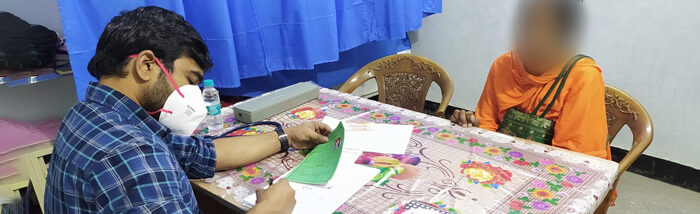
The spread of HIV among the destitute and poor is a major worry that necessitates immediate lifesaving healthy contact, health monitoring, and proper drug therapies. Many people with HIV/AIDS do not take associated risks seriously and refrain from seeking medical care. They even hide their infection as long as possible and seek medical attention only when their illness reaches a life-threatening level.
Given the prevalence of infections in India, PLHIVs frequently acquire complications from potentially fatal illnesses such as tuberculosis and influenza. Caritas India with the support of Caritas Australia has been giving care and aid to persons affected by a variety of communicable diseases, particularly those living with HIV/AIDS, under the Gram Nirman program.
On May 5th, the Gram Nirman urban team held an orientation session on Healthy Contacts, Health Surveillance, Medication, and HIV/AIDS/TB Co-infection Management. More than 40 participants were informed about the program intervention and educated on applying strategies for effective healthy contacts, health surveillance, and drug adherence for HIV/AIDS patients. The majority of the participants were HIV patients and healthcare workers. Information on healthy contacts, health surveillance, drug adherence mechanisms, HIV/TB Co-infections, medication, doctor consultation, and referrals were imparted to participants.
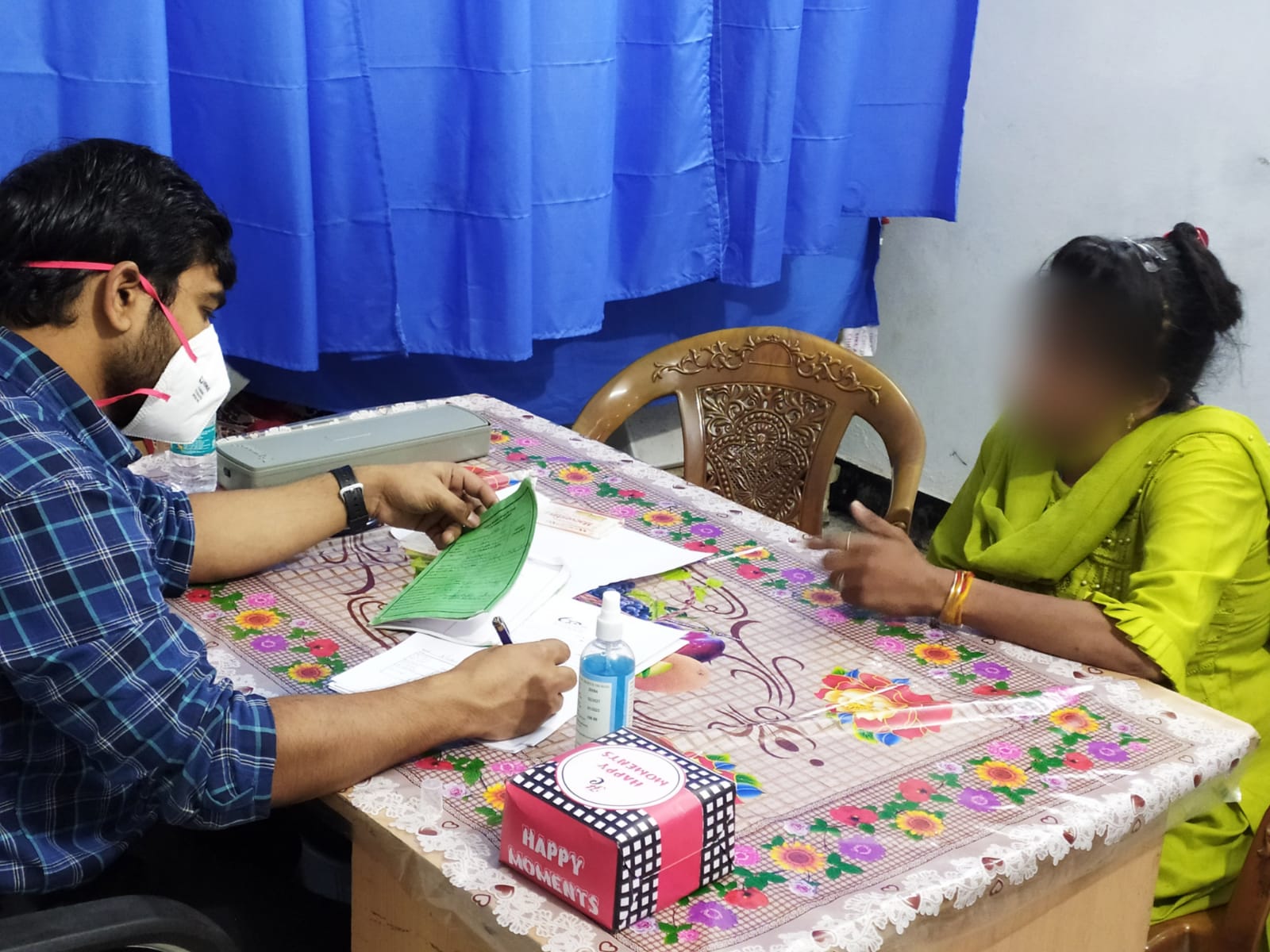
For the first time, the team provided a doctor’s consultation service from the GTB Hospital’s ART Department, which was well accepted by the participants. This program helped 25 patients who were registered with Gram Nirman’s urban component.
When the number of infection-fighting “Cluster of Differentiation 4 (CD4) cells” for PLHIVs falls below 200, they become more susceptible to Opportunistic Infections (OIs). Some OIs, however, can arise when a person’s Cluster of Differentiation 4 (CD4) level is less than 500. A compromised immune system makes it more difficult for the body to fend against HIV-related OIs.
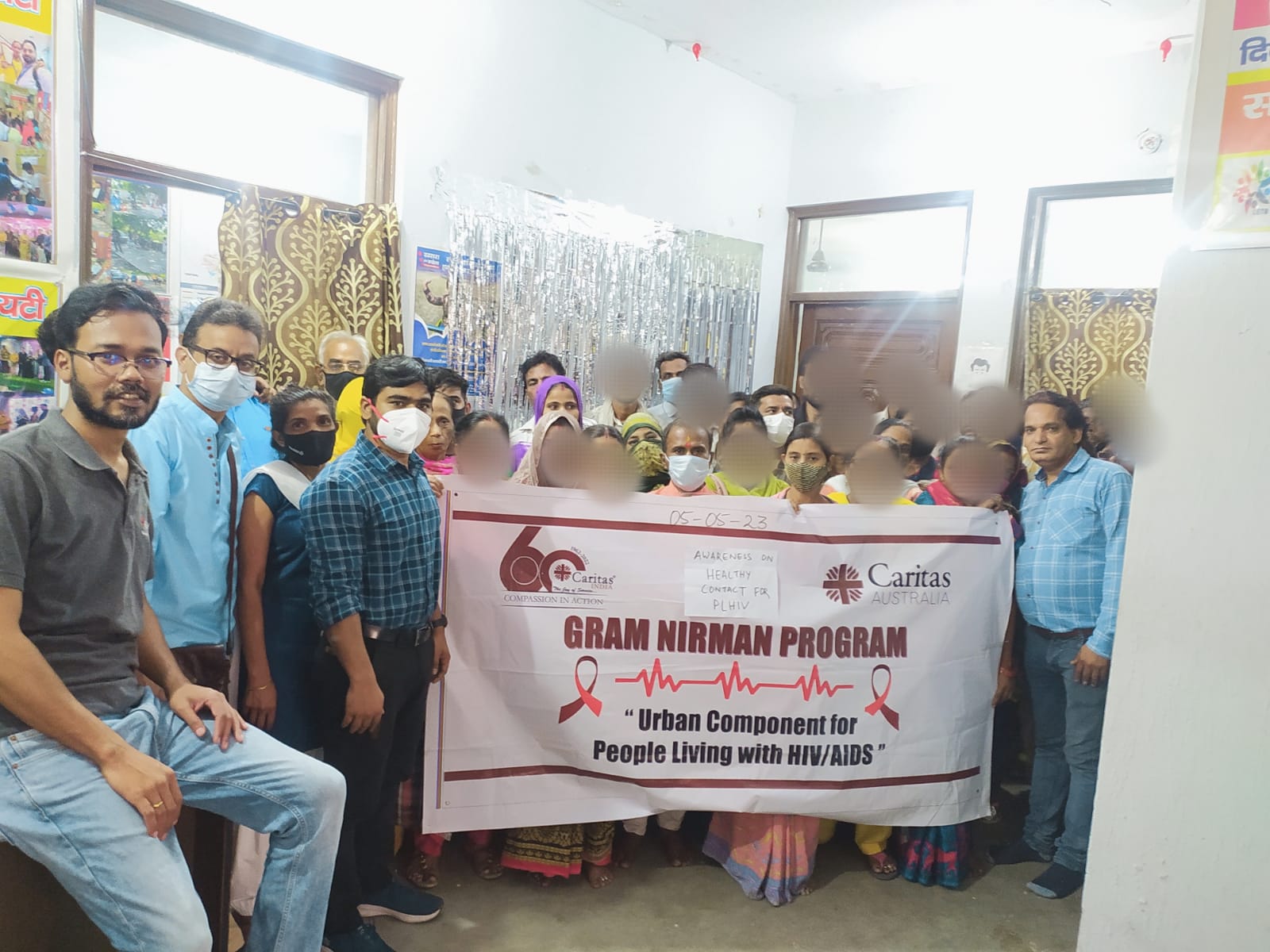
Greater awareness and expertise are required for better care for people living with HIV/AIDS. They require medical management to avoid infection from tuberculosis, gastroenteritis, and other diseases.
Upcoming News
Caritas India launches Lenten campaign with call for peace, inclusion, and climate action
Caritas India has launched the Lenten Campaign 2026 with a bold message: peace must be...
LEARN MORE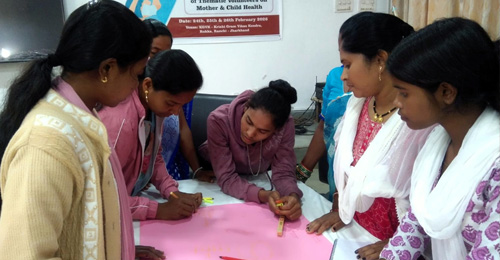
How do you take quality health services to the last woman in the last village?
How do you ensure that every pregnant woman in a remote village receives timely care?...
LEARN MORE
Pravasi Bandhu Program Illuminates Path for 180 Migrant Workers: Safe Migration, Secure Future
In a significant step toward safeguarding the rights and well-being of migrant workers, Caritas India’s...
LEARN MORE 91 -11 - 2336 3390
  director@caritasindia.org


