
 91 -11 - 2336 3390
  director@caritasindia.org
 NATURE-BASED SOLUTIONS: RECONNECTING COMMUNITIES WITH THE WISDOM OF NATURE

As climate threats intensify across India, Nature-Based Solutions (NbS) are emerging as powerful community-rooted strategies that not only mitigate risks but also restore ecosystems and strengthen livelihoods. But what exactly does NbS mean — and why is it so vital for the communities we serve?
🌱 What Are Nature-Based Solutions?
According to the International Union for Conservation of Nature (IUCN), Nature-Based Solutions are “actions to protect, sustainably manage, and restore natural or modified ecosystems, that address societal challenges effectively and adaptively, simultaneously providing human well-being and biodiversity benefits.”
Similarly, the United Nations Environment Programme (UNEP) defines NbS as “working with nature to address societal challenges, providing benefits for both human well-being and biodiversity.”
🏡 What Do NbS Mean for Communities?
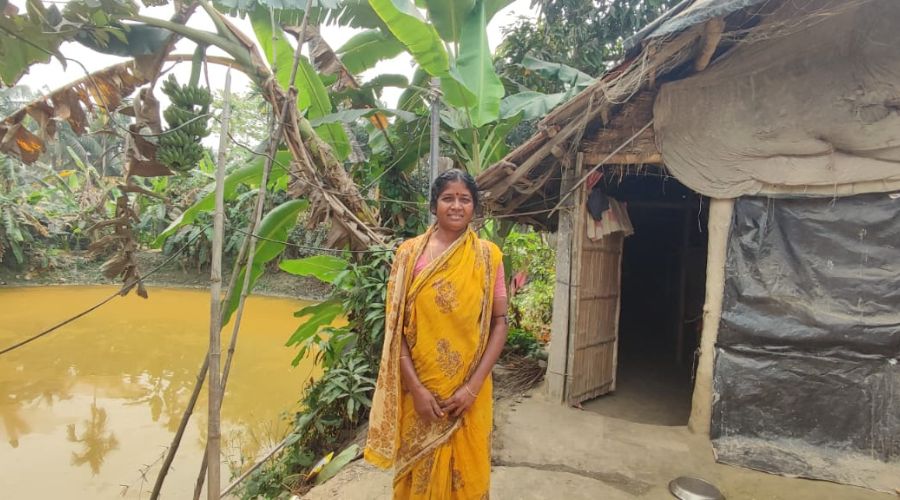
For climate-vulnerable communities, NbS represent more than conservation — they are locally grounded solutions that restore ecological balance and help people adapt to climate-induced shocks. NbS enable:
- Restoration of traditional livelihoods such as farming and fishing
- Protection of natural resources like water and soil
- Increased resilience to displacement and distress migration
By re-rooting communities in nature-based livelihoods, these approaches reduce the push factors that often lead to migration and exploitation, especially of vulnerable groups like women and youth. However, implementing these at the ground level is not easy due to several reasons.
Despite their promise, implementing NbS comes with real challenges:
- Low awareness of NbS approaches and their long-term benefits
- Limited technical capacity at the grassroots
- Inadequate funding and policy support
- Fragmented land rights and unclear community ownership
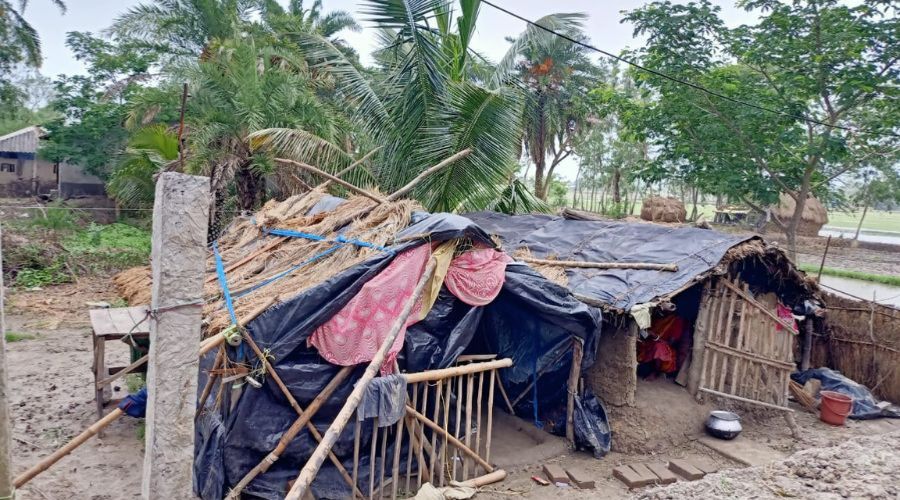
Additionally, the short-term economic stress caused by climate change often pushes communities to opt for quick fixes, bypassing ecological restoration in favor of migration or risky labor markets.
🔍 CIMMS: Making NbS Approachable and Actionable
Caritas India’s CIMMS (Climate Change Induced Migration and Modern Slavery) project recognizes the direct link between environmental degradation, forced migration, and the growing threat of modern slavery. In response, CIMMS promotes NbS as a preventive strategy — not just to restore nature, but to rebuild community resilience and reduce vulnerability to trafficking and exploitation.
What sets CIMMS apart is its community-first, simplified approach to NbS:
- Introducing climate-resilient agricultural practices using local inputs
- Restoring wetlands, forests, and soil cover through community-led efforts
- Reviving traditional water harvesting and natural irrigation systems
- Training local NbS champions to spread awareness and mentor others
By breaking down complex ecological concepts into practical, culturally familiar practices, CIMMS makes NbS real, visible, and transformative.
Upcoming News
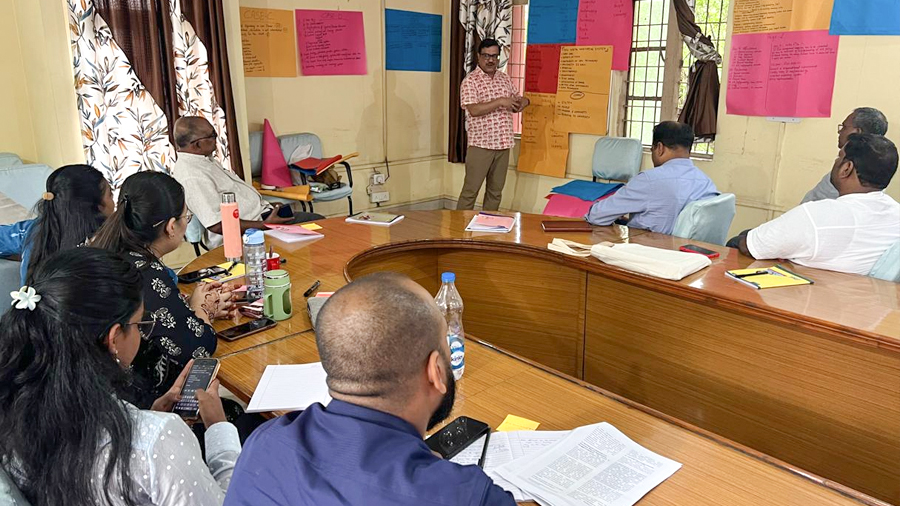
When NGOs Grow, What Breaks First? Caritas India Tackles the Answer in Raipur
Three-day workshop arms executive leaders with governance tools, a 20-policy framework and practical fixes for...
LEARN MORE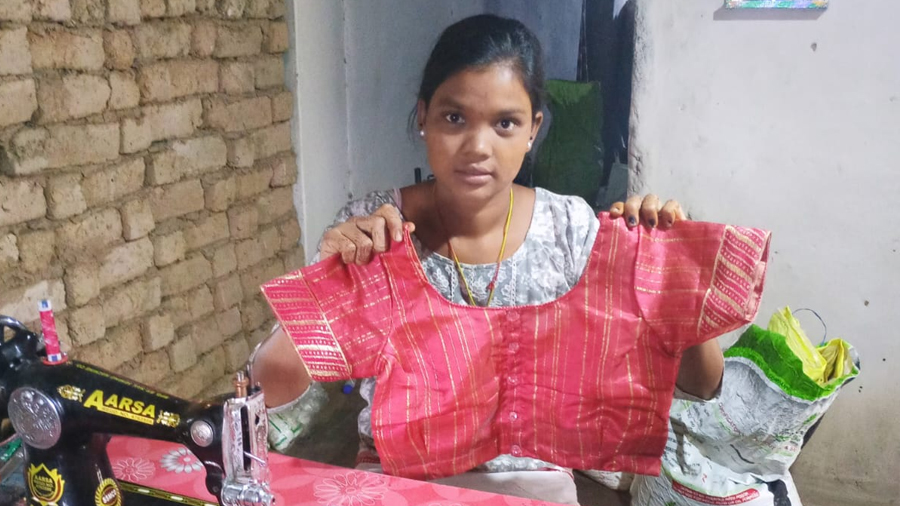
Nine Kilometres Through the Jungle: How Poornima Stitched Her Own Future
For 19 year old Poornima Rawat of Rajamma village in Lailunga block of Chhattisgarh's Raigarh...
LEARN MORE
In a Nuh Village, People Living With Mental Illness Finally Got to Speak, and Be Heard
Nine people sat in that room in Barota village, Nuh district, Haryana, each carrying a...
LEARN MORE 91 -11 - 23362735
  director@caritasindia.org


