
 91 -11 - 2336 3390
  director@caritasindia.org
 NTFP needs value addition. 38 trainers are taking it to 110 villages
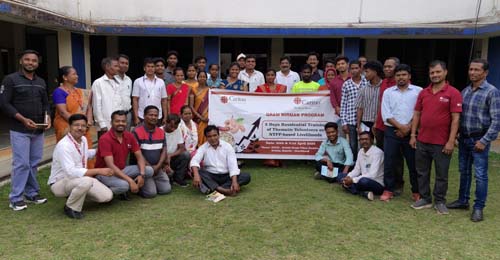
Thirty-eight community volunteers and programme staff from 110 villages across Jharkhand and Chhattisgarh have stepped into a new role, not just as learners, but as local resource persons tasked with multiplying knowledge across their communities. Over two days, on 21 April 2026, a focused training on Non-Timber Forest Produce (NTFP) livelihoods at Krishi Gram Vikash Kendra, Rukka, Ranchi, turned grassroots actors into catalysts for change.
Organised under the Gram Nirman programme by Caritas India, the training zeroed in on three forest commodities that anchor tribal livelihoods: lac, tamarind, and mahua. In forest-dependent regions, income loss rarely comes from lack of effort, it comes from lack of access to knowledge, processing, and markets. This intervention targeted exactly that gap.
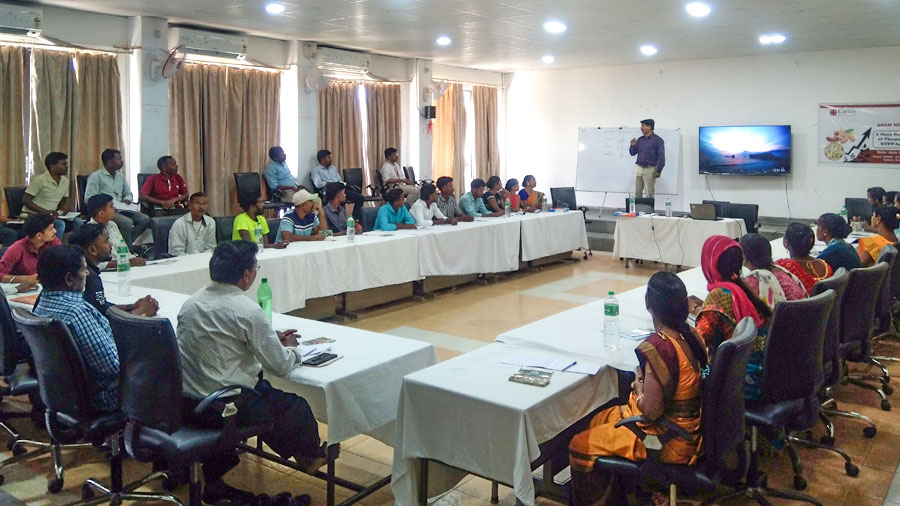
The first day focused on lac, a high-value natural resin with growing demand in food, pharmaceutical, and cosmetic industries. Despite India producing the majority of the world’s lac, much of its value is lost at the source. Farmers often sell raw lac instead of processed forms like seed lac or shellac, where real margins lie. Participants were taken through the entire value chain, from understanding the lac insect lifecycle to scientific cultivation practices and post-harvest processing. The message was direct: income can multiply, not through more labour or land, but through better knowledge and value addition.
The numbers reinforce the opportunity. Domestic demand for lac has been rising steadily, while global demand continues to expand. Yet production remains inconsistent, held back by weak processing infrastructure and limited market linkages. For tribal producers, this translates into a persistent undervaluation of what they already have.
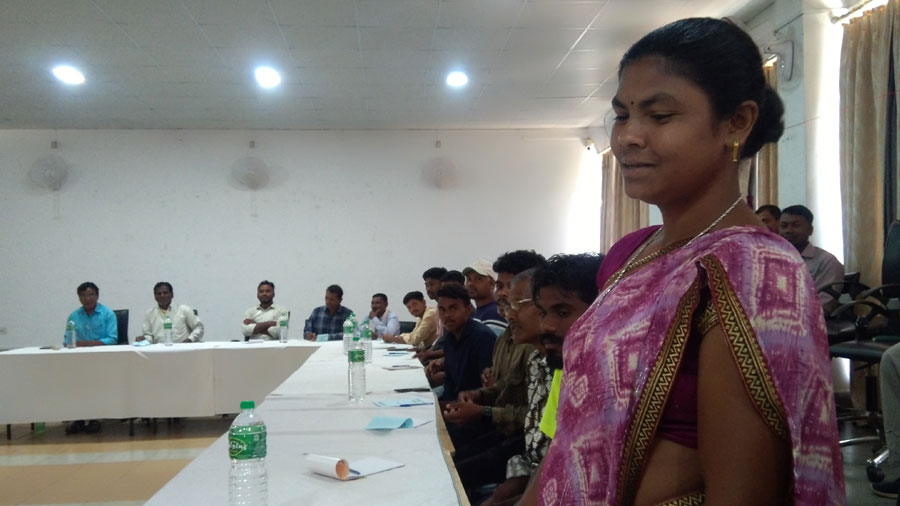
Day two shifted the conversation from production to enterprise. Tamarind and mahua, both abundant yet underutilised, were explored through the lens of processing, storage, packaging, and quality control. Participants engaged with practical methods to extend shelf life, improve product quality, and access better markets. Just as important was the introduction to collective structures like Self-Help Groups and Farmer Producer Organisations. These are not just institutional forms; they are bargaining tools in markets that rarely favour individual sellers.
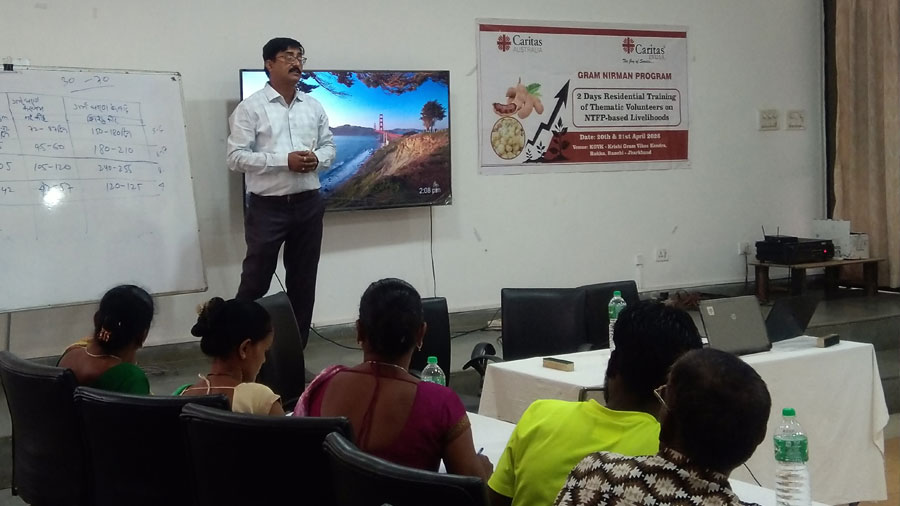
The training was led by Mr. Balajee Mishra, an agri-business and NTFP expert known for translating technical knowledge into field-ready practice. Sessions were highly participatory, grounded in the realities participants brought from their villages. Concerns surfaced quickly, lack of fair pricing, absence of local processing units, and weak market access. These are not new problems but naming them within a structured learning space shifted the conversation from frustration to strategy.
What sets this effort apart is its multiplier design. With the Gram Nirman programme nearing its conclusion in June 2026, these 38 participants now carry a defined mandate: take this knowledge back and embed it across 110 villages. The training does not end in Ranchi. It begins there.
The real measure of success will not be certificates issued, but practices adopted, whether lac is processed before sale, whether mahua is stored with quality in mind, whether communities negotiate as collectives rather than individuals. One forest. Thirty-eight trainers. A hundred and ten villages. The scale is already in motion.
Upcoming News
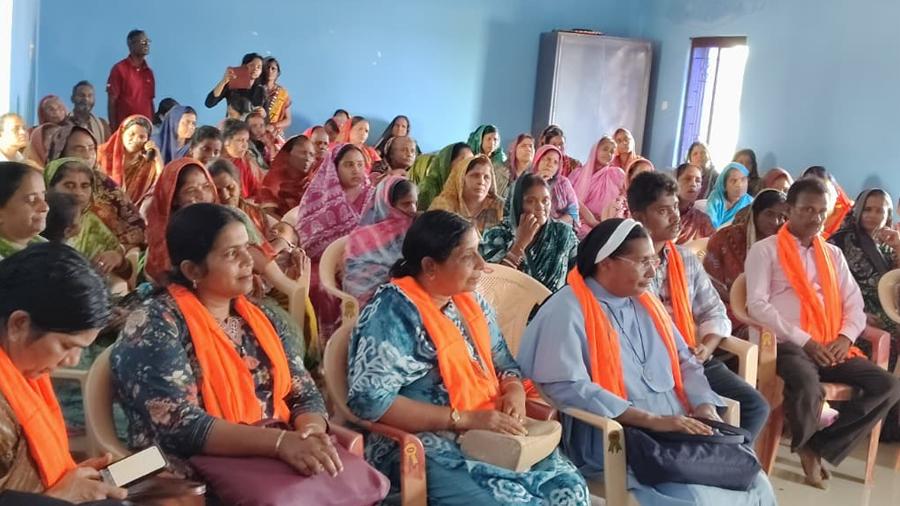
Kerala and Odisha Practitioners Come Together for Workshop on Humanitarian Aid and Disaster Risk Reduction
Disaster risk reduction practitioners from Kerala's Safe Within, Reconnect Wayanad and Vilangad Project travelled to...
LEARN MORE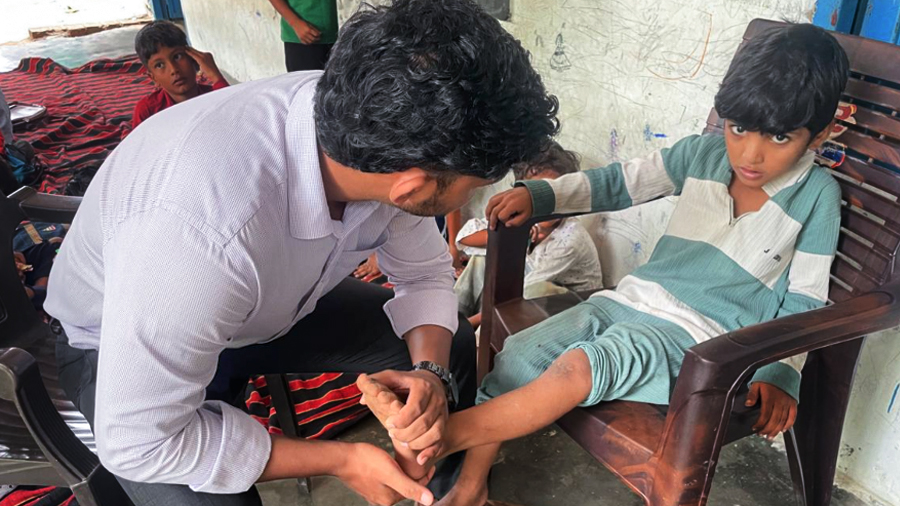
How Faiz Learned to Walk Again with Physiotherapy and Orthotic Support
There is a particular kind of heartbreak in watching your child want to play and...
LEARN MORE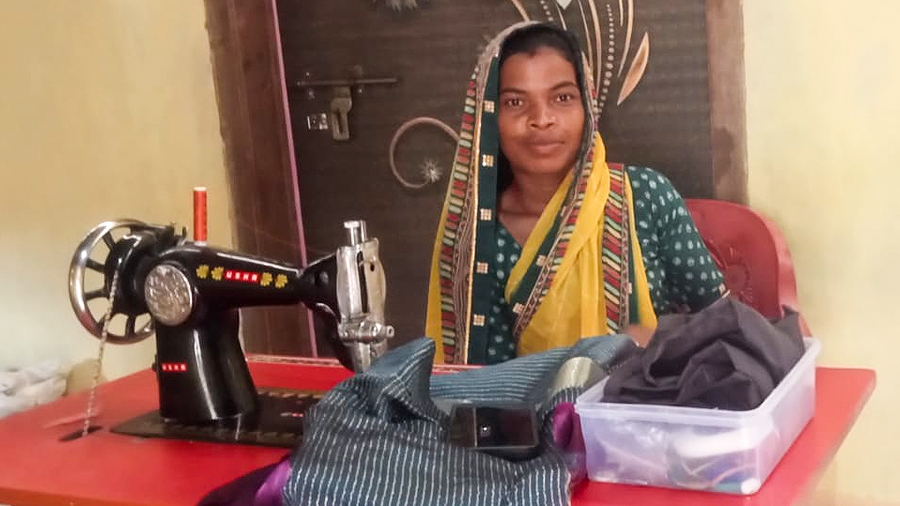
Every Stitch Keeps a Dream Alive
On the day Shiropati paid her children’s school fees from the money she earned through...
LEARN MORE 91 -11 - 2336 3390
  director@caritasindia.org


