
 91 -11 - 2336 3390
  director@caritasindia.org
 One farmer’s summer millet experiment could reshape climate resilient farming in Madhya Pradesh
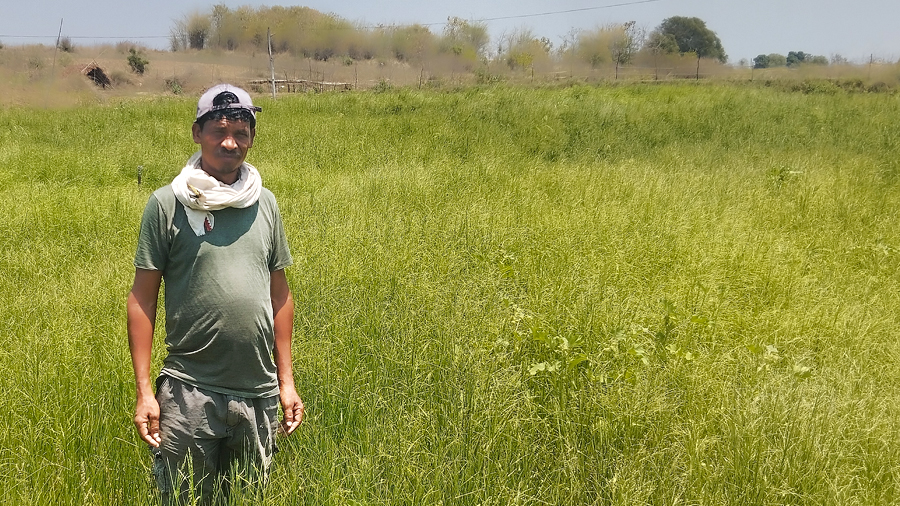
For generations, farmers in Mandla district of Madhya Pradesh accepted one reality. Once the monsoon crop was harvested, much of their farmland remained idle through the scorching summer months because little could survive the heat and limited water.
Harichand Narte believed the same until one small experiment challenged decades of conventional farming.
Today, his successful off-season cultivation of Kutki (Little Millet) is prompting neighbouring farmers to rethink how climate resilient agriculture can transform unused land into an additional source of income. More importantly, it demonstrates how knowledge, rather than expensive technology, is helping smallholder farmers adapt to a changing climate through Caritas India’s SAFBIN programme.
A farmer from Ahmadpur village, Harichand participated in the Farmer Field School under the SAFBIN initiative, where he learned practical approaches to climate resilient agriculture, soil health management, integrated nutrient management, integrated pest management and sustainable farming. Instead of simply adopting new practices, the programme encouraged farmers to observe their fields, analyse crop performance and make decisions based on local conditions.
Inspired by millet demonstrations organised through the project, Harichand asked a simple question: if Little Millet thrives during the monsoon, why not test whether it could also grow during summer?
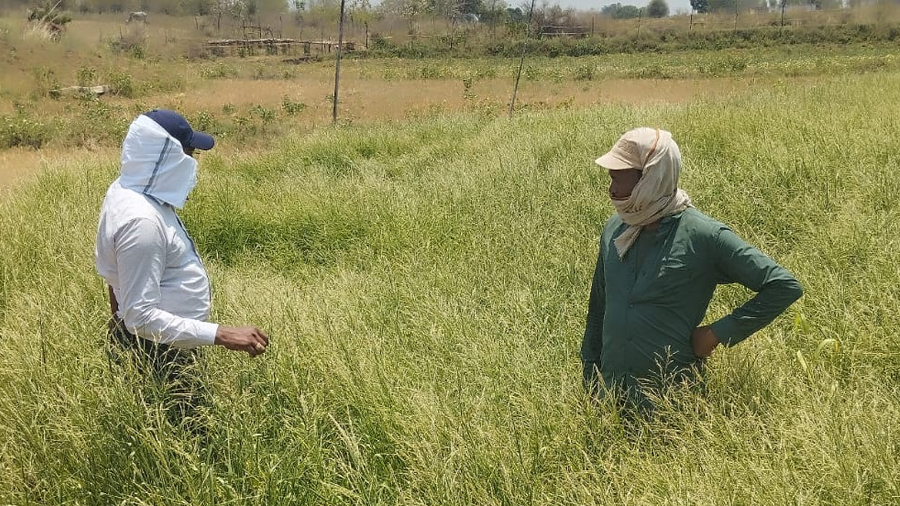
The idea challenged local farming traditions. With technical guidance from the SAFBIN team and five kilograms of certified Kutki seed supplied through the Department of Agriculture, he sowed the crop on a 0.2 acre plot in March, a season when most surrounding fields remained fallow.
Success depended less on costly inputs than on applying what he had learned. Instead of chemical fertilisers, he used Jeevamrut prepared from locally available materials to improve soil health. Regular field observation helped prevent pest outbreaks, while timely irrigation enabled the crop to withstand extreme summer temperatures. Dry weather further reduced pest pressure, eliminating the need for chemical pesticides and keeping production costs remarkably low.
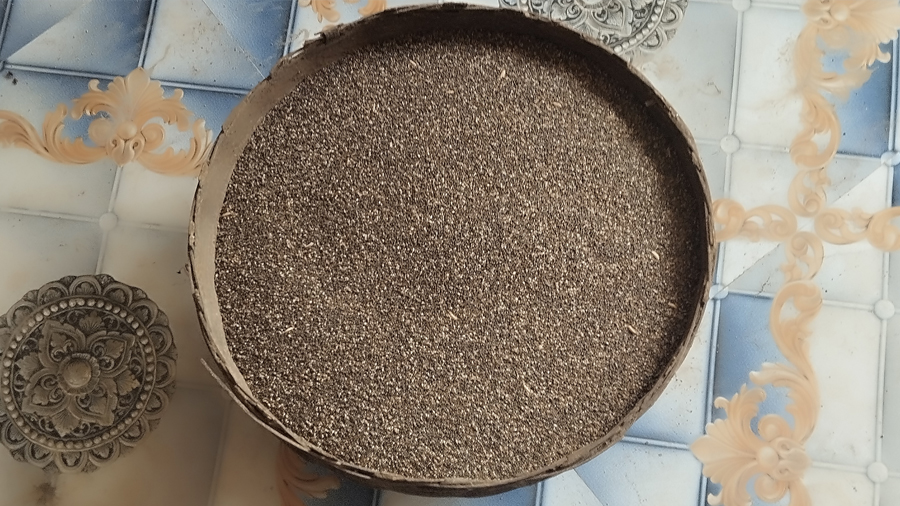
The results surprised even experienced farmers. Within two months, Harichand harvested 55 kilograms of Little Millet from land that would otherwise have remained unused. With local market prices averaging ₹45 per kilogram, the harvest generated around ₹2,475 in gross income. Since most farm inputs were prepared at home and seeds were subsidised, his total cultivation cost remained close to ₹300, producing a profitable return from what had previously been an unproductive season.
The experiment delivered more than additional income. It demonstrated that climate resilient millets can withstand heat, require relatively little water and perform well under resource constrained conditions. By combining scientific knowledge from the Farmer Field School with traditional practices such as Jeevamrut, Harichand reduced production costs while improving the productive use of his land.
His experience is now attracting attention beyond his own farm. Farmers from neighbouring villages are exploring similar summer millet cultivation after witnessing that innovation does not always require major investments. Sometimes it begins with the confidence to test a new idea.
“The Farmer Field School taught me to observe, experiment and learn from my own field,” says Harichand. “Earlier I believed Kutki could only be grown during the monsoon. This experience showed me that with proper planning and management, it can also be cultivated successfully during summer.”
As climate variability continues to challenge smallholder agriculture, Harichand’s story offers an important lesson. Building resilience is not only about introducing new technologies. It is about enabling farmers to become innovators. Through Caritas India’s SAFBIN programme, Farmer Field Schools are helping farming communities transform local knowledge into practical solutions that strengthen livelihoods, improve food security and make agriculture more resilient, one experiment at a time.
Upcoming News
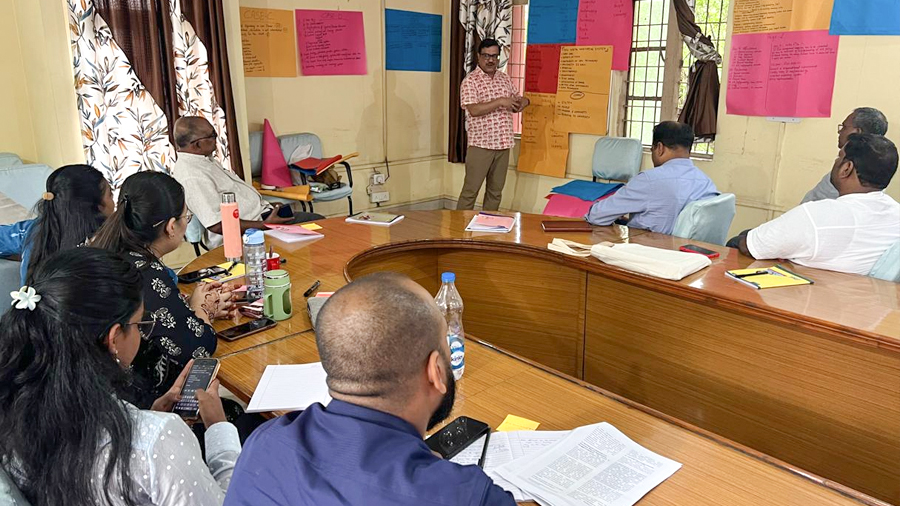
When NGOs Grow, What Breaks First? Caritas India Tackles the Answer in Raipur
Three-day workshop arms executive leaders with governance tools, a 20-policy framework and practical fixes for...
LEARN MORE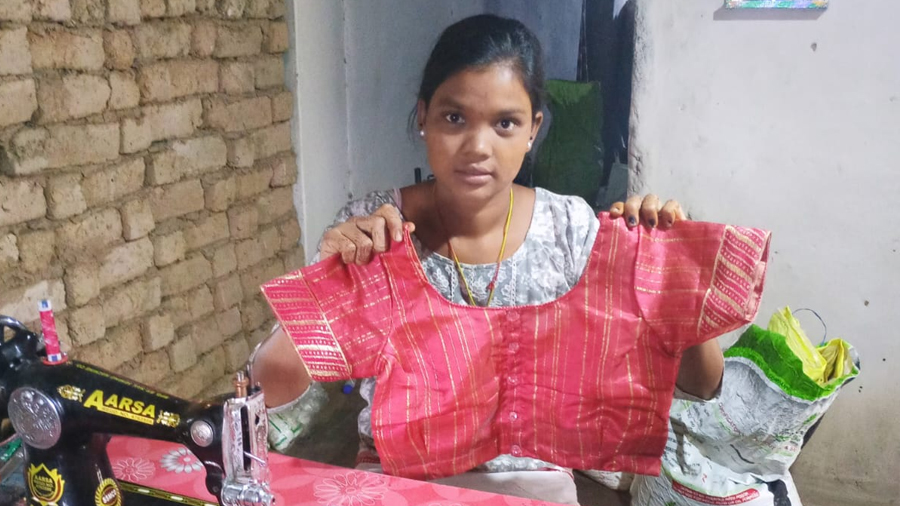
Nine Kilometres Through the Jungle: How Poornima Stitched Her Own Future
For 19 year old Poornima Rawat of Rajamma village in Lailunga block of Chhattisgarh's Raigarh...
LEARN MORE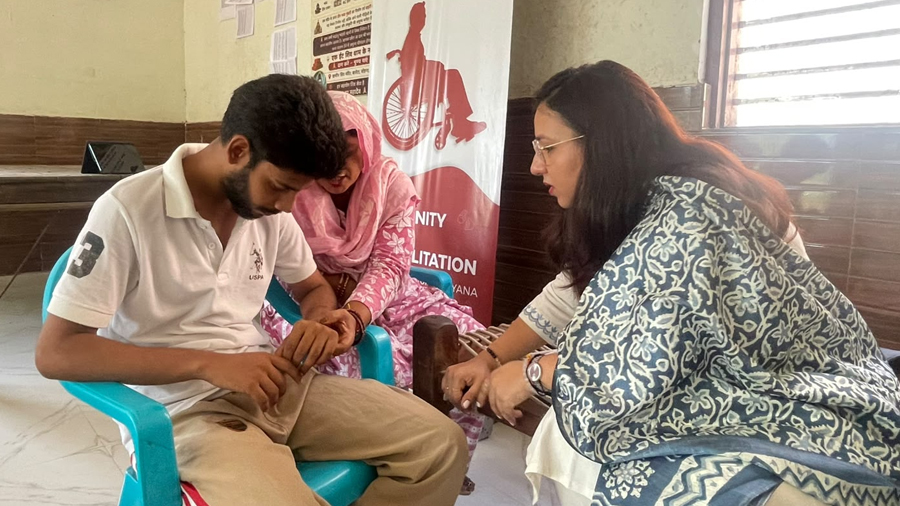
In a Nuh Village, People Living With Mental Illness Finally Got to Speak, and Be Heard
Nine people sat in that room in Barota village, Nuh district, Haryana, each carrying a...
LEARN MORE 91 -11 - 23362735
  director@caritasindia.org


